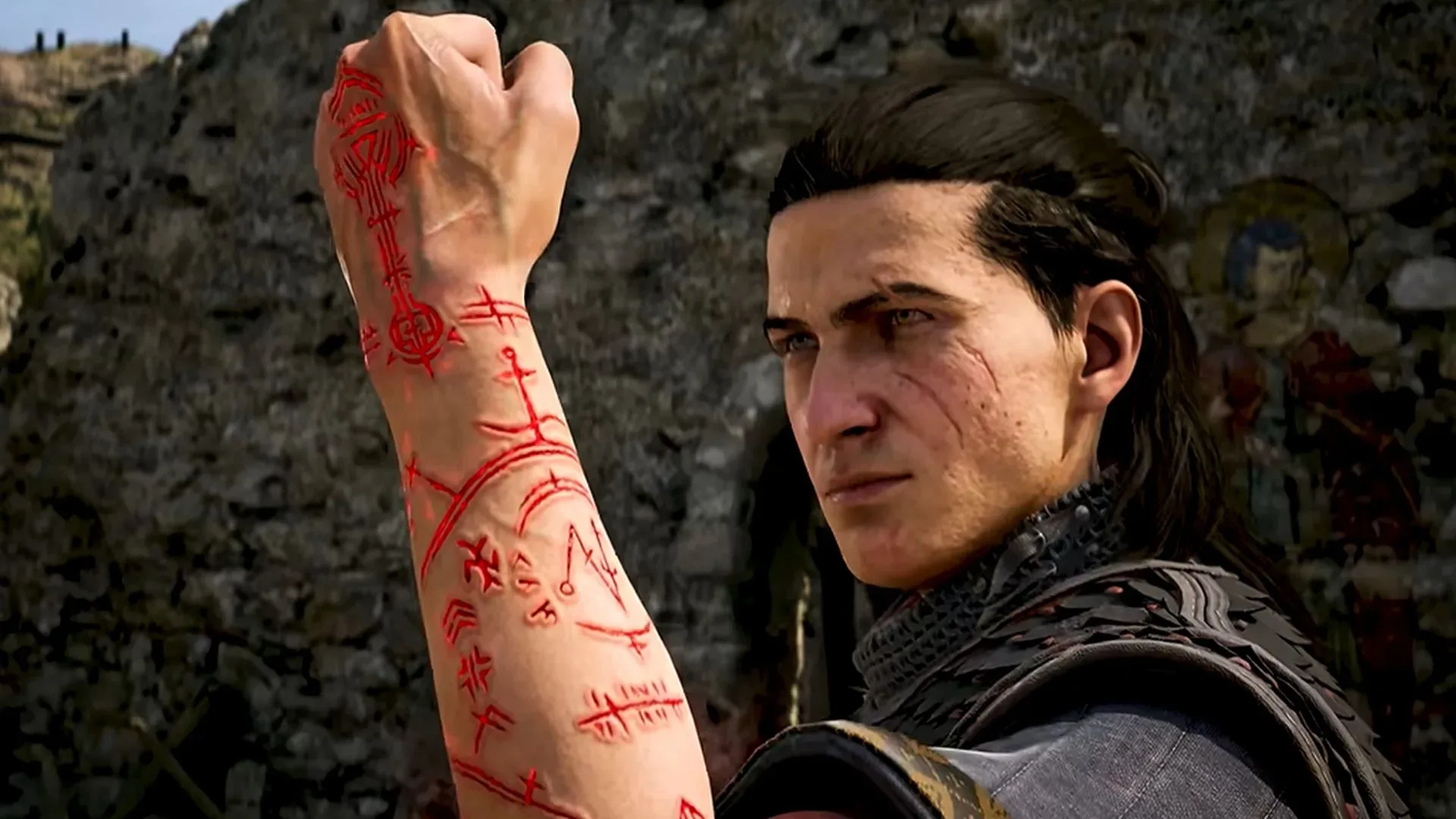
September’s invitation to The Blood of Dawnwalker is not merely to admire the moonlight, brood near a castle, and pretend the inventory screen is a blood bank. The community RPG challenge built around Rebel Wolves’ vampire-driven role-playing game has laid out a far more specific mission: guide protagonist Coen toward rescuing his family within the game’s 30-day limit, while accepting the complications that inevitably arise when a hero is also learning to become a creature of the night.
The first scheduled discussion is set for September 10, 2026. It marks the beginning of a month spent comparing routes, consequences, survival strategies, and all the small disasters that emerge when different players are placed in the same dark fantasy setting with wildly different impulses. One person sees an urgent family emergency. Another sees a rat and immediately wonders whether it is worth eating for vampire-related character development. Role-playing games contain multitudes.
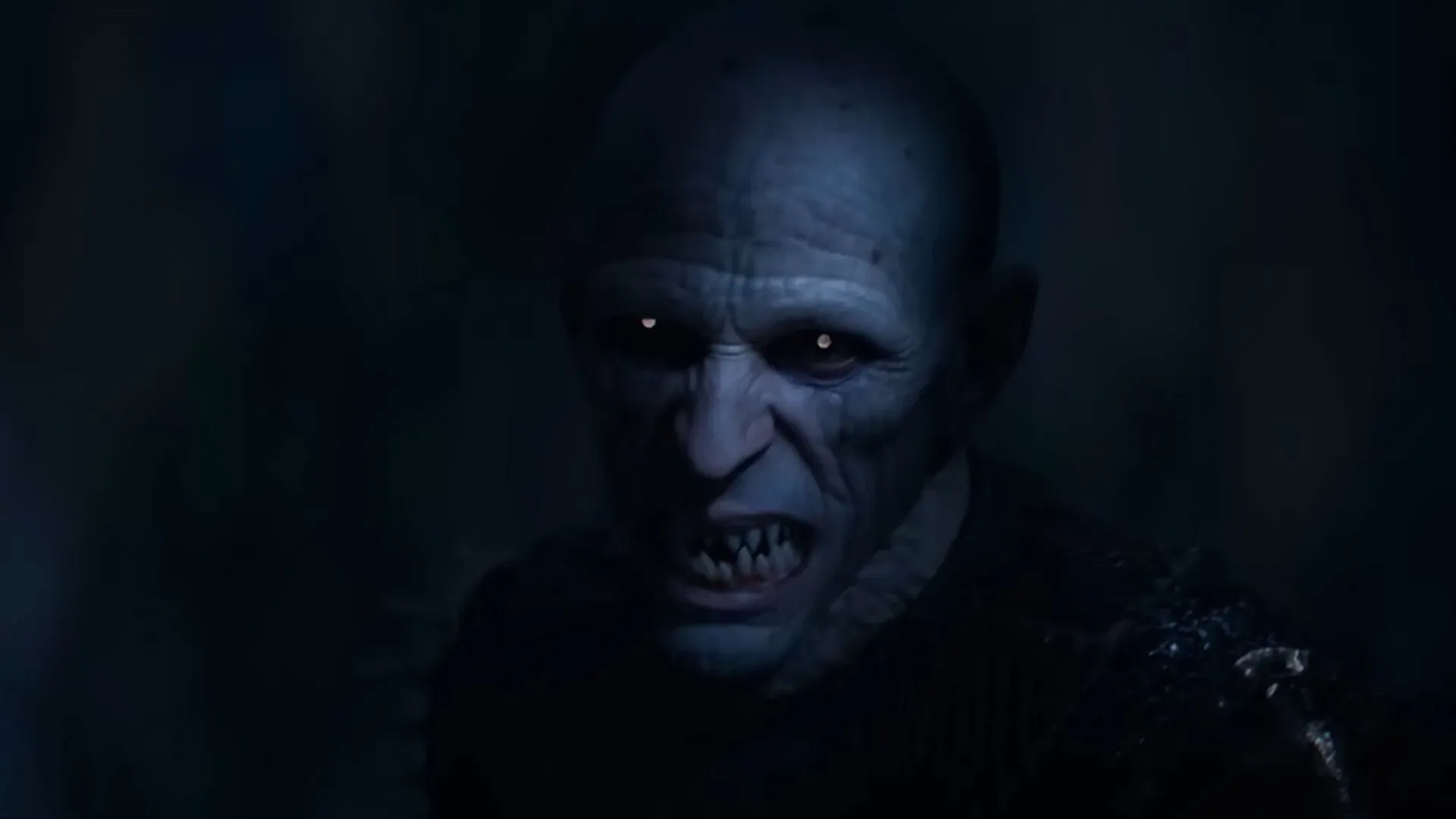
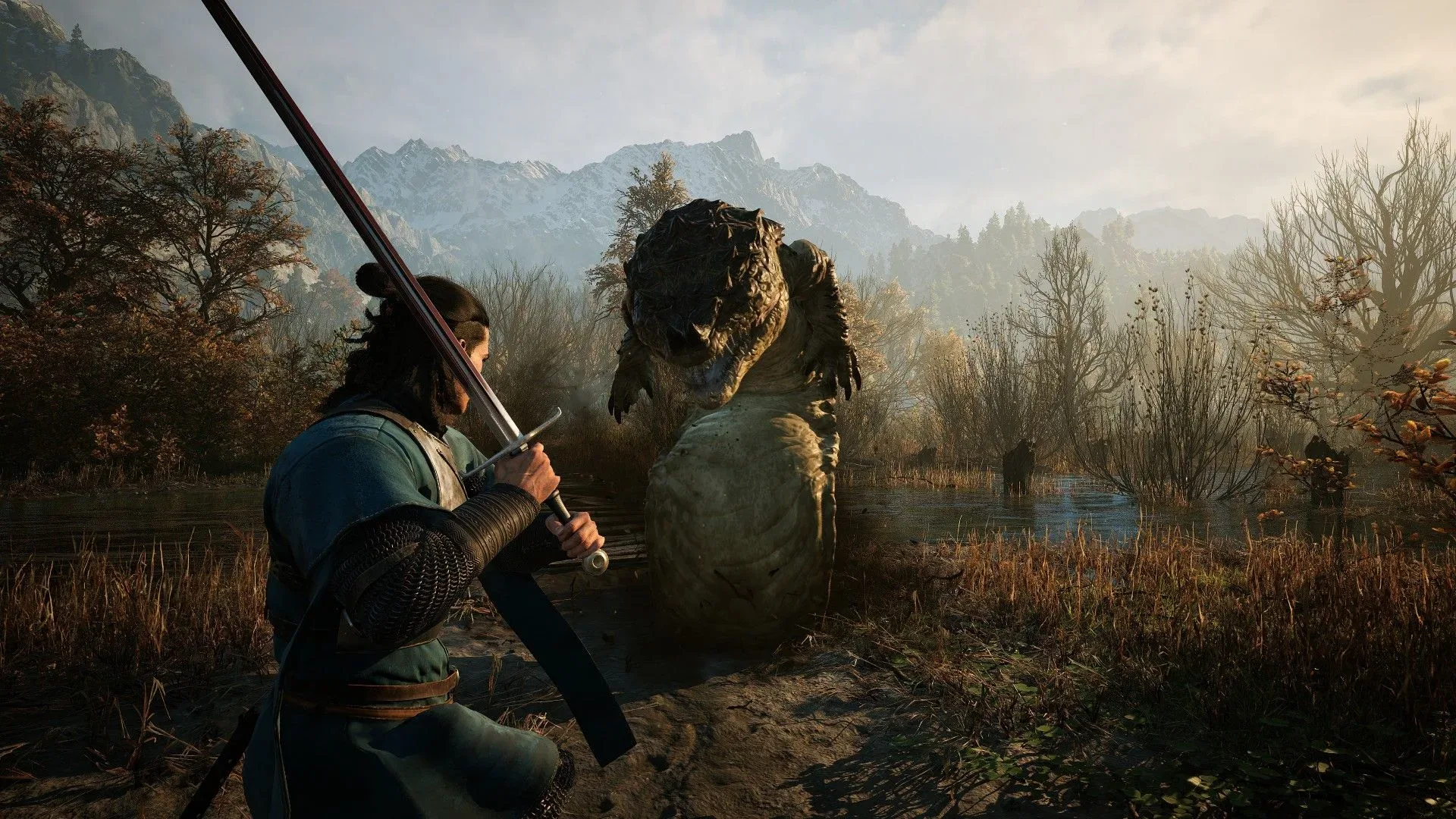
The Blood of Dawnwalker is set in Vale Sangora and centers on Coen after he develops vampiric powers. The game’s premise puts a clock on the central objective: Coen has 30 days to save his family. That time pressure is central to the challenge, rather than a detail participants are encouraged to sidestep. The plan is to prepare as effectively as possible, then live with the results of that preparation—or the lack of it.
A role-playing challenge built around commitment
Community playthroughs are at their best when they give people a shared starting point without demanding identical journeys. This one has four guiding objectives, each designed to spotlight a different aspect of The Blood of Dawnwalker’s systems and themes.
- Prioritize the family rescue. The 30-day deadline is the spine of the run. Participants are encouraged to spend that time getting Coen ready for the task rather than treating the main objective as background decoration.
- Consider Duelist difficulty. The tougher combat option, called Duelist, is part of the proposed route, but it is explicitly optional. Players who would rather focus on exploration, choices, or the narrative can still take part without turning every encounter into a fencing examination administered by an angry vampire.
- Build into Coen’s vampirism. Players are urged to seek opportunities that make Coen a more capable vampire. The instruction includes the less glamorous possibility of eating rats, a useful reminder that supernatural power rarely arrives with a silver platter and a tasteful garnish.
- Do not erase unexpected consequences. The challenge favors sticking with decisions rather than repeatedly reloading saves until the universe delivers an outcome with perfect hair and no emotional damage.
That final point is likely to be the one that produces the most interesting stories. Modern RPG players know the familiar ritual: a major decision happens, the immediate result feels bad, and suddenly the save menu receives more attention than the actual plot. There is nothing inherently wrong with replaying a scenario, especially for players pursuing a preferred story. But a no-reload approach creates a more distinctive shared experiment. It leaves room for missed opportunities, costly misunderstandings, unplanned loyalties, and victories that feel earned precisely because the route was not optimized into a sterile checklist.
It also gives the group something substantial to discuss. Two players can make choices with similar intentions and still arrive at very different versions of Coen. A strict approach to vampiric growth may change the tone of a run. Cautious preparation may cost time. A decision made because it seemed compassionate may complicate a larger goal. In a game built around consequential storytelling, those contrasts are the good stuff.
Why the countdown matters in Vale Sangora
A deadline in an RPG can sound intimidating, particularly to anyone whose natural instinct is to inspect every alley, investigate every suspicious barrel, and accept every side job from a person standing near a question mark. Yet the 30-day rescue framework has the potential to create a useful kind of friction. It asks players to think about what matters now, what can wait, and what risks are worth taking.
That is different from a conventional open-ended fantasy adventure, where detours can feel consequence-free even when the plot claims the world is in immediate danger. Coen’s predicament is personal and urgent. The challenge leans into that urgency instead of trying to flatten it. Preparation remains important, but every decision about preparation exists beside the ticking clock.
The result should be a set of playthroughs that are comparable without becoming carbon copies. One participant may spend valuable time pursuing extra strength and vampire abilities. Another may push toward the family rescue quickly, trusting improvisation over exhaustive readiness. Someone else may discover that their carefully constructed strategy falls apart after one unfortunate choice. That last player may have the most entertaining report, assuming they have made peace with their newly minted disaster.
There is a social dimension to this as well. Solo RPGs become unexpectedly communal when players agree to share their reasoning, not only their outcomes. The old unwritten rules of couch multiplayer are mostly about passing controllers, preserving friendships, and not being a menace near the snack bowl. A shared single-player RPG works differently, but it has its own etiquette: compare notes without treating one route as the only valid route, respect spoiler boundaries, and appreciate the player whose doomed plan makes everyone else feel briefly brilliant.
Vampire power, difficult choices, and the value of a messy run
The Blood of Dawnwalker has drawn attention in part because of its connection to developers with experience on The Witcher 3. There is a recognizable throughline in the combination of third-person action and choice-driven fantasy storytelling, with a shared director and several key developers linking the two projects. But the community challenge is focused on what makes this game distinct: Coen’s vampirism, Vale Sangora, and a structure where the passage of time matters directly to the rescue at the center of the story.
Making Coen “a stronger vampire” is not presented as a cosmetic role-playing preference. It is one of the run’s stated goals. That emphasis gives players an incentive to engage with the character’s transformation even when it leads to uncomfortable, absurd, or distinctly unheroic behavior. The rat-eating example may be funny, but it captures the larger idea. A vampire protagonist should not simply be a regular adventurer with unusually effective dental equipment. The build, the choices, and the consequences should all reflect the condition.
Players may find that the best stories come from choices they would normally undo. A botched conversation, a resource spent at the wrong moment, or an unexpected consequence can become the event that defines a run. This is the RPG equivalent of the collecting brain that enters five increasingly dramatic phases after buying one supposedly modest item; that escalation is a familiar tale. First, a player makes one small decision. Then comes rationalization. Then commitment. Then a situation so elaborate that everyone insists it was always the plan.
There is an important caveat: the challenge does not require every participant to play in exactly the same way. Duelist difficulty is optional, and nothing about the format suggests that players should sacrifice their enjoyment just to satisfy a self-imposed rule. The point is to establish a meaningful common frame, not to crown the person with the greatest tolerance for combat punishment. If someone’s most satisfying route is a lower difficulty with careful role-playing and firm no-reload choices, that is still a route worth bringing to the discussion.
What participants can expect during September
The September schedule begins with Coen’s initial adjustment to his new vampirism and an early look at the systems that add resistance or friction to the adventure. A week is framed as sufficient time to get acquainted with Vale Sangora, though “sufficient” is doing valiant work in a genre where an apparently quick errand can grow tentacles, political implications, and three optional caves.
As the month progresses, the shared focus will move through each in-game week, documenting successes and failures on the way to an attempt at the family rescue. The planned culmination is a rescue effort on the hardest difficulty. That endpoint gives the month a clear arc, but its real appeal lies in the road there: the divergent builds, the irreversible calls, and the stories produced when players choose to let consequences stand.
For anyone joining late, the central rules remain easy to grasp. Meet Coen. Learn how his vampirism shapes the game. Use the 30 days wisely. Decide how much hardship Duelist difficulty adds to the experience. Strengthen the protagonist’s supernatural side whenever the opportunity appears. Most of all, resist the urge to rewrite every painful surprise.
It is a deceptively demanding assignment for a fantasy RPG: save a family, manage time, embrace a monster within, and do not panic-reload when everything becomes complicated. Vale Sangora may be dark, but at least the itinerary is clear. Bring a plan, bring your best bad decisions, and perhaps do not become too emotionally attached to the rats.