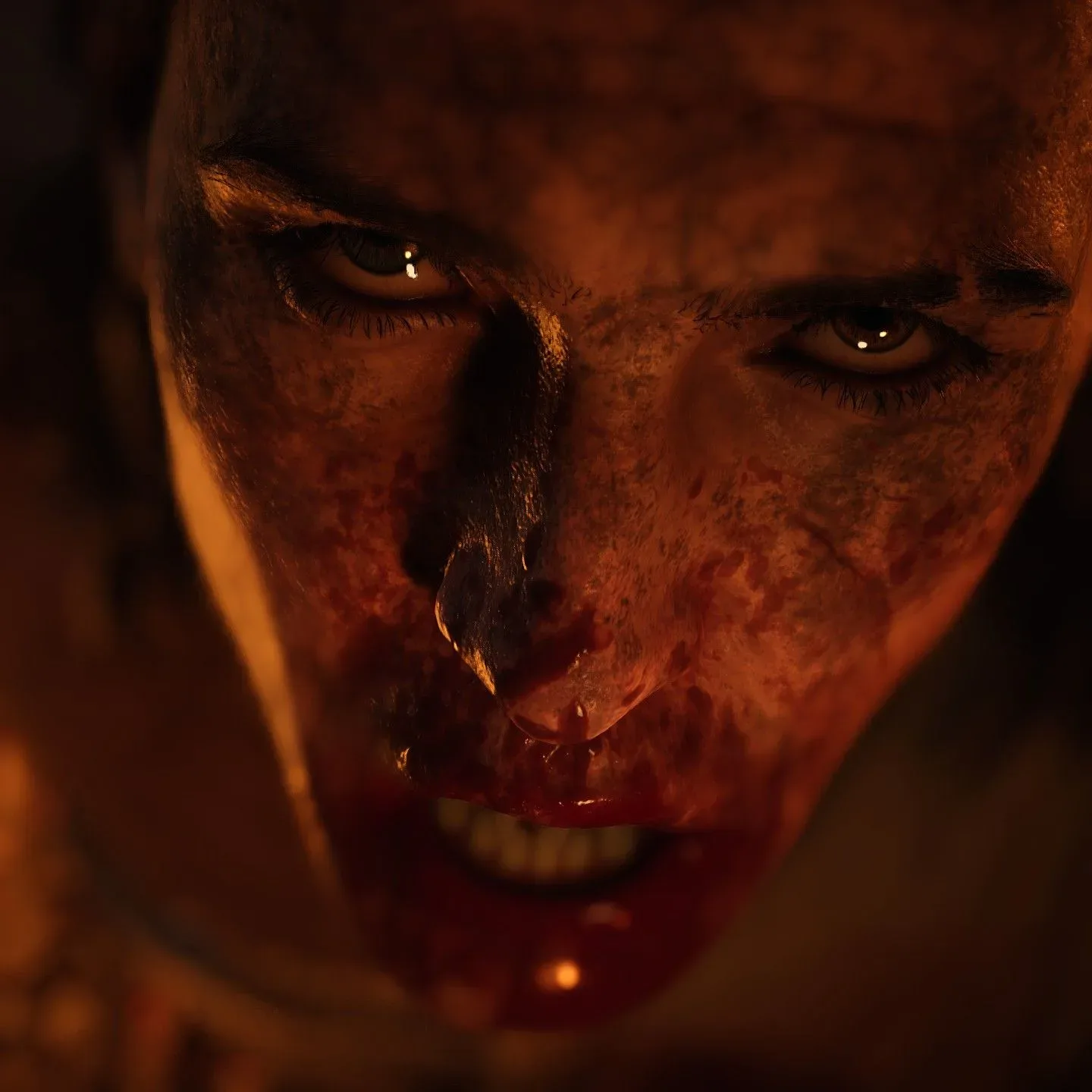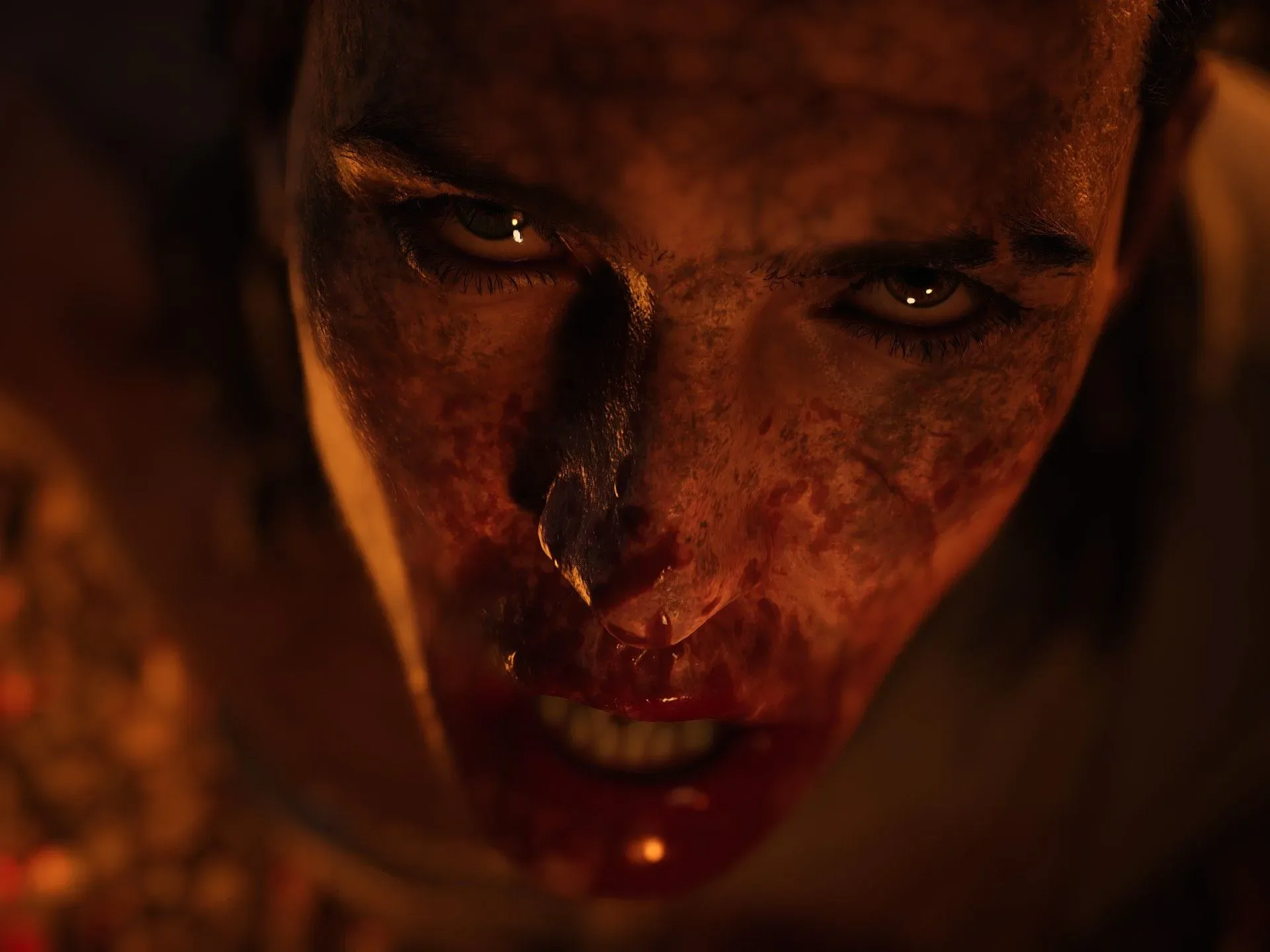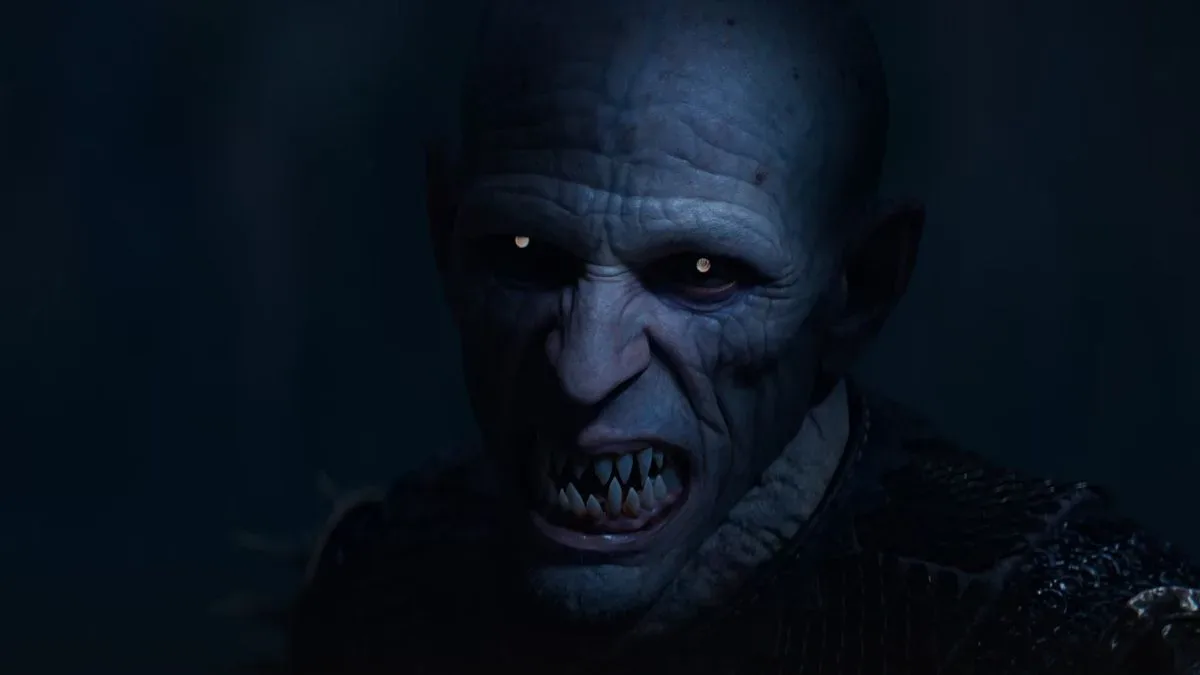
The Blood of Dawnwalker opens with a fairly brutal bargain: protagonist Coen has been forcibly made into a vampire, his family has been taken, and the clock gives him only 30 days and nights to get them back. That premise already promises pressure. The game’s highest difficulty, Duelist, appears determined to turn that pressure into a personal vendetta against anyone who thought a fantasy RPG should permit casual button presses.
One early run through Vale Sangora illustrates the appeal and the danger of choosing Duelist. The setting reportedly raises enemy aggression, makes incoming attacks much more punishing, and sharply reduces Coen’s stamina. Opponents do have lower health as a counterbalance, but that is less a safety net than an invitation to play decisively. A short opening exchange can be enough to end either a fight or Coen himself.
It creates a version of the game where the vampiric fantasy is not simply decorative. Survival depends on committing to a build, practicing defensive timing, deciding when to flee, and making every in-game hour count. Coen may be able to shadowstep, grow deadly claws, drink blood, and stalk soldiers after dark, but the world has plenty of ways to remind him that becoming a monster does not automatically mean becoming invincible.
A deadline that changes the meaning of detours
The 30-day objective is central to the tension. Time is treated as a spendable resource: taking actions uses part of the calendar, much like a schedule-driven RPG. That makes exploration feel different from an ordinary open-world checklist. A mountain path, a ruined tower, a rebel lead, or an old library can all be useful, but each can also become an expensive distraction when a family rescue is the overriding mission.
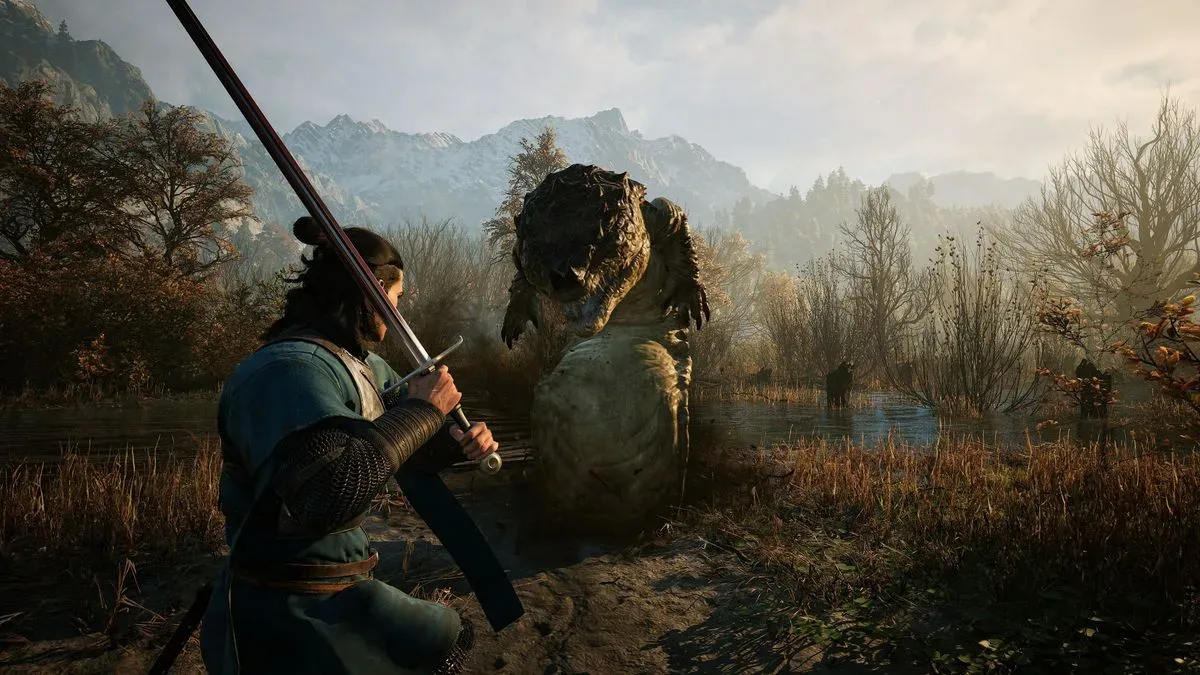
The first major detour is especially instructive. Leaving the burned village for the mountains leads to standing stones and what initially seems to be a quiet cliffside mystery. Then one of those supposed stones turns out to be a massive bear. On Duelist, a single poorly anticipated swipe is enough to kill Coen.
The bear is optional, which makes it a perfect lesson in priorities. The core rescue route presumably contains more demanding enemies than a wild animal on a mountain trail. Yet an optional enemy can still be valuable if it exposes weaknesses early. Rather than repeatedly forcing a fight that is going nowhere, retreat becomes the practical choice. Duelist appears to reward recognizing the difference between bravery and spending an evening becoming woodland furniture.
That philosophy has a useful broader lesson for difficult RPG runs. Progress is not always represented by a quest marker moving forward. Learning an attack pattern, identifying a stamina limit, improving a build, or deciding to leave a boss for later can be real progress too. In a game that charges time for activity, those decisions could be the difference between a careful rescue attempt and a panicked final sprint.
Duelist pushes combat toward precision
The combat description points to a system built around momentum. With less stamina available, reckless attacking and repeated evasive rolls are not sustainable. Perfect blocks and late dodges matter because they create the openings needed to exploit enemies with lower health. The comparison is not that the game is identical to any one action title; instead, the rhythm seems to favor composure, reaction, and controlled aggression over simply absorbing hits.
Coen’s two combat identities also matter. His human swordplay is one route, while the vampire toolkit offers a different and apparently smoother option. Investing in vampirism can improve claws with bleeding effects, build out stamina, and add shadowstep to close distance or initiate attacks. The claws are described as particularly fluid, making them a natural fit for a player who wants to embrace the night-bound side of the character.
That choice has limitations rather than being a pure upgrade. A standing-stone reward earned after defeating the bear lets Coen call a flock of ravens during battle, but it works only while he is human. For a run dedicated to maximizing vampirism, it becomes a reward with awkward utility. That is a good example of build identity creating tradeoffs: powerful-looking tools are not automatically the right tools for every approach.
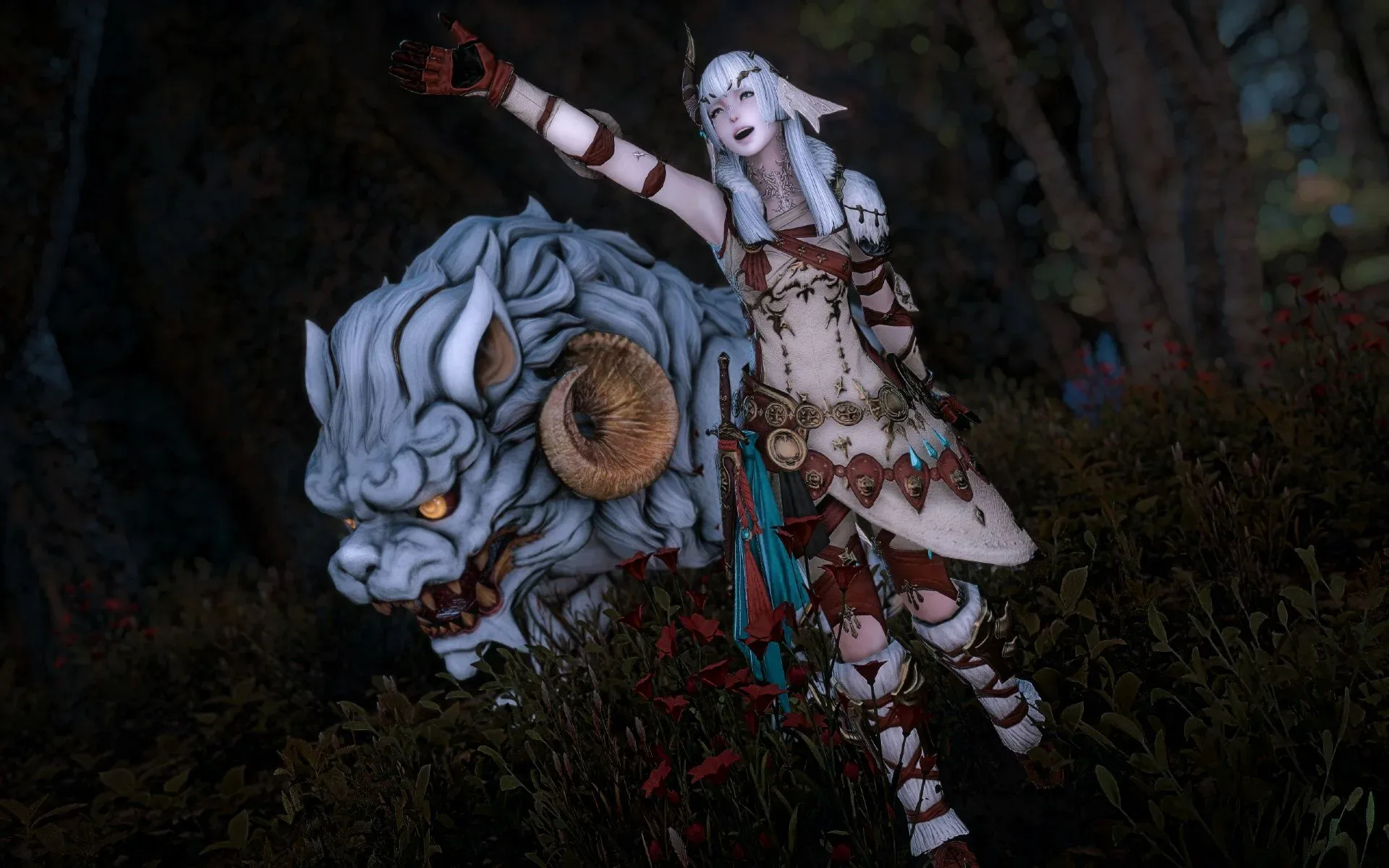
Players who enjoy monster-focused progression may appreciate how much the vampire path changes the practical approach to fights. It also gives an interesting contrast to other RPG systems built around commanding creatures, such as the beast-taming focus discussed in Final Fantasy 14’s Beastmaster update. Coen is not collecting companions here; he is becoming the alarming creature that patrols the road after sundown.
Vampire vigilantism becomes practical training
After the bear encounter, Brencis’ occupying footsoldiers become more attractive targets than mountain wildlife. Their campfires and torches make them easier to identify at night, and repeated skirmishes offer a way to learn Duelist’s strict tempo against human opponents. The stealth systems seem imperfect: slipping around detection can happen, but it is not presented as consistently reliable enough to carry encounters.
That imperfection is important. Shadowstepping behind a lone guard and biting them does not necessarily preserve a quiet approach when the rest of the group instantly responds. The answer becomes direct combat, parries, claws, and an exit plan. Coen can win the fight but still emerge badly hurt, needing to retreat and heal with rat blood. It is grimly funny, but it also reinforces a theme: the vampire fantasy is powerful precisely because it remains hungry, vulnerable, and inconvenient.
Several days of strikes against the occupying forces reportedly improve both combat skill and standing with Vale Sangora’s rebels. A rescue involving a local miller at a fortified outpost opens contact with that faction, while notoriety as an enemy of the vampires grows. Leads emerge involving prisoner transports and stored blood supplies, suggesting that the world’s conflict offers multiple pressure points beyond the primary family-rescue trail.
Still, the reported early side content does not yet sound especially dense in the way some sprawling RPGs use optional quests to tell self-contained stories. The more compelling draw appears to be combat expression under pressure: a harsh setting that turns each patrol into a chance to practice, gain resources, or make a fatal mistake. If that continues, Vale Sangora may feel less like a map to clear and more like hostile territory to learn.
The bear rematch and what it proves
Four days into this hit-and-run campaign, the bear becomes unfinished business. The rematch demonstrates why tough optional fights can serve as a measuring stick. After learning to handle groups of soldiers, a single large opponent is more readable. Its paw swipes can be blocked at the right time, creating windows for greatsword attacks.
The bear falls in roughly a minute once that rhythm is understood. That does not mean the animal was secretly easy; it means the player’s understanding changed. Duelist’s low margin for error makes that change feel dramatic. A creature capable of ending the run with one surprise blow becomes manageable only after the game’s fundamentals stop being theory.
The victory also does not erase the larger concern. A bear has a limited set of attacks. The main story is already signaling foes with stranger tools, and Coen’s 30-day countdown does not pause just because a mountain challenge has been settled. In other words, the bear is a graduation exam, not the final exam.
The convent raises the stakes beyond swordplay
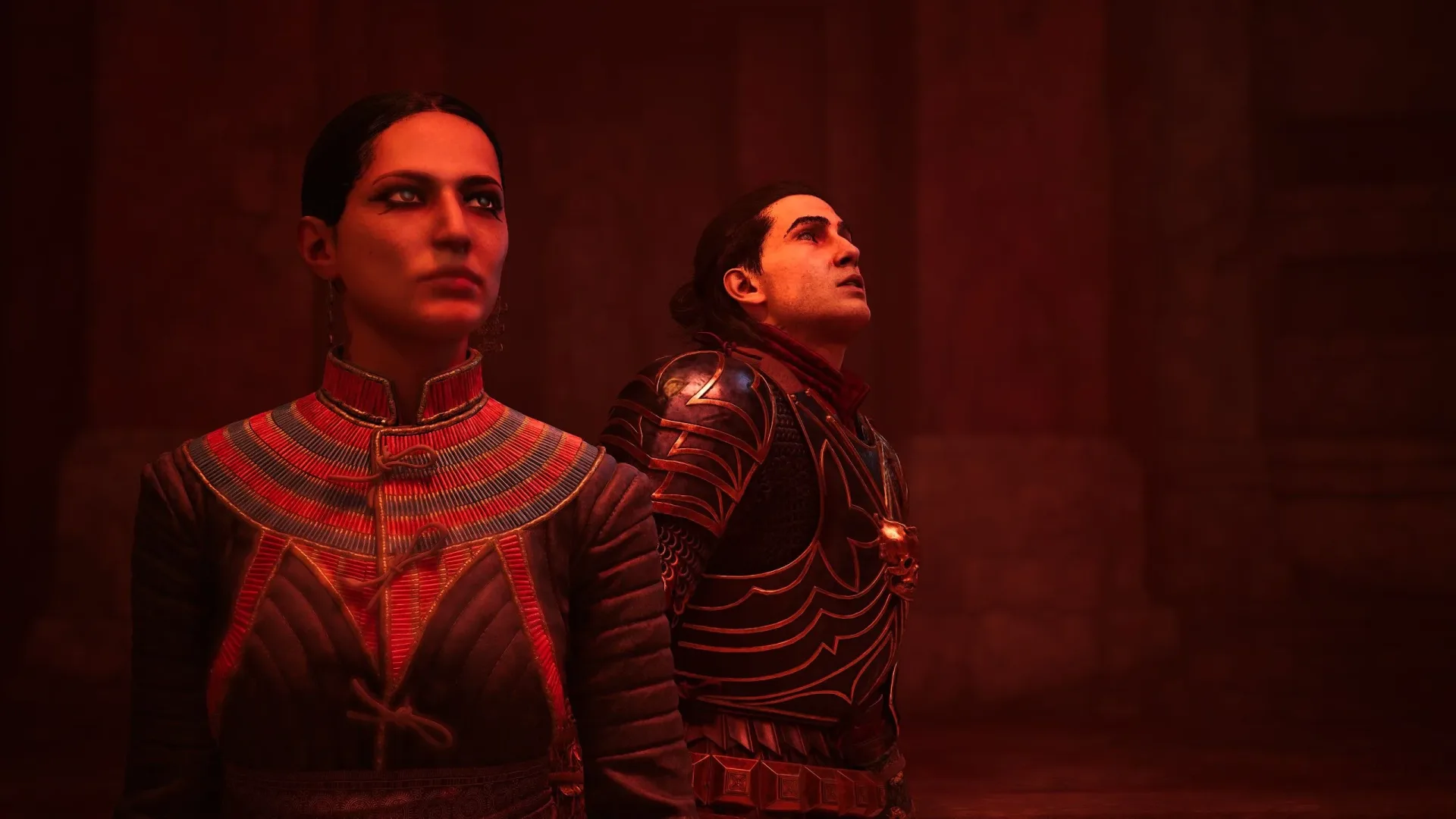
The first week culminates at an abandoned convent, where Anca believes forbidden books may offer a way to defeat the vlakhir. It is not an inviting research trip. Scarlet fog surrounds the grounds, plague-stricken nuns are walking again, and defeated undead reportedly rise back up after being put down.
Soldiers barricaded in an infirmary offer access to the library in exchange for a relic they want recovered. That setup presents a choice of priorities, while the convent itself forces a more inventive route. Searching for clues through the night and ringing the church bell at dawn draws the undead away, allowing progress toward the library and then the catacombs.
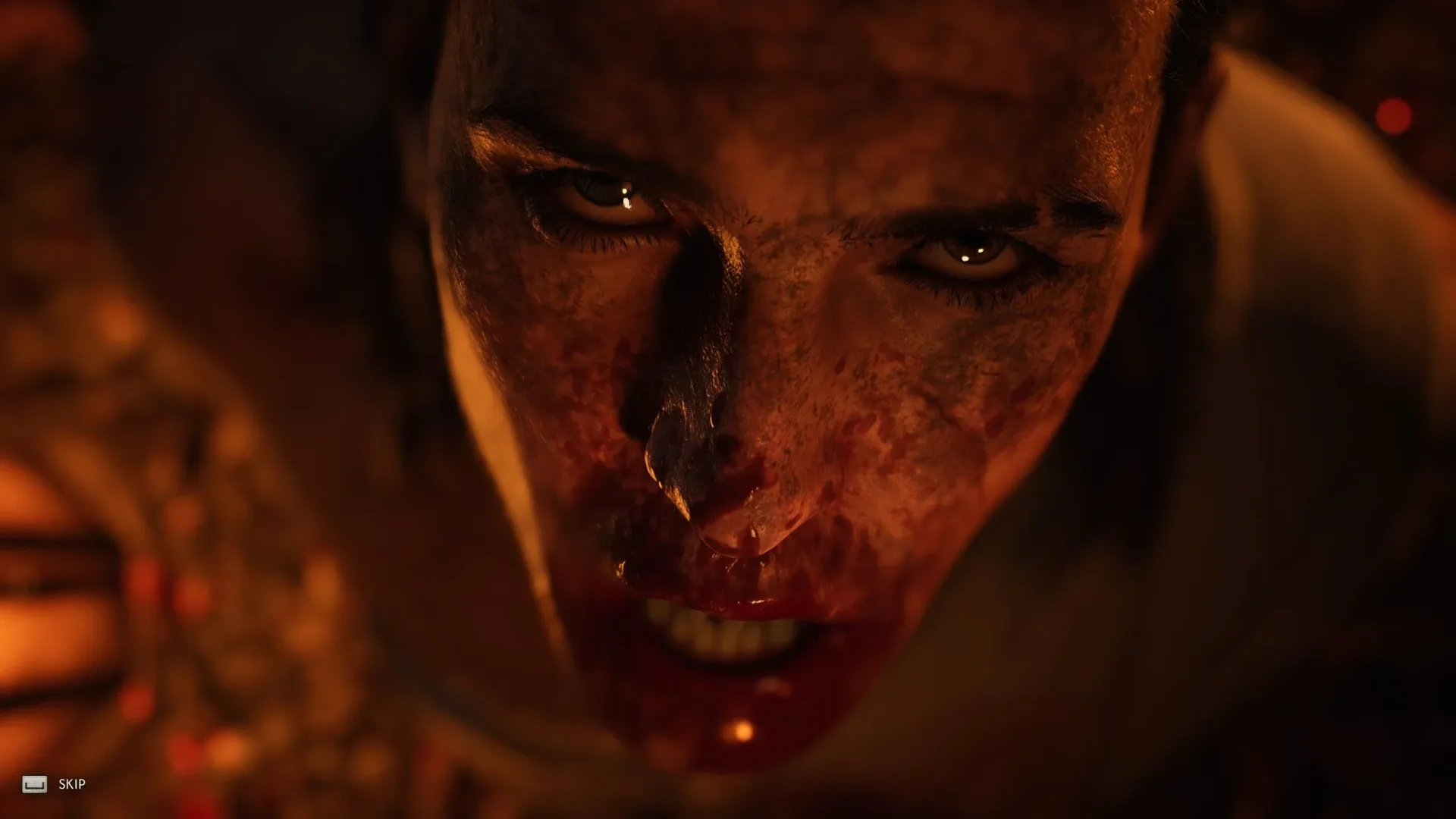
There, the situation turns into a boss fight with a rotting nun who made a demonic bargain during the Black Plague to protect the convent. She can direct ravens, blink around the catacombs, and raise additional undead. Those abilities overwhelm an approach that worked against the bear. Repeated defeats underline how dangerous teleportation, adds, and rapid dagger attacks can be when stamina is scarce and every defensive error hurts.
The eventual answer is sustained aggression: staying close, refusing to give the boss breathing room, and applying the confidence earned during earlier encounters. Defeating her lifts the convent’s curse and grants access to banned books. Those texts point to two possible avenues: a magical sword associated with a saint, and the mysterious Font of Life.
Even this success has a cost. Research consumes time, maps place the Font of Life in nearby mountains, and Anca will not travel there after nightfall. By the end of the first week, the calendar has already advanced, the rescue remains unfinished, and the next destination includes both the Font and Vale Sangora’s capital, Svartrau.
A promisingly unforgiving opening week
The early shape of The Blood of Dawnwalker suggests an RPG where difficulty can make role-playing choices feel tangible. Going all-in on vampirism means valuing claws and shadowstep over human-only rewards. Refusing to reload after consequences means accepting the cost of wrong turns. Choosing Duelist means every patrol, beast, and supernatural boss becomes a test of timing rather than a mere obstruction between story scenes.
Its tone has been compared with dark, grounded fantasy RPGs, while its Duelist combat is characterized as unusually challenging and expressive. The coming trip to Svartrau could reveal more about the game’s urban quests, rebel politics, and central mystery. For now, Coen’s first seven days establish the immediate priority: save the family eventually, but first learn exactly how not to die to the next thing with claws, a dagger, or an unhealthy interest in ravens.