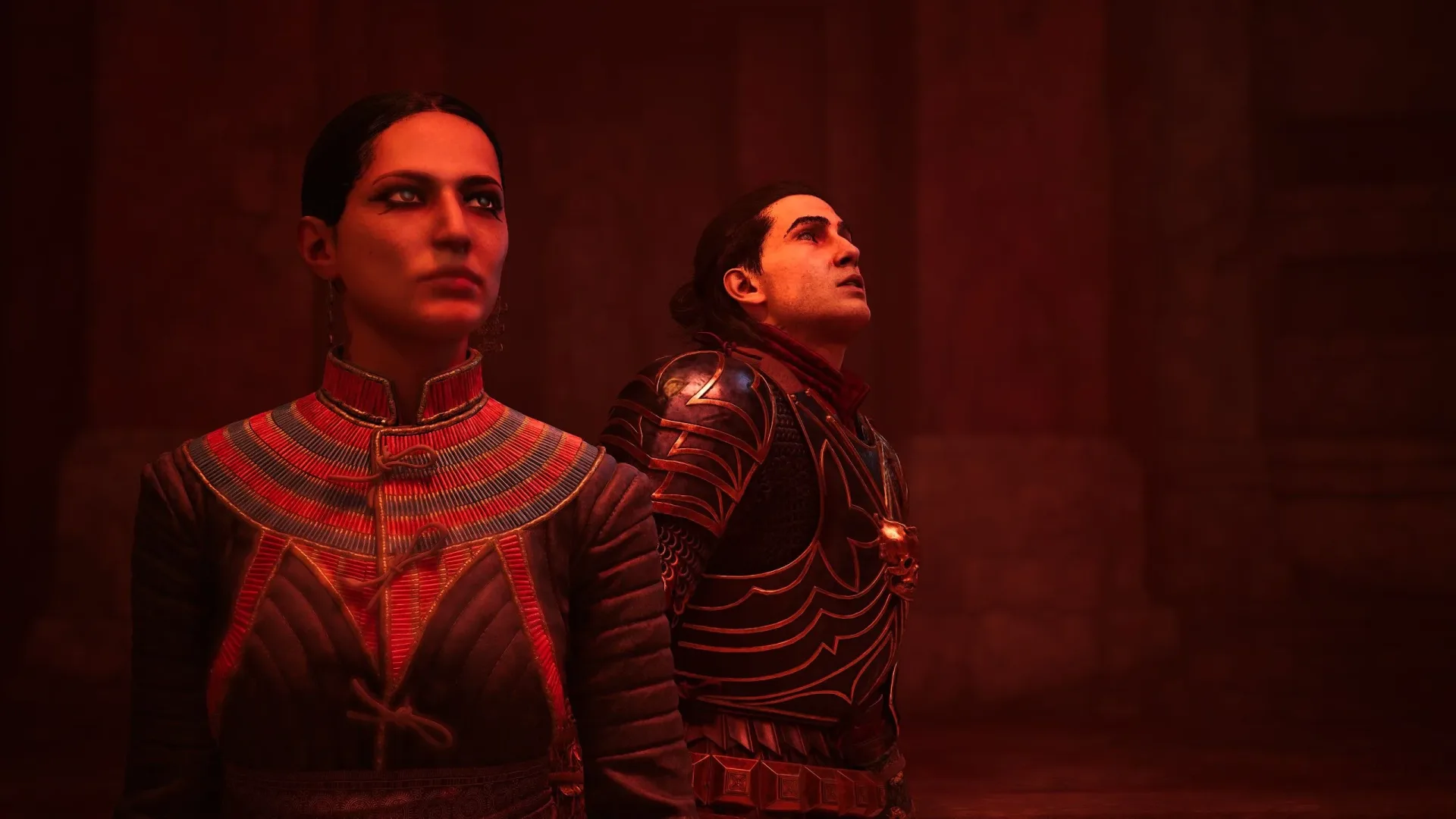
Warning: this discussion contains major ending spoilers for The Blood of Dawnwalker.
The Blood of Dawnwalker gives Coen’s immediate struggle a measure of closure, but it is not an ending built to make its world feel finished. The aftermath of Greifberg Castle leaves a family altered, several companions’ futures dependent on player decisions, and a fresh set of supernatural institutions hovering just beyond explanation. That makes a prospective follow-up less a matter of simply escalating the danger and more a question of which unresolved thread can carry the story forward without flattening the choices that made Coen’s first journey personal.
There is no need to treat every dangling detail as a promise of a sequel. The game is described as the opening entry in a potential saga, and some mysteries may be deliberately left as texture rather than mapped-out plot points. Still, its ending supplies unusually direct material for another chapter: a new problem for Lunka, an apparent invitation from an Arbiter, and a wider framework for what a Dawnwalker can be. Those are not merely lore scraps tucked into bookshelves; they could reshape the stakes, setting and structure of any continuation.
The Council of Augurs may be the clearest path beyond Vale Sangora
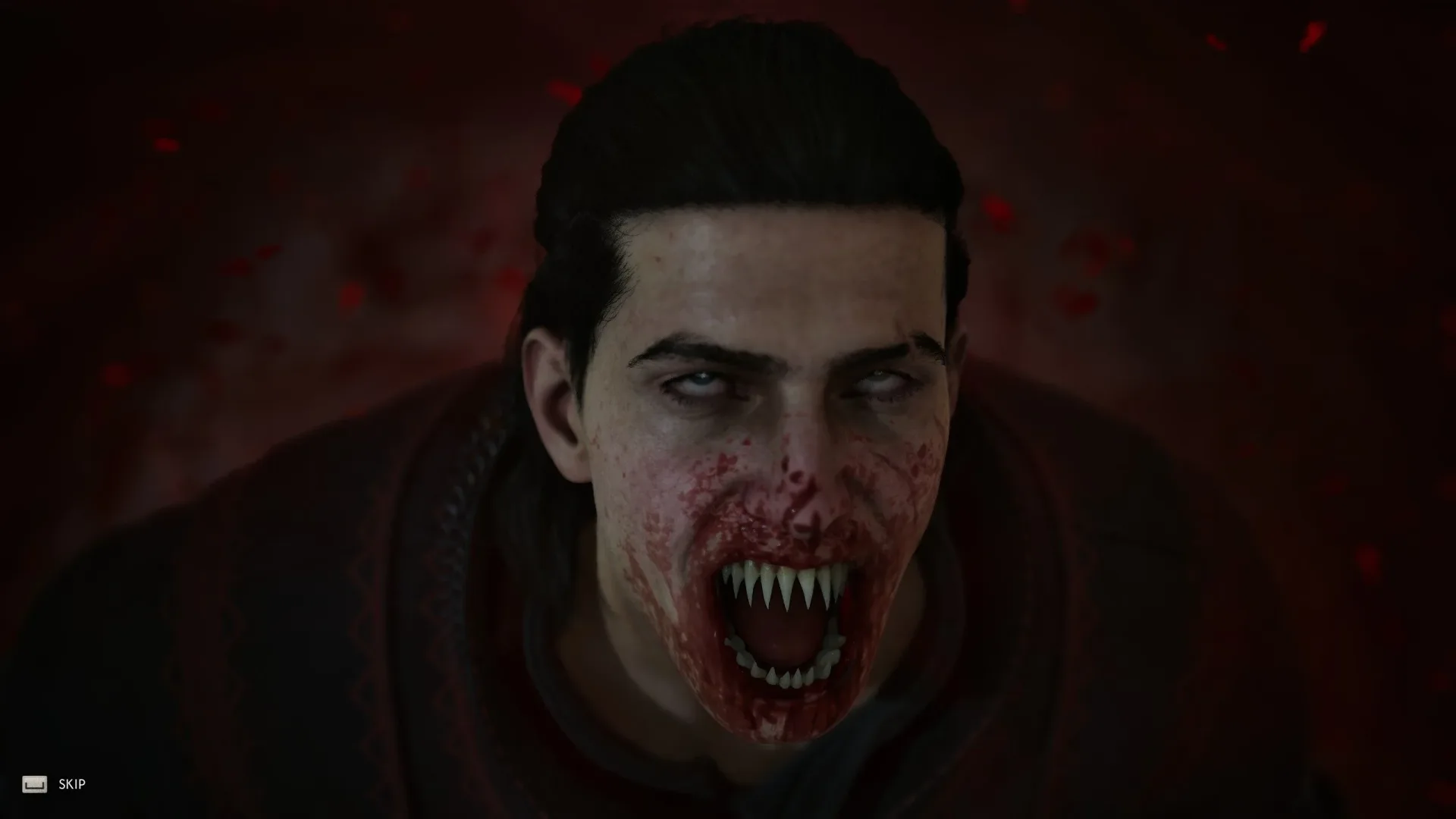
The most immediate mystery arrives around Lunka. Coen’s family survives the central ordeal, but Lunka is left a feral half-vampire after Brencis makes her transformation his final cruelty. Anca has prepared a potion that may help, yet the uncertainty surrounding it matters. A cure that might work is not the same as a settled solution, especially when the epilogue introduces another option with much heavier implications.
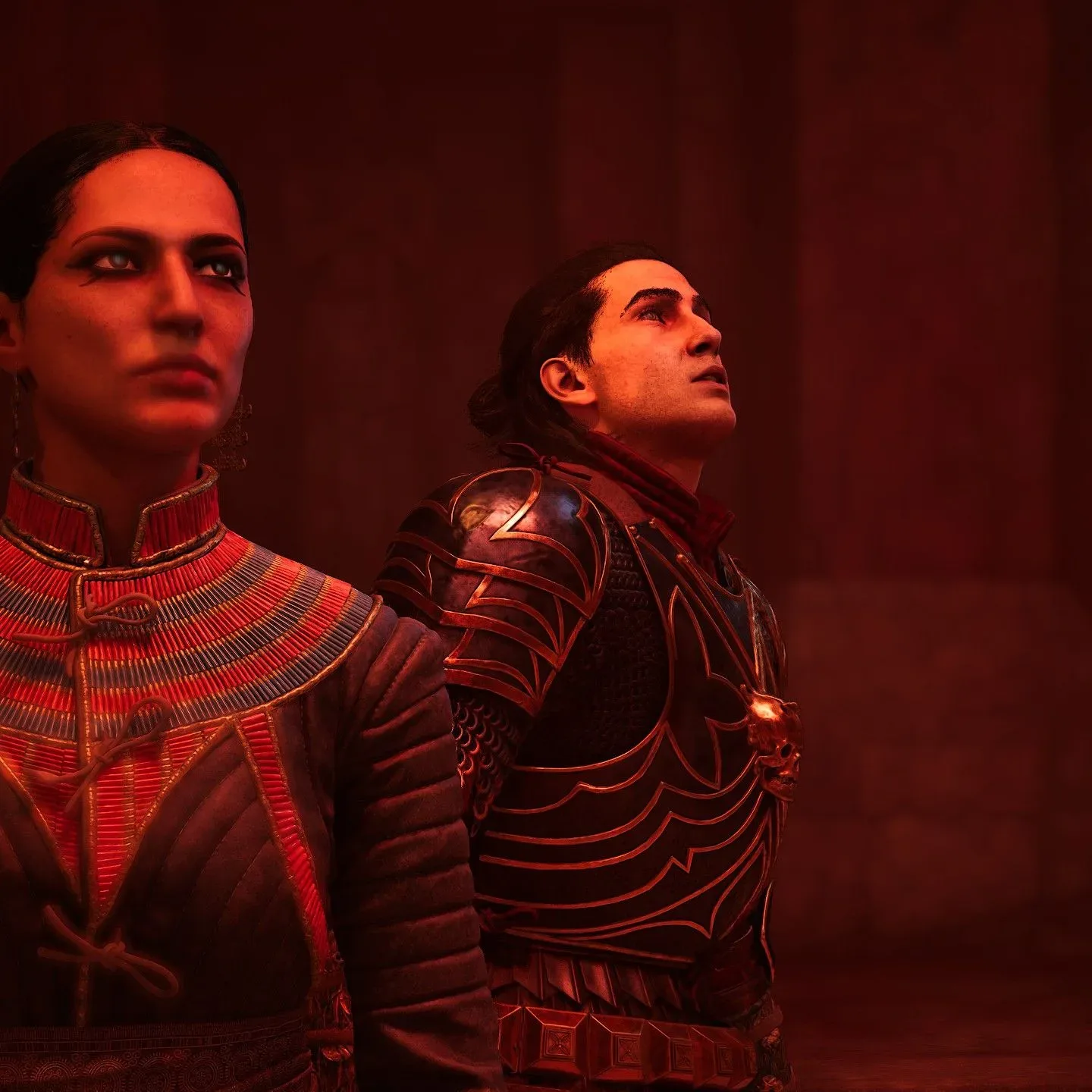
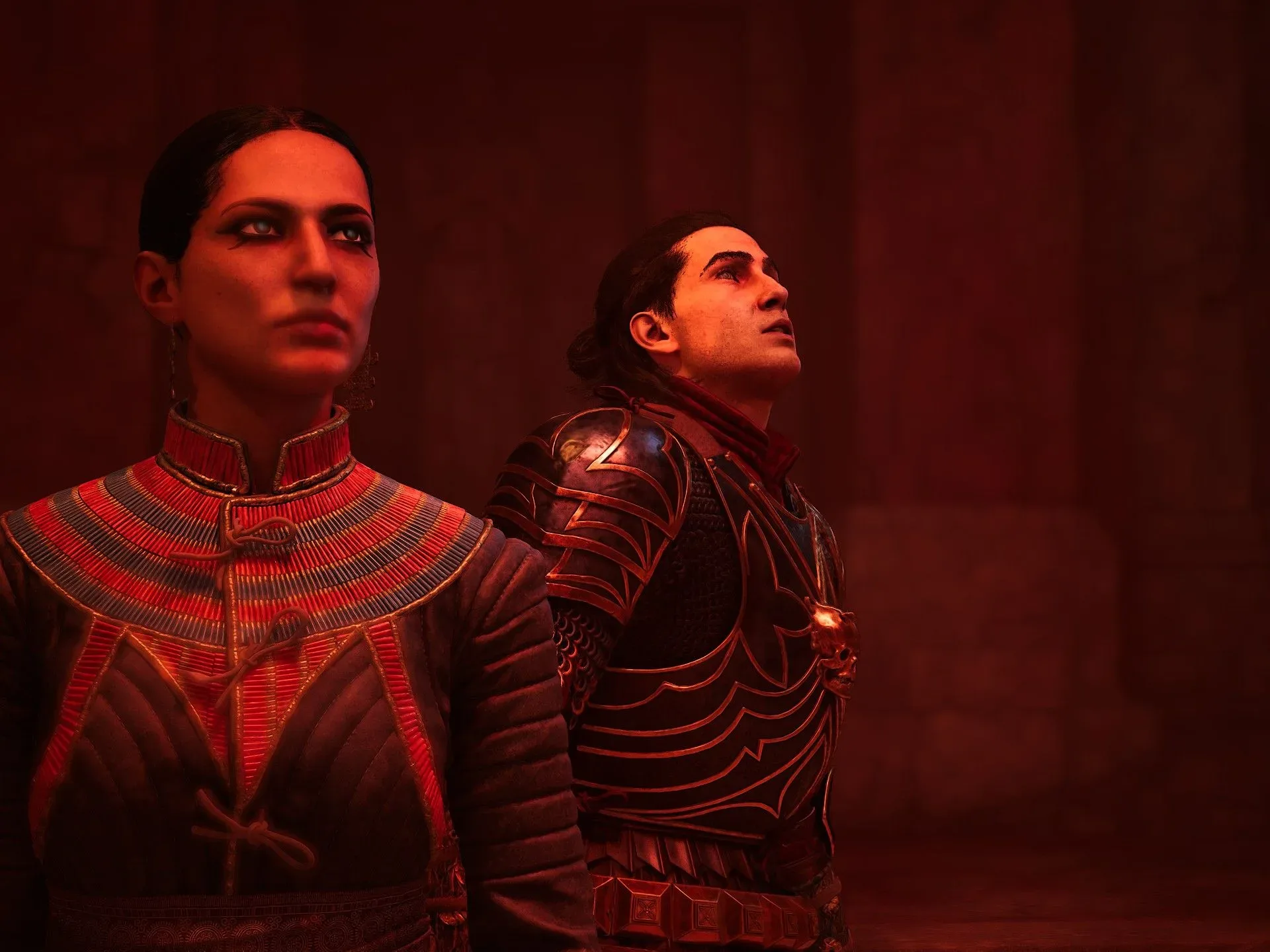
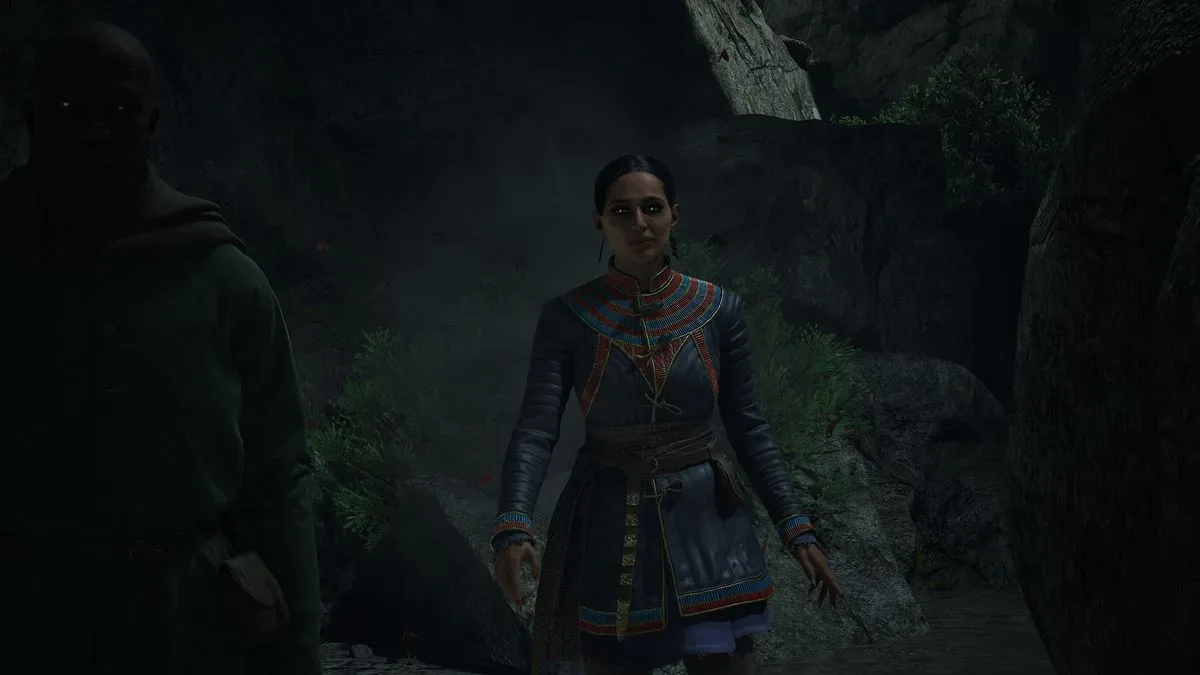
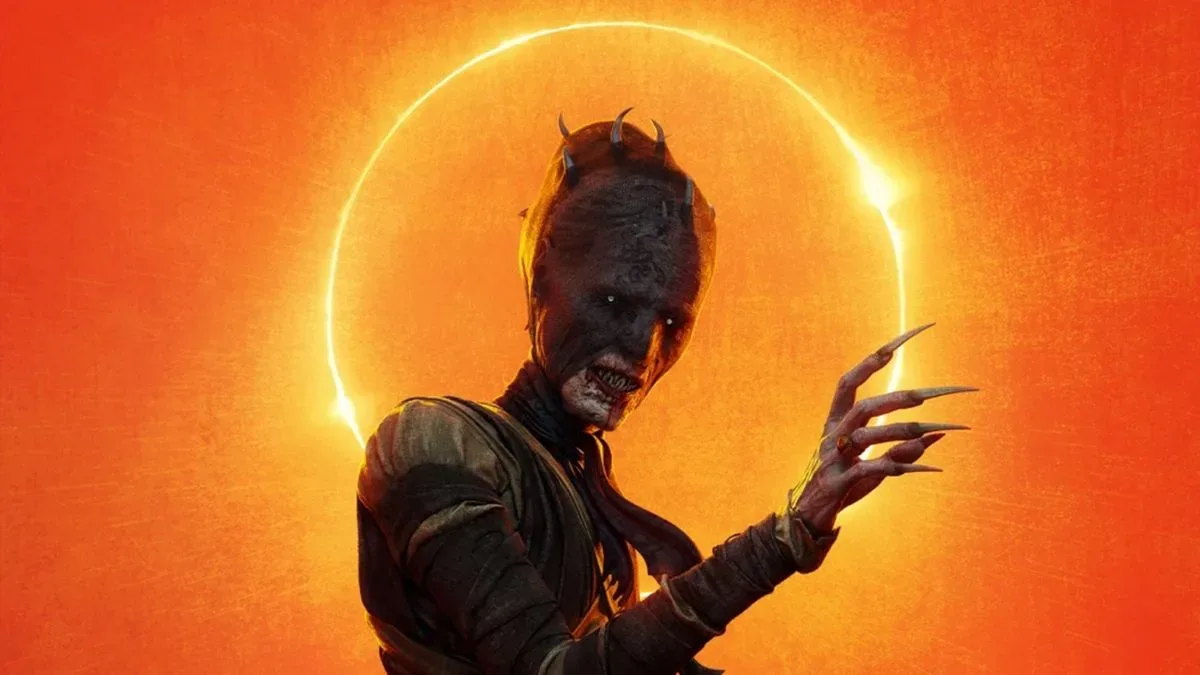
A hooded man identifies himself as an Arbiter: another Dawnwalker acting on behalf of the Council of Augurs. He tells Coen that making Lunka a full vrakhir is the only cure, and he wants Coen to go with him. Lacra also appears to have a connection to this organization. In a narrative sense, that is an exceptionally efficient launch point. It gives Coen a reason to leave the area, puts a loved one’s future at risk, and expands the story from Brencis’ local rule to an unexplained group with its own knowledge and agenda.
What the terms mean: the available story details distinguish a Dawnwalker from a vrakhir. Coen is a Dawnwalker, and the game indicates that Dawnwalkers age more slowly than ordinary mortals but do not share the eternal lifespan of a full vrakhir. A vrakhir, then, is not just a broad nickname for any vampiric character; it describes a more complete, long-lived condition. That distinction is central to the choice offered for Lunka. Turning her into a “proper” vrakhir may save her from being feral, but it potentially changes the nature of her life forever.
The Council and its Arbiter could offer the next game a political dimension as well as a supernatural one. The crucial unanswered question is whether their intervention is compassionate, opportunistic, or both. They appear to know enough to pronounce on Lunka’s condition and to seek Coen specifically. Yet the game, based on the details available here, does not establish who appointed them, what authority they possess, or why Lacra may be involved. A sequel would not need to reveal every answer immediately. It would need to make the Council’s interest in Coen feel consequential rather than simply convenient.
Lunka’s fate could test the meaning of player agency
Lunka is more than an epilogue complication. Her condition has the potential to turn a family rescue story into a question about consent, identity and survival. The Arbiter’s assertion that full transformation is the only cure creates a hard premise: the solution is not a return to normal, but a permanent crossing into a different state of being.
Related coverage includes The Blood of Dawnwalker Has Six Big Questions a Sequel Needs to Answer.
A strong continuation could let the player interrogate that premise instead of accepting it at face value. Is the Arbiter correct? Does Anca’s uncertain potion offer a real alternative? Is there a cost that Coen is not being told? The first game’s ending already establishes uncertainty around the available remedies, so the sequel would have room to make investigation—not simply travel—the engine of its opening conflict.
Practically, Lunka also gives the story a durable emotional anchor. Coen’s original deadline is tied to saving his family before Brencis’ coronation. Once that specific crisis is resolved, a sequel needs a different motivation that still feels intimate. Lunka’s future can provide that without simply replaying the same rescue scenario. It is a more complicated problem because the apparent cure itself carries frightening consequences.
The Laslea family history still has work to do
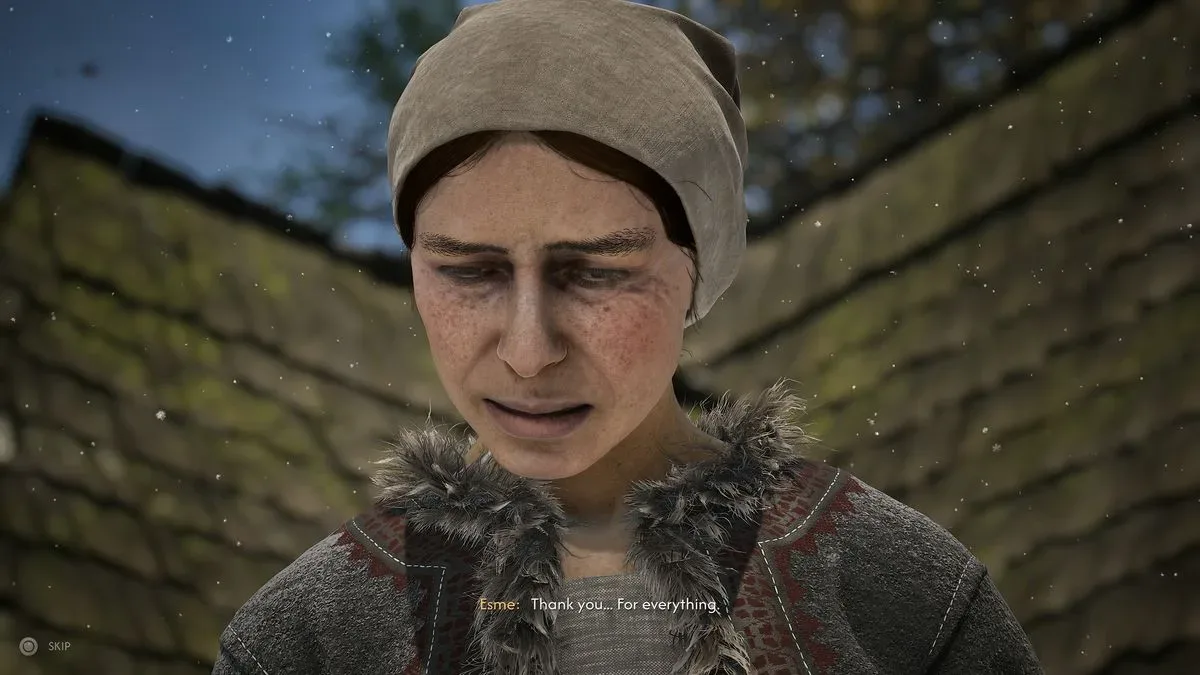
Coen’s mother Esme experienced a severe trauma and a break from reality before the events of the game. The death of Coen’s younger brother Alin and Pieter’s past as a travelling mercenary are established pieces of the family’s painful history, but they do not appear to explain everything. That gap is important because family backstory can become empty mystery-box material if it exists only to make a protagonist seem secretly special. Here, it is potentially more grounded: the unanswered history may clarify the damage that shaped the people Coen is trying to protect.
The useful question for a later installment is not just “what happened to Esme?” It is why the answer matters now. Lunka’s transformation gives that history new relevance. As she grows up with an altered nature, she may seek answers about Alin, Esme and Pieter that Coen never had to confront fully. That would let a continuation keep the Laslea clan in focus even if the older family members do not take a major on-screen role.
There is also a tonal benefit. The game’s grand supernatural mythology is at its most effective when it presses against ordinary grief, fear and obligation. The family material can prevent a Council of Augurs plot from becoming only an encyclopedia of ancient groups and magical classifications.
“The Blood of Dawnwalker” may be a clue, not just awkward wording
The title invites a surprisingly useful lore question. If Coen is a Dawnwalker, “Blood of the Dawnwalker” might seem like the more direct phrasing. But the story suggests he is not the first of his kind. During The Monk and the Saint, Coen goes beneath Svartrau Cathedral seeking the Sword of St. Mihai and confronts the saint’s decaying body. St. Mihai was a Dawnwalker too.
That fact changes the implication of the title. “Dawnwalker” may identify a category, an older lineage, or perhaps a singular figure whose blood matters to the wider mythology. The material does not resolve which possibility is correct, and it would be a mistake to state that a primordial original definitely exists. But the ambiguity is worth preserving because it makes Coen’s condition feel inherited, historical and potentially contested.
Analysis: the most productive direction would be to explore Dawnwalker history through stakes rather than a simple lore lecture. The Council’s knowledge, St. Mihai’s legacy, and Coen’s unusual place between mortal and vrakhir life already offer several routes. If another Dawnwalker survives somewhere, that figure could challenge what Coen believes he is. If none does, artifacts and institutions may still tell the story of a group that has repeatedly been controlled, revered or exploited.
The 30-day timer should not return by habit
The first game’s 30-day timer counts down to Brencis’ coronation, the point at which Coen’s family faces a grisly end if he fails. It is a structural device as much as a narrative one: time has value, choices have opportunity costs, and urgency remains visible even while players explore. The developer has indicated that the timer does not necessarily have to return in a sequel.
That caveat is sensible. A time limit is not inherently a franchise feature; it works when the plot supplies a deadline worthy of it. Reusing a 30-day countdown solely because it is recognizable could turn a story-specific pressure into a ritual. Worse, it could force another emergency into a narrative that might be better served by investigation, travel or shifting alliances.
At the same time, removing the system entirely would change how players read the world. A timer is a form of friction: a design constraint that prevents players from treating every quest as equally urgent and endlessly postponable. In this case, the clock makes the player weigh personal priorities against the finite approach of coronation day. The friction is contentious precisely because it asks players to give something up.
A future game does not need an identical calendar to retain that quality. It could build pressure around a different resource, a changing relationship, competing obligations, or a condition linked to Lunka’s state. The key would be to make the constraint legible and story-driven. The mechanics should communicate why Coen cannot simply solve every problem at leisure.
Coen’s mind could become the sequel’s most crowded setting
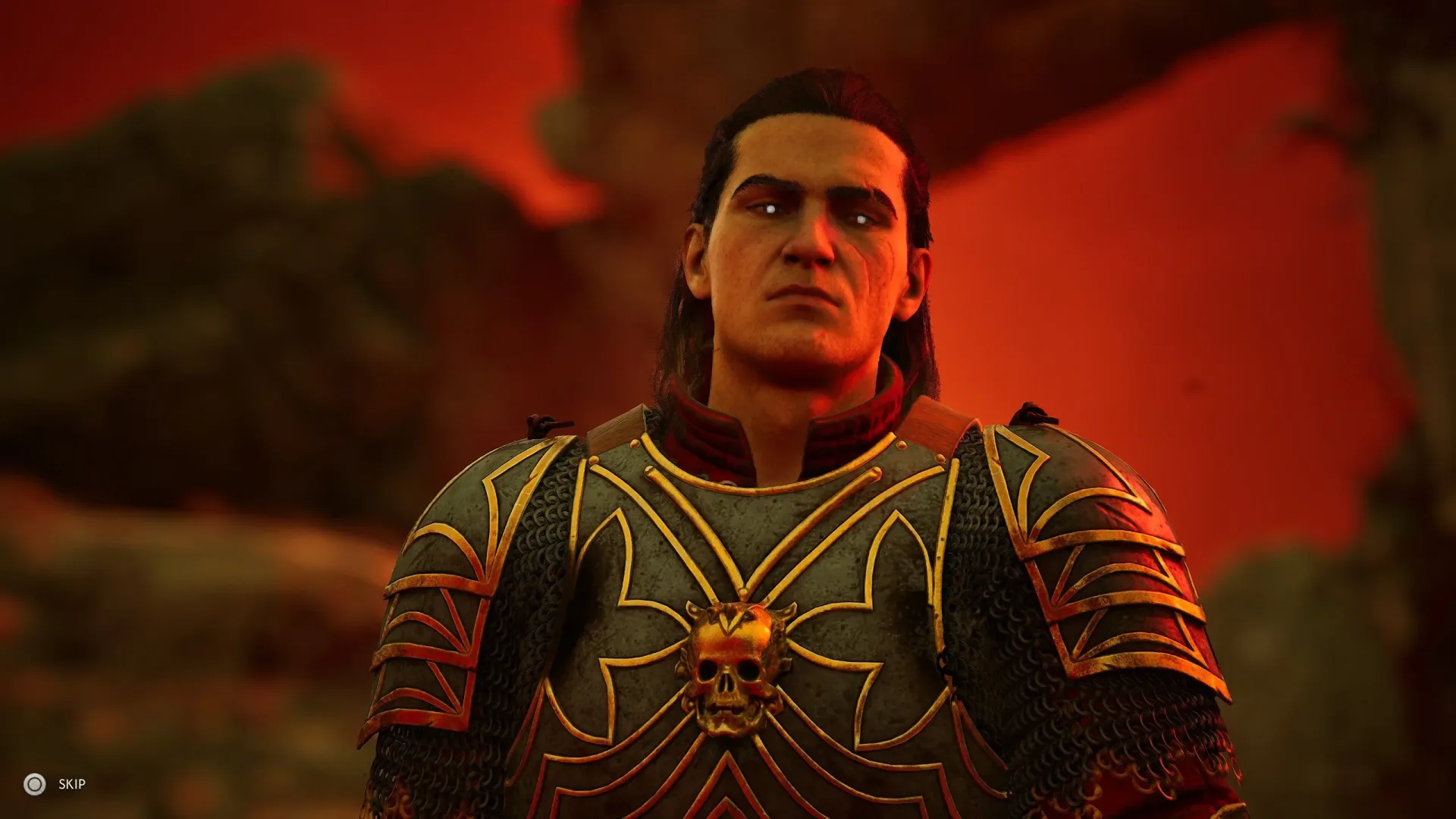
One of the first game’s most unusual moral choices concerns defeated members of Brencis’ court. Coen can invite a slain vrakhir into his mind, saving that character from Anachora, or leave them to the nothingness that destroys them. Anachora is described in terms that make the choice feel like a supernatural afterlife horror rather than a routine defeat state.
For players who extended that invitation to everyone—including Brencis and Isbrand—the epilogue already provides a taste of the consequences. The voices comment on Coen’s life, with Brencis needling him over his shyness about visiting Anca. That is amusing, but it raises a serious continuity challenge. If those characters are truly retained in Coen’s consciousness, a later game cannot ignore them without weakening the apparent weight of the decision.
The appealing solution is not necessarily to make every saved vrakhir a constant companion. That could make the story noisy and unwieldy. But the choice could influence particular scenes, uncover alternative knowledge, or complicate decisions where a former enemy’s insight comes with manipulation. Brencis, especially, should not become harmless comic background chatter merely because he is no longer physically in control.
This is also where a sequel’s branching narrative may face its biggest technical storytelling problem. Different players will have different minds inside Coen’s mind. The game can acknowledge that variation with targeted dialogue and limited scenes, rather than trying to build a completely separate campaign for every possible collection of voices. Respecting the decision matters more than giving every individual outcome equal screen time.
Romances and companions need a future beyond an epilogue roll call
Lacra, Vicho and Crake are among the people whose post-castle outcomes can vary with the player’s actions. The epilogue explains what became of characters Coen encountered after the assault on Greifberg Castle, which naturally invites concern that these relationships have already been put away as past tense. A flash-forward to Coen in the modern day adds another layer of uncertainty about how far any future installment might jump.
That does not have to mean a clean break. Epilogues often provide a snapshot of the years after a climax, not an iron gate barring every character from later relevance. If the story continues across a larger span, returning companions could appear at a different stage of their lives, while romance paths might remain meaningful through memory, correspondence, reunion or consequence rather than a simplistic “relationship imported” checkbox.
Vicho is especially illustrative of the opportunity and difficulty. His survival is conditional, and any deeper bond with Coen has to account for players who made different choices. The fairest approach is to let a prior romance add texture where it exists without making it mandatory to understand the next story. That preserves both continuity and accessibility.
For readers following other dark, character-led RPG developments, the recent casting news for Valor Mortis is another reminder that a game’s ensemble can be as important to its identity as its combat systems. The Blood of Dawnwalker has the additional complication of an ensemble shaped by life-or-death choices. That is a burden for any possible sequel, but also one of its strongest narrative advantages.
Ultimately, the most compelling unresolved issue is not whether every mystery receives a tidy answer. It is whether another chapter can make Coen’s existing decisions—whom he saved, trusted, loved, carried and possibly transformed—feel like the foundation of the next crisis. The Council of Augurs, Lunka’s fate, the history of Dawnwalkers and the voices in Coen’s head all suggest a larger story. The challenge is making that larger story remain recognizably his.