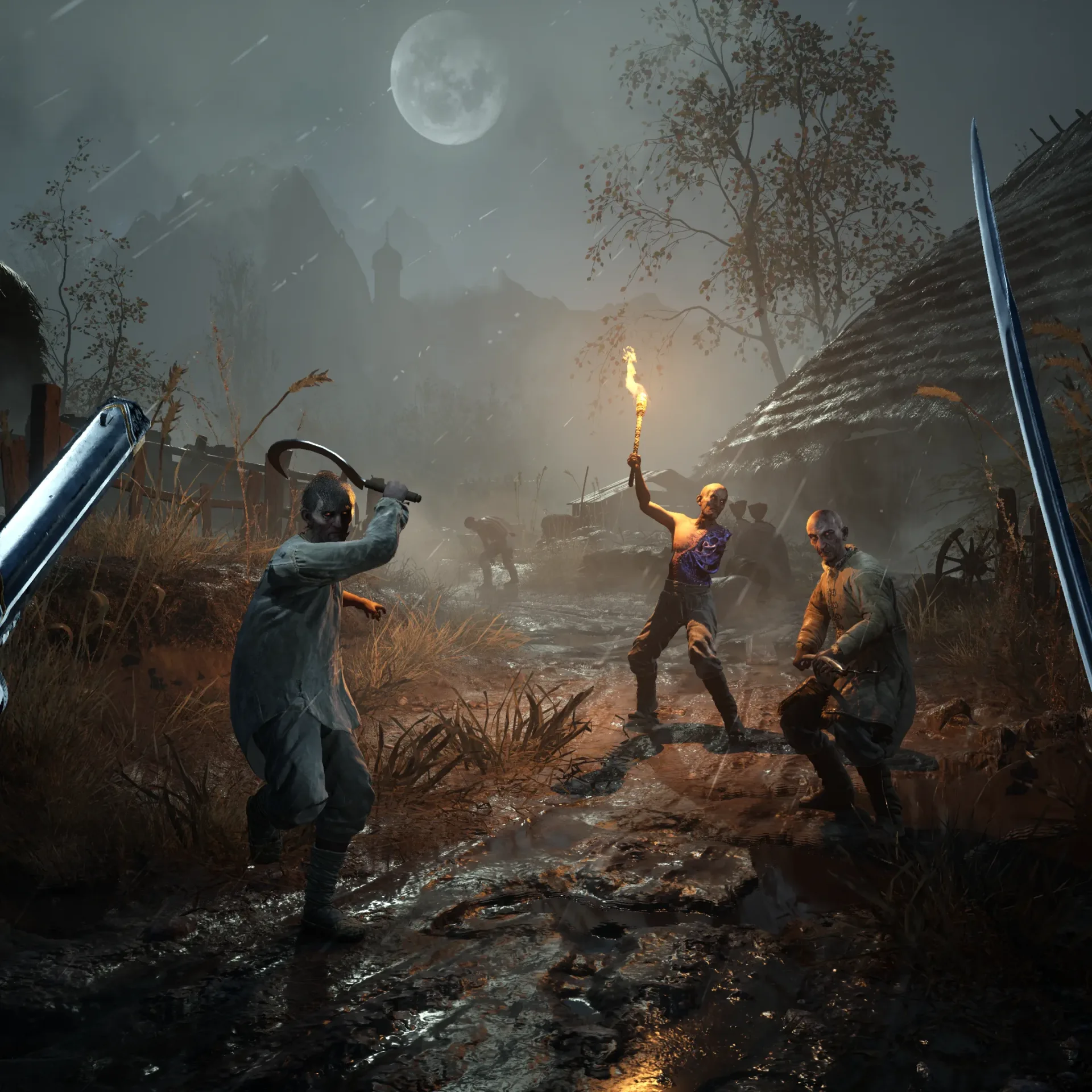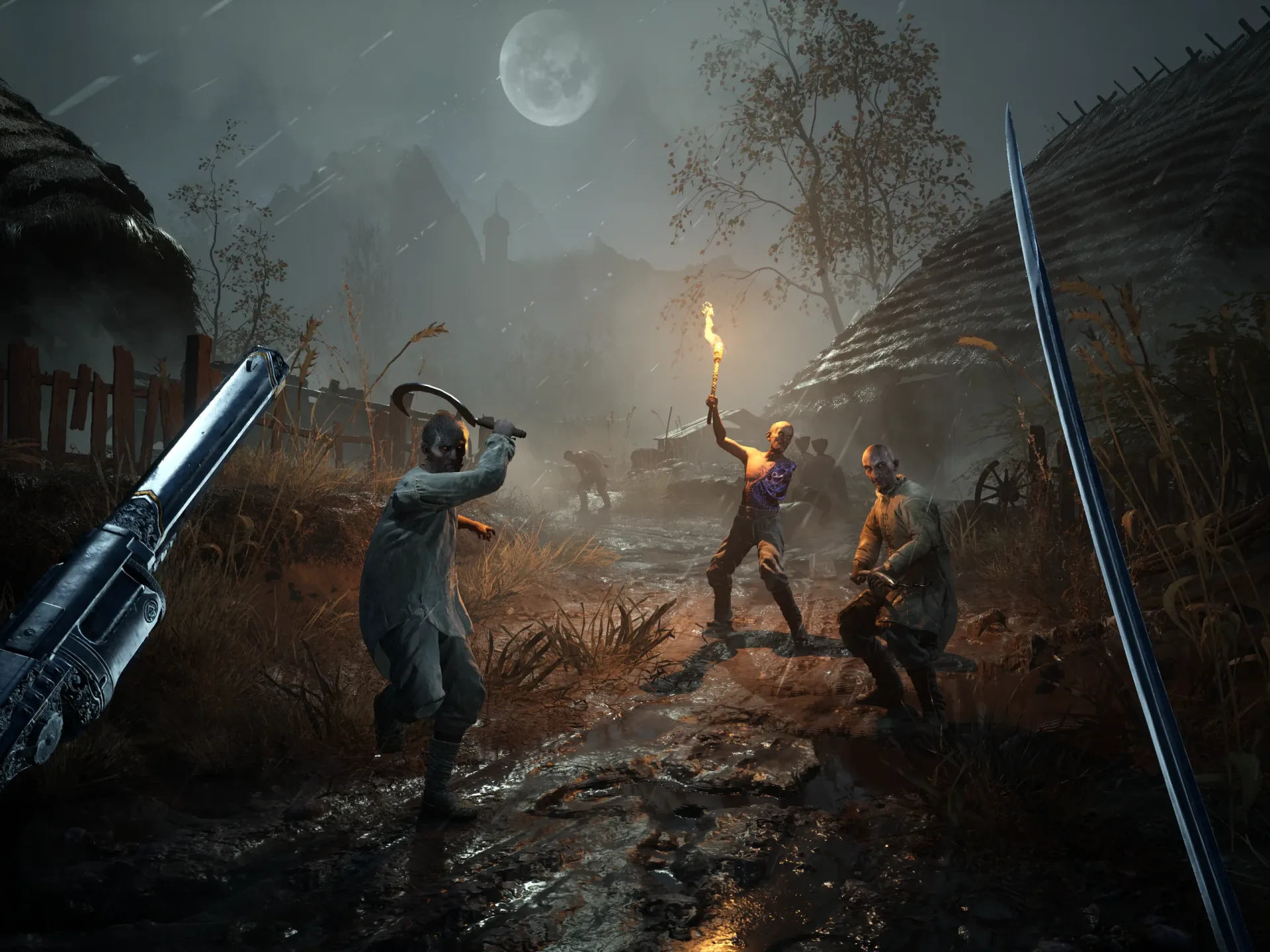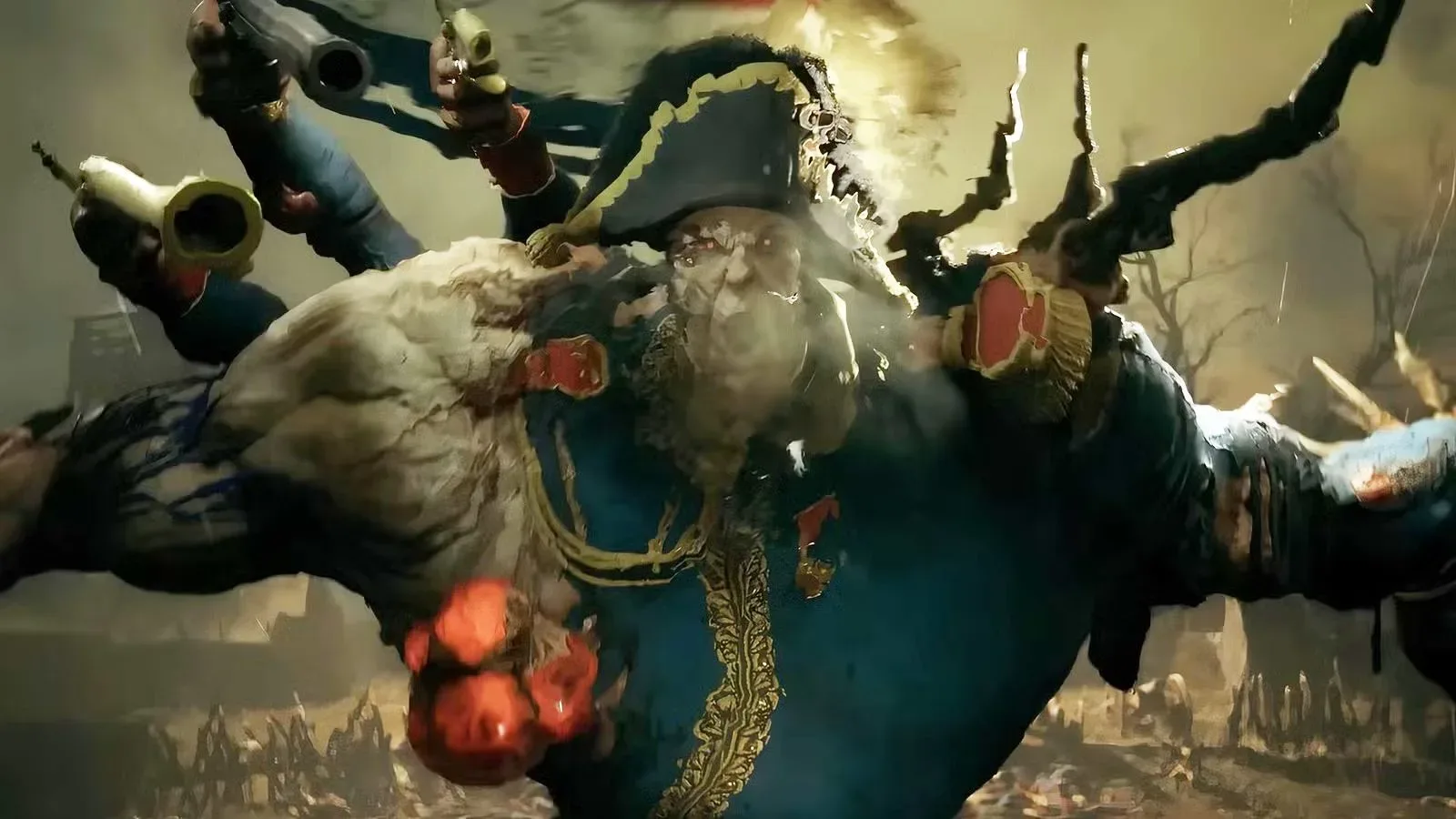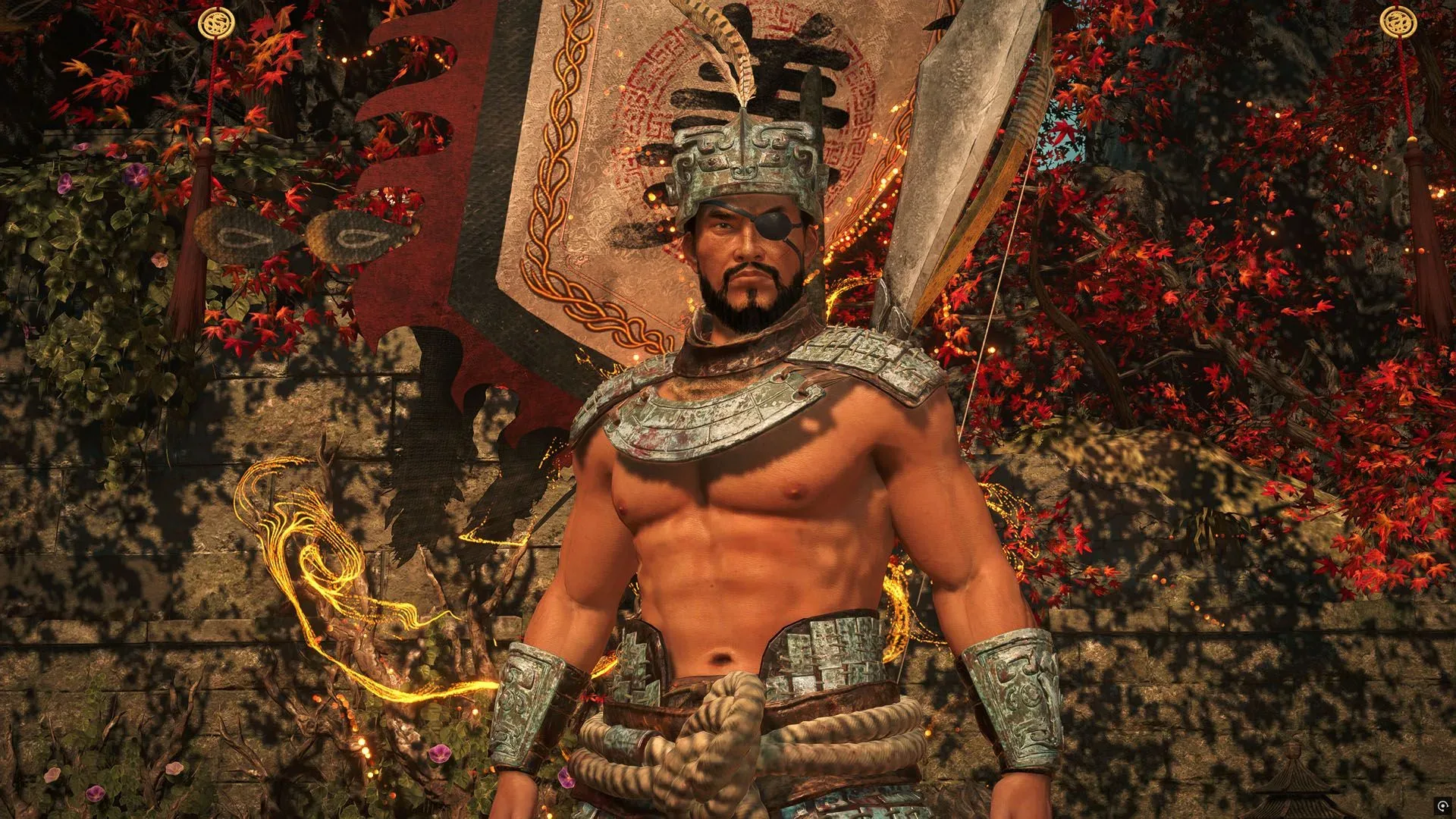
One More Level has expanded the announced cast for Valor Mortis, placing Jennifer English in a prominent role in the studio’s upcoming first-person Soulslike. English will play a character called The Shrike, joining James Alexander as protagonist William Dowsett and Vincent Cassel as Napoleon Bonaparte.
The casting news gives the game a clearer dramatic centre ahead of its planned October 13 launch. One More Level is positioning Valor Mortis at a $40 price point, and the release date follows a delay that moved the game to mid-October before its release date had been formally announced.
Three named roles, and a strong set of genre connections
English is widely associated with major fantasy RPG performances, including Baldur’s Gate 3 and Clair Obscur: Expedition 33. Alexander’s credits include Dragon’s Dogma 2 and Baldur’s Gate 3. Cassel, meanwhile, takes the role of Napoleon after a screen career that includes La Haine, the Ocean’s films and a voice role in Shrek.
That lineup does not reveal the full shape of Valor Mortis’ narrative, but it does establish the identities around which its story is likely to turn: Dowsett as the player-character, Napoleon as a central historical figure, and The Shrike as a significant named presence. For a game selling a dark, hostile action premise, recognizable performers can make the difference between a setting that feels merely stylish and one that has characters players want to follow through its toughest encounters.
There is understandable enthusiasm around English’s involvement, especially because of the awards attention received by projects in which she has appeared. But the “good-luck charm” label is best treated as fandom shorthand, not a prediction. Game of the Year recognition reflects the work of entire teams—developers, writers, artists, audio specialists, publishers and performers—not a transferable property attached to one cast member. English’s casting is meaningful because of her body of work, rather than because it can guarantee an awards result for Valor Mortis.
What “first-person Soulslike” means here
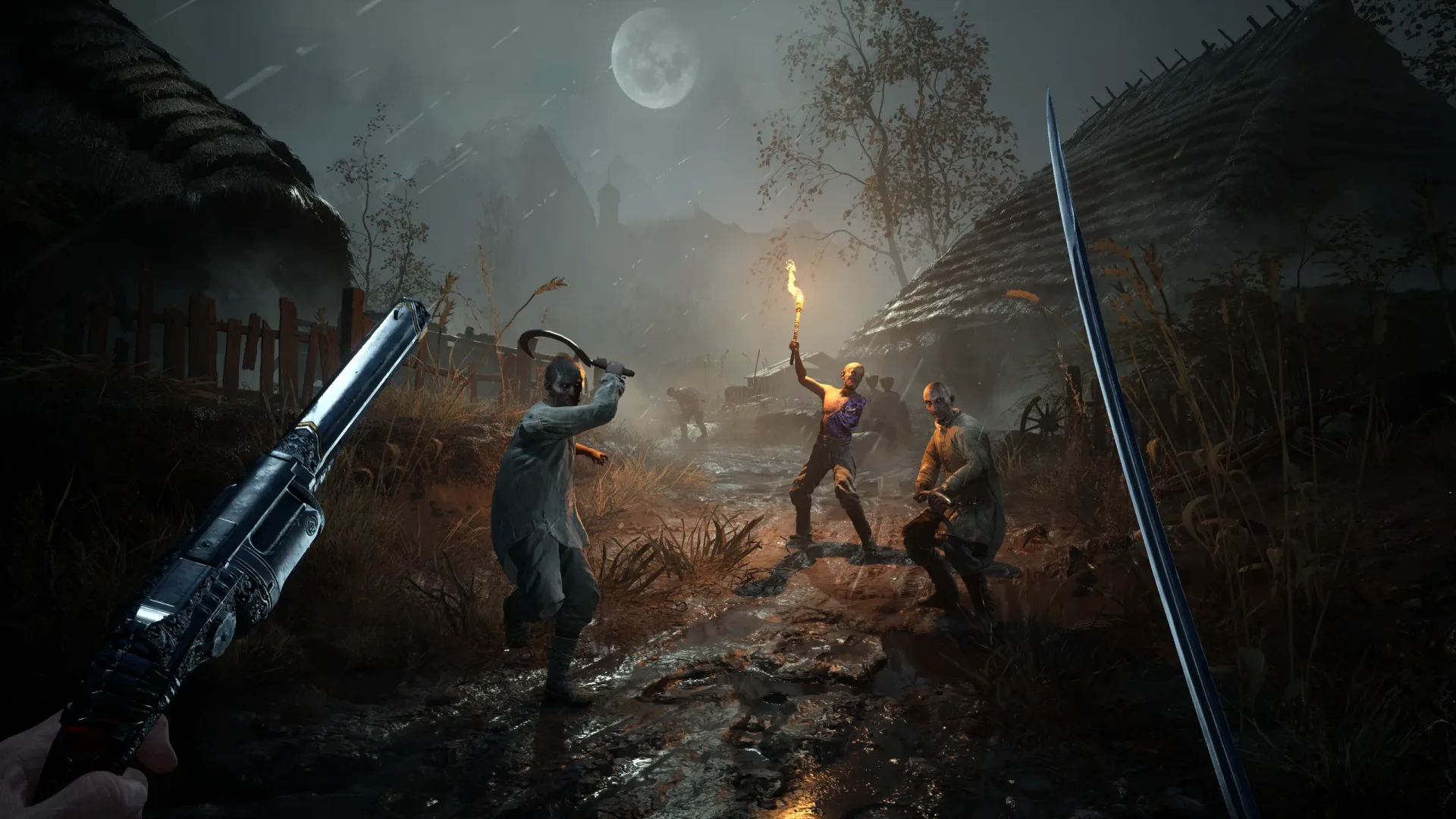
Soulslike is a broad description generally used for action games built around demanding combat, close attention to enemy behavior and the expectation that failure is part of learning. The term does not identify a single mechanic or promise that every game uses the same progression structure. It communicates a design intention: encounters are meant to require timing, observation and persistence rather than simply overwhelming opponents.
First-person is the other important half of Valor Mortis’ pitch. Instead of watching a character from behind or above, players act through the character’s viewpoint. That perspective changes the feel of high-pressure action. Distance, incoming attacks and environmental awareness are read from the player’s immediate field of vision, while the character performance has to carry more of its weight through voice, writing and the reactions of characters encountered along the way.
One More Level is already known for Ghostrunner, another first-person action series. That makes Valor Mortis a notable next project for the studio: it keeps the first-person perspective but frames the new game specifically as a Soulslike. The available details do not establish exactly how closely it will resemble any particular game in that genre, so players should be cautious about assuming a specific combat system, checkpoint structure or difficulty model from the label alone.
Related coverage includes Jennifer English Joins Valor Mortis as One More Level Expands Its First-Person Soulslike Cast.
A release date with room for a smaller-priced game
Valor Mortis is scheduled for October 13 at $40, a price that places it below the standard premium pricing associated with many of the industry’s biggest releases. That choice aligns with the conversation around the game’s place in the so-called AA space.
AA is commonly used to describe productions that sit between very small independent games and the largest blockbuster releases. It is not a formal production category with a fixed budget or team-size threshold. In practical terms, it usually signals a game that aims for a substantial, polished experience without attempting to match the financial scale, marketing reach or feature breadth of the very largest publishers’ projects.
Valor Mortis’ director has argued that the industry needs more successes comparable to Clair Obscur: Expedition 33 before publishers cease treating smaller productions as major financial risks. The point is less about asking every game to become a breakout hit and more about the commercial confidence created when mid-scale games demonstrate that a focused premise can find an audience.
That is an especially relevant framing for a new action property. A first-person Soulslike must give players a compelling reason to spend time mastering its demands, while a $40 price can make a contained, concentrated proposition easier to assess than a project trying to compete feature-for-feature with an enormous open-world release. It also puts extra pressure on a game’s identity: the combat premise, setting and cast need to communicate quickly why this particular challenge is worth taking on.
The wider business conversation around platform strategy remains active as well, including questions over how and when games move between console and PC audiences. Recent discussion of an exclusivity-first PC strategy illustrates how distribution decisions can shape the path games take to their audiences. Valor Mortis’ announced details here focus on its date, price and talent rather than platform specifics, so its eventual release footprint remains a separate question.
What the cast announcement can—and cannot—tell players
Cast news is not a substitute for gameplay information, and it cannot answer the practical questions prospective players may have about Valor Mortis’ systems. There is no need to infer campaign length, the number of playable characters, multiplayer support, technical performance or platform availability from the actors’ names. None of those details are established by this announcement.
What it does offer is a more legible first look at the game’s character structure. Alexander’s William Dowsett has the clearest claim to being the player’s narrative anchor. Cassel’s Napoleon brings an immediately recognizable historical name into the fiction, while English’s The Shrike is an evocative title that suggests an antagonist, ally or otherwise influential figure—but the role’s exact allegiance and function have not been detailed.
That restraint matters. Casting announcements work best as an invitation to pay attention, not as a reason to fill narrative gaps with assumptions. English, Alexander and Cassel each bring recognizable experience to the project; the more important question is how One More Level uses those performances within the rhythms of a first-person action game.
Why Jennifer English is a fitting addition to watch
English’s recent association with acclaimed role-playing games makes her an intuitive fit for a dark fantasy-leaning action project. Voice performances are particularly important in a first-person game because the player may not constantly see the protagonist’s face or body language. Memorable supporting characters can define the emotional texture of a hostile world, establish stakes between battles and make story beats land without interrupting the player’s sense of immersion.
There is also a useful contrast in the announced cast. Cassel’s Napoleon arrives with historical and cinematic associations, while Dowsett and The Shrike are fictional game-specific roles. That mix can help a new property balance immediate recognizability with mystery. Napoleon tells audiences that Valor Mortis is willing to invoke a well-known figure; Dowsett and The Shrike leave room for the game to establish its own mythology.
For now, the most concrete takeaway is straightforward: Valor Mortis has a defined leading trio and a scheduled October 13 release at $40. Its cast has raised the profile of a project already notable for taking One More Level’s first-person action pedigree into Soulslike territory. Whether that combination produces a standout will depend on the game itself, but the names now attached to its world make it easier to watch for what comes next.