PlayStation’s PC strategy may be entering another transition. Shuhei Yoshida, the former president of Sony Interactive Entertainment Worldwide Studios, has suggested that the company could be moving back toward an older console-first view of exclusivity after several years in which selected first-party releases expanded to PC.
The immediate context is a report that PlayStation studio business group CEO Hermen Hulst told staff that new narrative-driven single-player titles would be PlayStation console exclusives. Saros and Ghost of Yotei were cited as examples. That reported direction would mark a sharper distinction between Sony’s single-player output and its approach to certain online games, some of which have launched on PC at the same time as PlayStation.
Yoshida was careful not to present his reading as inside knowledge. He no longer works at the company, and the reported policy itself has not been detailed publicly here. But his comments offer a useful way to understand the strategic tension behind a decision that can otherwise look contradictory: why would a company make games available on PC in some circumstances, but keep others attached to its own console?
Two goals that do not always line up
The key distinction Yoshida draws is between the first-party business and the platform business.
First-party, in this context, means games and intellectual property owned or published by PlayStation. The objective is straightforward: sell games, build audiences for series, and potentially reach players beyond the console install base. A PC release can serve that objective by putting a PlayStation-owned game in front of people who may not own the hardware.
The platform business is broader. It concerns the value of the PlayStation console itself as a place to play. Exclusive games can be a reason for a player to choose one machine over another, or to buy into the platform in the first place. In that model, a major game is not only a product sold for its own revenue; it is also part of the argument for purchasing and remaining on the console.
Those objectives can work together, but their timing matters. A simultaneous multiplatform launch maximizes immediate reach. Console exclusivity, especially around a big new release, may make the hardware proposition more compelling. A delayed PC port sits between the two approaches: console buyers get access first, while the game can later find a second audience elsewhere.
Yoshida’s assessment is that the latter balance may be changing. “Probably, that first-party business versus platform business… now, platform business side is kind of winning the argument, I guess,” he said, while emphasizing that he did not know the company’s internal thinking for certain. His broader point was simple: platform holders have a natural incentive to retain something exclusive.
Related coverage includes Shuhei Yoshida Sees a Possible Return to PlayStation's Old Exclusivity Playbook.
How PlayStation’s PC approach has looked so far
During the PlayStation 4 generation, Yoshida said Sony did not put its AAA first-party games on PC because it considered PlayStation exclusivity important to attracting console players. In that earlier framework, limiting access was part of the platform’s identity and market appeal.
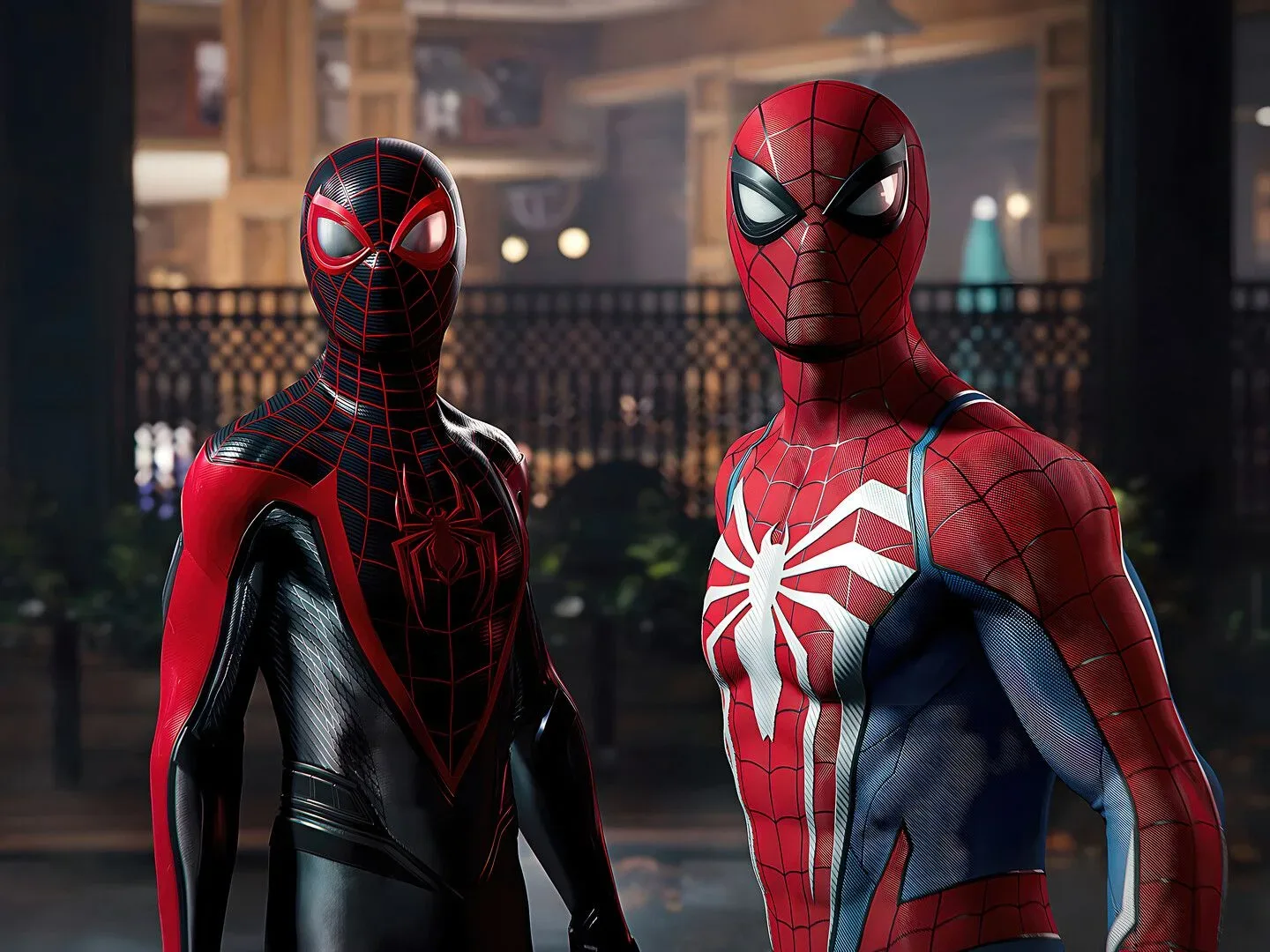
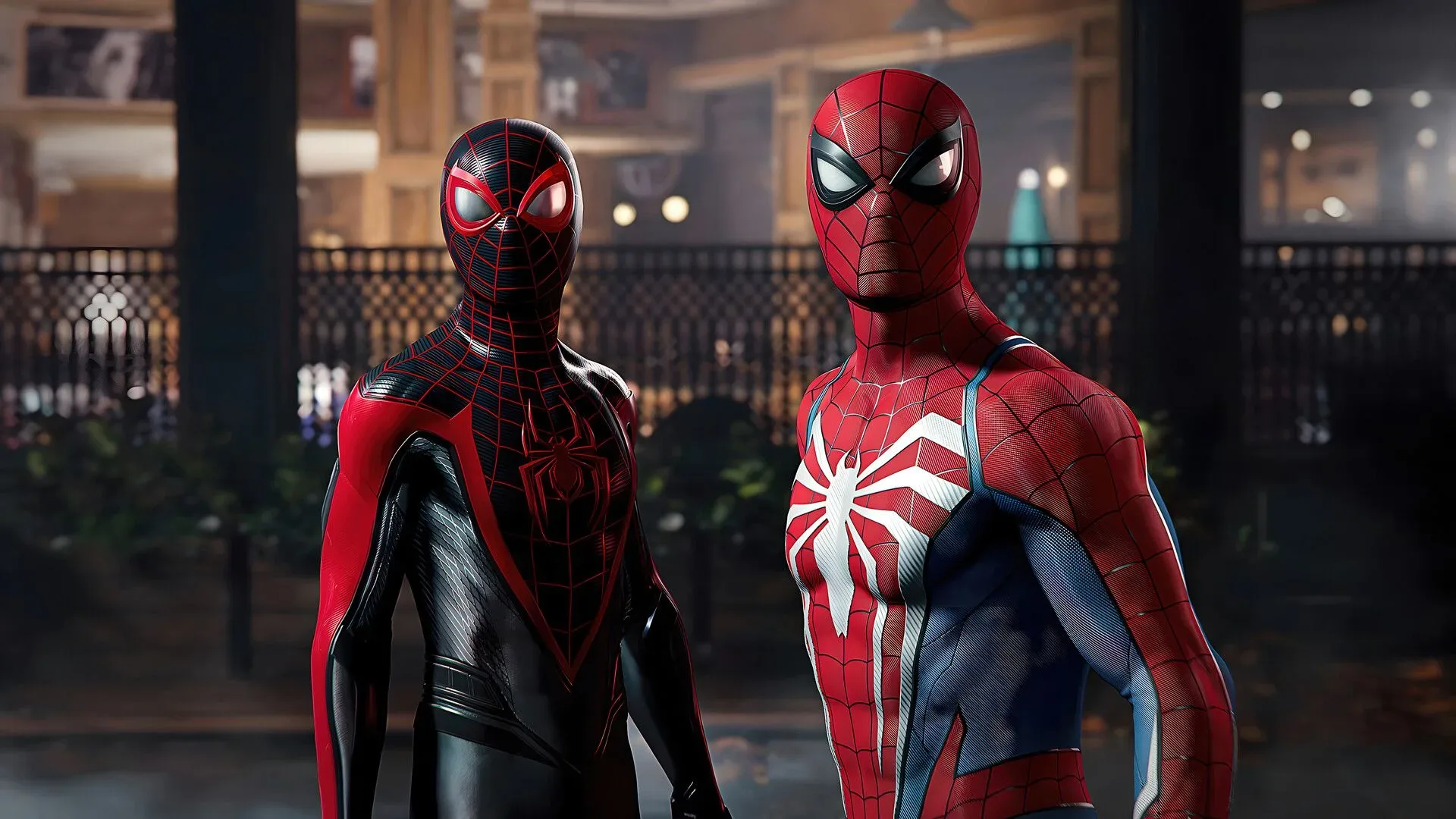
The PlayStation 5 era created a more layered picture. Online games such as Helldivers 2 arrived on PC at the same time as they did on PlayStation. By contrast, large single-player releases including Horizon Forbidden West and Marvel’s Spider-Man 2 reached PC after their initial PlayStation launches.
That difference is significant because online games and single-player games do not necessarily benefit from the same release plan. A live online game depends on an active player population. Launching across PC and console together can widen the pool of available players from day one. For games designed around multiplayer activity, that wider opening can be strategically valuable.
A single-player narrative title has a different commercial rhythm. It can be positioned as a premium reason to own the console at launch, then later reach PC players without taking away the original period of console priority. This is often called timed exclusivity: the game is exclusive to one platform for a defined period before it becomes available elsewhere. The supplied information does not establish specific windows or a uniform PlayStation policy for every game, but it does show that delayed PC releases became a recognizable pattern for major single-player releases.
Yoshida characterized that earlier PS5-era balance as an effort to serve both audiences. PlayStation users who placed a premium on playing first had an incentive to stay on console, while PC players could anticipate access later. He also described another potential benefit: a player discovering a first-party series on PC could become a fan of that intellectual property and might eventually move to PlayStation hardware.
Why a return to harder exclusivity would matter
If the reported direction is accurate and applies consistently to new narrative single-player games, the practical message for PC players is not merely “wait a while.” It could mean that access to these releases would depend on PlayStation console ownership, at least under the apparent policy described. However, neither a complete title list nor specific release commitments are established by the available information, so it would be premature to treat every future PlayStation project as permanently unavailable on PC.
For console players, a more exclusive lineup can strengthen the feeling that owning PlayStation hardware grants access to a distinct catalogue. That is the platform argument Yoshida is describing. In a market where a powerful PC can play releases from many publishers and ecosystems, a console’s own games can become a particularly clear differentiator.
For PlayStation, though, the choice is a trade-off rather than an automatic win. Releasing on PC can expand the audience for a game and for the series behind it. Holding the same game back can preserve its role as a console draw. Companies weighing those paths are deciding not only where a game can sell, but what they want that game to accomplish for their wider ecosystem.
It is also important not to flatten the issue into a simple claim that PC releases are unhelpful. Yoshida has previously described PC porting as “almost like printing money,” reflecting the appeal of bringing an existing game to another market when the conversion work is comparatively manageable. The reported pullback therefore does not suggest that PC revenue lacks value. Instead, it suggests that the perceived value of exclusivity may be carrying more weight for the relevant category of games.
“Easy to port” does not settle the strategy
Yoshida noted both that certain PlayStation 5 games have sold very well on PC and that ports are easy to make. Those observations address the execution and revenue sides of the question, but not the central strategic decision.
A port is a version of a game adapted to run on a different platform. Saying a port is easy does not mean it requires no effort; it means the obstacle may be lower than creating a wholly new game. Even so, a company can choose not to make an easy port immediately—or at all—if it believes the original version creates more value by remaining exclusive.
That is why technical feasibility and release timing should not be treated as the same question. A game can be capable of reaching PC, commercially viable on PC, and still be retained as a PlayStation-exclusive release because platform leadership prioritizes hardware differentiation. Yoshida’s “platform business” framing helps explain why a company can acknowledge all the benefits of a port while deciding that another business goal matters more.
The split between online and single-player titles also illustrates why broad labels can mislead. “PlayStation games on PC” is not necessarily one policy. The material here points to separate considerations for multiplayer games that benefit from a larger launch audience and narrative single-player games that can function as signature console releases.
What has and has not been established
There are firm examples of PlayStation’s differing PC timing: Helldivers 2 launched across PC and PlayStation together, while Horizon Forbidden West and Marvel’s Spider-Man 2 came to PC later. Yoshida has also clearly laid out his view that PlayStation appears to be returning to a more traditional focus on exclusivity.
But several points remain uncertain. Yoshida explicitly said he was not certain of Sony’s internal calculation. The suggested console-exclusive direction is based on a report about what Hulst reportedly told staff. There is no supplied confirmation of whether the approach applies to every future project, how long any exclusivity might last, or whether future policy could change again.
That uncertainty matters because release strategy has already varied by genre and title. The most defensible reading is not that PC support has ended wholesale, but that PlayStation may be drawing a firmer line around new, narrative-driven single-player games while maintaining a distinct approach for at least some online releases.
For readers following PlayStation’s next moves, that makes official game-specific information more important than assumptions based on prior ports. Past releases show that PC has been a meaningful part of PlayStation’s reach strategy; the reported direction and Yoshida’s comments suggest exclusivity may now have greater priority where major single-player games are concerned. For more current PlayStation coverage, see the latest PS Plus October 2026 games lineup.