Spoiler warning: This article discusses late-game decisions, the ending route involving Lacra, and post-credits consequences in The Blood of Dawnwalker.
It is easy to assume that an RPG path built around drinking blood, consuming forbidden supernatural ingredients and becoming as deadly as possible must end in catastrophe. The Blood of Dawnwalker, at least on one completed route through Vale Sangora, has a more interesting answer. Coen can pursue vampiric power relentlessly and still reach an ending where his family lives, his home begins rebuilding, and his youngest sister has a possible future. It is not a clean victory. It is not even unambiguously good. But it is far more humane than the route’s grim ingredients initially suggest.
That tension is the important part. The reported playthrough does not turn vampirism into a harmless cosmetic build, nor does it issue a simplistic punishment for embracing it. Instead, it links power to difficult practical decisions: whom to trust, when to commit to an ending path, which earlier characters to spare, and what social cost remains after the final enemy falls. Coen becomes extraordinarily strong, but the valley is left with problems no combat build can solve.
A hard-mode combat lesson becomes a character build
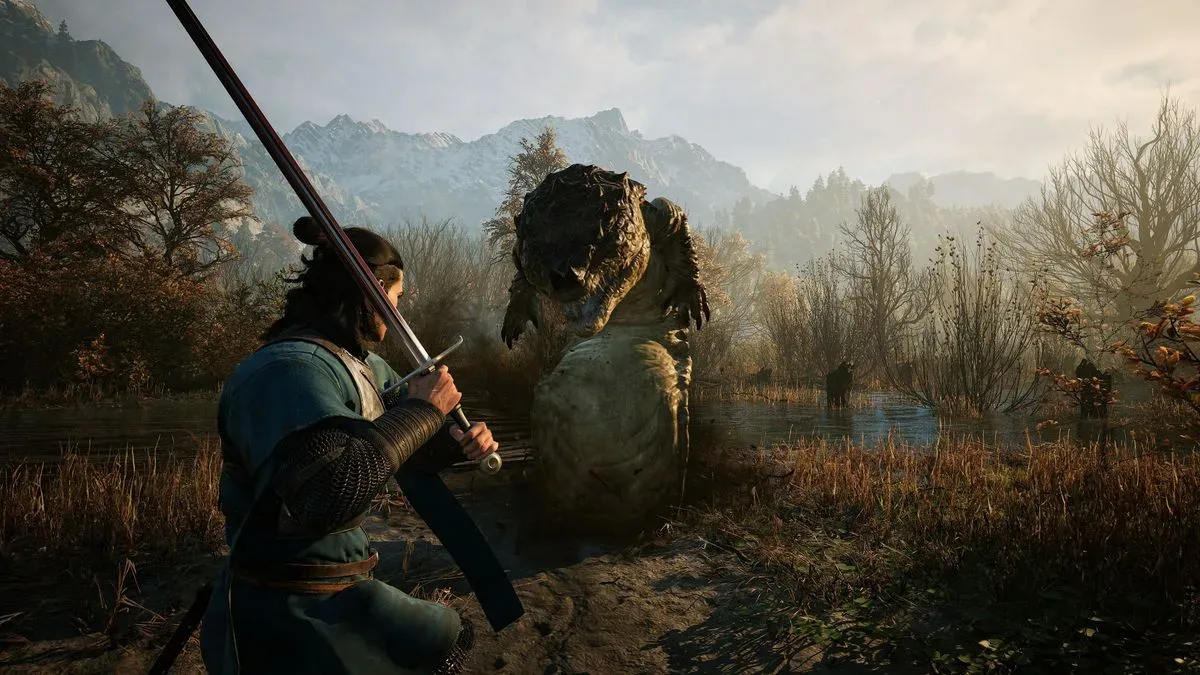
The run was played on Duelist difficulty, where Coen’s stamina is severely constrained. In action combat terms, stamina is the resource that usually limits attacks, evasions and defensive maneuvers. Its importance here changes the rhythm of every fight: a badly timed response can leave Coen staggered and vulnerable, while a perfect block—an accurately timed defensive input just before impact—does not consume stamina.
That makes parrying more than a stylish flourish. It becomes the sustainable defensive tool against human soldiers and, eventually, against Brencis. Early struggles with swordfights gave way to a more deliberate understanding of enemy timing, so that late-game encounters no longer depended only on supernatural advantages. The character may be a monster, but player skill remains part of the outcome.
This is a useful distinction when reading a “power-hungry vampire” route. The build did not simply erase danger through bigger numbers. It combined learned defense with supernatural abilities. By the finale, Brencis’ rapid attacks and shadowstep maneuvers could be anticipated, an outcome tied both to practice on Duelist and to the accumulated vampiric toolkit.
That emphasis on mechanics also gives narrative weight to the pursuit of strength. Coen has only 30 days to rescue his family. Within that deadline, gaining a safety net or an additional control power is not abstract optimization; it is a response to an apparently impossible confrontation with the vampire ruling Vale Sangora.
The mandrake is a powerful upgrade with deliberately ugly context
The decisive late-game upgrade comes through Lacra. In swampland crypts, ghosts and zombies lead to a mandrake described as condensed vampiric energy. Its discovery is surrounded by conspicuously disturbing imagery: a corpse entangled with corruptive red growths. The route also makes clear that Coen’s vampirism, witchcraft and the darker sorcery found throughout the valley appear connected to the hellish realm encountered earlier.
That context matters because it prevents the upgrade from feeling morally neutral. The power source is associated with madness and physical corruption. Choosing to consume it is a conscious prioritization of strength and rescue over concern for Coen’s soul.
The rewards are substantial. The mandrake gives Coen a unique perk that can revive him once per night, while the remaining vampiric power in the chosen perk progression—mesmerizing enemies—becomes available. A once-per-night revival is especially meaningful in an action RPG finale: it effectively gives a player room to recover from one fatal error during that night’s encounters. Mesmerization, meanwhile, suggests a form of battlefield control rather than raw damage alone, broadening the value of a vampiric build.
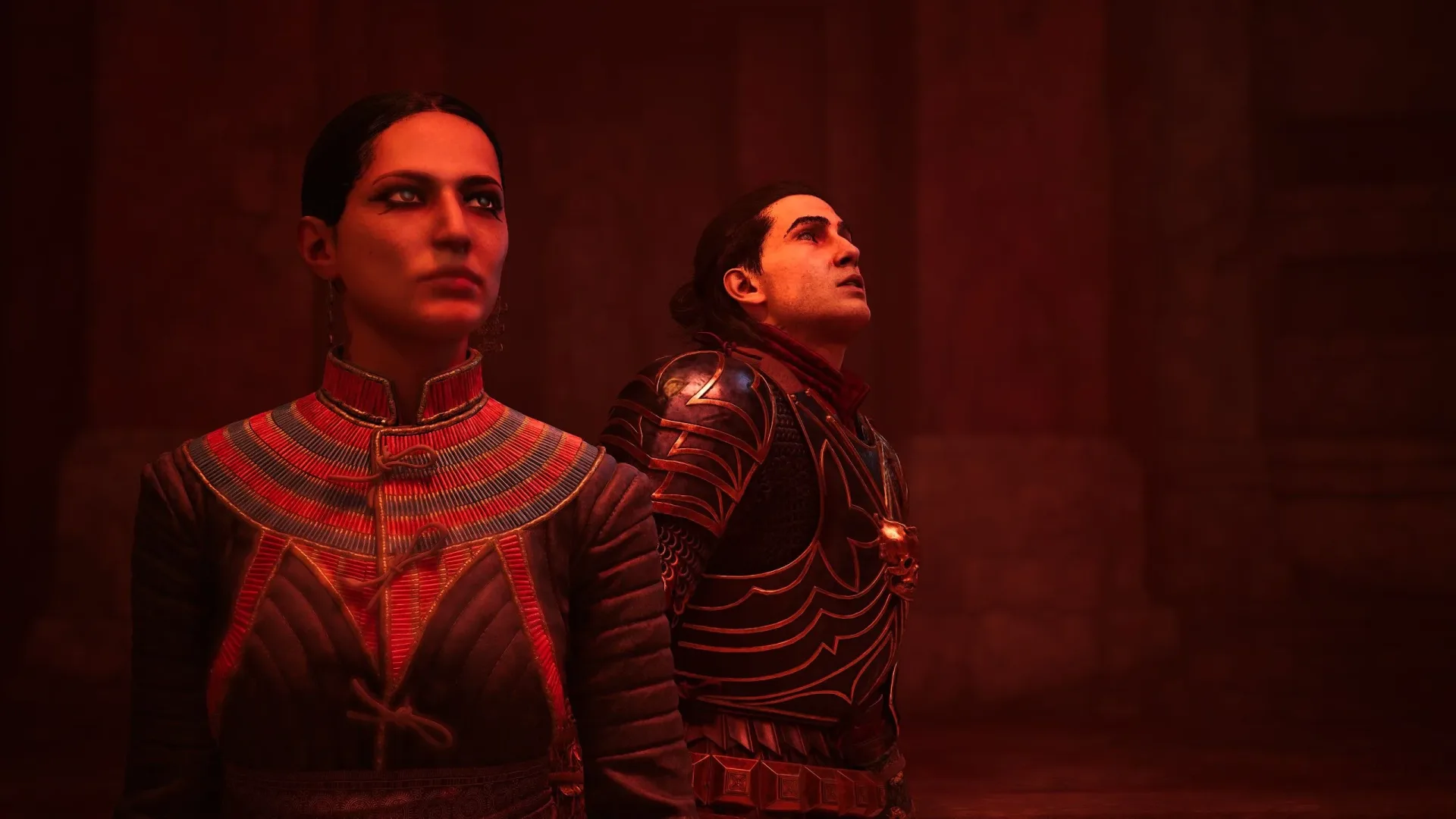
Lacra benefits as well. During the showdown with Brencis, a devastating wound that nearly removes her from the fight is survivable because of the mandrake’s power. That payoff makes the earlier choice tactically consequential rather than merely atmospheric. The forbidden shortcut is not a vague promise of might; it helps make a two-on-one victory possible.
Notoriety turns preparation into a logistical problem
One of the route’s clearest demonstrations of systemic pressure comes before the castle assault. Coen reaches maximum notoriety with Brencis, prompting an edict that lowers Svartrau’s gates. Notoriety here functions as a measure of how aggressively the ruling vampire responds to Coen’s actions. The intended effect is to deny Coen access to the city. Instead, because he is already inside and it is daytime, he is trapped.
That sequence is more revealing than another victory over guards would have been. Fast travel is unavailable at the city’s shrines, and daytime prevents Coen from using shadowstep to cross the walls. The immediate answer is not brute force, despite the streets being packed with enemies. It is patience: wait for night, cross the wall, become a wolf upon landing, and travel to Lacra.
It is an example of how a game’s fantasy systems can create situational puzzles. The same character who is increasingly capable of cutting through soldiers cannot simply ignore time of day, sealed gates and disabled travel options. A maximal combat build is powerful, but it has limits imposed by the world’s rules.
Choosing Lacra closes doors—and makes earlier mercy matter
The final commitment is explicit. Joining Lacra on the route into Castle Greifberg triggers a warning that the decision locks in an ending. Coen will not use the hidden passage connected to Father Florin’s information, and he will not aid the rebels’ direct plan. Crake, the rebel leader, had wanted to storm the castle and restore the previous despot’s heir, an outcome this route views as a return to the valley’s existing misery rather than a meaningful change.
There is no claim that Lacra’s route resolves the political question neatly. In fact, the epilogue argues the opposite. But as a choice in the moment, Lacra is the preferred ally for confronting Brencis, and the ending warning makes the cost of that tactical preference unmistakable.
The route also pays off an earlier choice involving Xanthe, the vampire boyaress. Sparing her leads to assistance inside the castle: her chambers are emptied of their usual foes and traps. Had she been killed, the reported alternative would have included a difficult maze. That is a particularly effective form of consequence because it is neither a simple morality score nor a delayed cutscene acknowledgement. Mercy changes the shape of the endgame space.
Ambrus provides a second, more dramatic example. Because his soul was spared earlier, his spirit returns during the otherworldly phase of the Brencis battle and lands the final strike. These moments give the ending route a cumulative quality. Coen’s final strength is not produced solely by blood, perks and a mandrake. It is also enabled by relationships and decisions made well before the throne room.
That is a familiar strength of branching RPG design: decisions become more memorable when they alter both the player’s capabilities and their understanding of the story. For another example of how a prior-game choice can preserve a later questline, see this guide to simulating a Witcher 2 save in The Witcher 3 Remastered.
Brencis’ defeat is a two-stage reckoning
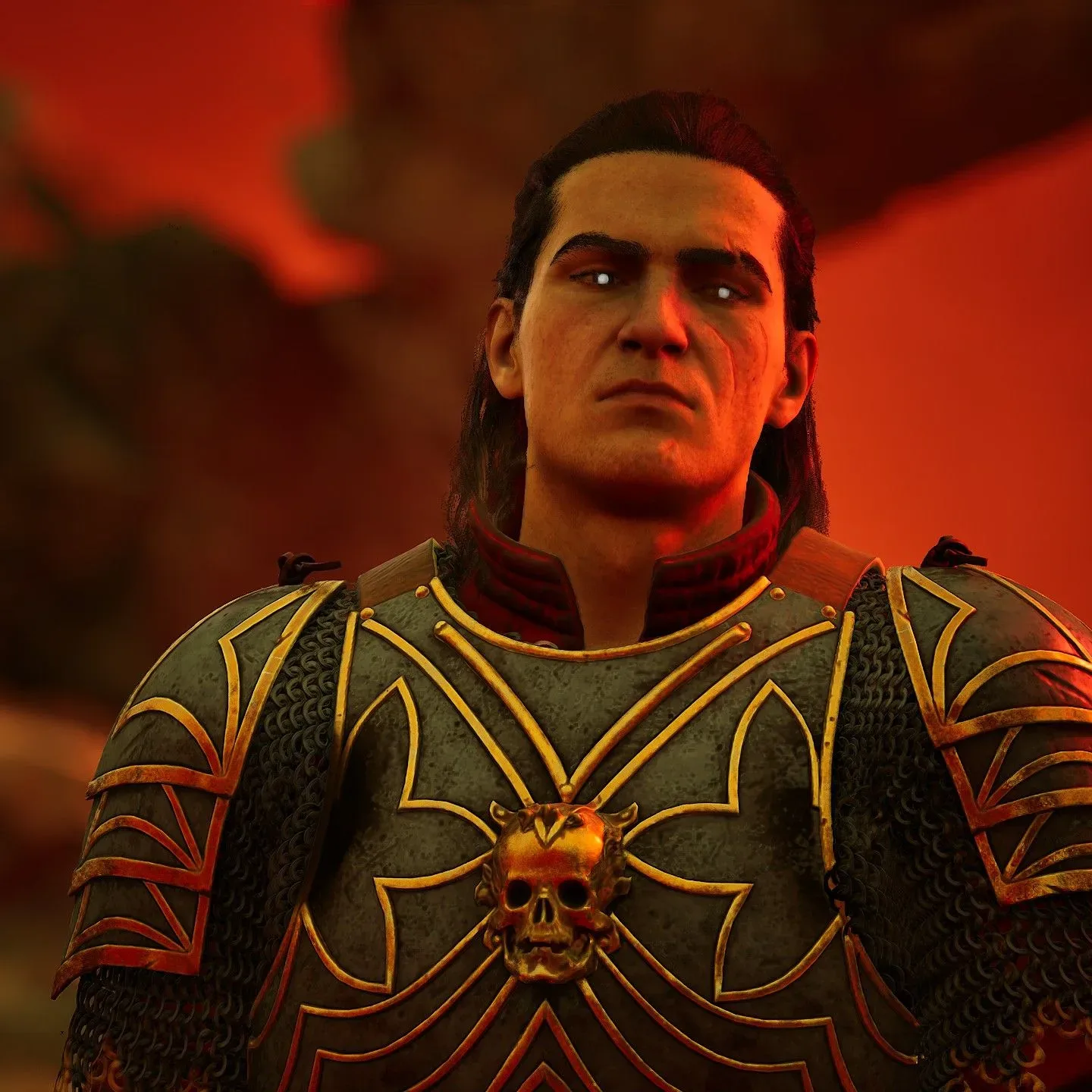
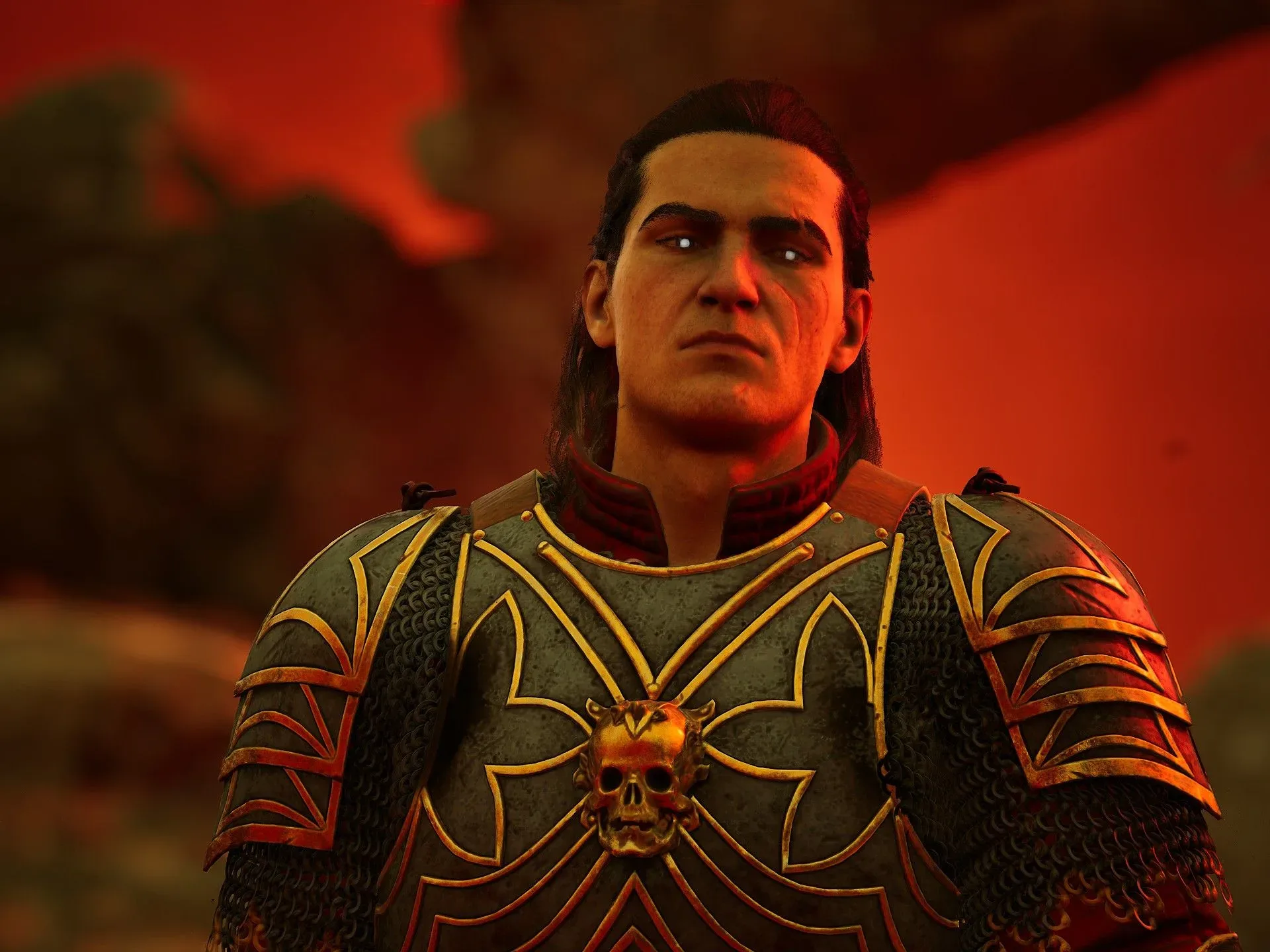
At the throne room, Coen finds his family nearly consumed by tendrils while Brencis offers a final bargain: leave with them and end the conflict. Rejecting that deal is a telling moment. It chooses vengeance and certainty over a possible escape, while also reflecting doubt that Lacra could survive the fight without Coen’s support.
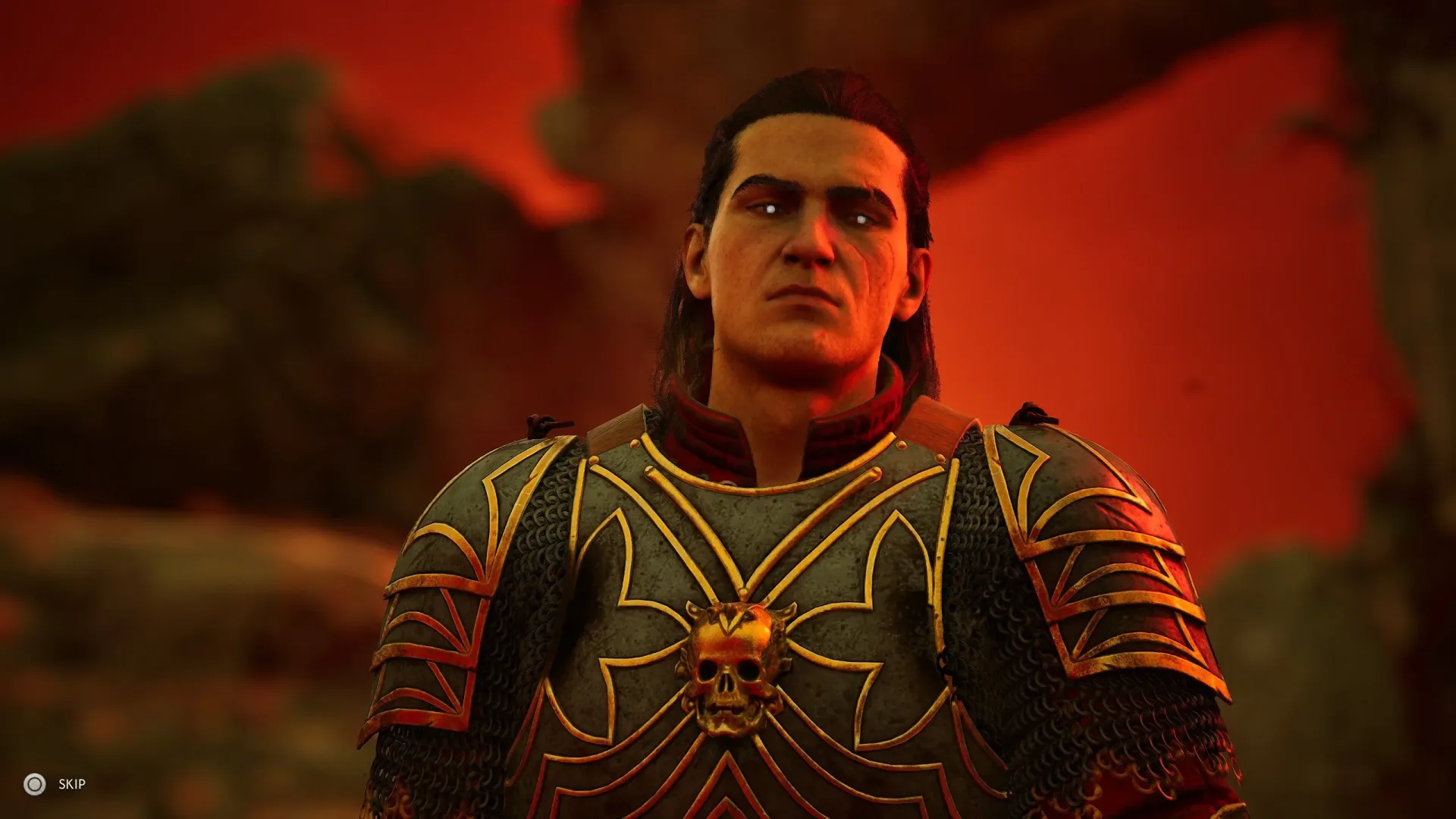
The first phase rewards the entire preparation arc. Brencis, who overwhelmed Coen in the prologue, can no longer keep pace with a fully developed vampire wielding practiced perfect blocks and a full set of abilities. Lacra’s survival reinforces the mandrake choice, while the boss’s defeat confirms that the hard-mode learning curve was not incidental.
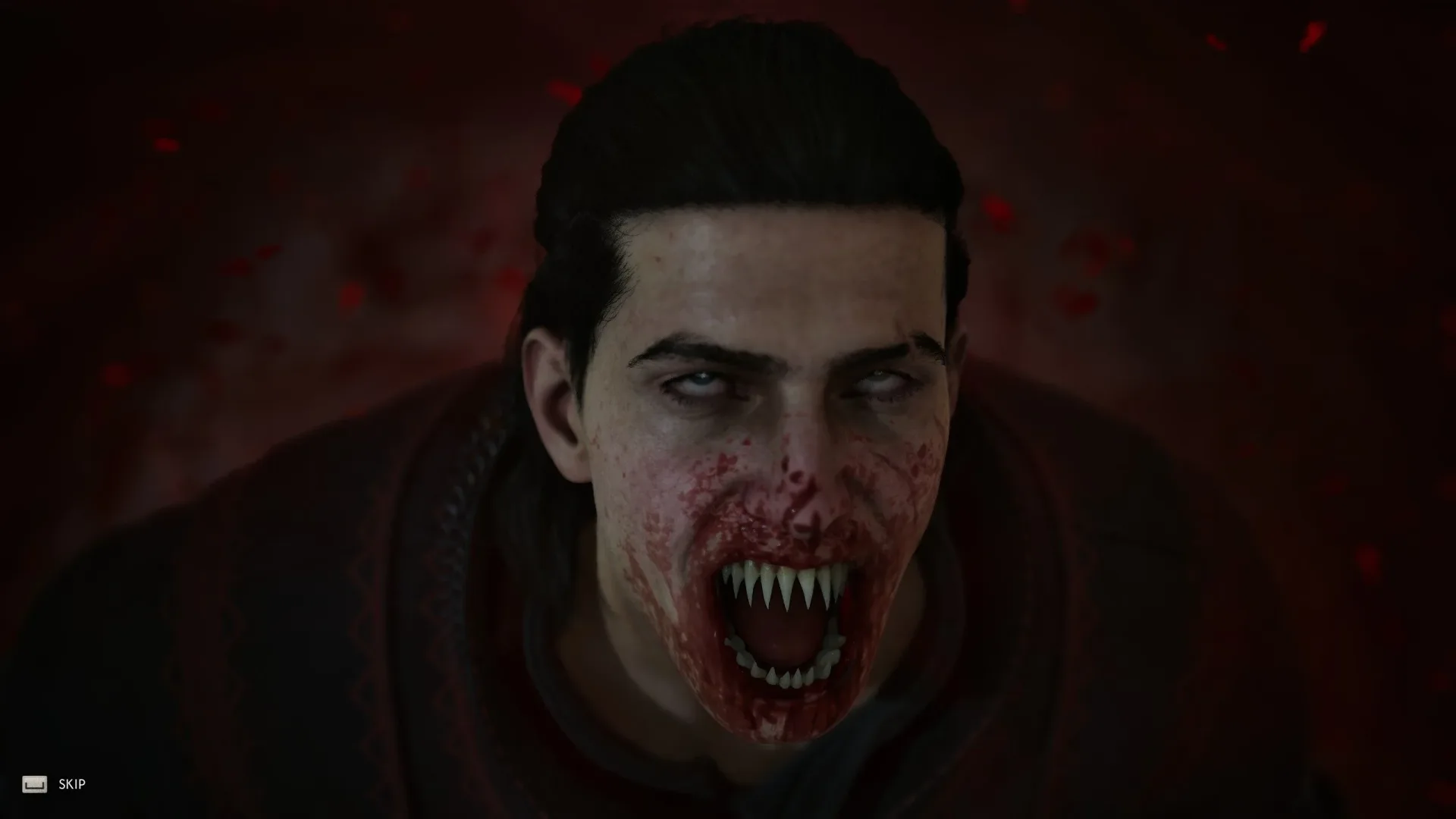
But Brencis continues the confrontation in the hellish realm associated with the game’s supernatural power. This second phase avoids a too-neat reversal in which an early villain is simply out-leveled and forgotten. Ambrus’ appearance to strike the final blow turns a prior act of mercy into direct closure against Coen’s sire.
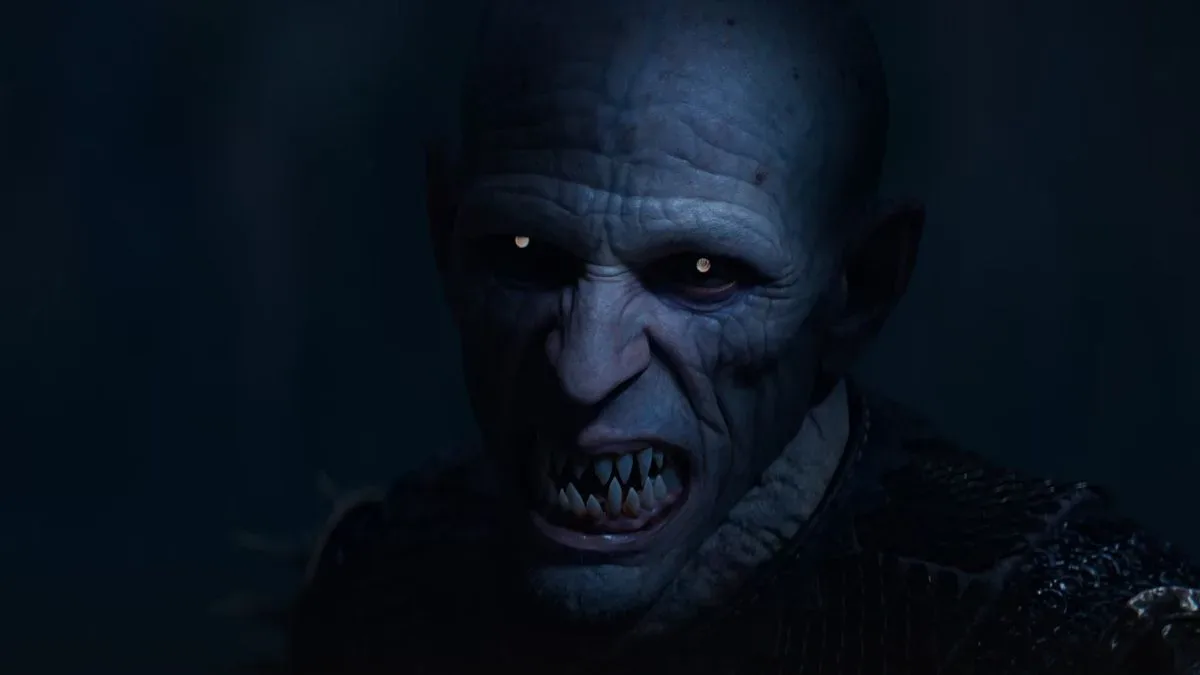
Afterward, Coen declines to invite Brencis in when his spirit appears again. Yet Brencis still leaves behind the promise of a final surprise. The story’s refusal to fully settle that threat fits the larger ending: winning the central battle does not dissolve every danger or every consequence in Vale Sangora.
A hopeful ending that does not pretend the valley is healed
The epilogue returns Coen to Laslea as winter approaches. His mortal family survives, and the rebels help rebuild the village after Brencis’ fall. Those are real gains, especially given that rescuing the family was the 30-day objective from the outset.
Yet every positive comes with a restriction. Coen’s family lives, but he never sees them again. Lunka, his youngest sister, survives as a partially transformed vampire creature living ferally in caves above Laslea. Lacra’s membership in the ancient Augurs introduces a possible answer: her superior will complete Lunka’s transformation if Coen joins their ranks. Coen leaves the valley with Lunka and Lacra, placing the family rescue inside a new, uncertain obligation.
The wider valley faces still harsher fallout. Without vampire blood offering protection, the Black Plague returns. Brencis has no replacement, lawlessness spreads, and the manumit rebels are left defending Vale Sangora. Xanthe remains alive with her daughter but returns to killing young women despite her earlier arrangement with Coen. A cursed convent remains cursed. The route saves specific people, but it does not suddenly produce stable governance, public safety or a cleansed supernatural landscape.
That is why the conclusion works. A morally compromised character arc yields a qualified, personal success rather than a universal happy ending. Coen’s embrace of vampirism helps him defeat Brencis and protect the people he set out to save. It also separates him from his mortal family and ties his future to a powerful order. Meanwhile, the population of Vale Sangora must endure the vacuum left behind.
A post-credits scene places a leather-clad Coen in the modern day, leaving open questions for the planned series. The immediate takeaway, however, is already clear: The Blood of Dawnwalker can make a selfish pursuit of strength feel emotionally coherent without declaring it consequence-free. In this route, the monster gets stronger, wins the fight and saves his family. Then he has to live with what that victory could not save.