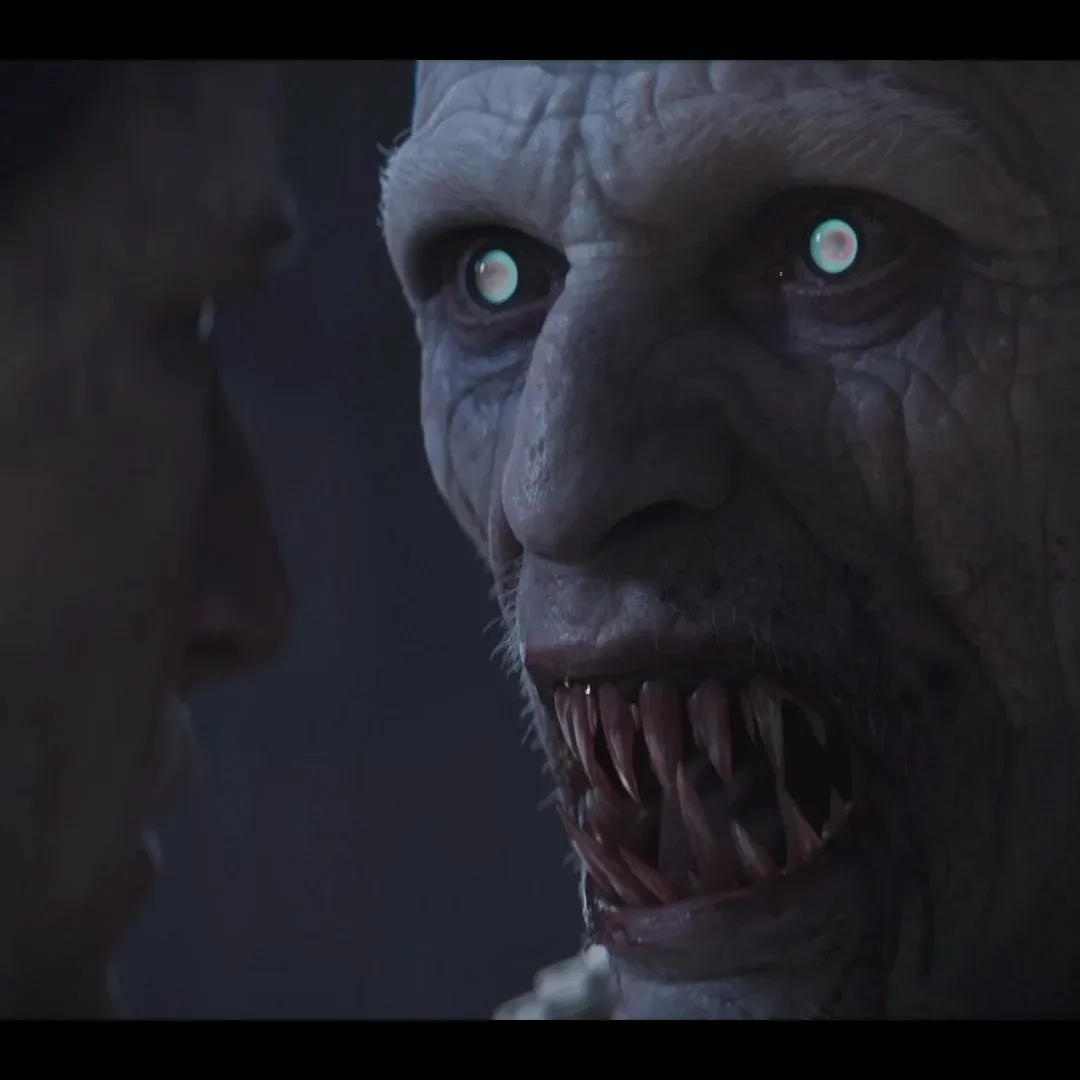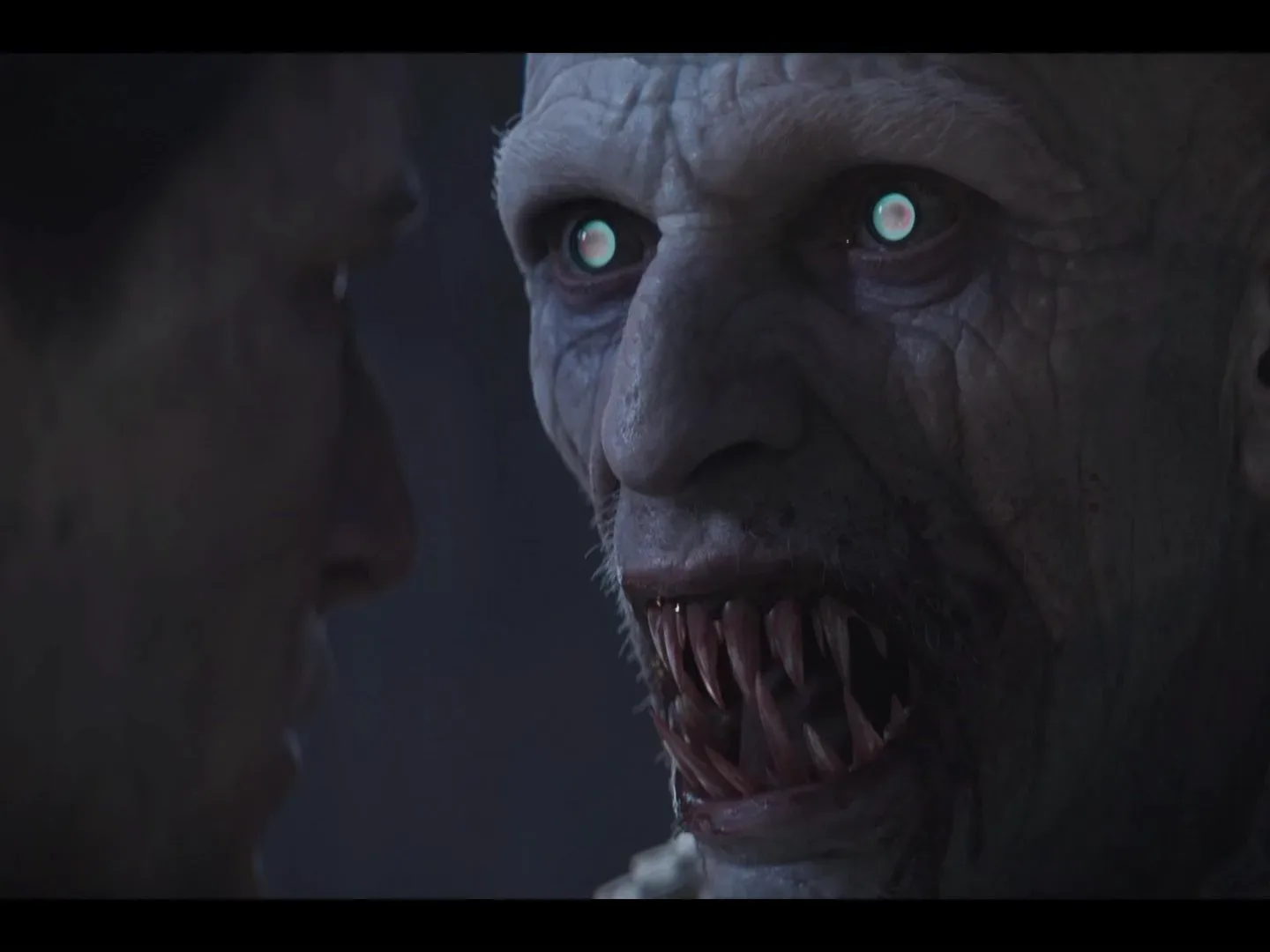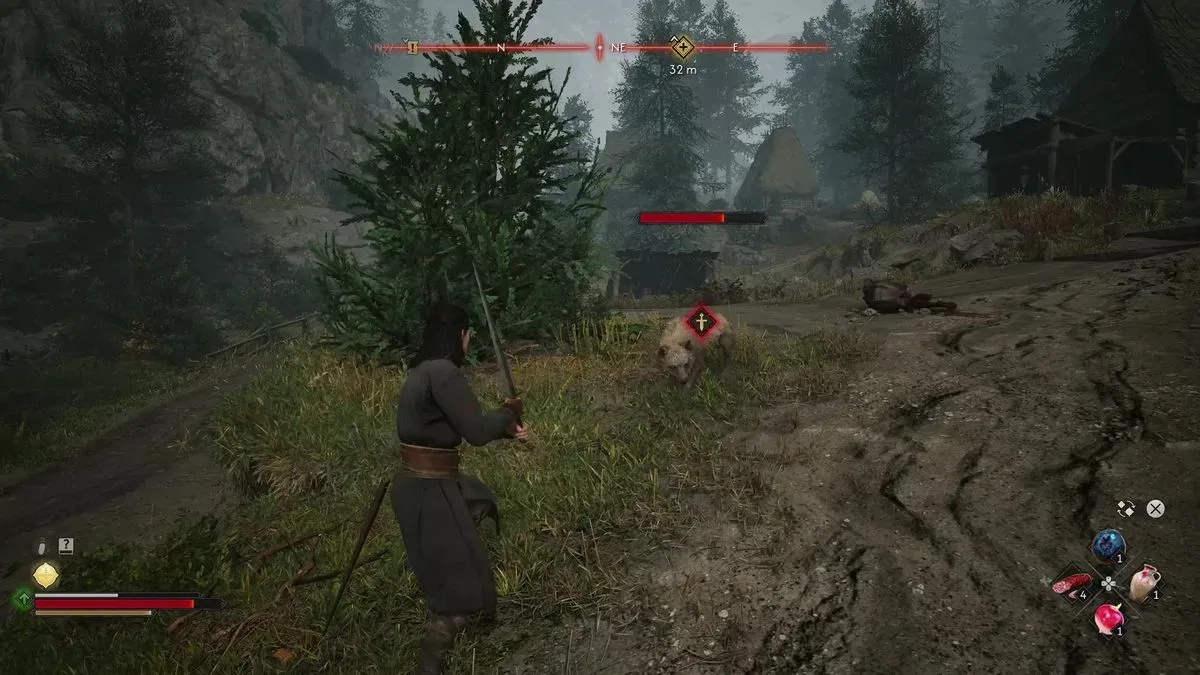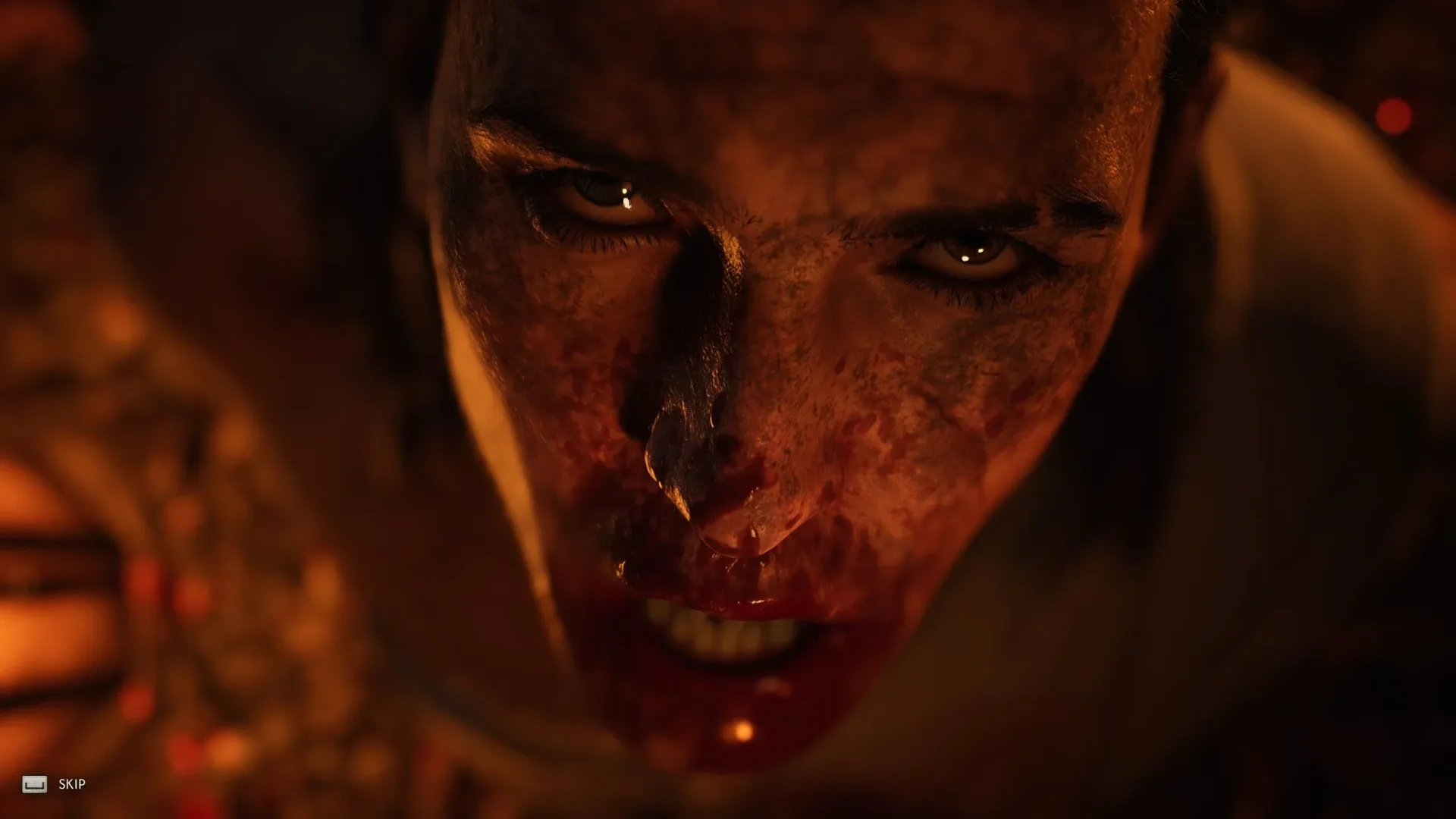
The Blood of Dawnwalker is expected to take most players around 30 to 40 hours to finish, though its unusual structure leaves plenty of room above and below that estimate. A focused route may land closer to 20 hours, while players who spend more time following questlines and optional activities could approach 50 hours.
That is a broad range, but it is not simply the usual difference between a player who beelines the campaign and one who compulsively opens every chest with a mildly suspicious glow. Dawnwalker’s progression is built around a defined in-game deadline. After the opening tutorial, players receive a central objective and have 30 in-game days in which to address it. Crucially, the decisive task can apparently be attempted far earlier than the deadline suggests.
In other words, this is not a game where the calendar only exists to make the UI look dramatic. Time, choices, access to content, and the point at which a player decides to push toward the ending all appear to shape the overall runtime. That makes “How long is it?” a less tidy question than it is for a straight-line action adventure.
The short answer: 20 to 50 hours
Current estimates place a complete run of The Blood of Dawnwalker somewhere between 20 and 50 hours. The most useful middle-ground expectation is 30 to 40 hours, a span that should allow a player to see the major questlines, tackle some side content, and advance through much of the game’s available timeline without treating every possible detour as a contractual obligation.
Players considering the game should read those figures as flexible planning guidance rather than a stopwatch challenge. The lower end is possible because the game permits early attempts at its ultimate objective. The upper end reflects a more deliberate approach to exploring what is open, pursuing significant quest content, and making use of the time before the in-game clock runs out.
- Fast, highly focused completion: around 20 hours may be possible.
- Likely pace for many players: roughly 30 to 40 hours.
- More thorough play: potentially as much as 50 hours.
The wording matters here. A 50-hour estimate is not a promise that every player will naturally hit that total, nor does a 20-hour finish mean someone missed the “real” game. Dawnwalker’s design appears to accommodate substantially different priorities.
Why the runtime varies so much
Once the tutorial is complete, the game gives the player a major task and a 30-day in-game window. Rather than forcing everyone to wait until the final stretch, it allows the final challenge to be pursued sooner, depending on the player’s decisions and preparedness. A particularly efficient and capable player may be able to finish before seven in-game days have passed.
That possibility is the major reason conventional campaign-length labels are a poor fit. A player who identifies a direct route, has the skill to execute it, and is comfortable accepting what they have not yet seen can move quickly. Another player may instead use the available time to engage with the world’s larger stories and activities before making the same attempt.
The structure has a distant resemblance to the open-ended freedom associated with The Legend of Zelda: Breath of the Wild: the game can provide a grand objective early, while leaving a great deal of discretion over when to pursue it. That comparison should not be stretched into a claim that the two games play alike in every way. It is useful specifically because it describes an approach to player-directed pacing: access to an ending does not have to mean a player is ready, interested, or finished with everything else.
For anyone who has ever declared, “I’ll just check one more quest marker,” this may be either excellent news or a direct threat to the evening’s schedule.
In-game days are not the same as real-world hours
The 30-day limit is an in-world measure, not a straightforward conversion into a fixed number of hours. It helps determine the shape of a run, but it does not produce a simple formula such as “one day equals X minutes of play.” Different players will spend their time in different ways, and their choices will influence what is available or gated off as the game progresses.
That gating is important. Some parts of the game become unavailable or change over time, meaning no single playthrough is necessarily positioned to show every part of the world. The question is therefore not only how much content a player can fit into a run, but also which content becomes part of that run at all.
This makes the 30–40-hour estimate especially sensible for players who want a substantial first pass rather than an ultra-efficient rush. It suggests enough room to experience the central material and a selection of additional content, while recognizing that the game’s structure may encourage trade-offs instead of a single, universally exhaustive path.
Can you keep playing after the main quest?
Yes. The Blood of Dawnwalker includes post-game play, so completing the main quest does not automatically mean the adventure is over. That is useful reassurance for players who decide to take the early route toward the ending and later want more time in the game.
Still, post-game access should not be confused with a guarantee that every missed event, quest, or time-sensitive opportunity can be recovered afterward. Because portions of the experience are tied to progression and the passing timeline, players who care deeply about seeing as much as possible should be mindful of the game’s pacing before committing to a fast finish.
The practical takeaway is simple: an early ending attempt does not necessarily shut down all future play, but a player should not assume it erases the consequences of earlier decisions. Dawnwalker appears designed around consequence and route variation, not around turning every playthrough into an identical sightseeing tour.
What kind of player will land at each estimate?
Players near 20 hours
A shorter run is most plausible for players who focus tightly on the primary objective, make an early attempt at the final challenge, and do not pause for every major thread that opens along the way. Skill and confidence also matter. Reaching an encounter early is one thing; overcoming it is another.
Players around 30 to 40 hours
This is the most likely range for people who want to engage with the main narrative while still giving the surrounding world proper attention. It is the sweet spot for taking on major quests, sampling side activities, and allowing the in-game timeline to develop substantially before seeking a resolution.
Players nearing 50 hours
The upper end should suit players who are more exploratory, more completion-minded, or simply less interested in treating the central goal as a race. Since content availability can shift as progression advances, this kind of approach may be as much about following the story paths that matter to a particular player as it is about ticking boxes.
There is no shame in either style. Games with flexible endpoints are at their best when a fast, decisive run and a slower, curious run both feel intentional. The only objectively reckless strategy is deciding a 30-day deadline is plenty of time and then spending day 29 reorganizing imaginary inventory in your head.
How to plan a first playthrough
If your main concern is getting a satisfying, broad experience without turning the game into a personal time-management spreadsheet, budget 30 to 40 hours. That is currently the most reasonable expectation for a first run that pays attention to the major material.
- Do not assume the earliest possible ending is the best first ending. The game may let you make an early attempt, but that does not mean you need to take it immediately.
- Treat the calendar as part of the adventure. The 30-day structure is meaningful, and advancing time can affect what you get to see.
- Prioritize questlines that genuinely interest you. A game built around choices and gated content is unlikely to reward panic-driven checklist behavior.
- Remember that post-game exists. Finishing the main quest is not necessarily a hard stop, though it may not undo every time-based consequence.
That last point is worth keeping in mind for anyone with a history of approaching games like a collector approaches a shelf: lovingly, methodically, and with a growing suspicion that there is always one more thing to acquire. For a lighter look at that instinct, see The Collector’s Five Stages of Buying One Small Thing.
And if Dawnwalker eventually becomes a game you want to revisit with friends nearby—even if only to debate whether an early ending was brave strategy or wildly avoidable chaos—the social etiquette may sound familiar in The Unwritten Rules of Couch Multiplayer, Now Written Down.
The practical runtime verdict
Plan on 30–40 hours for a typical, comfortably paced playthrough of The Blood of Dawnwalker. Keep 20–50 hours in mind as the broader realistic range. The difference comes from a campaign framework that grants access to its climactic goal unusually early, then lets player priorities, capability, exploration, and the movement of an in-game 30-day clock determine how much happens before that goal is faced.
For players who value agency over a single prescribed route, that variability is part of the appeal. Dawnwalker does not seem interested in telling everyone exactly when they are allowed to finish. It is more interested in asking what they chose to do before they did.