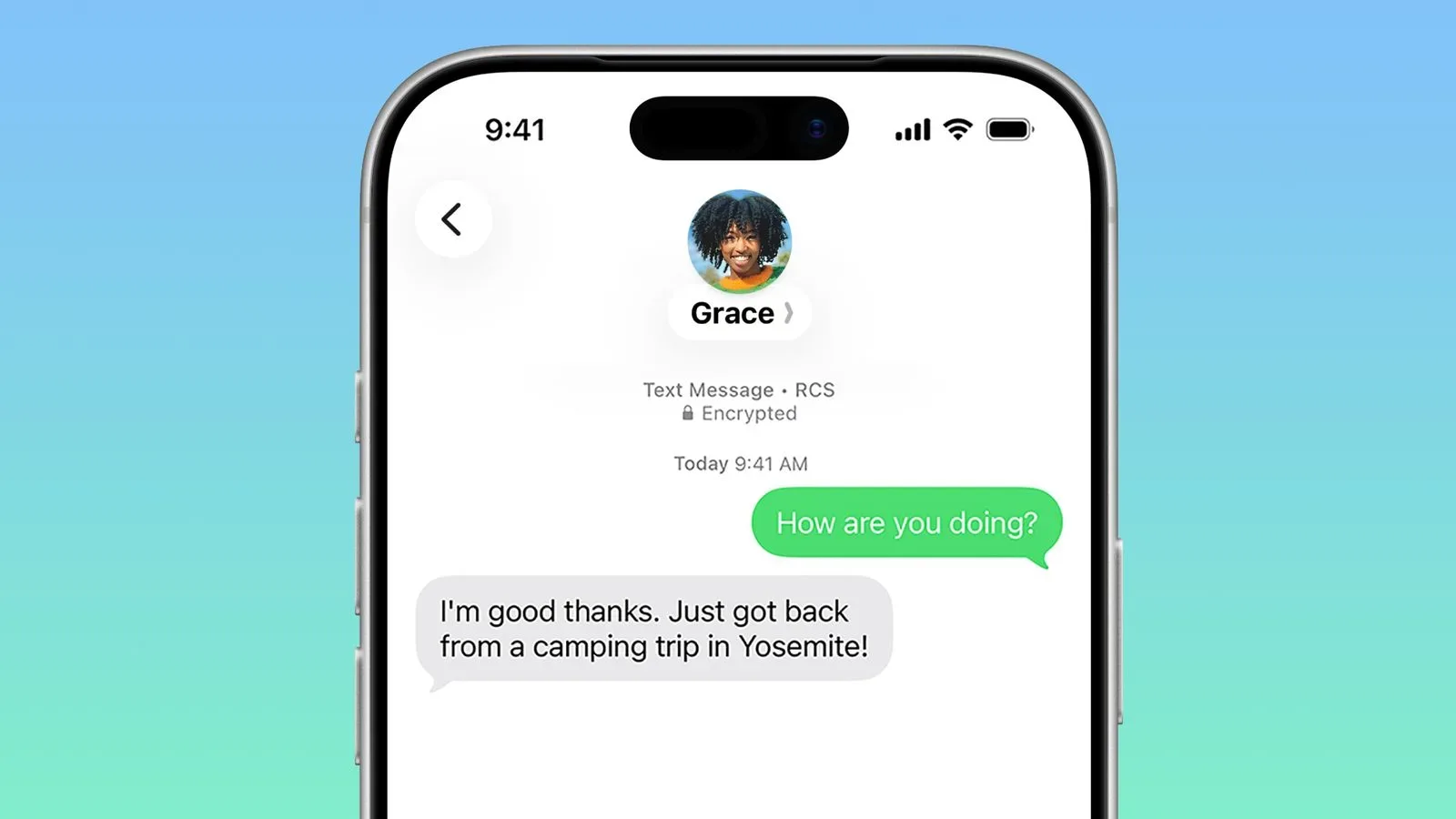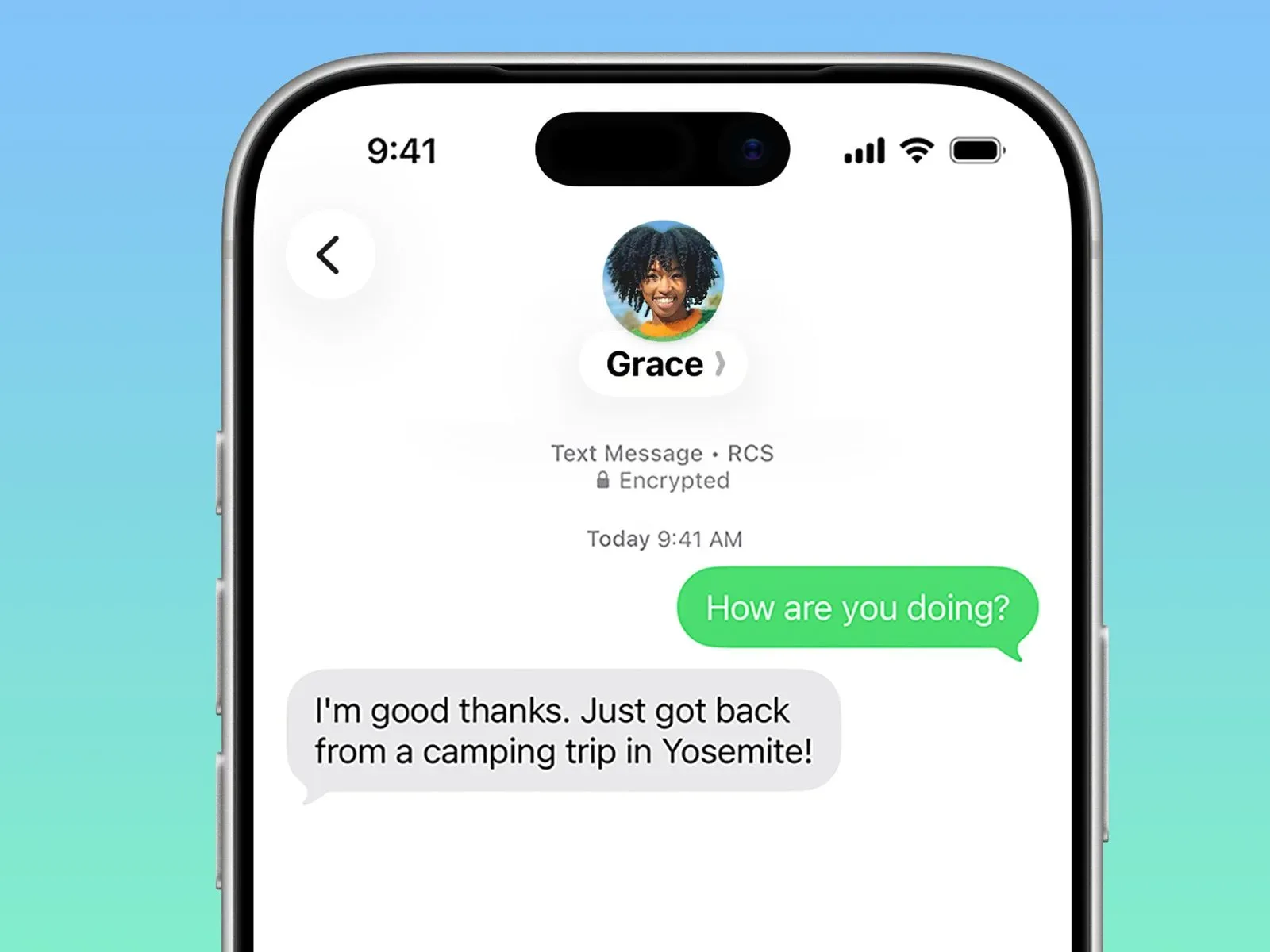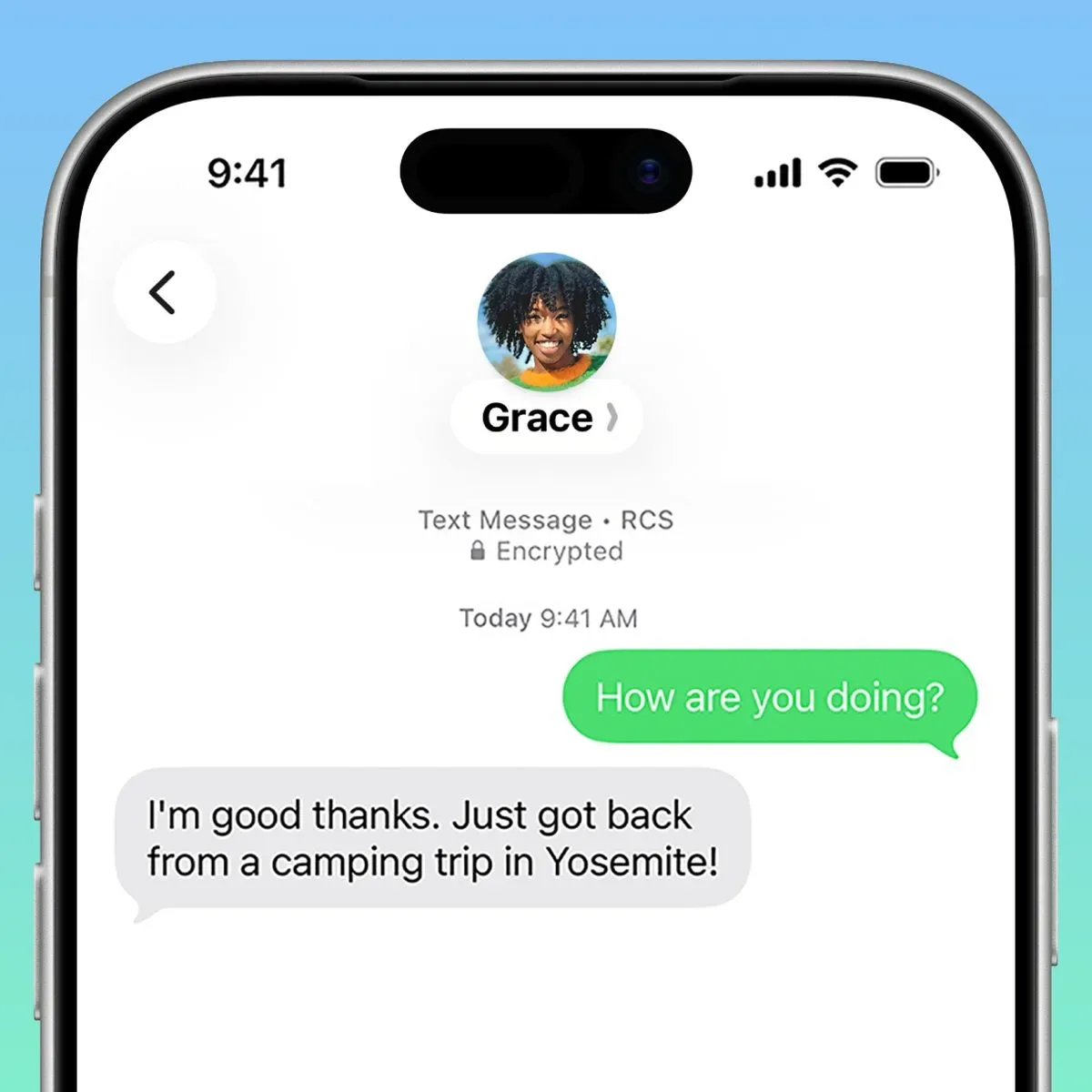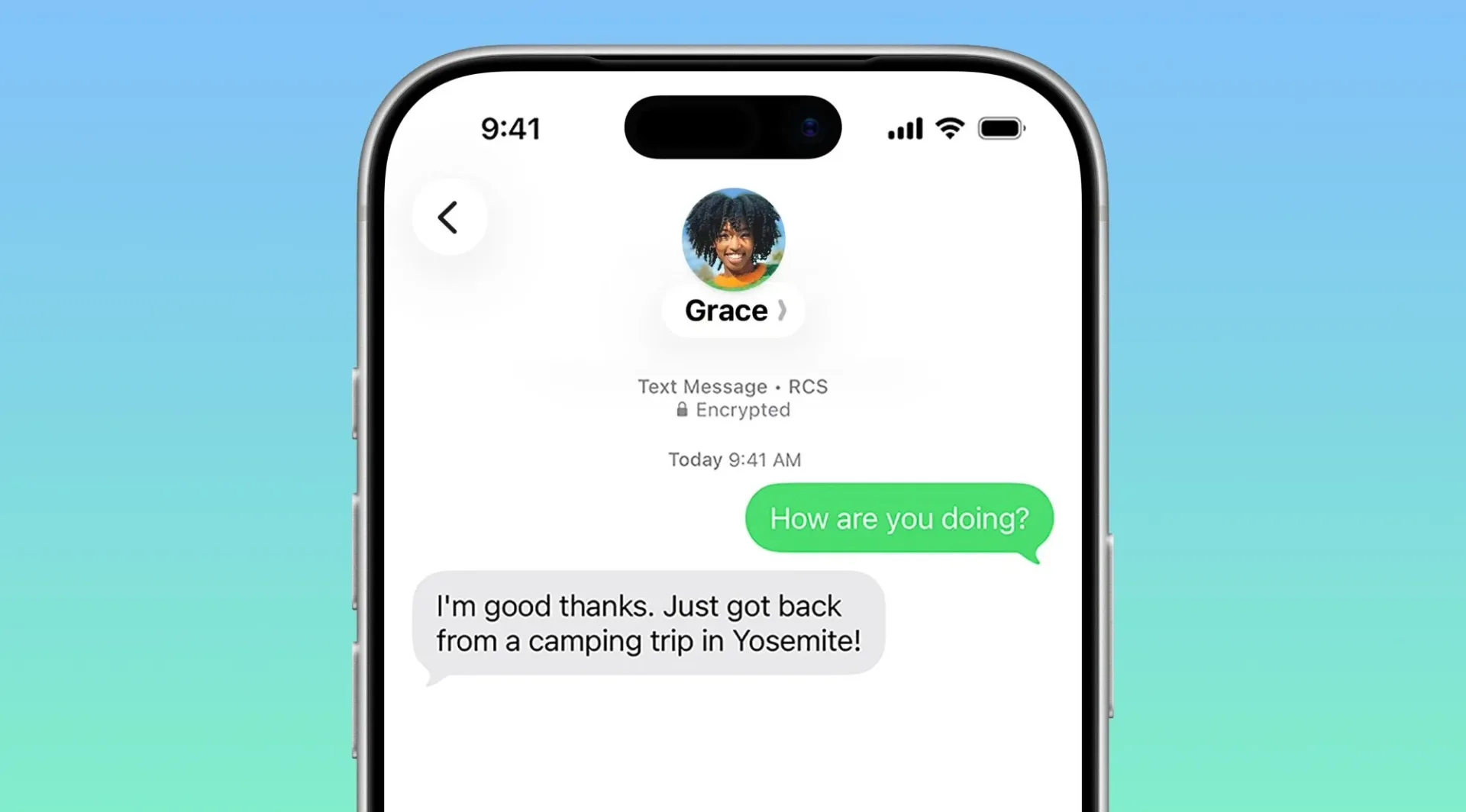
Telstra iPhone customers in Australia may be close to gaining RCS support in Messages. A Telstra support document, which has since been removed, said the feature would become available through an iOS update due in December. If that schedule holds, the update is likely to be iOS 27.3.
That is an important qualifier rather than a minor footnote. The document is no longer live, and the December timing therefore should be treated as an indication, not a firm promise. Still, the detail provides a potentially useful roadmap for Telstra customers who have been waiting for richer iPhone-to-Android messaging without switching apps.
What the December reference could mean
The available information connects three things: Telstra, an iOS update in December, and RCS support in Apple’s Messages app. The likely version number is iOS 27.3, but that is an inference based on the stated timeframe rather than a confirmed release note.
For users, the practical takeaway is straightforward: Telstra support may be enabled by a software update rather than by a separate app download. That does not mean anyone should assume the feature is active now, or that every detail of eligibility is settled. Carrier-backed messaging features can depend on the phone software, the carrier’s support status, and the configuration of the relevant service.
Apple maintains a list of carriers that support RCS, so that remains the sensible place to check once the anticipated update is available. A removed carrier page is useful evidence that work may be underway, but it is not the same thing as a standing compatibility confirmation.
Why RCS matters to iPhone and Android conversations
RCS, short for Rich Communication Services, is a messaging standard intended to improve on traditional SMS texting. Its relevance here is primarily cross-platform: it can improve the experience when an iPhone user messages someone on Android through Messages.
Traditional SMS is the older baseline for mobile text messaging. It handles the basic job—sending a text—but lacks many of the communication cues and richer interaction tools people now expect from modern chat services. RCS can add several of those capabilities to conversations that would otherwise fall back to SMS.
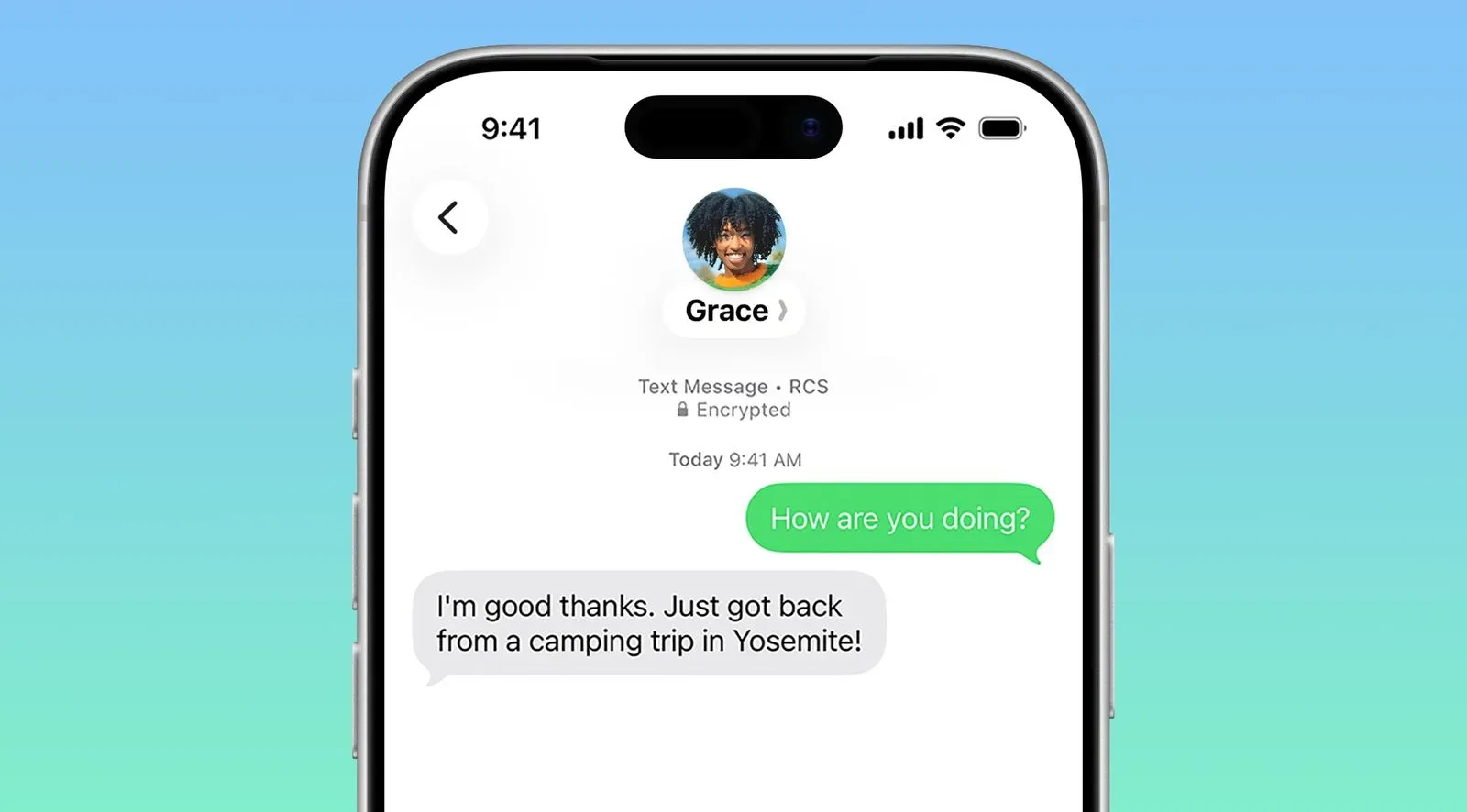
The cited benefits include end-to-end encryption, read receipts, typing indicators, and inline replies. Each addresses a different friction point in everyday conversations:
Related coverage includes Telstra RCS Support Could Arrive With iOS 27.3 in December.
- End-to-end encryption is a security feature intended to protect the content of a conversation between the people taking part in it.
- Read receipts indicate when a message has been seen, helping remove the uncertainty between delivery and reading.
- Typing indicators show that the other participant is composing a response, providing the familiar live-chat signal common in many messaging platforms.
- Inline replies let someone respond directly to a specific message within a conversation, which is particularly useful when several subjects are being discussed at once.
Those tools will not suddenly make every group thread perfect, nor do they replace the need for both parties to have compatible service. But they can make the divide between iPhone and Android messaging feel less like a fallback experience.
The carrier is the key part of this story
It is tempting to view an iOS update as a universal switch: install it, and every advertised messaging capability appears for everyone. The Telstra situation is a useful reminder that RCS availability is also carrier-specific.
Apple’s carrier support list matters because the phone software and the mobile network’s supported features have to meet in the middle. In this case, the possible arrival of RCS is notable precisely because it would add Telstra to the compatible path for iPhone users in Australia.
That distinction is worth keeping in mind when comparing experiences between people using different providers. Two iPhones may run the same version of iOS, while their owners do not necessarily have identical carrier-enabled messaging options. Likewise, the presence of RCS in a discussion about Apple Messages should not be confused with a guarantee that every participant, network, or phone setup can use it immediately.
What Telstra customers should do—and not do—yet
There is little reason to change settings prematurely based solely on a deleted support page. The better approach is to wait for a released iOS update and then verify that Telstra appears on Apple’s supported-carrier information.
- Watch for the December iOS update. The timing mentioned in Telstra’s removed document points to December, with iOS 27.3 the likely candidate if the schedule remains accurate.
- Install updates normally once available. Because the expected change is tied to iOS, the relevant update is the logical first requirement.
- Confirm carrier support after release. Apple’s supported-carrier list is the useful verification point, especially given that the Telstra document was deleted.
- Set expectations around conversation partners. RCS is most relevant for Messages chats with Android users. A carrier and software update on one side does not erase all compatibility considerations on the other.
There is also no need to treat this as a replacement for every other messaging app. RCS concerns the Messages experience and the gap between traditional SMS and modern chat features. People who already use a separate platform for group chat, calls, or media sharing may continue doing so for their own reasons.
Analysis: a small compatibility change with everyday impact
On a spec sheet, read receipts and typing bubbles can look cosmetic. In actual conversations, they change how people interpret silence, timing, and context. Inline replies matter when a family chat turns into five overlapping conversations. Encryption matters because it is a security property, not merely a visual feature. Together, these are the pieces that make a messaging thread behave more like a current chat service than a basic text-message channel.
That is why the possible Telstra rollout is more consequential than the version number alone suggests. It would not be a new iPhone model or a new messaging app. It would be an expansion of what the existing Messages app can do in one of the most common cross-platform situations: an iPhone user texting an Android user.
The uncertainty remains central, however. The evidence is a support document that has been removed, and the iOS 27.3 identification is conditional on the December timeframe staying correct. Until support is visible in Apple’s carrier information and the relevant update is released, this should be read as a credible possibility rather than a completed rollout.
For iPhone owners thinking more broadly about maintaining their devices while waiting for new software, our guide on making an older iPhone feel faster before replacing it covers practical steps unrelated to RCS itself.
What remains unconfirmed
The available details do not establish a final release date, a complete setup process, or whether the timing will remain attached to iOS 27.3. They also do not provide a broader rollout timetable beyond Telstra’s prospective December support.
For now, the most accurate summary is narrow: Telstra indicated that iPhone RCS support would arrive with an iOS update in December, then removed that documentation. If the plan stays on course, Telstra customers could gain RCS in Messages with iOS 27.3—bringing encrypted messaging, read receipts, typing indicators, and inline replies to supported conversations with Android users.