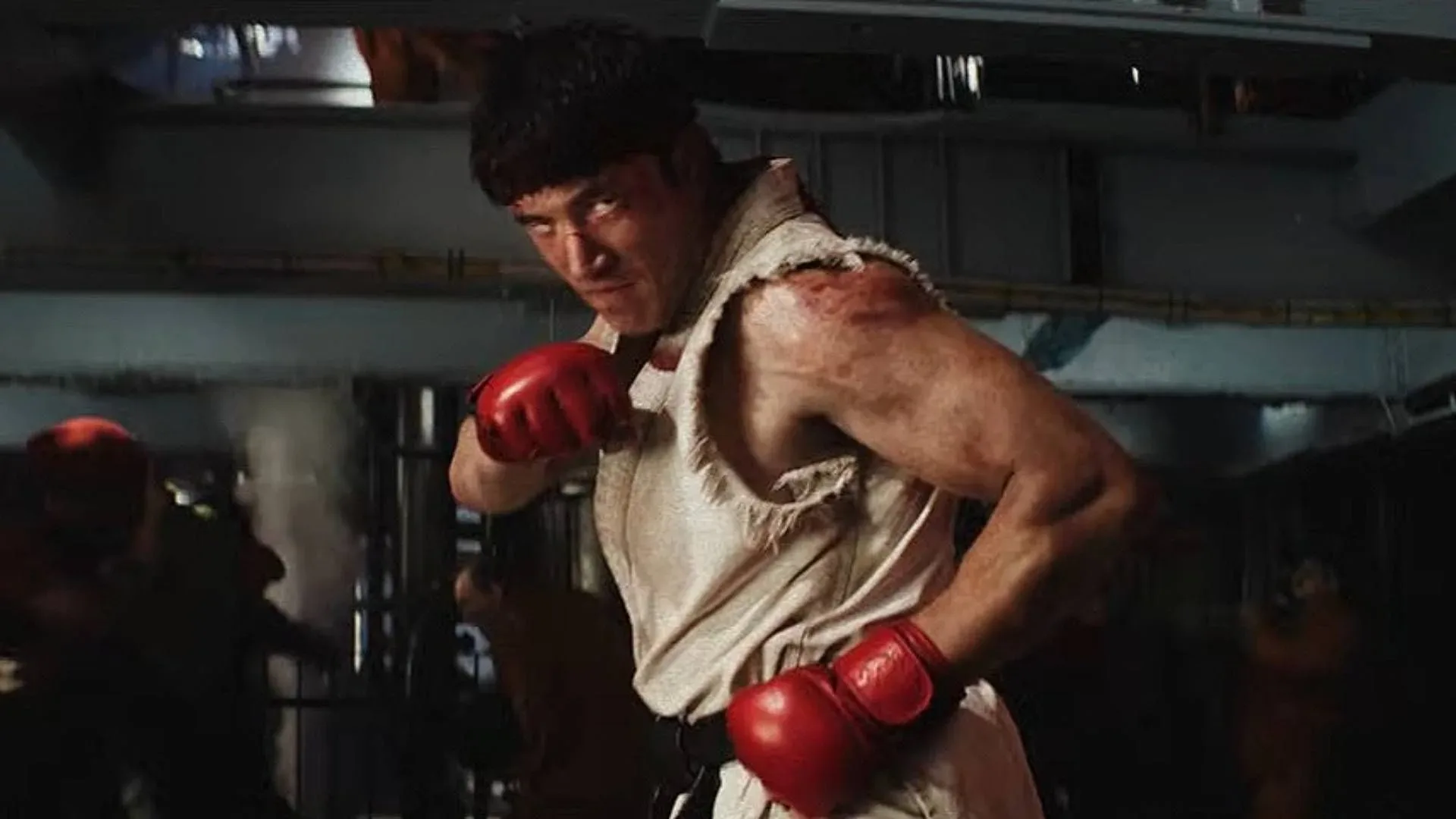
The forthcoming Street Fighter film is being built with a particularly useful kind of fighting-game resource: a cast that already knows why the franchise matters. Director Kitao Sakurai says every performer selected for the movie arrived as a fan of the games, with a serious grasp of the series’ canon and lore rather than a need to be introduced to the basic idea of Street Fighter.
That claim is more meaningful than a routine promise of faithfulness. Street Fighter is not simply a collection of recognizable fighters and special moves. Its long-running identity also comes from the relationships, rivalries, personal goals and recurring tournament framework surrounding its characters. A production can replicate a costume, a stage or a move’s silhouette, but it takes more familiarity to understand why a specific detail is important to players in the first place.
Sakurai’s description suggests the cast’s existing relationship with the games was part of the creative foundation. In his words, there was no one involved who was unfamiliar with what Street Fighter was; everyone came to the project through affection for the franchise and a deep understanding of its established fiction.
What “canon” means for a Street Fighter adaptation
Canon is the body of characters, events and details treated as belonging to an established fictional continuity. Lore is closely related, but often means the broader web of backstory, references and world-building fans use to understand that continuity. For an adaptation, knowledge of both can be valuable even if the film does not attempt to reproduce every beat of every game.
For more context, explore THE 800XL Is Bringing Atari 8-Bit Cartridges and a Full Keyboard Back to Modern TVs.
That distinction matters because “game-accurate” does not necessarily mean literal one-to-one recreation. A fighting game communicates character through animation, combat style, voice work, location and brief story material. A feature film has to express its characters and stakes through scenes, performances and its own pacing. Familiarity with canon can help the people making those choices recognize the difference between a detail that can be reinterpreted and one that carries the character’s essential identity.
The available comments do not set out a plot, identify which pieces of Street Fighter continuity the film will use, or confirm specific scenes from the games. They do, however, establish an intent: the people playing these roles understand they are working with characters who arrive with decades of player expectations.
Andrew Koji served as an on-set point of reference
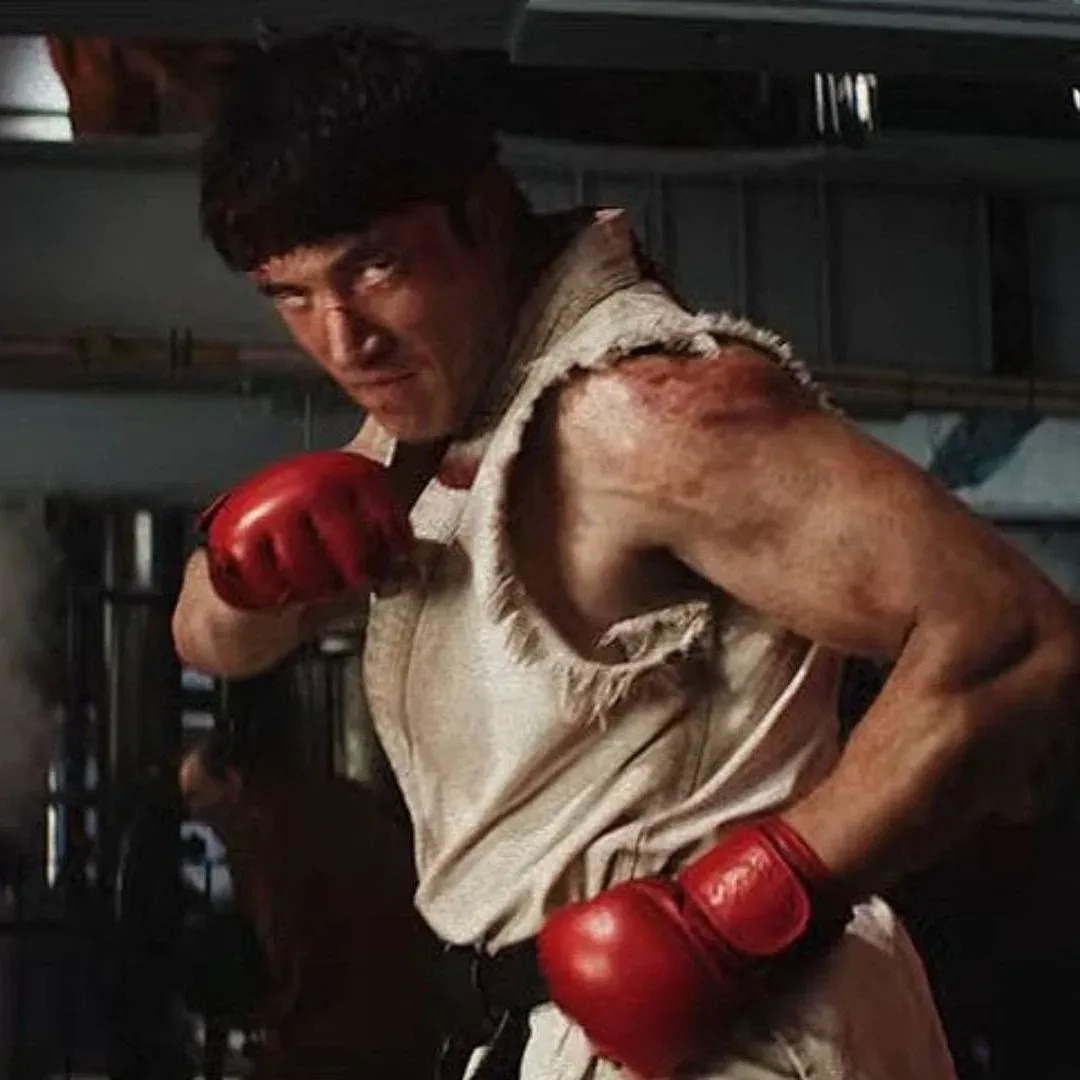
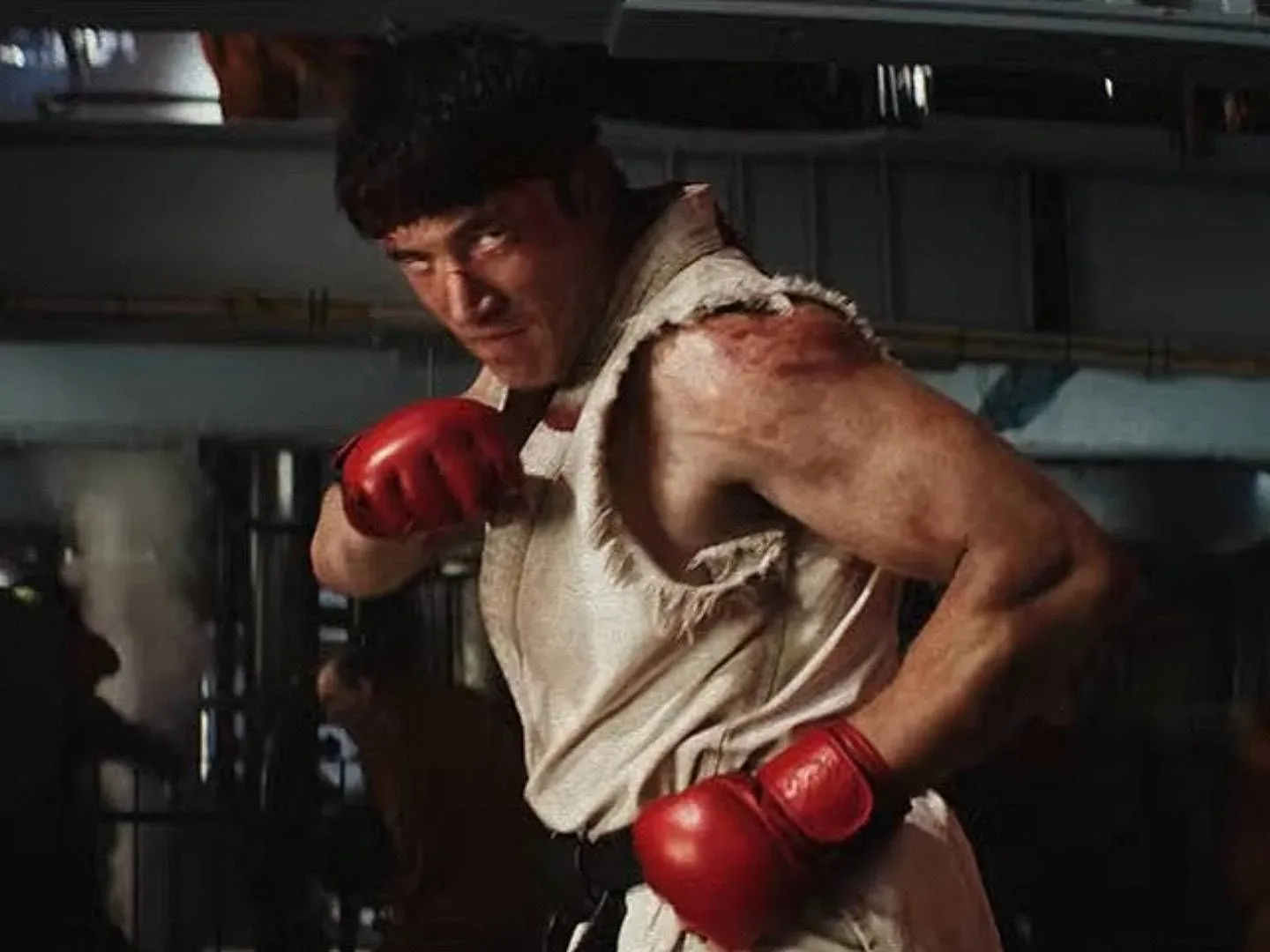
Sakurai singled out Andrew Koji, who plays Ryu, as a passionate gamer whom he would sometimes consult about canon matters during production. It is an intriguing detail because Ryu is one of the franchise’s central figures, and because it describes a creative exchange rather than a purely promotional attachment to the property.
Related coverage includes Street Fighter Director Says Movie Cast Brought Deep Franchise Knowledge to Set.
Having an actor who knows the material does not replace writers, directors or other specialists. Nor does it guarantee that a fan preference becomes a final decision. But it can be practical. Film sets move quickly, and conversations about a character’s history, an allusion, or the significance of a franchise detail can benefit from someone who has lived with the games. Sakurai’s account suggests Koji was one such resource within the cast.
For fans, that is a different prospect from merely seeing Ryu played by someone who learned the broad outline of the role for the shoot. The key word is not simply recognition; it is context. When performers understand where characters sit in the larger Street Fighter world, they can engage with questions of motivation and personality with a shared frame of reference.
Different generations, different routes into the series
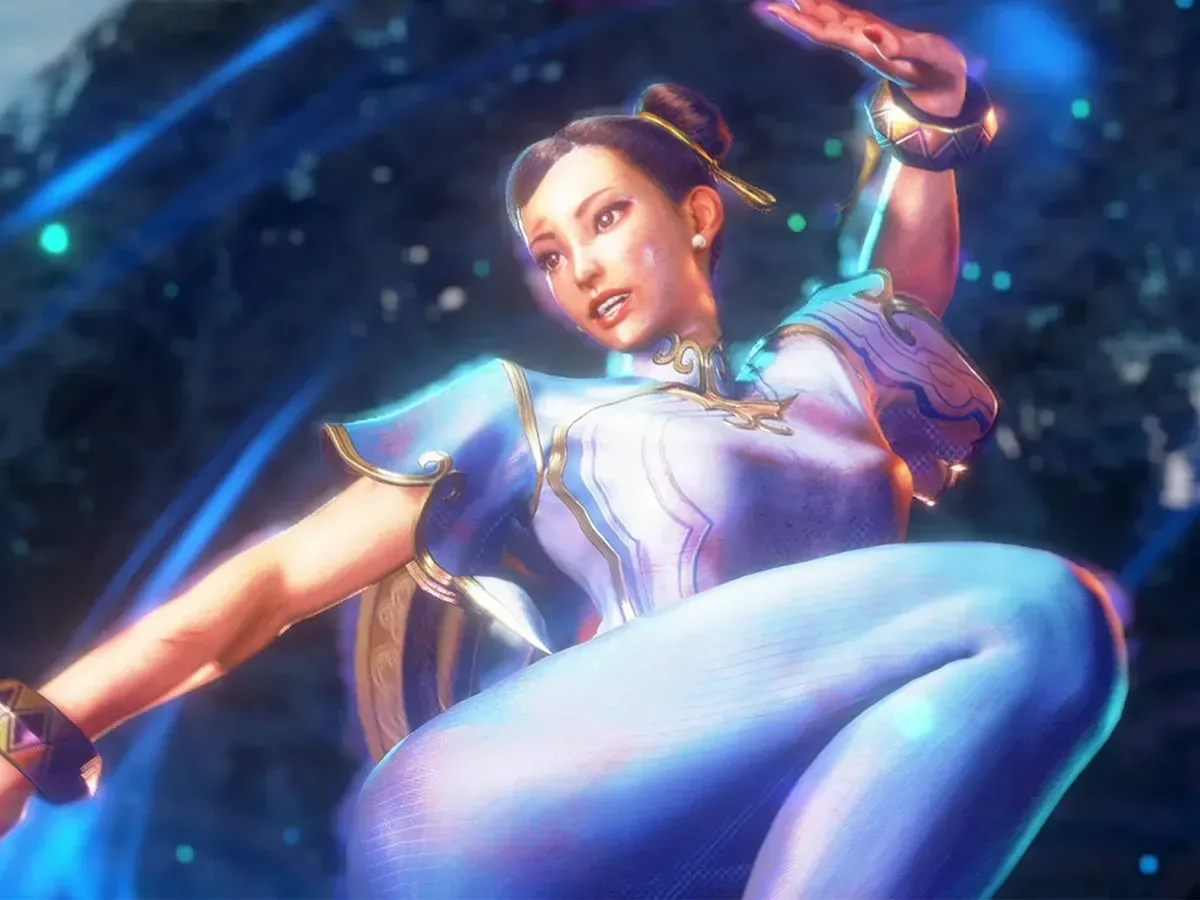
The director also highlighted Callina Liang, who plays Chun-Li, describing her as a genuine gamer whose connection began more recently with Street Fighter 6. That detail is a useful reminder that franchise knowledge does not have one required entry point.
Street Fighter’s audience includes people who remember its arcade-era prominence as well as players whose familiarity comes from a newer installment. Sakurai’s comments present those as complementary perspectives, not competing credentials. Koji’s deep gaming knowledge and Liang’s Street Fighter 6 connection are examples of a cast with different paths into the same series.
That variety could be especially relevant to a film consciously looking backward while adapting a property that continues to speak to newer players. A project that only treated the franchise as a frozen artifact of the past might risk missing what draws a contemporary audience to it. Conversely, a project that ignored the series’ formative identity would have little reason to invoke Street Fighter’s history so strongly. Sakurai’s stated approach appears to be engaging both sides of that equation.
A deliberate ’90s movie ambition
Sakurai has said his larger creative goal was to make the film feel like a movie from the 1990s. He framed the idea as a thought experiment: if the team could return to that decade and produce a game-accurate Street Fighter movie then, what would it look like?
This is not a confirmed checklist of visual effects, costumes, storytelling devices or musical choices. The director’s statement is instead about tone and texture—the overall sensory and stylistic character of a film. In practice, tone is the emotional and dramatic mood a work creates, while texture can describe the accumulated feel of its imagery, settings, performances and presentation. Sakurai is signaling an interest in a period-specific atmosphere rather than only using the 1990s as a passing reference.
The decade has clear relevance to the way he is describing Street Fighter. Sakurai specifically connected the aim to the game’s arcade heyday, when players fed coins into cabinets for another match. His proposed version of the film is therefore not positioned as a detached modern interpretation wearing retro imagery; it is intended to ask how Street Fighter might have translated to cinema alongside the culture that helped define its popular image.
That is an ambitious target, because nostalgia alone is not an explanation of what a movie should be. The important detail is that Sakurai is pairing the period feel with the cast’s fluency in the franchise. One component concerns the movie’s atmosphere; the other concerns its characters and internal references. They are related, but not identical. A film can look retro without understanding Street Fighter, and it can understand Street Fighter without evoking the ’90s. Sakurai is describing an attempt to combine both.
Friendly matches reportedly continued away from the camera
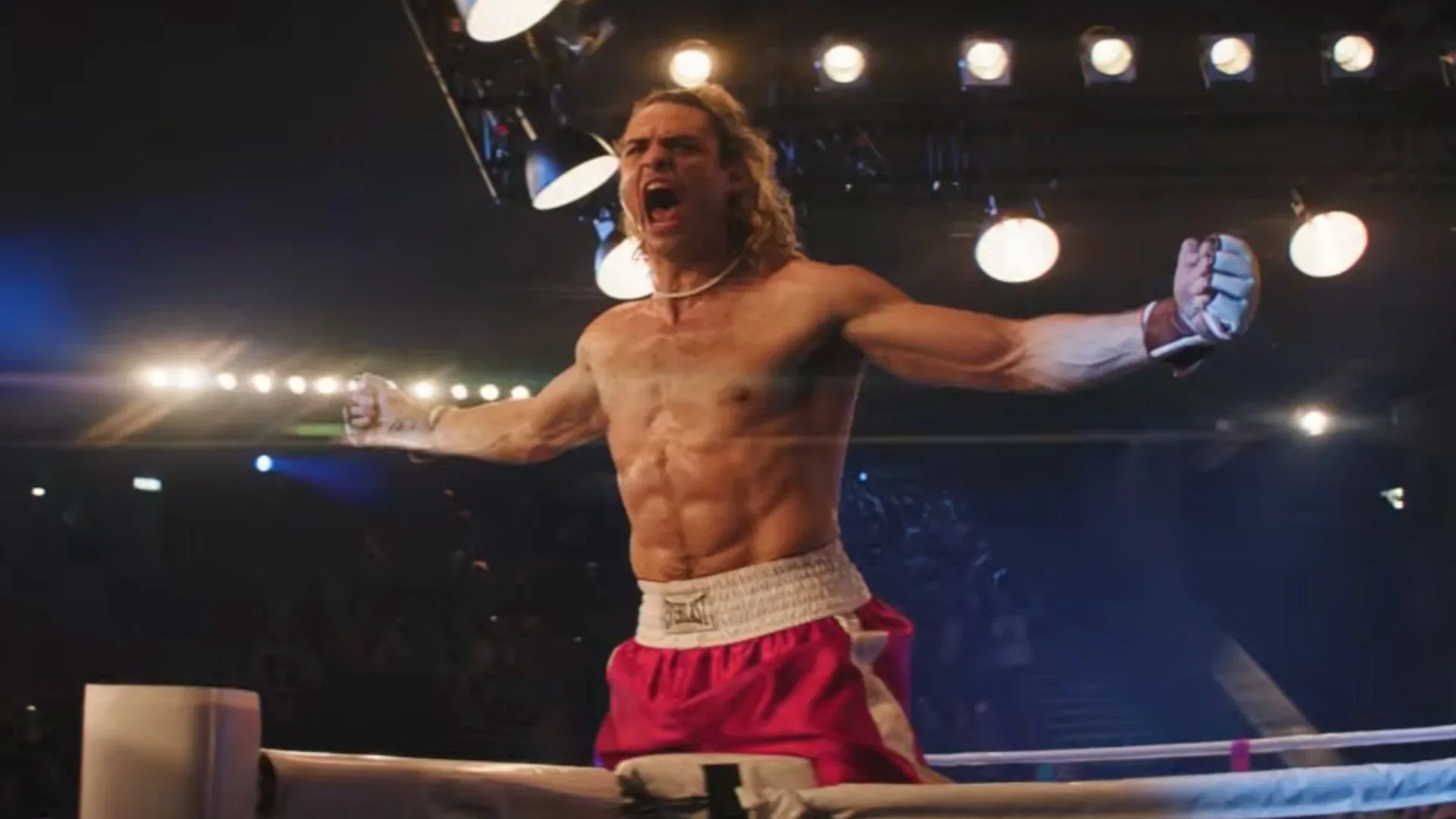
The cast’s enthusiasm was apparently not restricted to discussions of backstory. There were reportedly Street Fighter matches on consoles during the shoot. Andrew Schulz, who plays Dan, was said to have won more than once.
It is a light production anecdote, but one that fits the broader picture Sakurai has painted: the game itself remained part of the cast’s shared language. For a fighting-game adaptation, that is a distinctly appropriate form of downtime. The competitive rhythm, quick rematches and character familiarity that define Street Fighter in play are difficult to separate from the franchise’s social identity.
None of that reveals how Schulz’s Dan will be portrayed or whether off-camera victories have any bearing on the film’s combat scenes. It does show that the performers were engaging directly with the material they were adapting, rather than treating the game as distant research completed before production began.
What fans can reasonably take from these comments
Sakurai’s remarks should be read as a statement of intention, not as proof of a finished film’s success. Knowledgeable actors and a director with a clear period goal are encouraging signs, but they do not answer every question audiences may have about story, action, characterization or the final balance between reverence and adaptation.
Still, the specificity is notable. The director has identified a cast that loves the games, an actor he trusted on canon questions, a newer-player connection through Street Fighter 6, and a desire to recapture the feel of a game-accurate ’90s film. Those elements describe more than a generic effort to put famous fighters on screen. They point to a production that sees Street Fighter’s history, continuity and arcade spirit as material worth actively preserving.
Street Fighter is scheduled to reach cinemas on October 16.