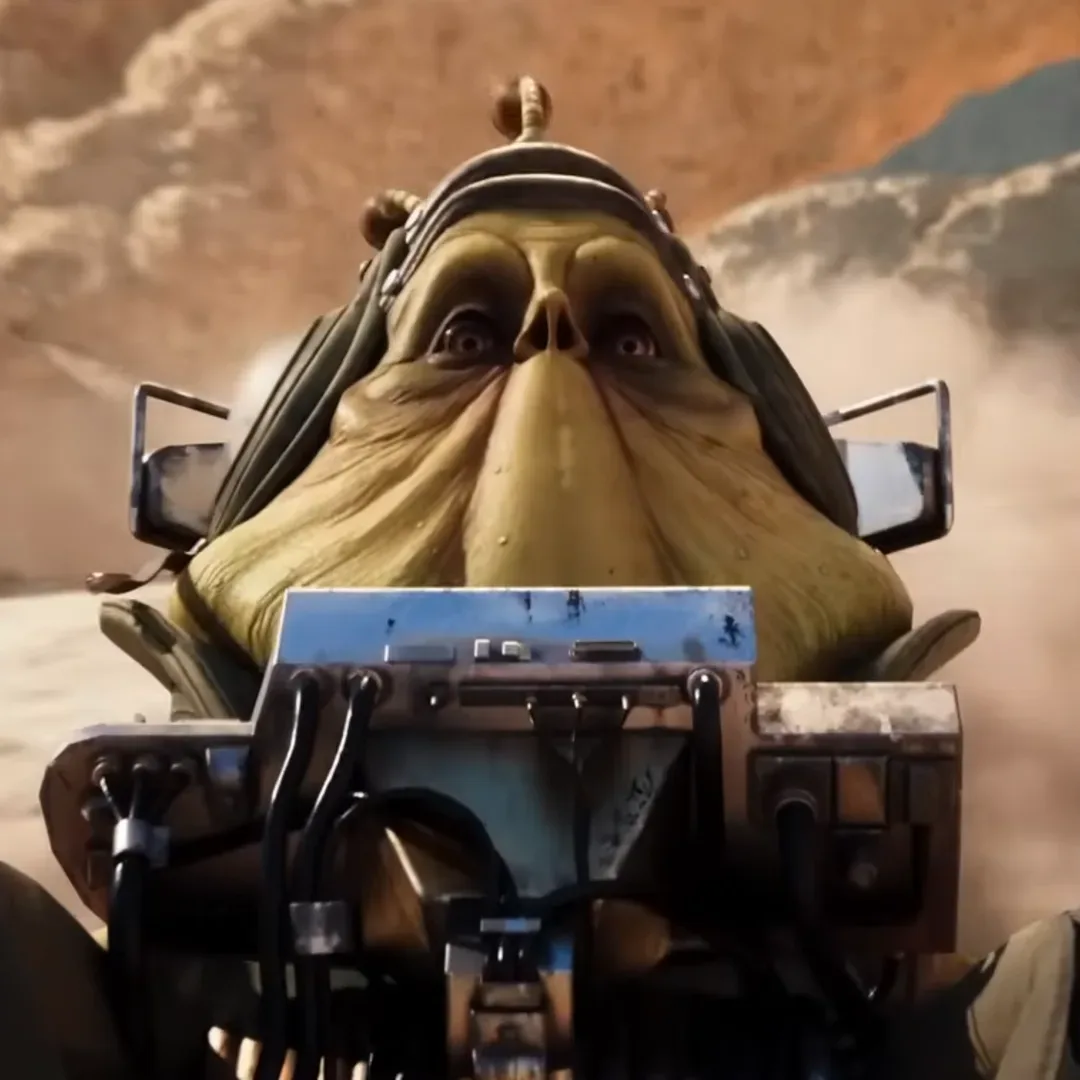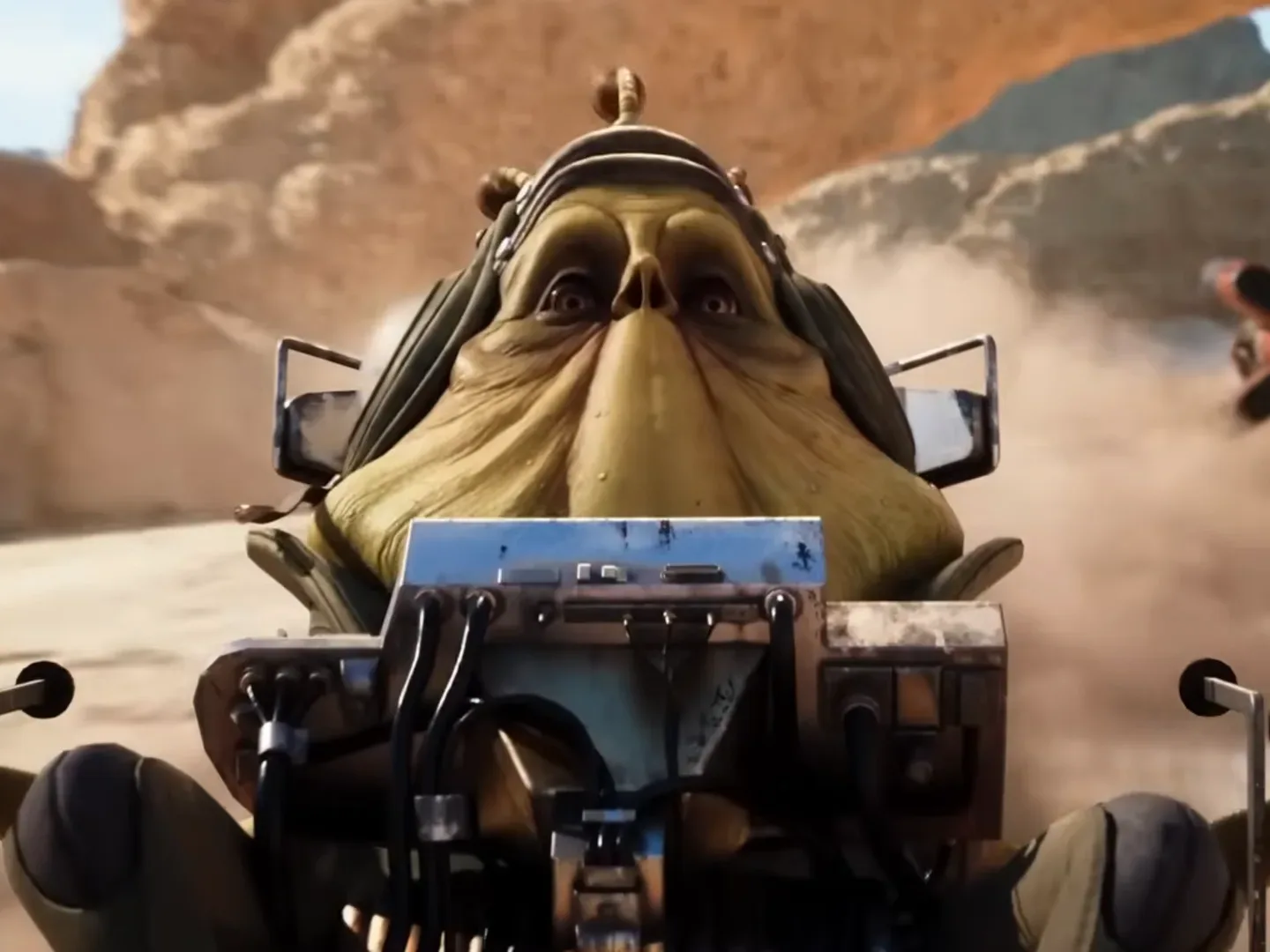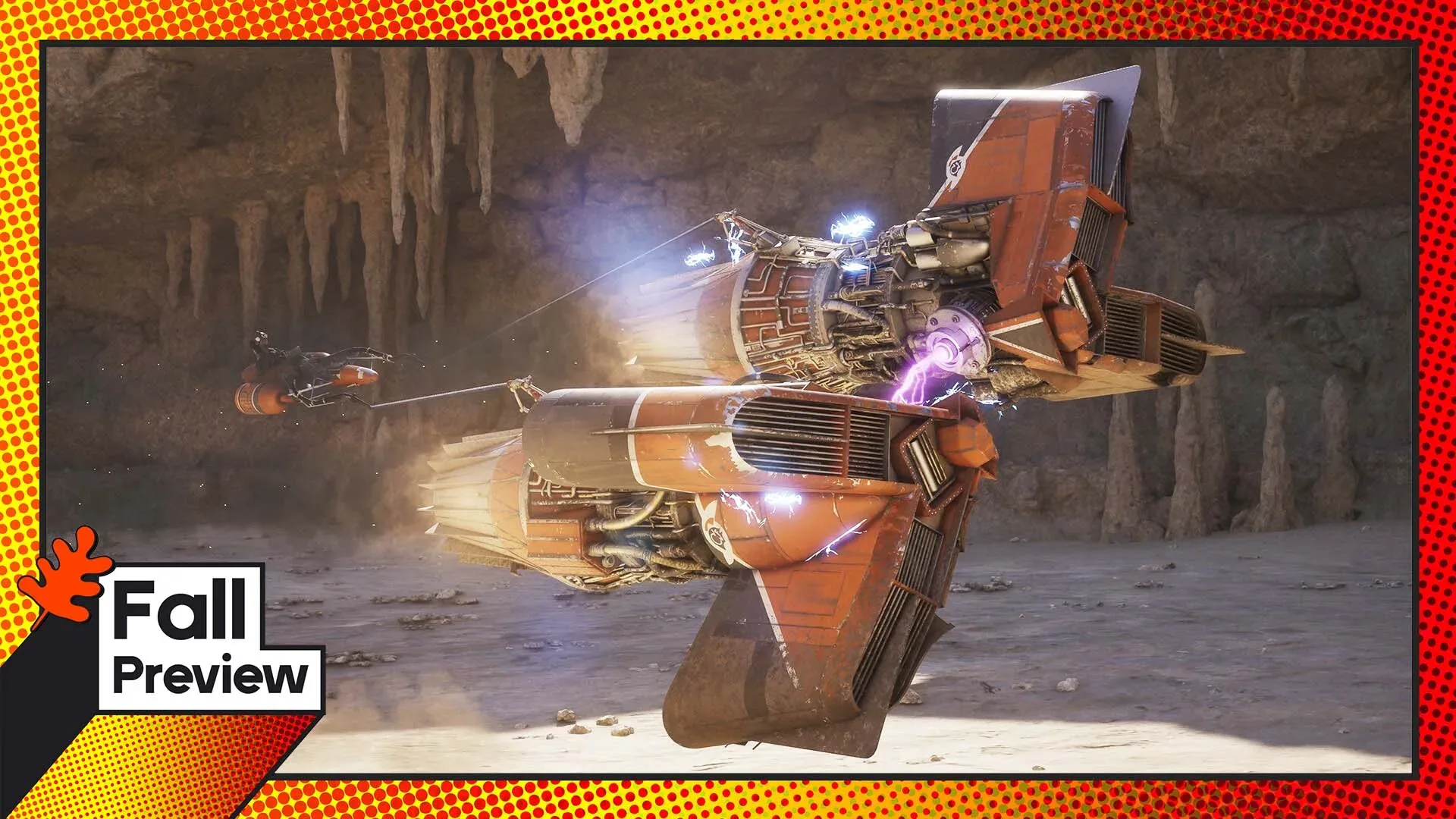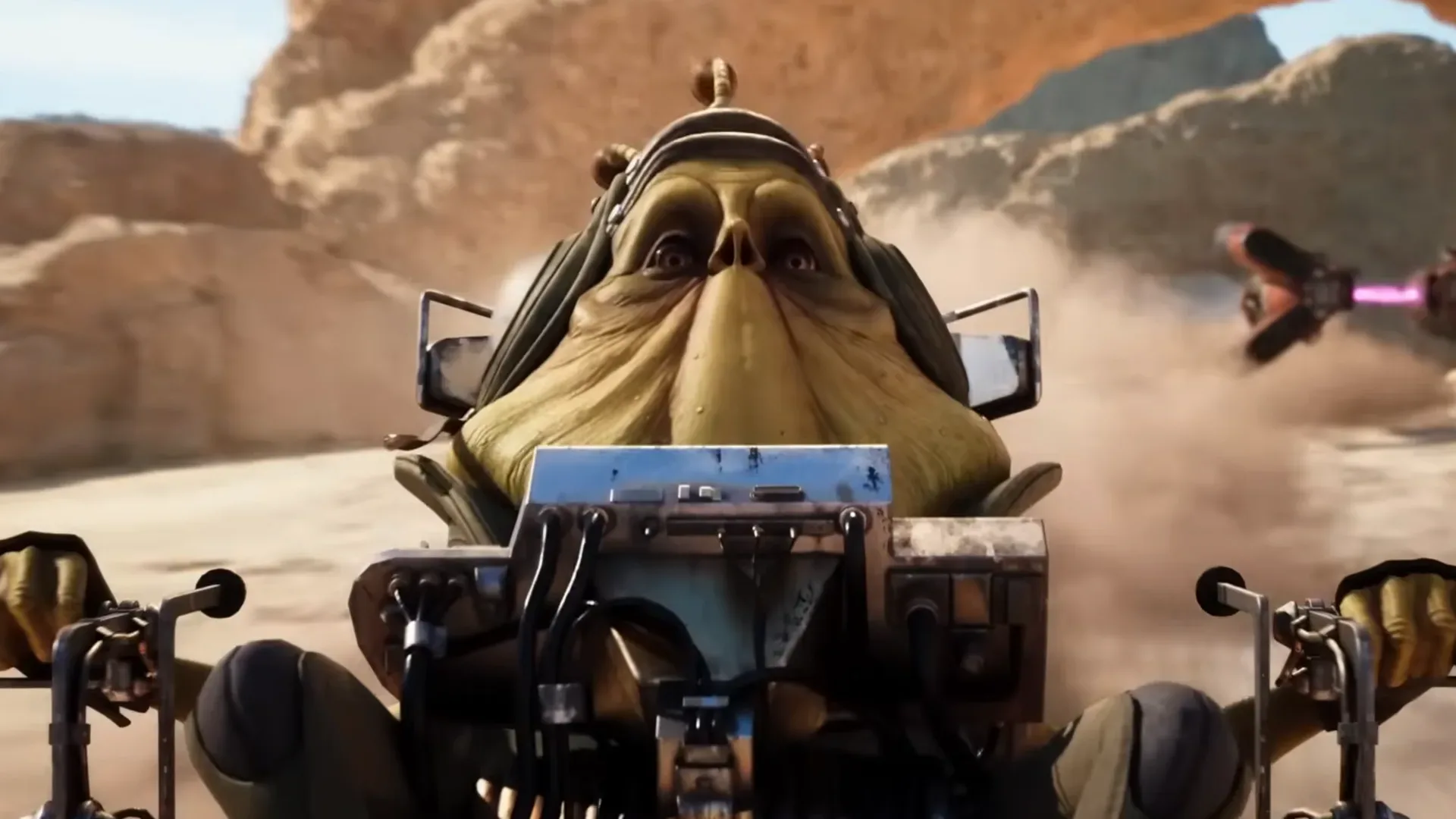
Star Wars: Galactic Racer has posted an 88 Metacritic score from 50 reviews, a result that puts the newly reviewed racer in unusually lofty company for the franchise. At that score, it sits tied for the fifth-highest-rated Star Wars game, alongside the Star Wars table collections for Pinball FX and Zen Pinball.
That placement also puts Galactic Racer ahead of the Cal Kestis-led Jedi games and every Star Wars Battlefront title. The four games above it are Star Wars: Knights of the Old Republic, Star Wars: Dark Forces II, Star Wars Rogue Squadron II, and Star Wars Jedi Knight II: Jedi Outcast. It is an eclectic group: a role-playing landmark, first-person shooters, a flight-action favorite, and now a high-speed racer with a run-based structure.
The number is only a snapshot of reviews currently collected, rather than a permanent finishing position. But 50 reviews is a substantial sample, and the spread described so far is notably positive. Several reviews awarded top marks; two landed at 7/10, while the lowest cited score was 68/100. That does not mean every critic found the same things compelling, but it does suggest a broad agreement that the game has a strong foundation.
What an 88 means—and what it does not
Metacritic is an aggregate, meaning it converts and combines reviews from multiple publications into a single weighted average. It is useful as a rough indicator of critical reception, particularly once a game has accumulated dozens of write-ups. It is less useful as a substitute for knowing what people actually liked or disliked.
An 88 does not mean all reviewers gave the game an 8.8/10, nor does it establish an objective hierarchy between games made in very different eras and genres. A score cannot tell someone whether they personally want a story-driven Star Wars adventure, a tactical game, a flight sim, or an arcade racer. It can, however, flag that Galactic Racer is receiving far more than a polite nod for its franchise license.
That distinction matters with Star Wars games. The series has historically covered a huge range of formats: role-playing games, shooters, space combat, lightsaber action, strategy, pinball, and now a modern motorsport game. Comparing all of them solely by a review average is a bit like judging a podracer, an X-wing, and a speeder bike by trunk space. The comparison is imperfect, but the 88 still reflects a significant critical response.
Arcade racing, rebuilt around repeat runs
The central praise for Galactic Racer points to its blend of slick, high-speed arcade racing and a run-based format. One four-out-of-five assessment described it as bringing the destructive arcade-racing energy associated with the 2000s into a contemporary structure, with roguelike elements working naturally beside the racing.
Arcade racing generally emphasizes immediate handling, spectacle, speed and accessible momentum rather than a strict simulation of real vehicles. The available descriptions place Galactic Racer in that tradition: the appeal is apparently not a painstaking recreation of motorsport mechanics, but the thrill of fast, combative competition in a Star Wars setting.
Related coverage includes Star Wars: Galactic Racer Revs Into the Franchise's Top-Rated Games.
Run-based describes a design in which players undertake a self-contained attempt or sequence—often called a run—and then begin again with new circumstances or altered progression. Roguelike elements can include randomized choices, repeat attempts and build-oriented decisions that change how each run develops. The supplied details do not establish exactly which systems Galactic Racer uses, how far its randomization goes, or whether failure resets every form of progress. What is clear is that reviewers see the run-based layer as a defining part of the game rather than a decorative extra.
That combination has a practical appeal. A conventional racing campaign can ask players to master tracks and improve placement over a long sequence of events. A run-based framework can instead make the moment-to-moment decisions between races as important as taking a corner cleanly. In theory, it gives a racer an additional rhythm: accelerate, survive the event, adapt the next plan, then try another run. Whether that loop suits an individual player is a matter of taste, but it helps explain why this is not being framed merely as “Star Wars with vehicles.”
It is also a reminder that racing games do not need to be mechanically identical to share a broad audience. The wider genre continues to experiment with different inputs and formats, from traditional controllers to immersive devices; for instance, VMX’s gesture-driven VR approach to BMX, mountain biking and scooter riding illustrates how far “racing” and riding games can move from the standard track-day template. Galactic Racer appears to make its own case through speed, chaos and repeatable runs rather than simulation.
A Star Wars sports story after Return of the Jedi
Beyond the score, Galactic Racer has a particularly unusual narrative premise for a Star Wars game. Its story is described as a “sports movie” set after Return of the Jedi, with a fictional motorsports boom that echoes the real-world growth of motorsport after World War II.
That framing is worth pausing on. A sports movie structure usually puts competition at the center: ambition, rivalries, pressure, team identity, recovery from failure and the possibility of a comeback. It does not require galaxy-spanning warfare to create stakes. For a franchise frequently associated with rebellions, empires and mystical destinies, a story about people pursuing glory in a newly energized sporting culture could offer a different scale of drama.
The post-Return of the Jedi setting adds another layer. The evidence provided does not outline the game’s wider political situation, characters or specific plot, so those details should not be assumed. But the broad premise makes sense on its own terms: a period after a major conflict can create room for public entertainment, civilian ambitions and competitive spectacle. Racing becomes the focal point instead of a detour between battles.
Star Wars is no stranger to speed. Podracing remains one of its clearest visual shorthand for dangerous, loud, improvised competition, while speeder chases and space dogfights have long supplied the franchise with motion. Galactic Racer seems to take that energy seriously enough to build an entire game around it, while moving beyond simple podracing nostalgia into a dedicated racing format.
Why the leaderboard is notable
The games ahead of Galactic Racer carry very different reputations. Knights of the Old Republic is closely identified with player-driven role-playing choices. Dark Forces II and Jedi Outcast are action games with a strong place in the franchise’s PC legacy. Rogue Squadron II represents focused aerial action. Their shared feature is not gameplay style; it is that each offered a distinct, well-regarded answer to the question of what a Star Wars game could be.
That is the encouraging implication of Galactic Racer’s early standing. The franchise’s strongest-reviewed games are not all attempts to reproduce the same fantasy. Some put players in cockpits, some hand them blasters or lightsabers, and some send them through conversations and moral choices. This racer’s reception suggests that a competitive motorsport angle can stand beside those more familiar pillars when the design is confident enough.
Its score also surpassing every Battlefront game is striking, though it should not be read as a verdict that one genre is inherently better than another. The Battlefront games have pursued large-scale combat; Galactic Racer is being praised for a concentrated loop of high-speed action and repeat runs. A racer can make a sharper impression by knowing exactly what its core experience is.
Practical takeaway for players
For anyone deciding whether to pay attention to the game, the reviews point toward several reasonable expectations. Expect fast arcade-style competition rather than a claim to vehicle realism. Expect destruction and carnage to be part of the tone. Expect repeated runs and roguelike-inspired structure to shape progression or variety in some fashion. And expect a sporting narrative set after Return of the Jedi, not another story built chiefly around a lightsaber-wielding hero.
Players who want a pure, fixed championship ladder may want to look more closely at how the run-based systems function before deciding if it is for them. Conversely, players who enjoy adapting to each new attempt may find that format the game’s biggest asset. The currently available critical picture says the combination works; it does not mean every Star Wars fan will automatically prefer it to a Jedi adventure or multiplayer shooter.
For now, the main news is simple: Star Wars: Galactic Racer has earned an 88 from 50 reviews and joined a very short list near the top of the franchise’s review-score table. In a galaxy overflowing with blasters, bounty hunters and ancient prophecies, a chaotic sports story about going extremely fast has found a way to stand out.