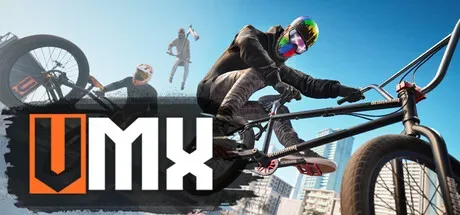
Standalone VR has a new reason to clear some furniture: VMX, a physical-action riding game from Break Free Interactive, is now available for Meta Quest 2 and Quest 3. Priced at $14.99 / £11.99 / €13.99 through the Meta Store, the game puts BMX, mountain biking and scooter riding into a motion-led format built around gestures rather than a conventional sequence of button combinations.
The central pitch is simple, if suitably ambitious for a sport that usually involves gravity making a personal introduction. VMX asks players to use their own movements to handle momentum, pick lines, launch from ramps and execute tricks. Its custom control and physics system is intended to make those actions feel like connected parts of a ride rather than separate inputs fired off in isolation.
That distinction matters. In a traditional trick-riding game, a player may steer with one control and trigger a move with a button or directional command. In VMX, gesture-based controls mean physical movements made with the VR controllers are the basis for riding actions and tricks. The design goal is not merely to put bikes into a headset; it is to make bodily motion the language through which players interact with the course.
A riding game built around movement, not button strings
“Physics” can be an especially broad term in sports-game marketing, so it is worth separating what has been described from what has not. VMX says it uses a custom VR control and physics system and that players control momentum, choose lines and launch from ramps through their own motion. In practical terms, momentum refers to the carry of the rider through a course: how movement and a chosen route affect the approach to a ramp, landing and the next section.
A line, in this context, is the route taken through obstacles, ramps and terrain. Choosing a cleaner line can be as important as performing a big trick, because a route shapes the setup for what follows. VMX’s stated emphasis on lines and launches suggests its riding is meant to involve more than simply moving from one jump to another. Players will be balancing route choice, speed and physical trick gestures as they pursue runs and scores.
There are three ride types at launch: BMX, MTB and scooters. BMX is short for bicycle motocross; MTB refers to mountain bike. The supplied details do not specify mechanical differences between the three categories, such as distinct handling models or trick lists, so prospective players should not assume particulars beyond their inclusion as selectable ride types. Their presence nevertheless broadens the game’s riding theme beyond a single discipline.
The real test for a gesture-driven game is whether its physical vocabulary is understandable and satisfying, not simply whether it sounds more active than pressing a face button. VR motion controls can give an action immediate, readable intent—especially for a trick sport—but they also make player comfort and consistency important. VMX addresses one side of that equation with two explicitly different movement options.
Comfort Mode and Immersive Mode target different VR tolerances
VMX includes Comfort Mode and Immersive Mode. Comfort Mode is described as a smoother option designed to reduce motion discomfort. Immersive Mode is aimed at more experienced VR players who want a stronger feeling of physical movement.
Related coverage includes VMX Brings Gesture-Driven BMX, MTB and Scooter Riding to Quest.
Motion discomfort, sometimes also called VR sickness, can occur when what a player sees suggests movement that their body is not physically experiencing. Rapid virtual travel, sudden shifts in direction and the sensation of dropping from height can be particularly challenging for some people. A comfort-oriented option is therefore a meaningful inclusion in a game centered on ramps, launches and rapid rides.
The two modes also make the intended audience clearer. VMX is not positioned only for veterans comfortable with intense locomotion; it includes a setting intended to make the experience more approachable. At the same time, the Immersive Mode option acknowledges that some players specifically seek a more forceful sensation of virtual motion. Which mode is preferable will depend on individual VR experience and tolerance rather than a universal “best” setting.
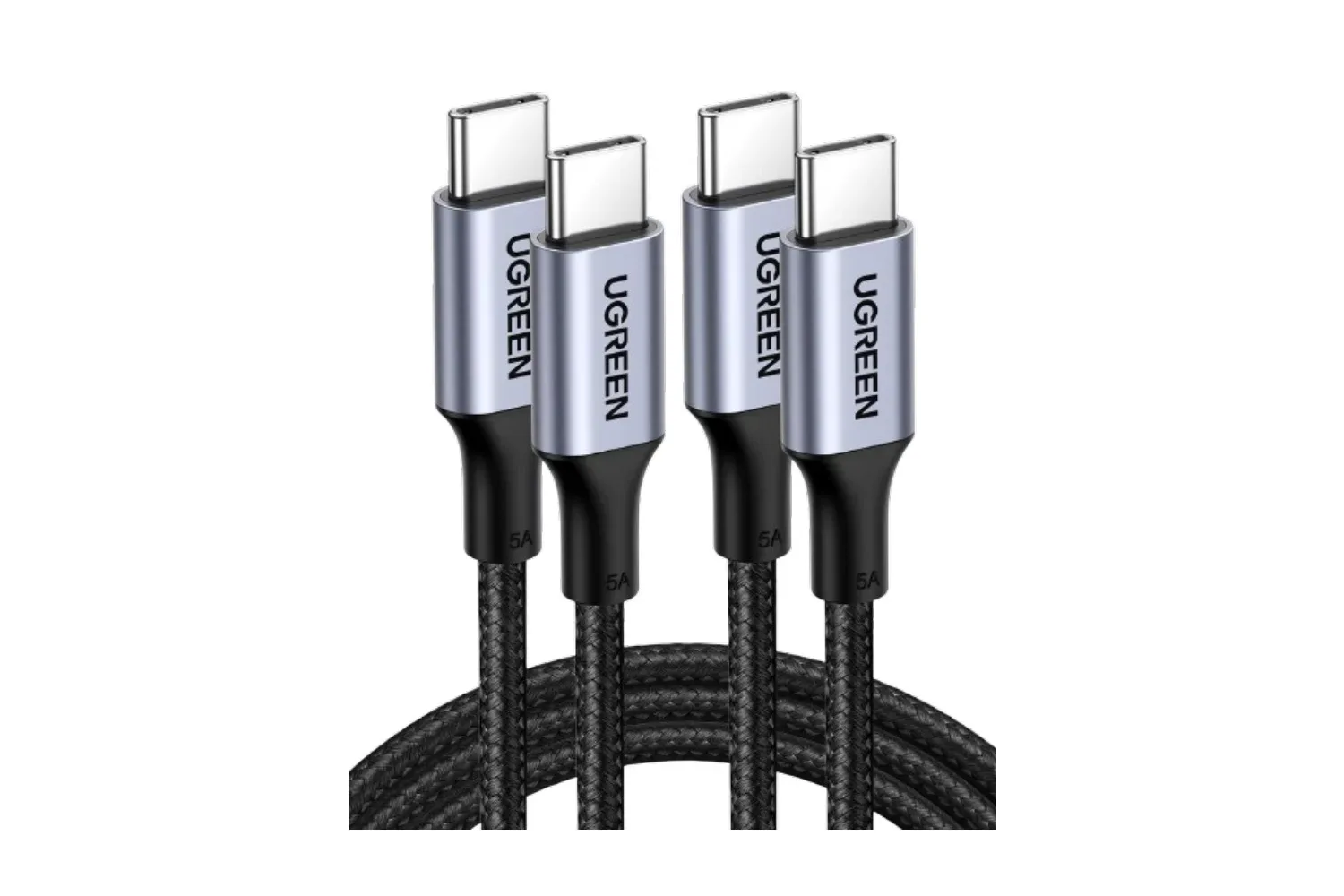
Players should also keep ordinary room-scale considerations in mind. The game’s premise is physical movement, so a clear play area and awareness of nearby furniture are sensible precautions. A comfortably charged headset and controllers are equally practical concerns for standalone sessions; players building out a charging setup may also find a spare USB-C lead useful, as in this look at a USB-C cable two-pack. Compatibility and charging requirements should always be checked against the specific headset and power adapter being used.
Five launch locations, from a dirt track to a megaramp stadium
VMX begins with five locations that cover markedly different riding backdrops:
- Under the Bridge Skatepark
- Utah Desert Dirt Track
- Miami City Map
- Docks/Harbour Map
- A large stadium with a megaramp and animated crowd
The list gives the game a mix of skatepark, urban, dirt and spectacle-focused settings. Under the Bridge Skatepark sounds tailored to ramp and obstacle riding, while the Utah Desert Dirt Track brings a terrain-led contrast. Miami City and the docks or harbour setting add city environments, and the stadium is the most explicitly presentation-focused location thanks to its megaramp and animated audience.
A megaramp is, as the name very politely warns, a large ramp designed around major air and long launches. Within VMX’s stated structure, it is likely to serve as a dramatic space for testing trick execution and building high scores. The available information does not set out score rules, trick multipliers or map-specific objectives, so the exact scoring model remains unspecified.
Players can use the locations for high-score challenges, Free Ride and multiplayer sessions with friends. High-score play frames the environments as spaces for repeat attempts and score chasing. Free Ride offers a practice-oriented alternative, giving players room to ride without the same implied pressure of a competitive target. Multiplayer, meanwhile, opens the possibility of sharing a session with friends rather than keeping every run solitary.
The announcement does not detail multiplayer formats, player counts, online requirements or whether high-score challenges include global leaderboards. Those are useful questions for players who prioritize social play, but they are not features that can be confirmed from the launch information alone.
The Workshop turns earned points into visual identity
Beyond the riding itself, VMX has a Workshop for personalising equipment and the rider. Bikes can be customised using spray-painted colours, gradients and patterns. Riders can receive unlockable helmets, goggles, full-face helmets, snapbacks, beanies and other gear.
The distinction between a colour, gradient and pattern is useful here. A colour is a single visual shade; a gradient transitions between colours; a pattern adds a repeated graphic treatment. Together, those options should allow more variation than simply choosing one paint colour for a bike. The supplied details frame the Workshop as cosmetic customisation, not as a performance-tuning system. There is no stated evidence that gear or bike looks alter handling, speed or trick capability.
Points earned while playing can be spent on new cosmetics and gear. This gives regular runs a visible progression loop: riding activity produces points, and points provide access to items that change a player’s look. For score-minded players, that setup can make practice and challenge attempts serve two purposes at once—improving a run while moving toward new Workshop options.
Importantly, the details only establish that these unlocks are purchased with gameplay-earned points. They do not identify the full catalogue, point costs, every earnable item or any separate purchase system. Keeping that boundary clear is especially relevant when a game uses terms such as “unlockable” and “Workshop,” which can describe very different models across games.
What VMX offers at launch
VMX’s launch package is defined by a focused set of components: physical VR riding, gesture-based tricks, BMX/MTB/scooter ride types, five locations, high-score challenges, Free Ride, multiplayer, comfort settings and cosmetic progression through the Workshop.
The most distinctive part is still its control premise. Plenty of games ask players to chase scores on ramps and tracks; VMX is specifically built around making the player’s gestures central to the act of riding. The approach will likely appeal most to Quest owners looking for a sports experience where movement is not a side feature, but the core interface.
VMX is available now on Meta Quest 2 and Meta Quest 3 via the Meta Store. It launches at $14.99 in the United States, £11.99 in the United Kingdom and €13.99 in euro-priced regions. The official trailer is available on YouTube.