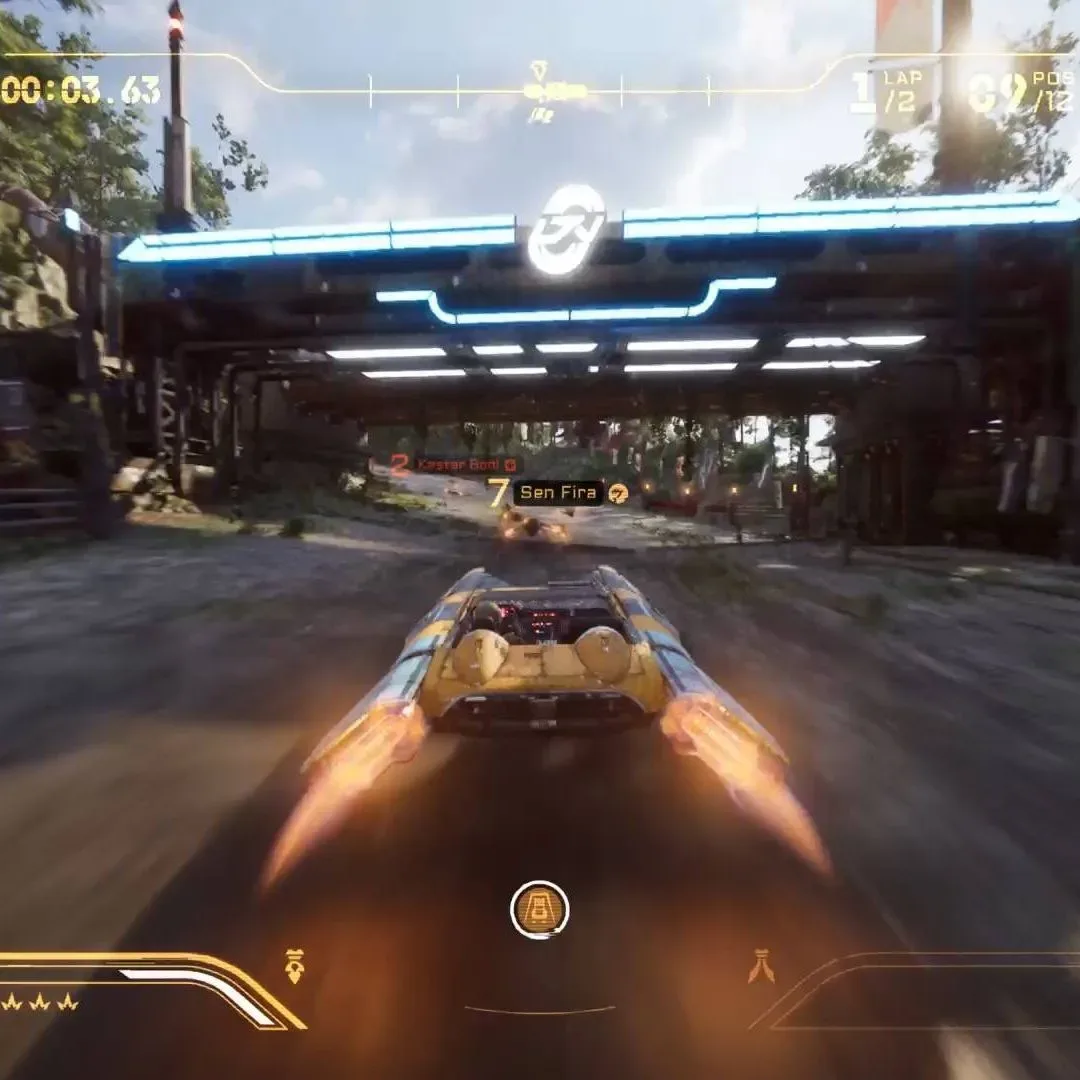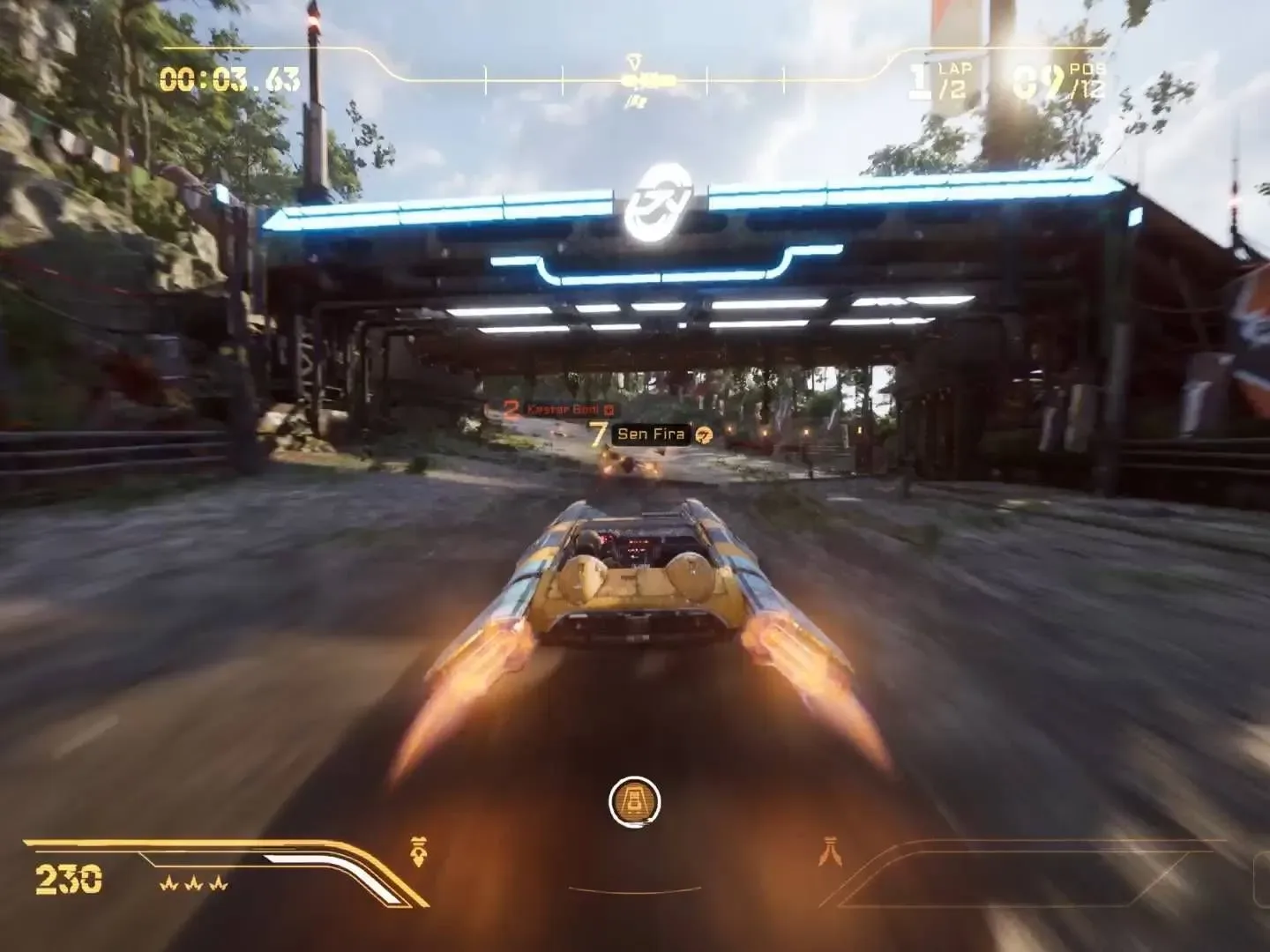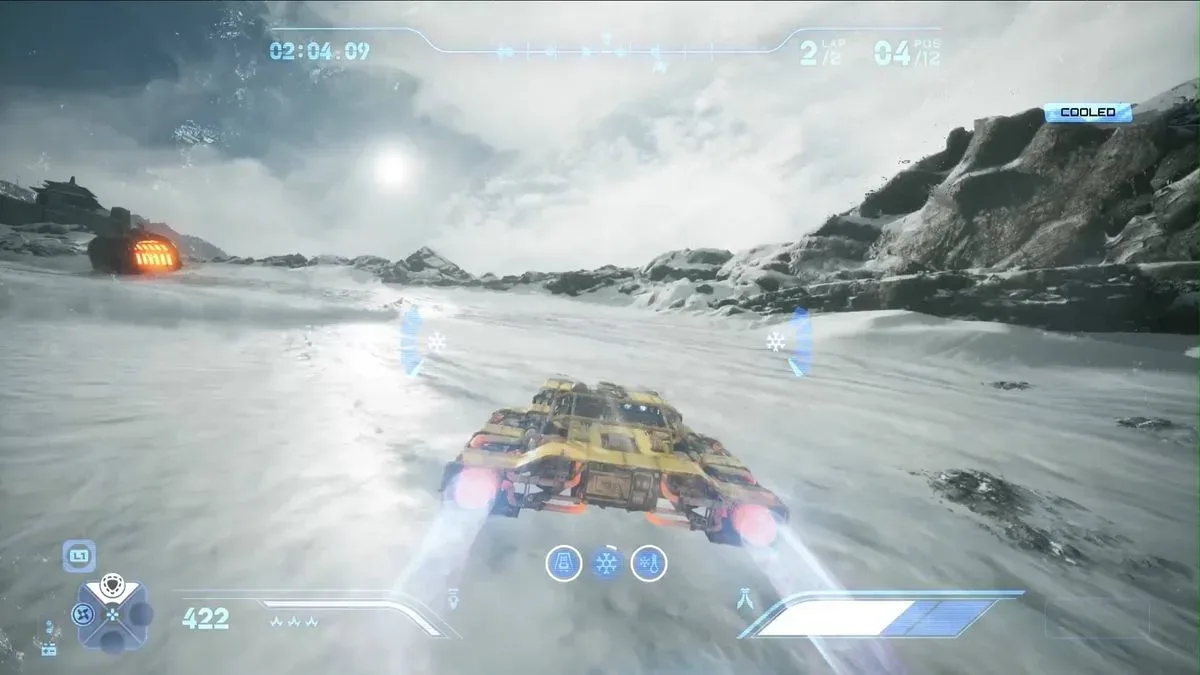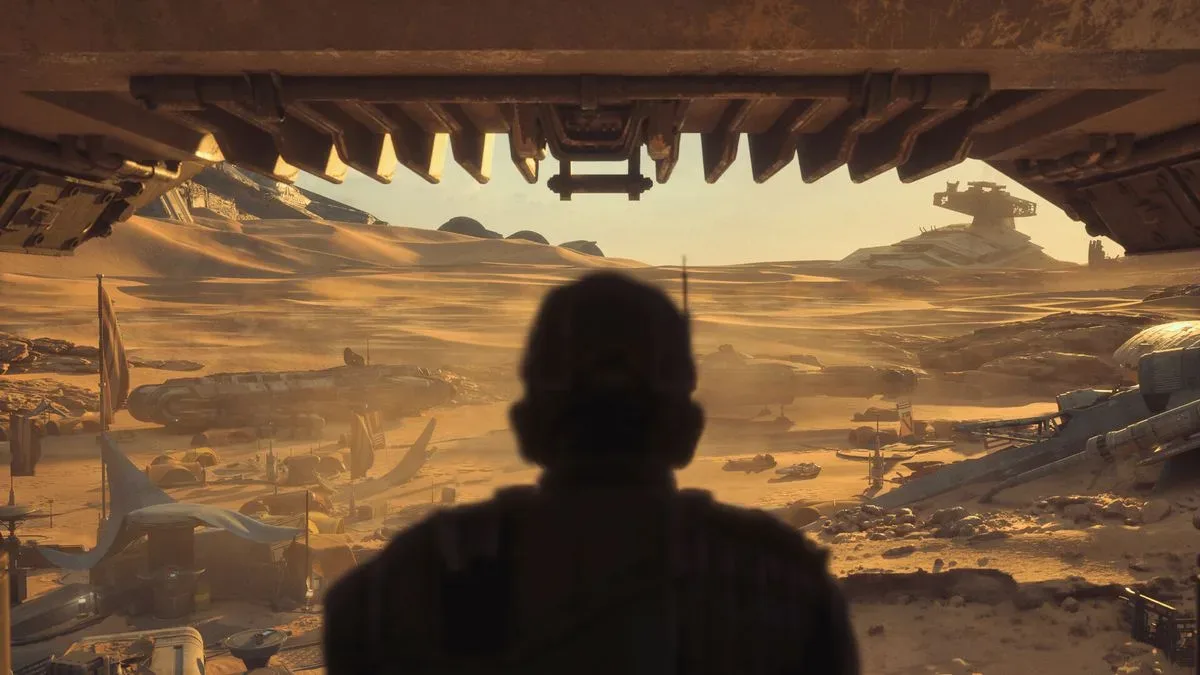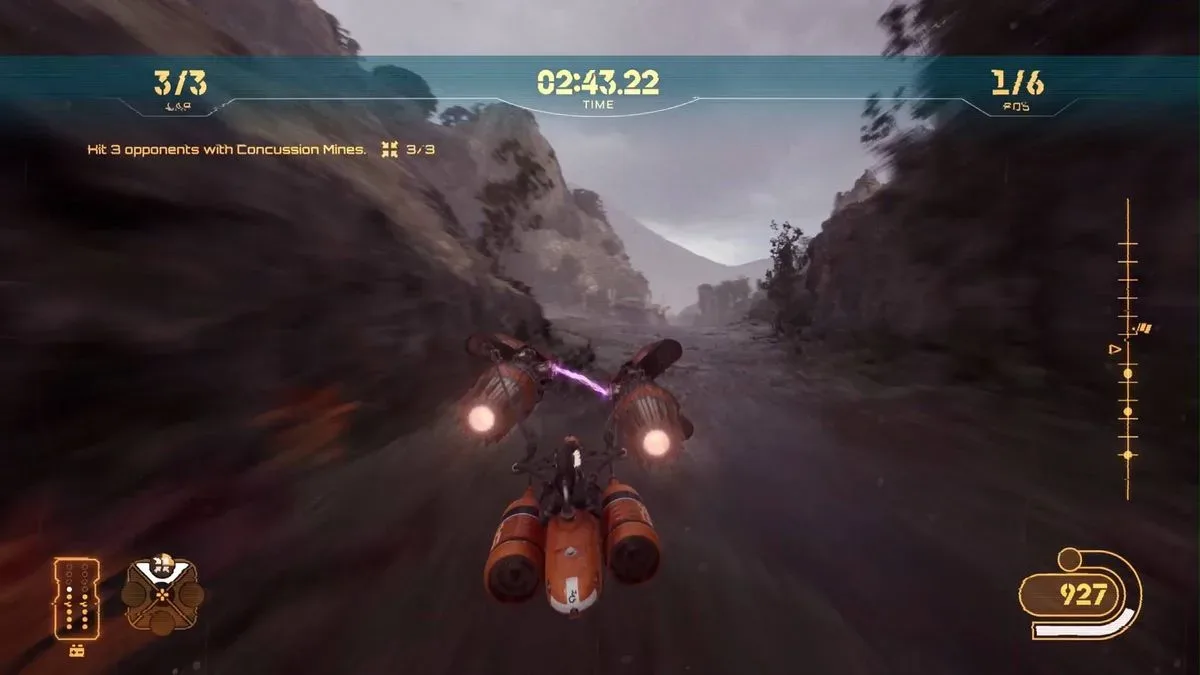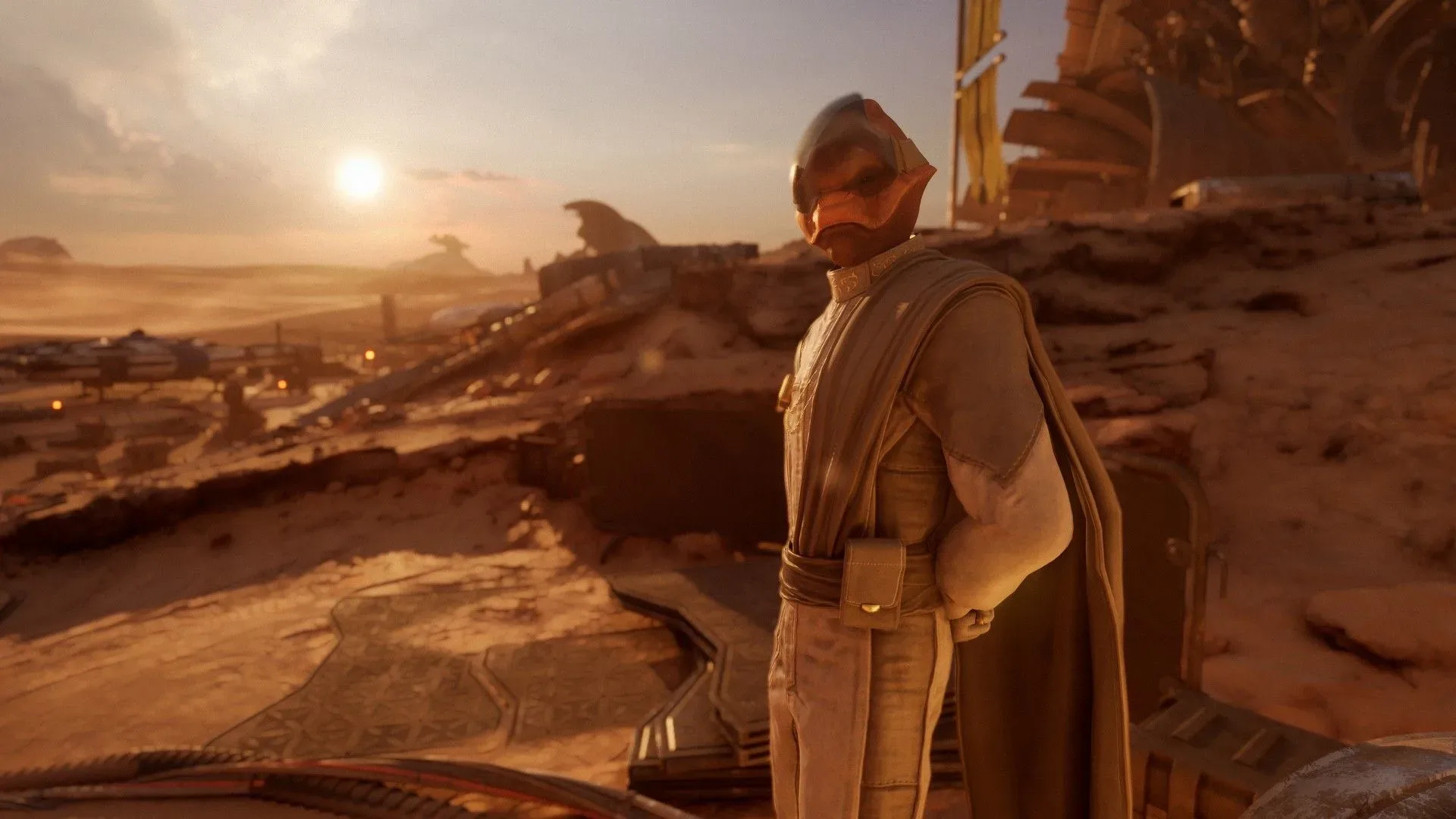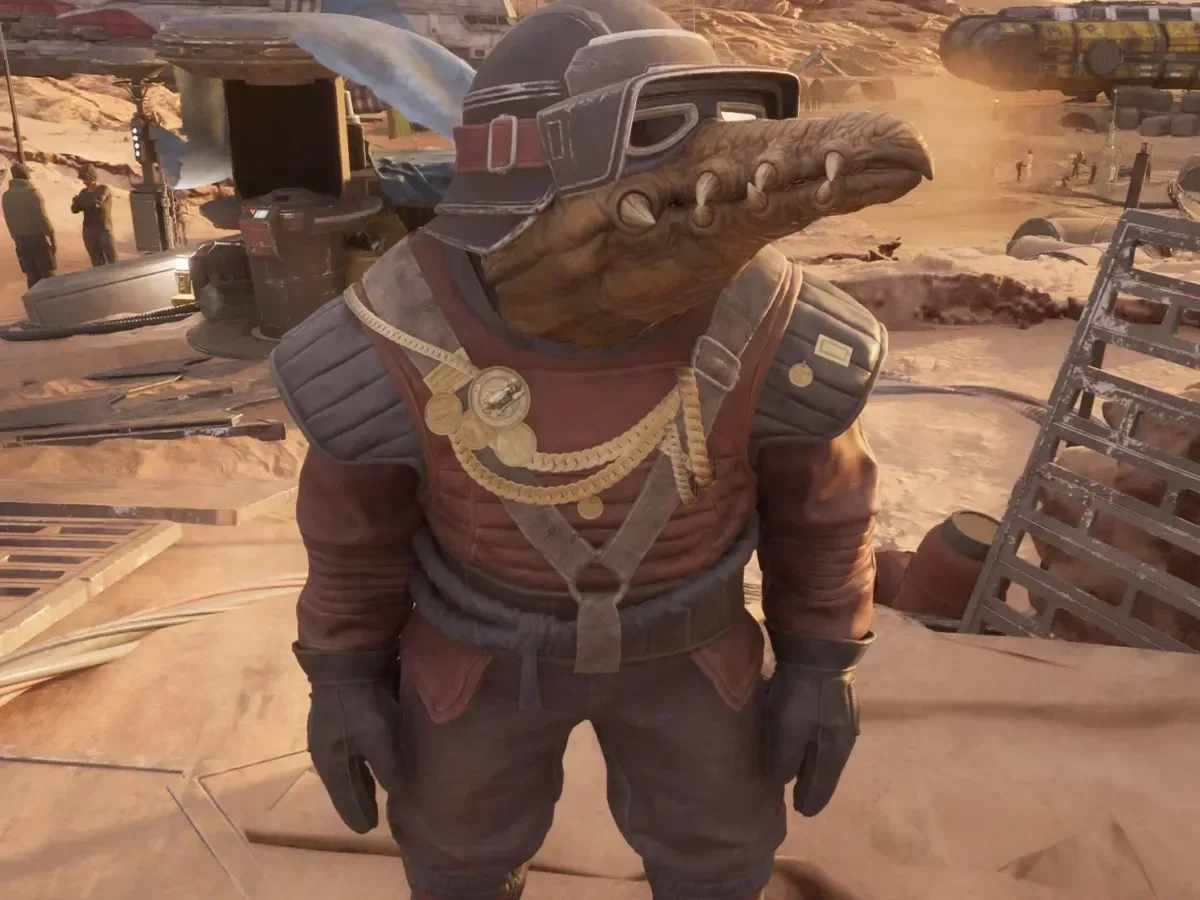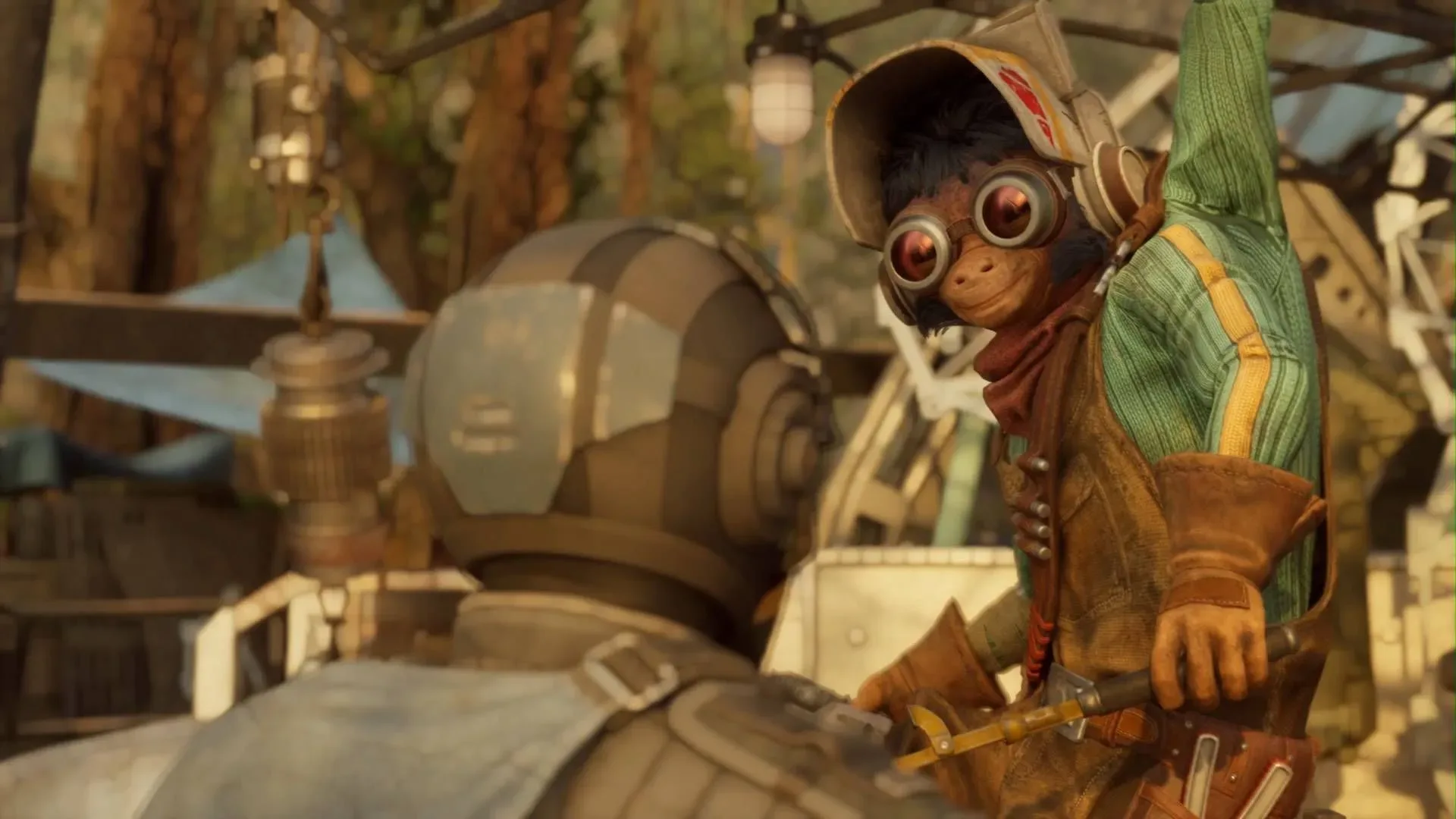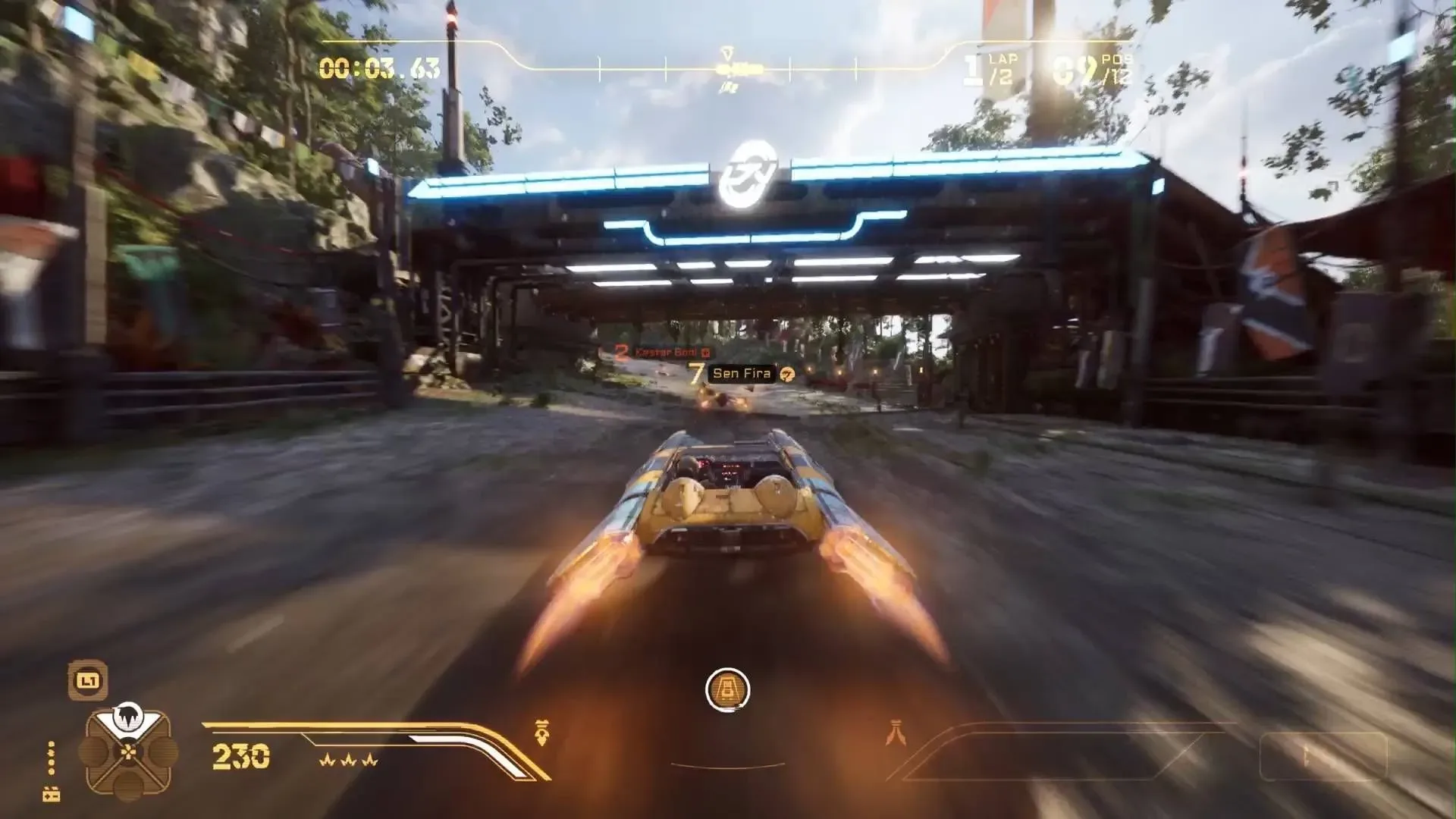
Star Wars: Galactic Racer was the goal for Fuse Games almost from the moment the studio existed. Founded in January 2023 by developers with Criterion Games experience, the team made its pitch to Lucasfilm Games roughly three weeks later. The premise joins two strands of that history: a background in high-speed arcade racers, including the Burnout series, and prior work on Star Wars games.
But Fuse’s ambition is not simply to place the old Burnout sensation inside a galaxy of speeders. The studio is using a runs-based, roguelike-inspired structure to make collisions, placement and survival carry more weight than they commonly do in major racing games. Its central argument is straightforward: an arcade game can be easy to enter without becoming shallow, and a race does not need to end in first place to feel like progress.
That is a notable position in a broad racing landscape that has emphasized scale, realism, open worlds, large vehicle lists and constant rewards. Fuse creative director Kieran Crimmins sees the post-Burnout Paradise era as a major change for the genre, but argues that another comparable shift has been missing. CEO Matt Webster identifies the missing ingredient more bluntly: consequence. If striking a wall has no real impact, the emotional charge of taking a risk can disappear with it.
A racing game built around consequences
Galactic Racer’s answer is not just visual damage or a harsher reset after an error. Fuse settled on a structure influenced by roguelikes after extensive prototyping. In the broadest sense, a runs-based game organizes play into attempts with meaningful outcomes rather than treating every event as an isolated race. A roguelike-inspired design generally asks players to adapt across those attempts, absorb setbacks and make choices under pressure. Here, that framework is being applied to arcade racing.
The result pushes against a familiar expectation: that a player should reliably win every event. Webster says the team wanted players to regard a hard-earned fifth place as an acceptable, even satisfying, result. That reframes placement from a binary pass-or-fail reward into a measure of how well a run was salvaged.
The game’s collisions are meant to support that same idea. Early success is not positioned as automatic, because a demolished speeder can derail a race. Fuse has described a current loop in which players can crash three times, while earlier versions permitted only one crash. Another prototype required top-three finishes every time; that stricter condition survives in the game’s Eliminator event rather than defining all progression.
Those details matter because they show that the intended friction is calibrated rather than accidental. One crash would have made each mistake extremely costly. Requiring a podium in every event would narrow the range of outcomes the game treats as valuable. On the other hand, Crimmins said a less demanding version became too trivial, with decisions no longer feeling important. The released design target sits between those extremes: errors should sting, but they should also teach.
“Arcade” is not the absence of depth. It is how a game presents itself, making a strong experience quickly accessible while giving players a reason to continue.
Related coverage includes Star Wars: Galactic Racer Aims to Restore Risk and Consequence to Arcade Racing.
Burnout’s influence, translated into Star Wars speeders
Fuse’s pedigree gives the project a clear starting point. Criterion Games previously led the Burnout series, a name closely associated with speed, spectacular collisions and aggressive driving. Former Criterion developers also worked on EA’s 2015 Star Wars Battlefront and its sequel, making the studio’s Star Wars pitch a convergence of existing experience rather than a random genre swap.
There is an older Star Wars connection in the design thinking, too. Webster said the podracing sequence from The Phantom Menace had been a major reference point while Burnout was being made: not merely because it involved a race, but because of its scale, velocity, power and violent-looking wrecks. Galactic Racer brings that influence back into a direct Star Wars setting, with a structure where crashes are intended to be learning moments rather than disposable spectacle.
That distinction is important. Crash-heavy racing can be read as pure chaos if collisions have no strategic aftermath. Galactic Racer’s approach appears to make destruction part of the player’s judgment: when to force a position, when to protect the run, and when survival must take priority over the ideal finish. The speed remains an attraction, but it is no longer separate from the cost of losing control.
There is also a useful historical parallel in Burnout Paradise. The 2008 game was not the first open-world racer, but its trackless driving playground helped influence early entries in Forza Horizon and The Crew. Fuse’s founders therefore have experience working on a racer that helped redirect the genre’s attention toward a new structure. Galactic Racer is attempting a different kind of structural experiment: not an open map, but an arcade racer whose momentum comes from runs, risk and recovery.
That does not guarantee a new industry-wide turning point. It does, however, explain why the team is not treating the Star Wars license as enough by itself. The goal, as Lucasfilm Games executive producer Craig Derrick describes it, was to find a way to push the racing genre forward, even though the studio could readily have made a conventional arcade racer.
Why a fifth-place finish can be a design win
A hard-fought fifth place is the clearest expression of Galactic Racer’s philosophy. Conventional racing progression often puts first place at the center of every event, with failure softened by quick retries or limited penalties. Fuse is instead asking players to accept that a lower finish may be an accomplishment when the alternative was wrecking out or compounding bad decisions.
That is not a rejection of winning. It is an effort to make a win emotionally legible. If victory arrives too frequently or with little danger, it can lose its impact. If every loss is crushing, players can feel punished rather than challenged. Fuse’s design process has focused on that tension, especially because the game reportedly imposes significant cognitive load.
Cognitive load refers to the mental effort required to process information and act on it. In an arcade racing context, it can include reading the circuit, controlling speed, avoiding impacts, judging opponents, tracking a run’s stakes and deciding whether a risky maneuver is worth it. The point is not to turn Galactic Racer into a simulation. Rather, it is to give fast, approachable controls a context where attention and decisions matter.
For players, the practical implication is a different mindset. Success may mean finishing cleanly after a difficult sequence, preserving the limited number of crashes available, or taking a viable position rather than throwing everything away for a desperate first-place attempt. These are not instructions for a specific event so much as the priorities implied by the game’s structure: survival is part of performance.
That structure may also make individual results easier to remember. A first-place finish after a demanding run has a clearer dramatic arc when crashes, imperfect placements and recovery are recognized as meaningful. Likewise, a fifth place can become a story of restraint or adaptation rather than a screen that merely says the player did not win.
Accessibility without sanding off the edge
Making this system work for Star Wars fans who may not normally play racing games is one of Fuse’s bigger challenges. The studio does not appear to be solving that by removing difficulty. Instead, Lucasfilm Games describes an onboarding path that begins with a racing story, then slows the pace in a paddock area where players can understand the world and their place within it before the challenge escalates.
The paddock is significant because it offers a deliberate pause from the intensity of the circuit. Racing games often ask players to learn at speed; Galactic Racer’s setup seeks to alternate velocity with room for orientation. That rhythm supports the game’s stated “peaks and troughs” of intensity, strategy and difficulty. The story follows Shade, giving the racing action a narrative route for introducing players to its systems.
Webster’s definition of arcade design is especially relevant here. In this view, “arcade” describes presentation and immediacy, not a lack of mechanical depth. Players should be able to jump in and quickly have an exciting experience, but the game should still create a reason to return. Galactic Racer’s modern layer is its run structure, which supplies a longer-term tension without abandoning the quick, visceral appeal associated with arcade racing.
That is a more demanding proposition than simply choosing between accessibility and challenge. A game must make its stakes clear enough that a newcomer understands why a collision mattered, while avoiding a level of punishment that feels arbitrary. The earlier one-crash and mandatory-podium experiments suggest Fuse tried both directions before settling on its current balance. The three-crash model gives room for error; the existence of a specialized Eliminator event preserves a sharper test for players who want it.
A different route for the modern racer
Modern racing games have often chased breadth: more vehicles, more territory, more activities and more rewards. There is nothing inherently wrong with that approach, but Galactic Racer is looking for intensity instead. It wants a race to have consequences, a crash to disrupt a plan, and the gap between a perfect result and a rescued result to create drama.
Its Star Wars setting is not incidental to that effort. The earlier influence of podracing gives Fuse a visual and emotional language for precarious, high-speed machinery. The studio’s Burnout background supplies a tradition of forceful impacts. The runs-based format supplies a way to turn both into a loop of learning and decision-making.
Whether that becomes a broader “sea change” for racers is an open question, but the concept is distinctive: an accessible arcade game that refuses to make every race consequence-free, and a Star Wars racing story where staying in the fight can matter as much as crossing the line first. For more on the project’s emphasis on meaningful placements, see Star Wars: Galactic Racer’s hard-fought fifth-place philosophy.