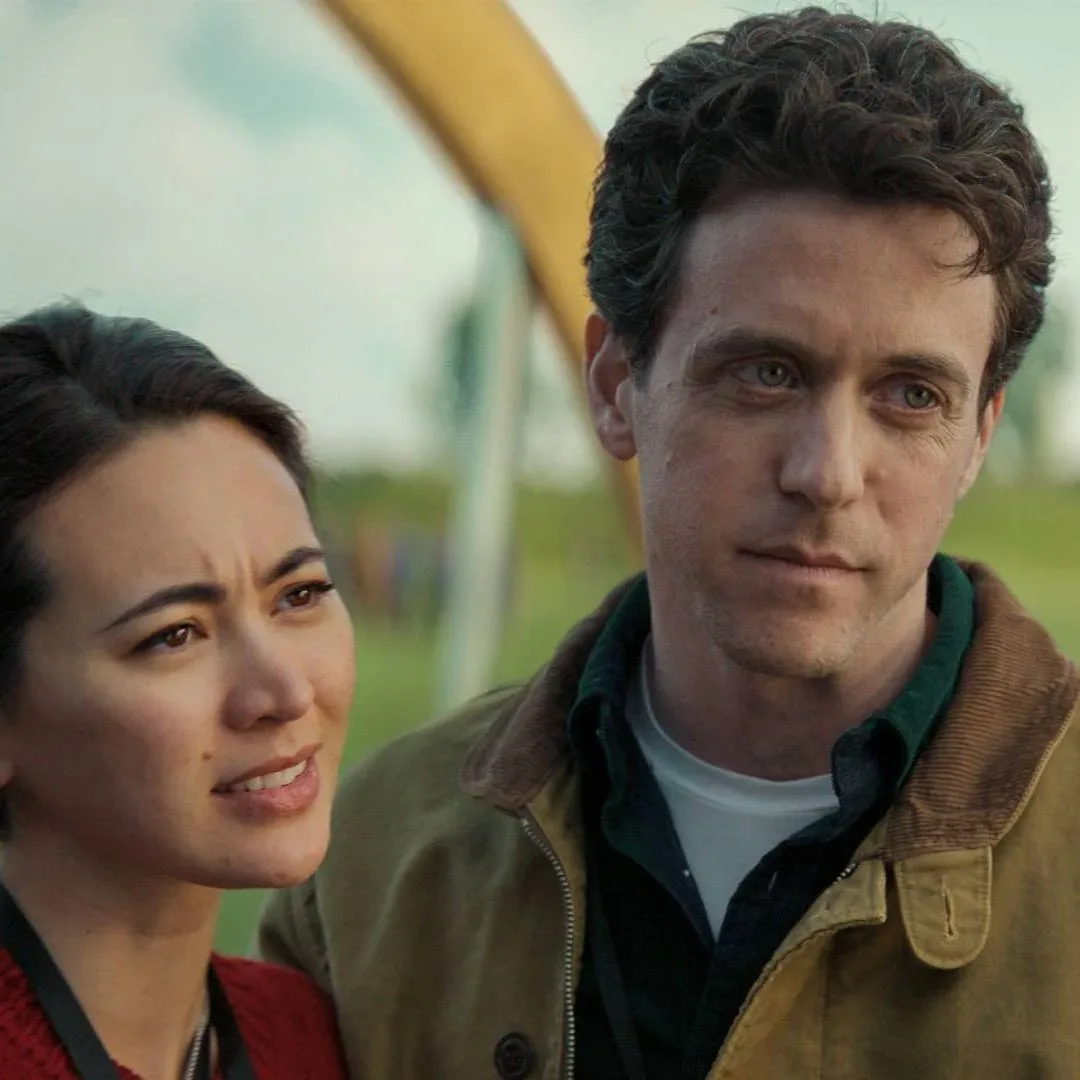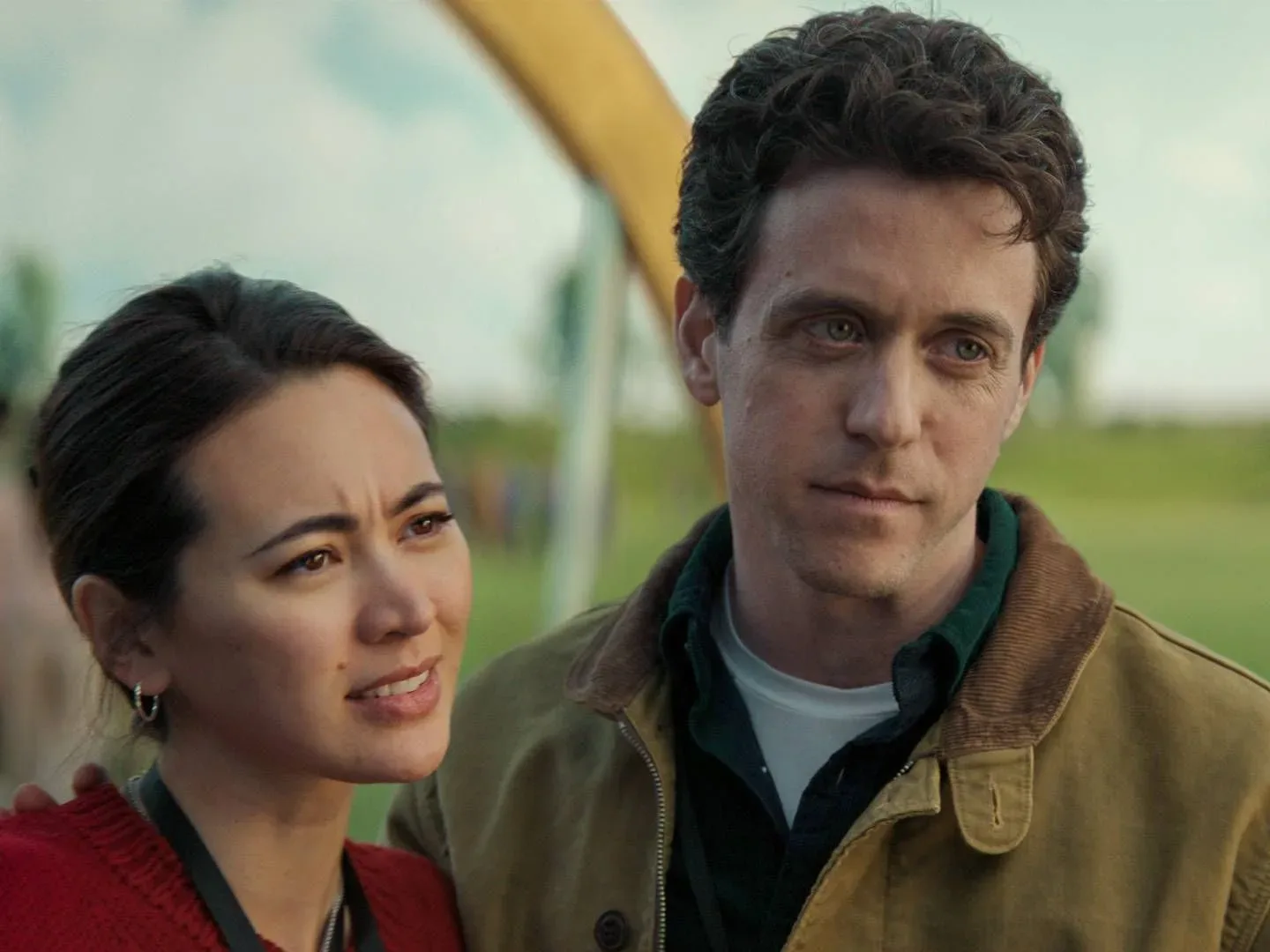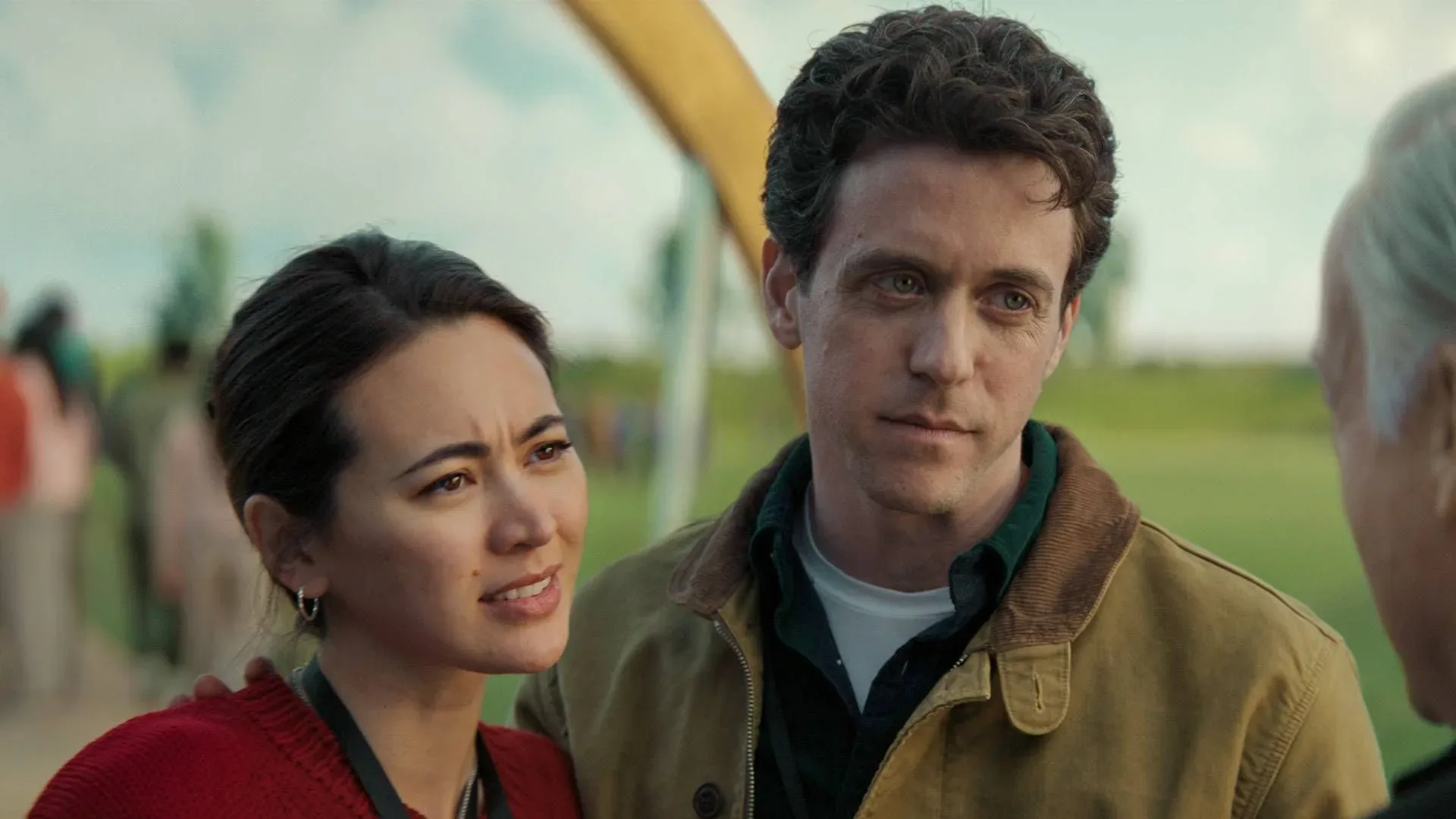
Spoiler-light coverage: Silo season 3 has ended, and its finale appears to have delivered precisely the kind of seismic answer that a long-running mystery series lives or dies by. The episode, titled “Troy,” brings the season’s two storylines together and reveals how they connect, while also positioning the Apple TV science-fiction drama for its already-confirmed fourth season.
That is a substantial development for a show built around questions: what people know, what has been concealed, who controls the narrative, and how much of the apparent truth can actually be trusted. A finale does not need to resolve every mystery to feel satisfying, but it does have to prove that the waiting, theorizing, and close attention were leading somewhere. Early fan reaction suggests “Troy” has done that for many viewers.
Across social media, viewers have described the episode as a major payoff after following the series over multiple years. Reactions have ranged from amazement at the scale of its revelations to admiration for the way the story has connected threads that had previously seemed separate. One particularly enthusiastic response called the finale a reward for viewers who have stayed with the show since its beginning. Another said the episode effectively turned their understanding of the series upside down.
“Troy” turns separate threads into one larger story
The biggest confirmed takeaway from the season 3 finale is its structural one: the two storylines finally meet. That kind of convergence can be a dangerous moment in serialized television. If the pieces join too neatly, viewers may feel that the complications were artificial. If they do not join clearly enough, the audience can be left wondering why the show held them apart in the first place.
Silo seems to have approached that turning point with a reveal significant enough to reshape both what comes next and how viewers interpret the earlier seasons. The key distinction is important. This was not presented merely as a cliffhanger designed to delay an answer. The finale contains information that feeds backward into the show’s established story as well as forward into season 4.
That is why the strongest reactions have focused on the sensation of recontextualization. Mystery dramas earn their most enduring conversations when a revelation creates a new lens for scenes the audience thought it understood. Fans may now revisit prior episodes with fresh questions about the Founder, the rules of the setting, and the wider design behind the world of Silo.
For viewers who are not yet caught up, this is probably the moment to be careful around searches and social feeds. The broad facts are enough to establish the stakes: “Troy” resolves a major structural divide in the narrative, supplies a large reveal, and ends the season with the next chapter clearly in view. The specific mechanics behind that change are best encountered in the episode itself.
Why the response is so intensely spoiler-conscious
Some genre series operate on spectacle, some on character drama, and some on a weekly puzzle-box rhythm. Silo has invited audiences to invest in its central unknowns over an extended stretch of time, so the arrival of a genuine answer carries unusual weight. A viewer can enjoy an action sequence in isolation; a revelation-driven finale asks them to bring years of memory and speculation to the screen.
That has made the online reaction unusually emphatic. Fans have used words including “phenomenal,” “incredible,” and “payoff,” while one response compared the episode’s impact to the shock of a standout Severance installment. Another praised the sheer amount of exposition delivered in a single episode, describing it as an overwhelming but effective information drop.
Exposition is often used as a criticism in television discussion, but its effect depends on timing and purpose. When it simply pauses the plot to explain material that viewers already grasp, it can feel inert. When a story has carefully withheld essential context and then releases it at a decisive moment, exposition can become propulsion. It sends audiences back through the show’s history in their heads while pushing them toward the next season.
The enthusiastic response to “Troy” suggests that many viewers experienced the episode in that second way. The finale did not just add more lore for lore’s sake; it apparently made its lore matter to the shape of the story. The comments about jaws dropping and having the whole show reframed are the language viewers use when a series supplies an answer that feels bigger than a trivia entry.
A season finale with a built-in runway
There is also a practical reason the conclusion can afford to be bold: season 4 has already been confirmed. More than that, a trailer for the forthcoming season played after the season 3 finale, and filming on season 4 has wrapped. The current release window is summer 2027, though no more precise date has been provided.
That is a meaningful status update for fans reacting to a finale loaded with implications. The wait may still be considerable, but the next season is not merely hypothetical. Production has finished, and the trailer makes clear that the story will continue. For a show whose audience is now processing a major shift in understanding, that assurance matters.
A post-finale trailer has a special role in modern television. It is not only promotional material. It gives viewers a place to direct the energy generated by the final episode, confirming that the writers are taking the new information somewhere rather than leaving it suspended indefinitely. With season 4 expected in summer 2027, fans have a broad horizon rather than an empty one.
The long gap also means the season 3 finale will likely have room to become a theory engine. Viewers can return to earlier seasons, compare their interpretations, and scrutinize the clues that now seem newly important. This is the point at which fandom shifts from asking “what happened?” to asking “what did that mean?” Those are different questions, and the second usually sustains discussion much longer.
The value of a payoff in serialized science fiction
Science fiction television is especially vulnerable to the fear that its mysteries are being improvised as it goes. Audiences have seen enough shows pile up factions, timelines, conspiracies, strange technologies, and ominous nouns without supplying a persuasive reason for their existence. A well-received answer is therefore more than one dramatic beat. It is a statement of trust between a series and its viewers.
When fans call the Silo finale a payoff, they are responding to that trust. The term implies that the show’s past investment of time was not being treated casually. It means a revelation has arrived with enough clarity or consequence to validate the questions that preceded it. Of course, audience reaction is not universal measurement, and not every viewer will feel the same way. But the force of the early response indicates that “Troy” has landed as a pivotal chapter for a sizeable group of the show’s followers.
It also demonstrates why preserving surprise still matters in an always-online viewing culture. The plainest version of the headline is already enticing: a prominent story connection has been revealed, the finale changes the context of the series, and the next season is officially on the way. That is more than enough for a lapsed viewer to decide to catch up without being told which specific facts created the impact.
For anyone planning a revisit before season 4, the best approach may be to watch with the finale’s basic promise in mind rather than hunting for individual answers. Notice the boundaries between the two principal strands, the information characters receive or lack, and the assumptions the series encourages. Those elements now appear central to why the finale has struck such a chord.
What viewers can safely take from the season 3 ending
- The season 3 finale is titled “Troy.”
- It brings together the show’s two storylines.
- Its central reveal affects both the upcoming fourth season and the way earlier events can be understood.
- Fans have responded with strong praise, frequently emphasizing the episode’s payoff and surprise value.
- Season 4 is confirmed, filming has wrapped, and the current release target is summer 2027.
- A season 4 trailer aired at the end of the finale.
There is a useful parallel here with the most effective social side of gaming: a community getting the same surprise at roughly the same time and then immediately trying to untangle it together. The etiquette around keeping that experience intact is familiar to anyone who has navigated the unwritten rules of couch multiplayer. Nobody wants the person who blurts out the answer before the rest of the room reaches the puzzle.
As viewers wait for summer 2027, the main story around Silo is not a newly announced casting list, a release-date change, or a production uncertainty. It is the reaction to a finale that has made its audience feel the ground move. With filming on season 4 complete, the show has time to let that response simmer—and viewers have time to decide whether “Troy” changes how they see every level of the story beneath it.