There is an unusual message attached to the latest promotional push for Sekiro: No Defeat: please do not watch all of it.
Director Kenichi Kutsuna has publicly advised fans to avoid a new one-minute teaser for the anime adaptation of Sekiro: Shadows Die Twice. The video, titled The Battle in the Silvergrass Fields, arrived on September 3 ahead of the project’s Japanese theatrical engagement. Kutsuna’s concern is not that the teaser lays out the story’s full plot, but that it reveals an important moment of cinematic staging that he believes belongs in the finished work, not in pre-release marketing.
That distinction matters. A plot spoiler tells viewers what will happen. A visual or dramatic reveal can instead spoil how a crucial moment is presented: the buildup, the surprise, the image chosen to land the scene, and the emotional effect created by seeing it unfold without preparation. For a story adapted from a game so closely associated with hard-won boss encounters and memorable set pieces, the director’s warning will likely register with players who want an unfiltered first viewing.
The teaser is out, but the director would rather audiences wait
Kutsuna said online that a scene had been uploaded which was not, in his view, a conventional plot disclosure but still exposed a reveal that should have been preserved for the cinema. He asked potential viewers to attend the theatrical presentation without seeing that clip first.
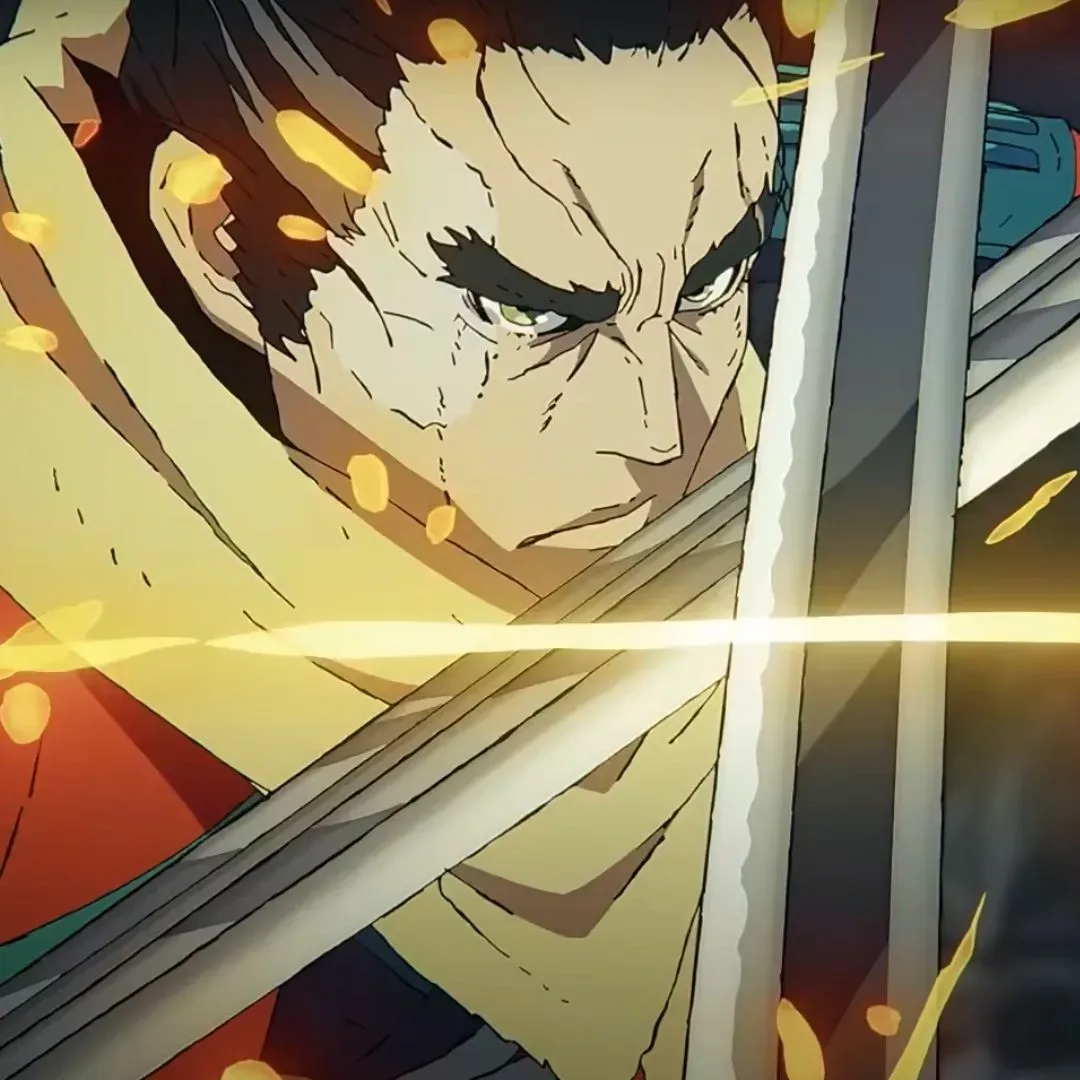
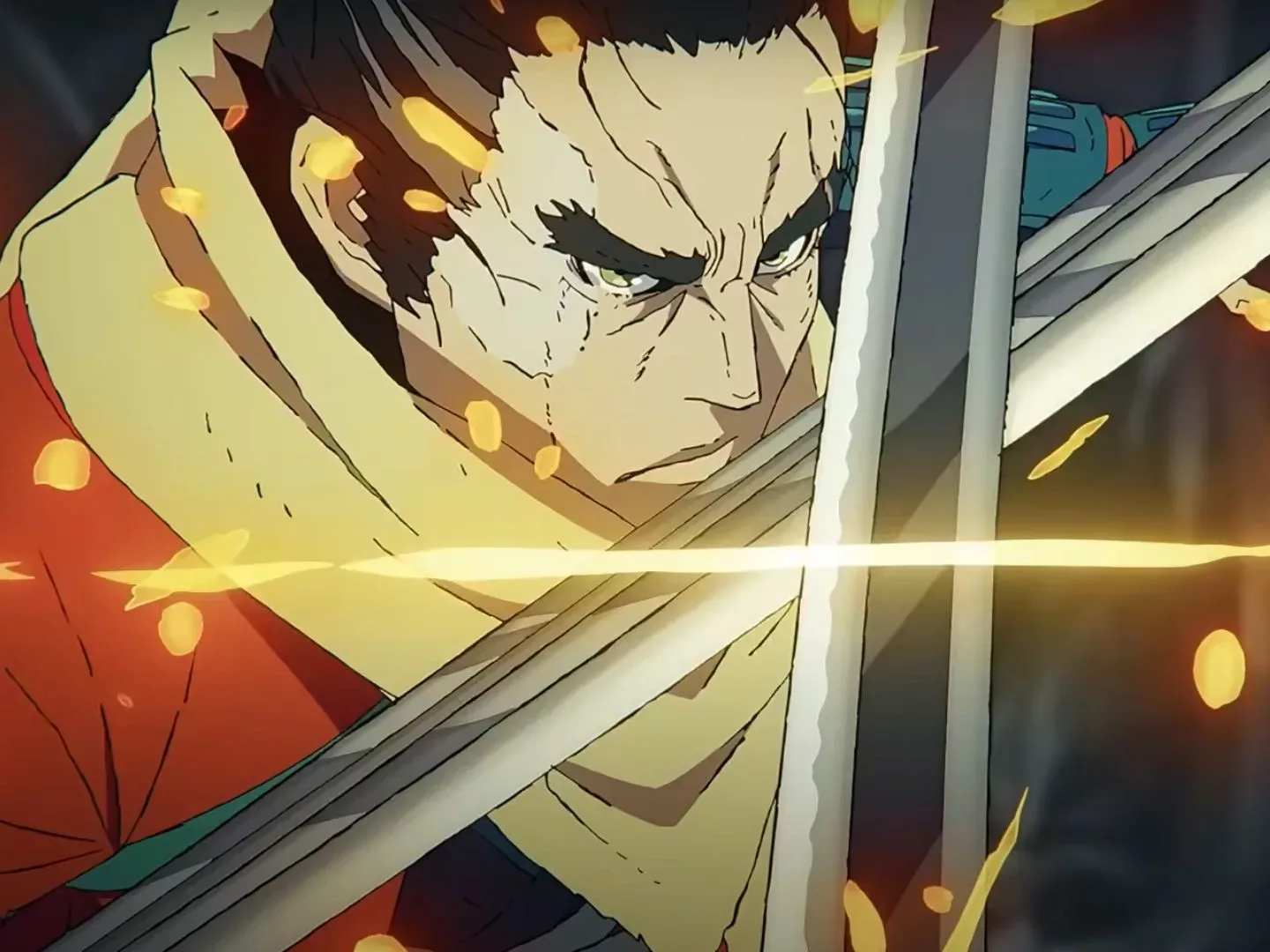
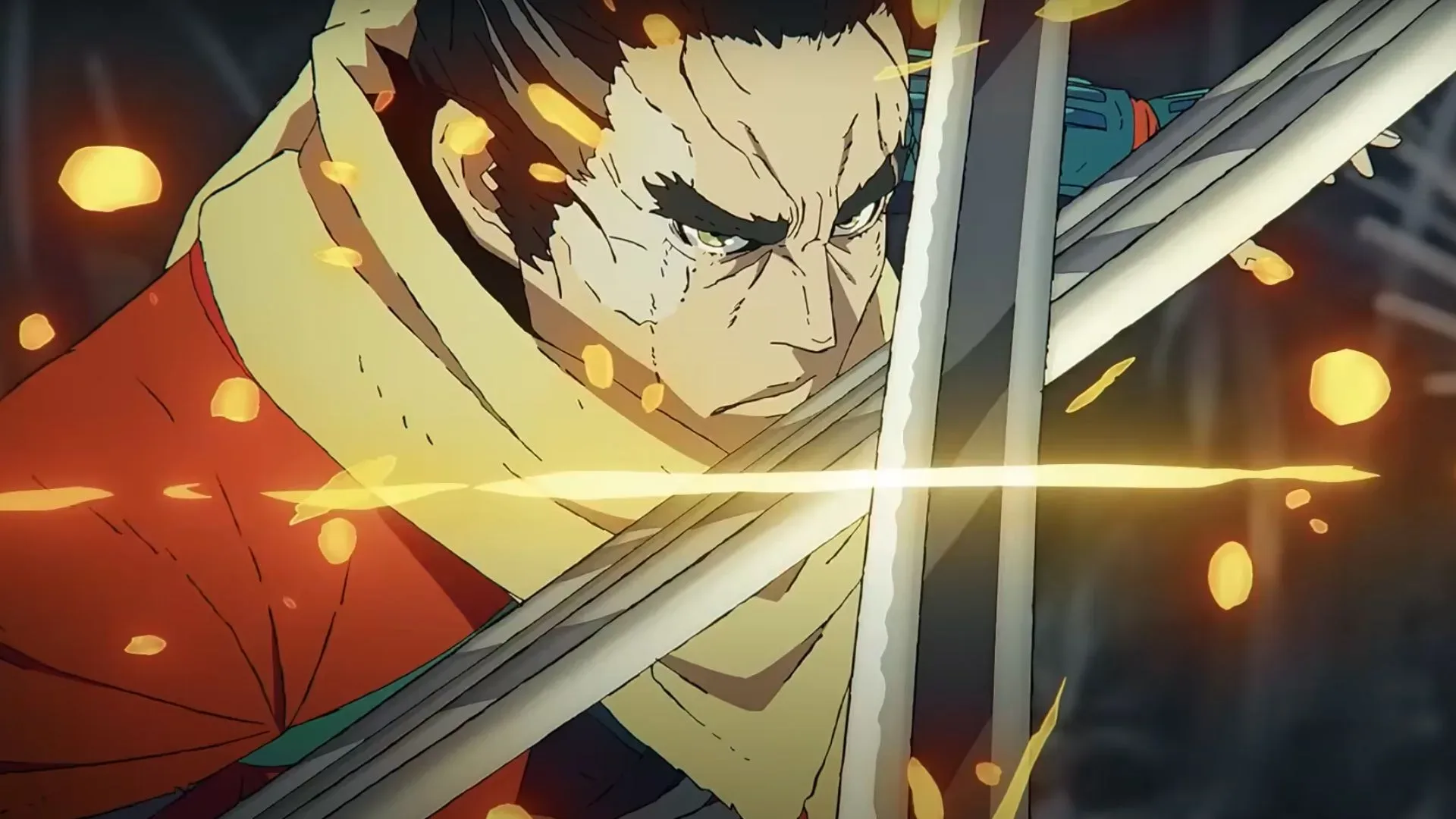
The teaser focuses on a confrontation between Wolf and Genichiro. Its final seconds appear to show Wolf losing his arm, the event that leads to his use of the Shinobi Prosthetic. Anyone already familiar with FromSoftware’s 2019 game will know the basic context, but familiarity with a story does not necessarily make an adaptation’s presentation disposable. The timing, choreography, sound, framing, and aftermath can all be part of the intended surprise.
That makes this less a warning about lore and more an appeal to protect a particular beat. In other words: the destination may be known, but the director does not want the trailer to hand over the road, the weather report, and the dramatic close-up before the ticket has been scanned.
The original trailer released in March appears to be the safer choice for people who want a preview while avoiding the disputed footage. The newer Battle in the Silvergrass Fields clip is the one to skip if preserving the moment matters to you.
A dispute over approval, not a routine “avoid spoilers” request
Kutsuna later described the teaser’s release as an unfortunate incident and attributed it to negligence by production company Arch. He specifically said Kadokawa Corporation was not responsible, despite the video also appearing through the KADOKAWAanime YouTube presence. He also directed complaints toward Arch and shared a complaint form in replies to his post.
Those comments make the situation more pointed than the standard social-media ritual in which creators jokingly plead for fans to avoid a trailer. Kutsuna’s statements indicate that the objection is tied to footage selection and approval. It is not simply a director wishing every audience member would enter cold; it is a director saying that this particular promotional material includes something he did not want used this way.
Marketing an adaptation is a balancing act even when every party agrees. A trailer needs recognizable characters, action, atmosphere, and enough clarity to explain why newcomers should care. But a scene selected because it looks spectacular in isolation can take away a later payoff. That tension becomes even sharper for a game adaptation, where the marketing team may be trying to reassure existing fans that iconic story moments and antagonists have made the jump to animation.
For viewers, the practical request is refreshingly simple despite the behind-the-scenes complication: do not seek out the September 3 teaser if you want the intended reveal intact. Avoiding a one-minute clip is considerably easier than trying to dodge a season’s worth of plot details across thumbnails, clips, and algorithmic feeds.
What Sekiro: No Defeat is adapting
Sekiro: No Defeat draws from FromSoftware’s Sekiro: Shadows Die Twice. The story follows Wolf, a shinobi devoted to protecting the young lord Kuro. His quest to rescue Kuro and safeguard Ashina anchors a setting built around war, supernatural forces, loyalty, and survival.
The adaptation is an anime series rather than a feature film in the usual sense. However, a condensed theatrical version is receiving a limited Japanese cinema run of three weeks beginning September 4. That theatrical presentation is precisely why Kutsuna’s plea emphasizes waiting to see the project in a theater. The concern is not merely that fans learn a fact early; it is that a carefully designed cinematic moment may lose its impact before the theatrical version has had the chance to present it on its own terms.
No release date has been confirmed for the full series. It is planned to stream on Crunchyroll, but the available information does not establish when that wider release will begin or which regions will receive it at launch. Fans outside Japan therefore have a clear reason to pay attention to spoiler discipline: a longer wait can make it harder to avoid a moment once promotional footage circulates widely.
Adaptations also face the unavoidable question of audience mix. Some viewers will arrive as long-time players, ready to compare every costume, clash, and character introduction with their memories. Others may encounter Wolf, Kuro, Genichiro, Ashina, and the Shinobi Prosthetic for the first time through animation. The latter group is especially likely to benefit from a trailer strategy that does not preempt one of the protagonist’s defining early images.
Why a “cinematic reveal” can still be a spoiler
It is tempting to treat spoilers as a simple yes-or-no category: either a trailer reveals the winner, death, twist, or final boss, or it is harmless. Storytelling rarely works that neatly. A trailer can preserve every major plot point while still changing the experience by showing a character’s entrance, an identity, a transformation, an injury, or the exact outcome of a confrontation.
For action-driven material, those details are often the grammar of the scene. The audience watches a duel expecting one thing, notices a shift in momentum, and then absorbs a consequence. Showing the consequence first can turn tension into confirmation. The scene may still be impressive, but it is no longer permitted to surprise.
That does not mean every familiar game event must be hidden from all marketing. A faithful adaptation has to communicate what it is adapting, and famous imagery helps. Yet Kutsuna’s response shows why approval and context matter. A director may be perfectly comfortable with a character, fight, or premise appearing in a trailer while objecting to one exact shot that gives away the scene’s decisive punctuation.
There is a broader lesson for promotional campaigns here: a trailer is not neutral packaging. It becomes part of the audience’s first encounter with the work. The same concern appears across film, television, games, and immersive media, where presentation choices increasingly shape how people enter a story; new experiments in immersive storytelling are another reminder that format and discovery can be as important as raw plot information.
How to keep the reveal unspoiled
Fans who want to follow the director’s preference without disconnecting from all Sekiro news can take a few modest precautions:
- Do not play the September 3 teaser, The Battle in the Silvergrass Fields.
- Avoid its final moments if the video starts automatically or appears in a feed.
- Be wary of video thumbnails, reposts, reaction clips, and short-form edits that may isolate the key image.
- Use the March trailer instead if you want officially released footage that is described as safer to watch.
- Mute related terms temporarily if recommendation algorithms begin serving clips from the confrontation.
It is a tiny bit of spoiler hygiene, not unlike agreeing not to blurt out a campaign twist while someone else is still playing. The etiquette around shared game experiences has always involved reading the room, whether people are passing a controller or comparing notes afterward; the unwritten rules of couch multiplayer offer a useful parallel for why letting another person reach a moment themselves can matter.
For now, the essential facts are straightforward. The Japanese theatrical version begins its three-week limited run on September 4. A full series release date has not been announced, though Crunchyroll is planned as the streaming destination. And, unusually, the person directing the adaptation has made his preferred viewing order abundantly clear: skip the new teaser, and let Wolf’s pivotal moment arrive where it was meant to land.