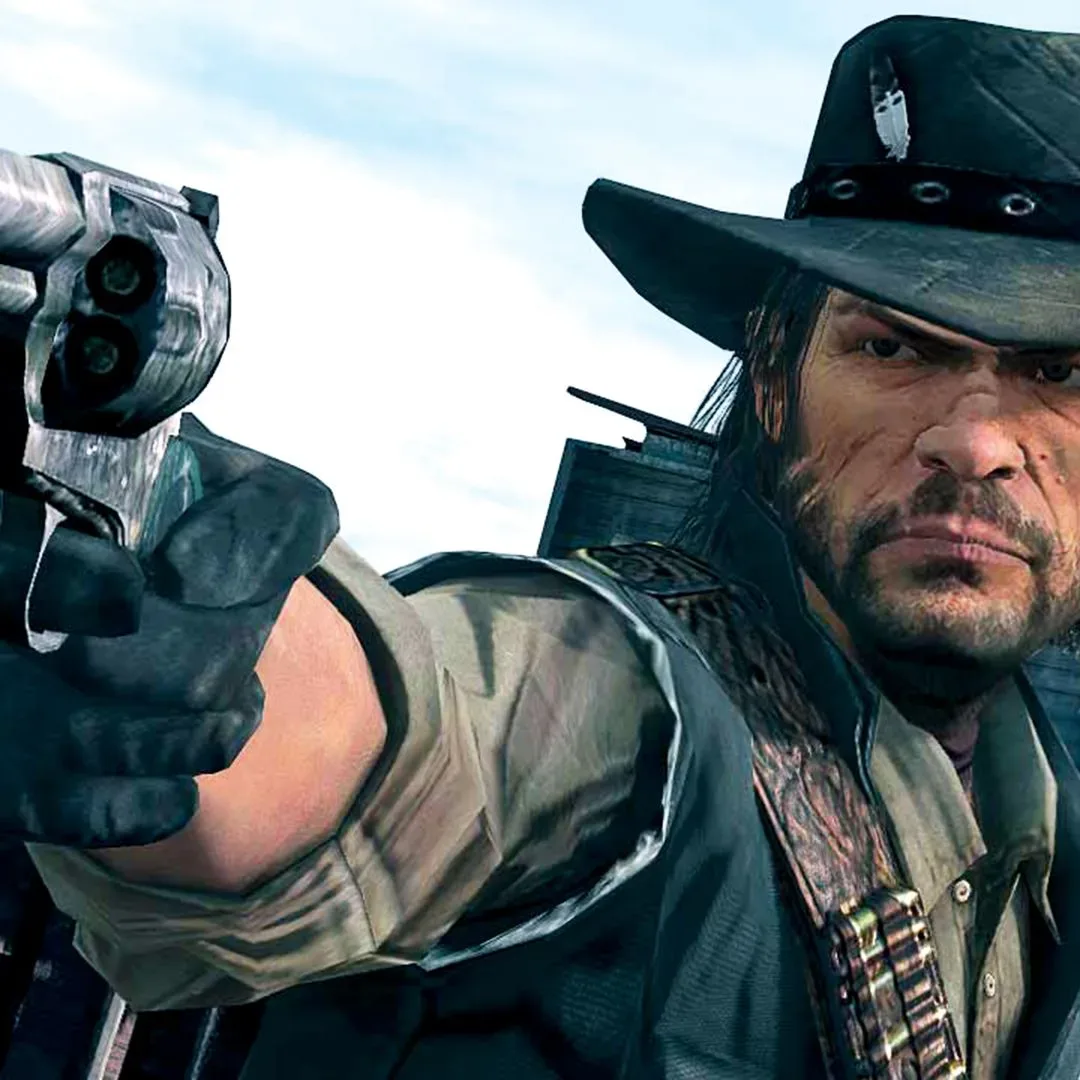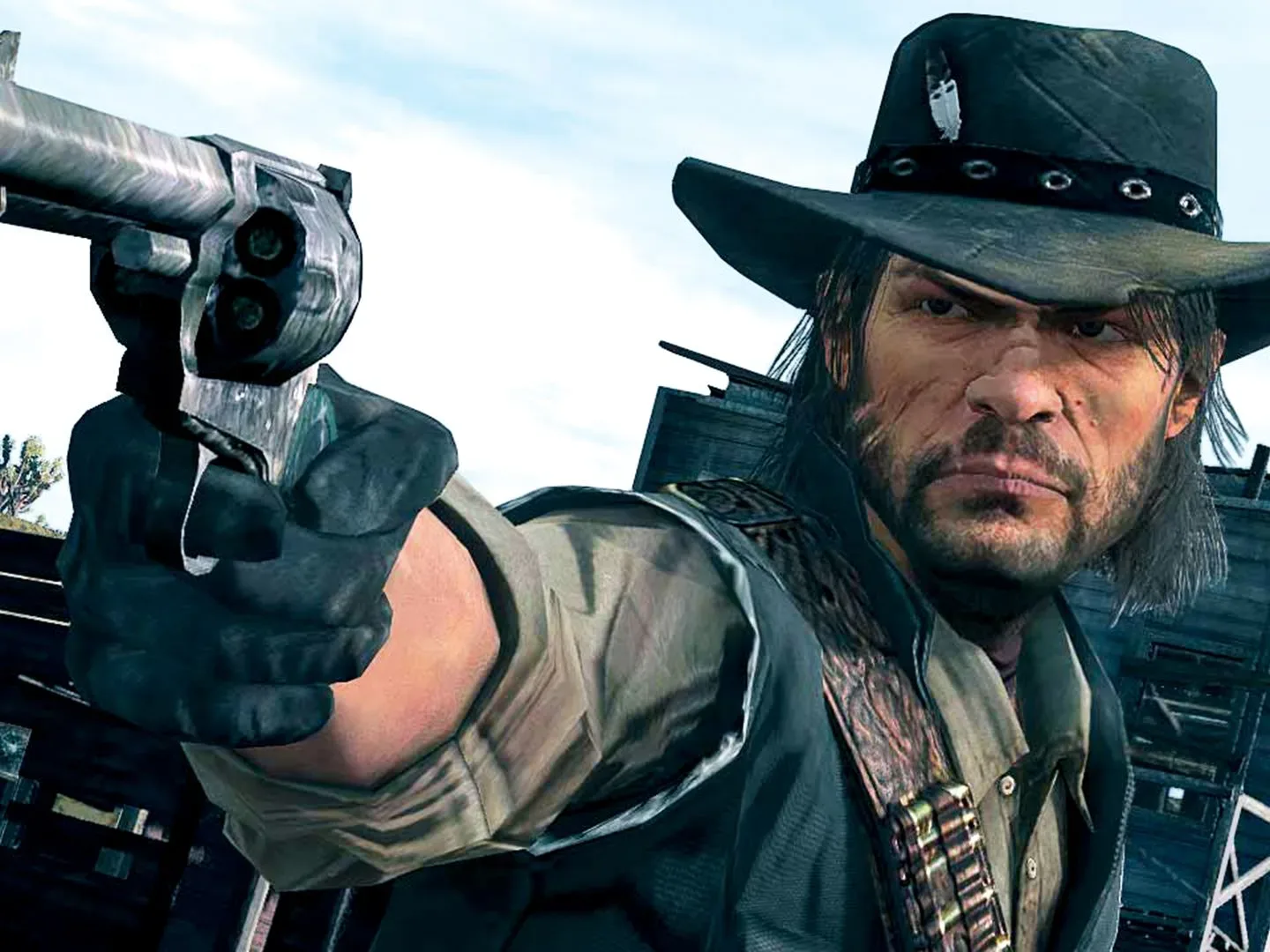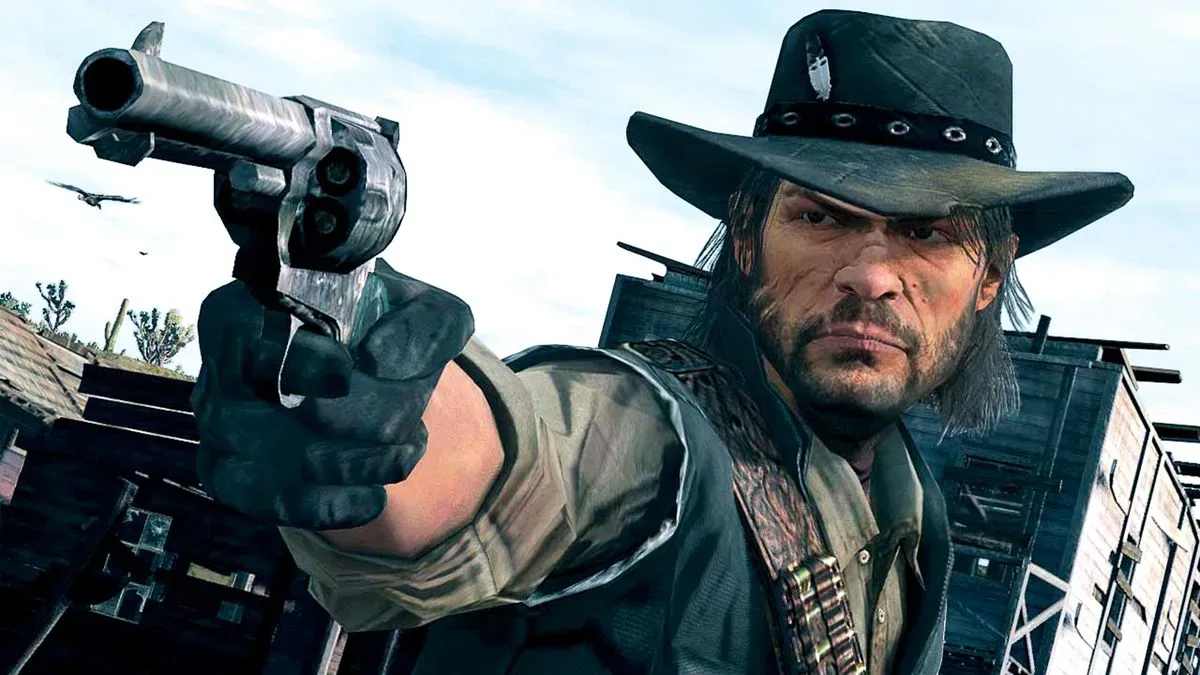
Red Dead Redemption may be riding toward a screen adaptation, though the trail is still mostly rumor, dust and expensive-looking paperwork. Rockstar is reportedly exploring a deal to license the franchise for either a feature film or a television project. The reported discussions have included a minimum licensing figure above $100 million, a number that signals how valuable the company considers the property—but not proof that cameras are about to roll.
There is no confirmed production, distributor, creative team, cast, release window or final choice between film and television in the information currently available. That distinction matters. Licensing discussions are an early commercial step: they concern who may obtain rights to use an intellectual property, rather than confirming that a screenplay has been completed, a director has signed on or a series has been ordered.
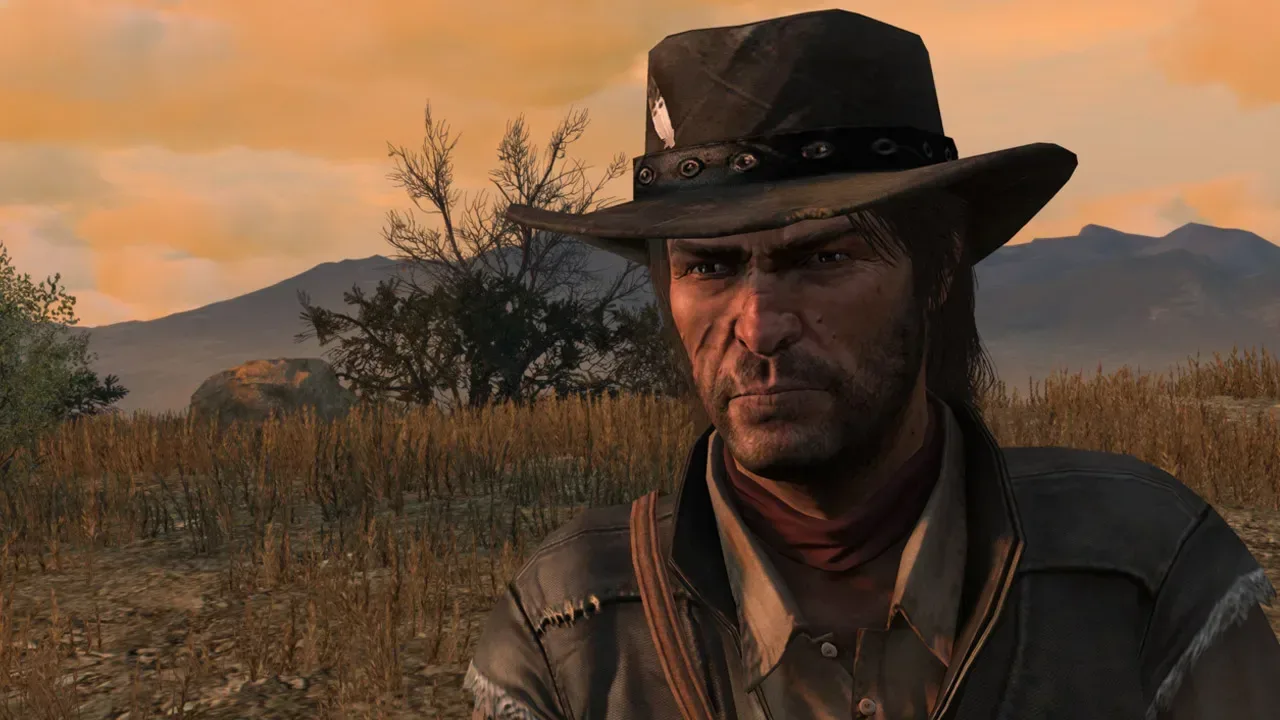
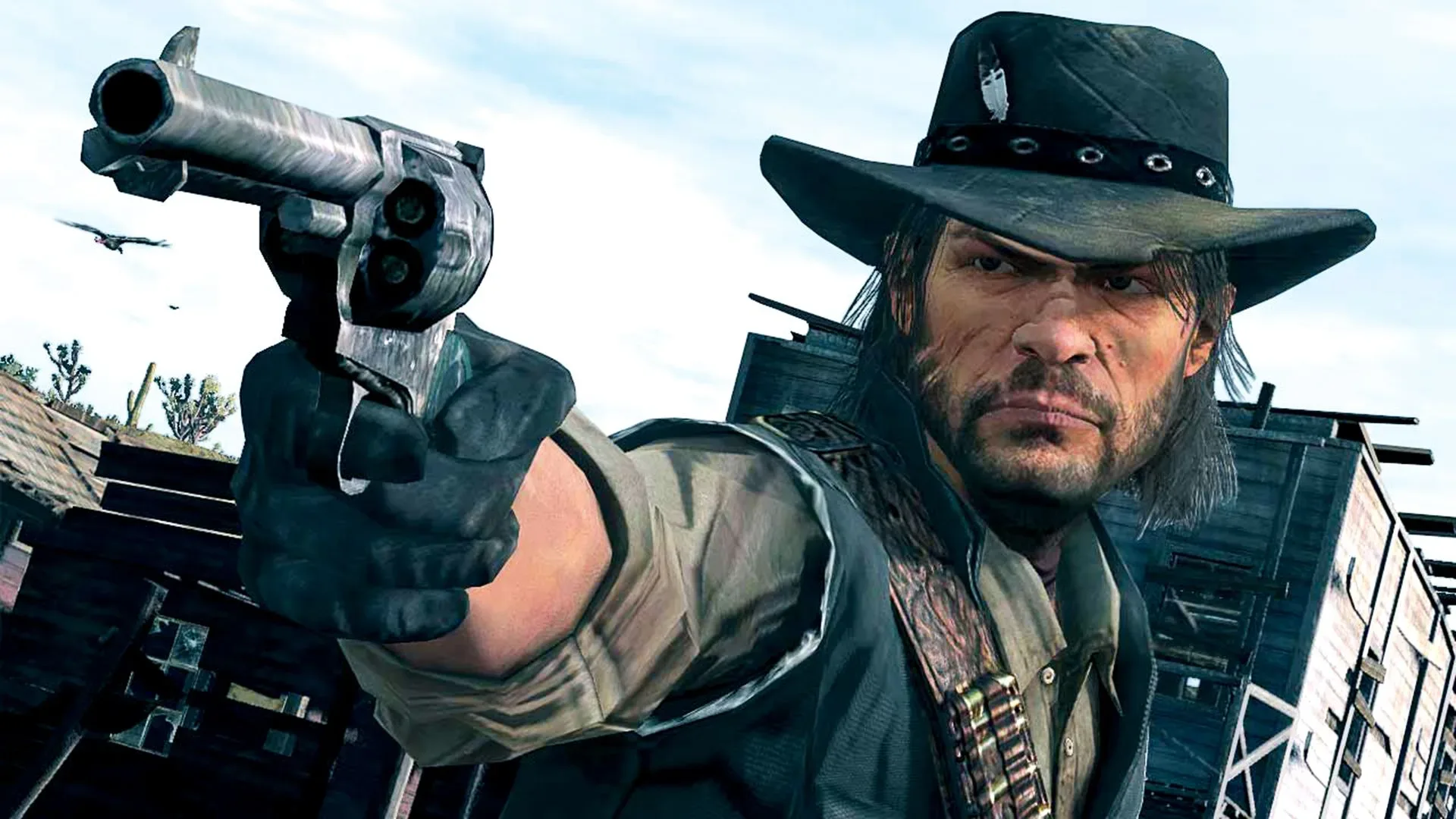
Still, Red Dead Redemption is an unusually obvious candidate for adaptation on the level of premise alone. Its core is built around a fallen outlaw, John Marston, who is compelled to work for the government after his wife and son are held as leverage. Set in 1911, the first game frames Marston’s work as a hunt for figures from his former life. It is a Western story with coercion, family pressure and a protagonist who cannot simply walk away from the violence that shaped him.
What the reported $100 million figure does—and does not—mean
The reported minimum price is for licensing rights, not necessarily the full cost of making a movie or series. Licensing rights are the permission a rights holder grants another party to make use of its characters, setting and other protected creative material. A rights agreement can cover many details: what form the adaptation takes, how closely it follows the original narrative, which creative approvals are required, and what happens if a project fails to move into production.
A figure above $100 million would therefore be a threshold attached to access to the franchise itself, rather than a reliable budget for the finished screen production. It also should not be treated as a signed sale price. The reporting describes a figure being discussed, and negotiations can change, end, or never lead to an announced project.
For fans, the useful reading is not “a Red Dead movie is definitely coming.” It is narrower: Rockstar may be testing what a large-scale adaptation of one of its biggest series could be worth. That is a meaningful development, particularly for a franchise whose cinematic presentation and character-focused storytelling have long invited speculation. It is not the same thing as an official green light.
Why John Marston’s story fits the question
The original Red Dead Redemption gives an adaptation a ready-made dramatic engine. John is not beginning a heroic adventure because he wants a new purpose; he is pushed into action by an authority that controls the safety of his family. His role as a former outlaw turned bounty hunter creates a fundamental tension between who he was, what he is being forced to do, and the life he wants to reclaim.
That structure could work in either proposed format, but each would make different demands. A film would need to choose a concentrated through-line, likely putting the coercive deal and Marston’s pursuit at the center. Television could devote more room to the road between major plot turns, relationships, the changing frontier and the moral compromises that come with Marston’s work. Neither approach is confirmed, and neither is automatically better. The main challenge would be preserving the reason the premise works: John’s predicament has to remain personal, not just become an excuse for a parade of shootouts.
Related coverage includes Red Dead Redemption Reportedly Being Considered for Film or Television Adaptation.
The setting is equally important. The game takes place in 1911, a moment that naturally supports themes of an older outlaw order colliding with governmental power and modern systems. An adaptation would not need to recreate every open-world activity to communicate that transition. It would need to make the pressure of the setting legible: John is a man whose previous life is not merely behind him, but being actively used against him.
Open world is a game structure, not automatically a screen structure
One of Red Dead Redemption’s defining traits is that it is an open-world game. In practical terms, that means players can travel through a broad environment and choose when to pursue activities beyond the core story. This freedom is part of the game’s appeal, but it does not transfer directly to film or TV. Viewers cannot inhabit John Marston through player choice; they follow decisions made for a version of the character on screen.
That is not a weakness by itself. It simply means an adaptation would have to convert interactive breadth into a clear dramatic point of view. The game can allow space for detours, atmosphere and player-driven discovery. A screen version would have to decide which events reveal character, which encounters develop the central conflict, and which elements are better left as texture.
Red Dead also has horror elements and odd moments that players can encounter when the game is left idle in certain circumstances. Those tonal detours are part of the franchise’s texture, but they raise a creative question rather than establishing an adaptation plan. A film or series could emphasize straight Western drama, make room for unsettling genre notes, or separate its darker curiosities from the central John Marston narrative. At present, there is no information identifying which direction—if any—a prospective project would take.
The prequel offers options, but no confirmed story route
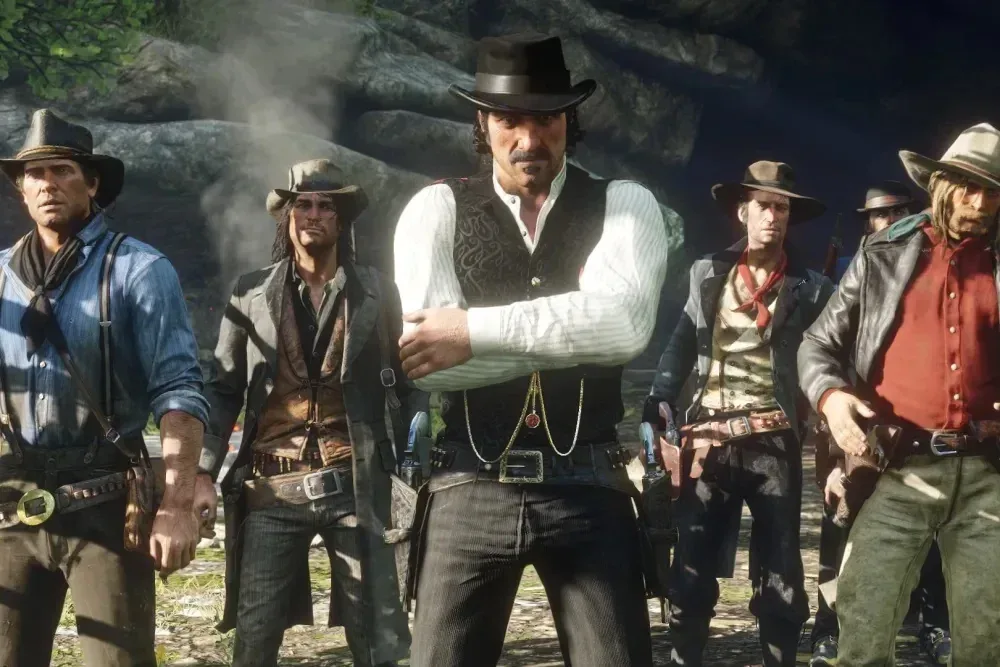
Red Dead Redemption 2 arrived in 2018 and serves as a prequel to the first game. That expands the possible material a screen adaptation could draw from, but it would be premature to assume the reported discussions concern a retelling of either game in particular. “Red Dead Redemption” can describe a franchise opportunity as well as one specific plot.
The chronology creates options. A project might start with John’s 1911 mission, explore earlier events, or build an original story within the same world. But an original story, a Marston-focused retelling, and a prequel are all possibilities—not reported decisions. Until Rockstar or a producing partner identifies a format and premise, claims about seasons, casting or which characters will lead would be speculation.
Long-standing fan interest in a Red Dead adaptation is real, dating back to the first game’s 2010 release. Brad Pitt has often been floated by fans as a potential John Marston, while Jack Black has argued that the franchise’s story merits live-action treatment. Those comments reflect audience enthusiasm, not casting activity or a development commitment. No actor is attached based on the information available.
A busy adaptation landscape makes the idea plausible, not inevitable
Red Dead’s reported exploration comes while other game adaptations remain in development, including projects tied to Far Cry, God of War and Assassin’s Creed. The TV adaptation of The Last of Us also received Emmy nominations, a high-profile reminder that a game property can find recognition beyond its original medium.
That wider landscape helps explain why a major publisher might investigate its options. It does not eliminate the difficult parts. A game’s popularity is not a substitute for a well-defined adaptation, and a recognizable title does not settle questions about tone, audience, length or creative control. The reported price attached to Red Dead may make those questions even more consequential: a partner paying heavily for access would need a convincing plan for turning the franchise into a distinct screen work.
Rockstar’s other major universe is also central to current gaming conversation. For a separate look at how character-driven world design is being discussed around that series, read this examination of GTA 6’s human moments and world design.
What fans should watch for next
The next meaningful sign would be something concrete: an official statement, named studio or platform, an announced writer or director, or confirmation of whether the project is intended for theaters or television. Until then, the reported $100 million-plus licensing discussion is best understood as evidence of potential interest, not a finished adaptation roadmap.
Red Dead Redemption has a strong foundation for screen storytelling: a specific historical setting, a protagonist under intense pressure, and a family-centered motive that can cut through its outlaw imagery. Whether that potential becomes a movie, a series, or nothing at all depends on negotiations and creative choices that have not been publicly detailed. For now, the only responsible verdict is that the idea appears to be under consideration—and that is a long way from saddling up for premiere night.