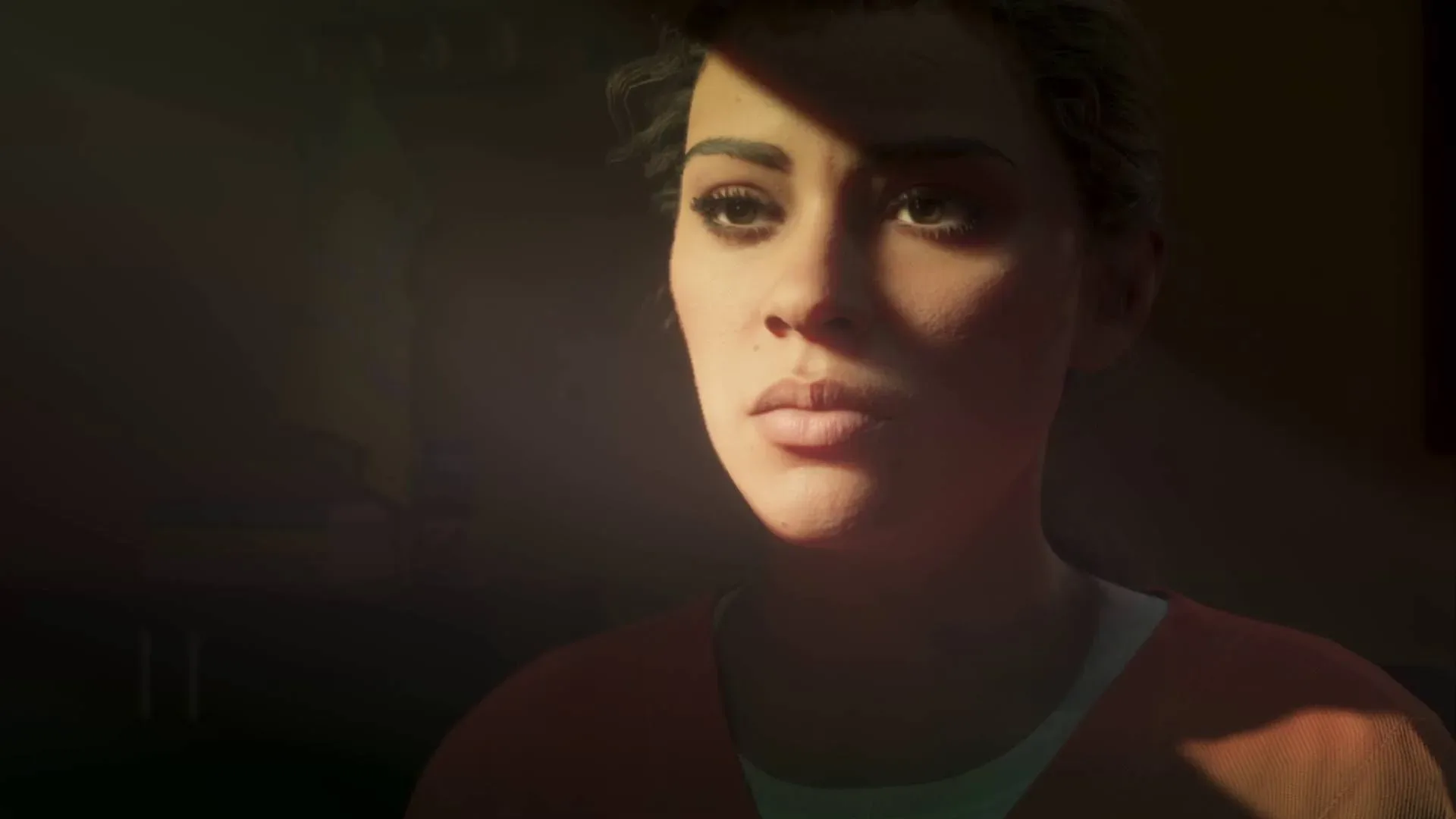
Grand Theft Auto has long invited players to view a city as a playground: a place of fast cars, spectacular escapes and consequences that can often be shaken off by changing districts or evading the police. The discussion around Grand Theft Auto 6 is putting unusual weight on another part of the experience, however: its apparent interest in everyday relationships and minor acts of consideration.
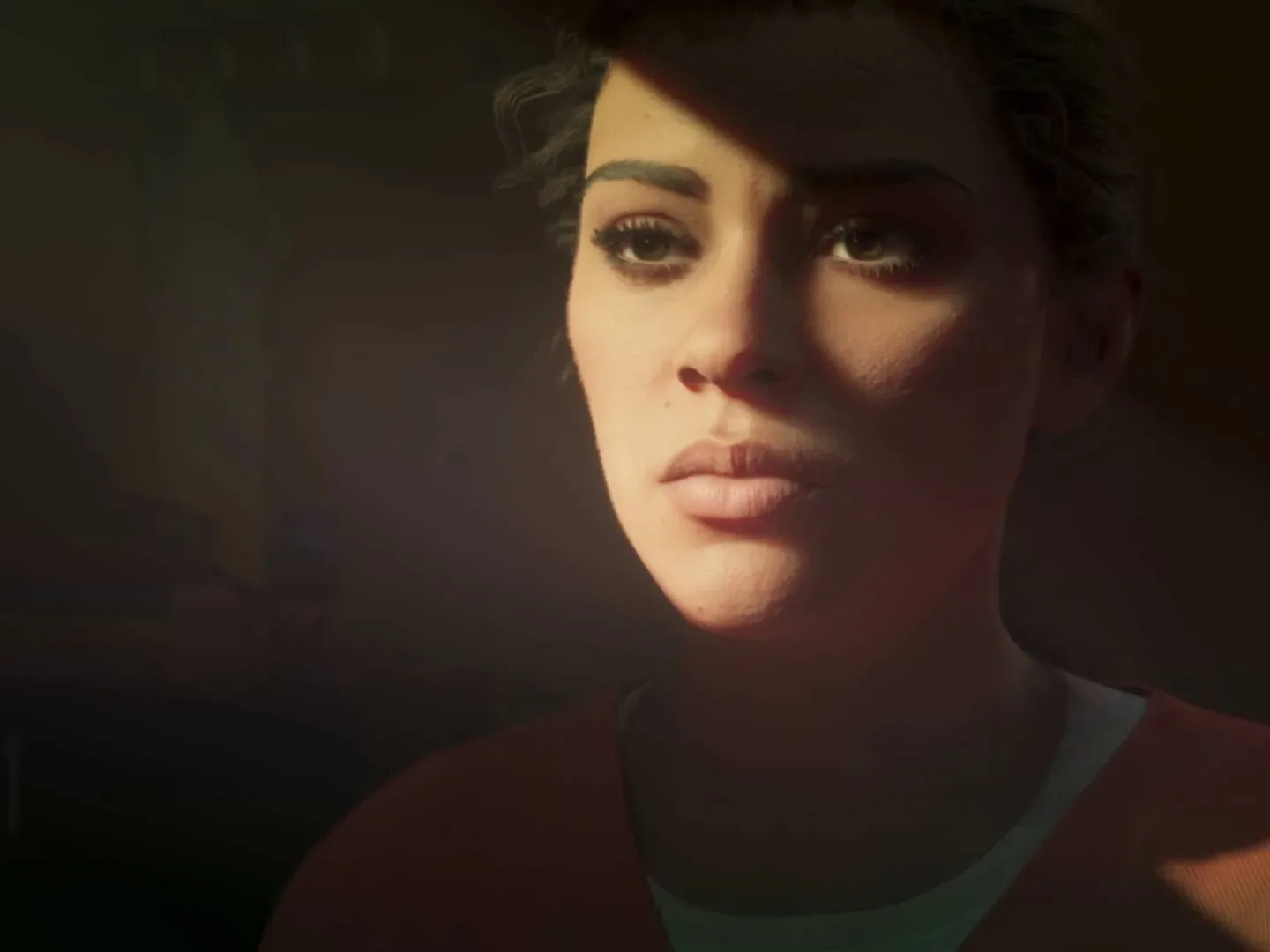
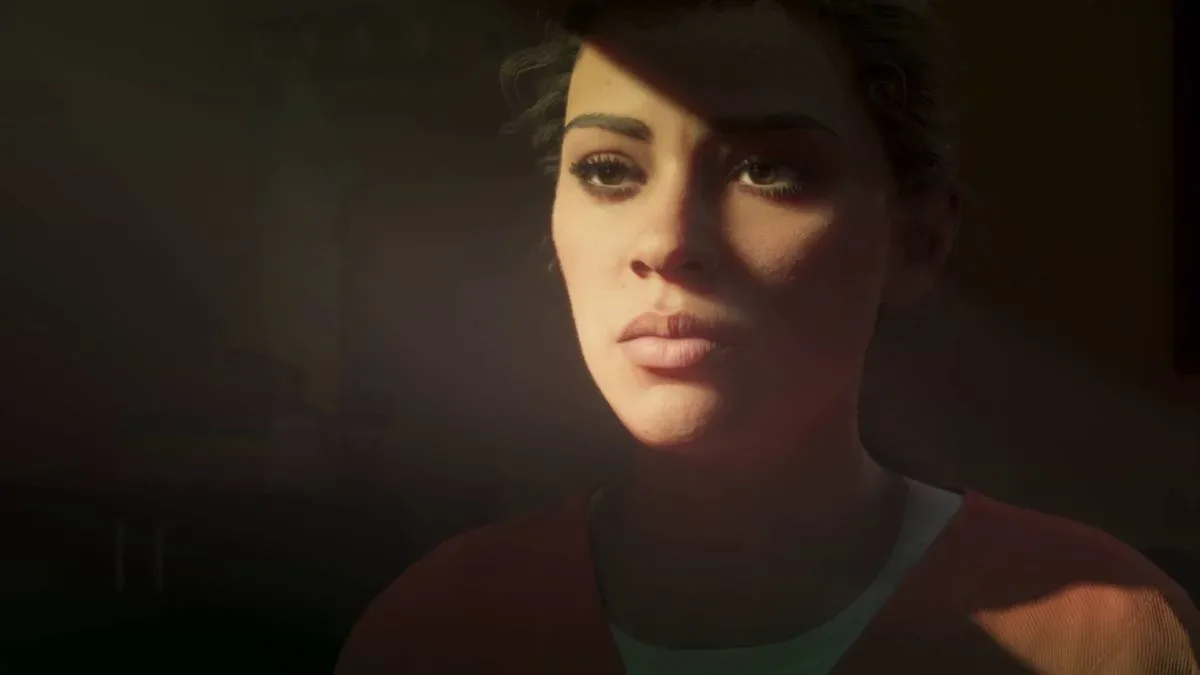
Michael “Cromwelp” Douse, Larian Studios’ director of publishing, has singled out that quality in his comments on Rockstar’s new game. His central argument is simple: moments in which Jason helps Lucia, runs errands, tips a friendly bar owner or picks up a familiar bottle of rum for someone are not an attempt to force a particular kind of player fantasy. They are part of making Leonida’s residents register as people rather than disposable scenery.
That distinction matters because some online criticism has treated Jason’s concern for Lucia as evidence that the game is asking players to be a “simp.” Douse’s response is that GTA 6 is doing something more ambitious: it is using the scale of its writing, assets and storytelling to challenge players to recognize human stakes in a world still populated by outsized characters.
A morality system that does not need a meter
Douse describes GTA 6 as having a “near-organic morality system.” That phrase is useful because it separates the idea from a conventional morality mechanic.
In many games, morality is formalized. A player makes a choice, receives points toward a named alignment and unlocks a visibly good or bad outcome. The system tells the player what the ethical frame is, and often turns compassion into a route toward a reward. An organic morality system, in the sense Douse is using it, is less overt. The game’s values are conveyed through behavior, context and relationships instead of a prominent score.
The examples he identifies are deliberately low-key. Tipping an older bar owner as she enjoys music with a veteran house band is not framed as a world-saving decision. Picking up an alcoholic’s preferred rum is likewise small in scale, but it can communicate history, familiarity and goodwill. Completing errands and favors earns trust while also revealing who people are.
That is not the same thing as claiming every helpful action must be virtuous or that GTA 6 has abandoned its capacity for chaos. Douse specifically points to the apparent latitude players have to be cruel or disruptive outside a character’s network or neighborhood. The notable idea is coexistence: a player can have freedom to behave badly, while the world still gives weight to the people they choose to know and help.
It is a more textured proposition than a binary choice between “good game” and “bad game.” The player’s actions may be unruly, but the people affected by them need not be written as faceless targets. A game can preserve player agency while presenting a social setting in which trust, favors and personal memory mean something.
Related coverage includes Larian Publishing Director Praises GTA 6's More Human Approach to Leonida.
Why Jason and Lucia have become a flashpoint
The criticism aimed at Jason’s attentiveness to Lucia relies on a narrow definition of what a crime-game protagonist is supposed to be. Under that reading, concern for a partner is treated as weakness, while emotional distance is presumed to be strength. It mistakes a relationship for a loss of agency.
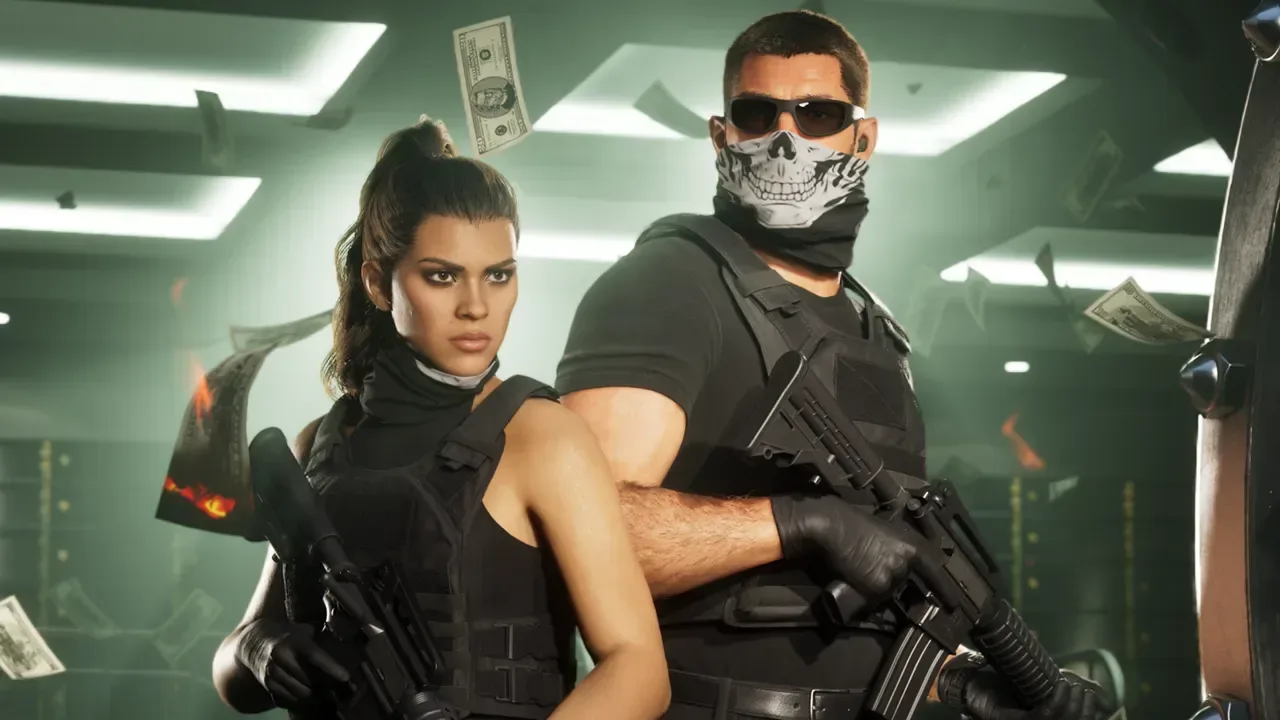
There is a difference between a character being controlled by another person and a character choosing to care about them. A protagonist can be vulnerable, loyal, conflicted or protective without surrendering their identity. Those traits can create stakes that pure wish-fulfillment cannot. If the player is meant to understand why Jason and Lucia take risks together, their connection needs to be more substantial than a functional mission partnership.
Douse’s point is not that players have to approve of every character or play Jason as a model citizen. Rather, GTA 6 seems interested in making room for recognition: the ability to understand that residents of Leonida, including the protagonists, have attachments and routines beyond the player’s immediate objective.
That can be especially effective in an open-world game. Open worlds are often evaluated by how much content can be entered, stolen, driven or destroyed. Those activities remain part of the genre’s appeal, but density is not only a question of map size. A world can feel dense because its people possess small, specific details that give interactions a sense of place.
The mundane can make the spectacular land harder
GTA 6’s smaller interactions are notable precisely because they contrast with the series’ reputation for escalation. A dive-bar gathering, a familiar drink or an errand for someone the protagonists know are mundane beats. Their function is not necessarily to compete with elaborate missions; it is to establish what exists between them.
In narrative terms, those details provide texture. They suggest that a relationship was present before the player walked into a scene and will continue to matter after an objective is marked complete. When used well, a seemingly inconsequential favor can reveal more about a character than a dramatic speech because it shows what they remember, whom they make time for and what kind of trust they have earned.
Douse credits GTA 6’s technical and artistic reach for helping achieve that effect. Technical prowess is not simply visual fidelity in this context. It can support the illusion of a living place when writing, animation, environmental detail and character presentation all reinforce one another. The important part is not that every resident must be equally complex; it is that the game can make individual moments feel observed rather than mechanically dropped into the world.
That approach also explains Douse’s reference to the “caricatures of life” becoming more relational. Grand Theft Auto has always worked with broad personalities and satire. Caricature need not prevent humanity. A character can be exaggerated, funny or unpleasant and still have recognizable needs, habits and bonds. If GTA 6 can maintain that balance, the satire may feel more grounded without becoming less sharp.
Player freedom is not the same as emotional emptiness
There is an understandable concern whenever an open-world series places more emphasis on relationships: players may worry that the game will police behavior, prescribe a personality or make every detour feel like a moral test. Nothing in Douse’s comments establishes that GTA 6 is replacing freedom with a rigid conduct system. His description instead suggests that the game’s interpersonal layer sits alongside the player’s capacity to cause trouble.
That is an important practical distinction for prospective players. A game does not need to congratulate every decent act with points, nor condemn every reckless one with a lecture, to make actions feel socially situated. It can simply show that people react differently once they know the protagonists, that favors build trust and that kindness can have narrative value even when it does not look like a major branching decision.
In fact, the possibility of behaving badly may make the gentler choices more meaningful. If kindness is mandatory, it becomes choreography. If it is optional, it can become characterization: an expression of how a player understands Jason and Lucia, or of the sort of story they want to inhabit.
The loudest discourse tends to flatten that complexity into labels. Calling ordinary care “simp” behavior says more about the limits of the label than it does about the game. It treats empathy as incompatible with agency and imagines that protagonists can only be compelling when they are emotionally unreachable. GTA 6’s apparent bet is that its characters become more interesting when their connections are legible.
What this could mean for Leonida
Douse calls GTA 6 remarkable for combining large-scale ambition with these more personal interactions. The claim is not that Leonida has become a harmless setting, or that every task is sentimental. It is that the world’s scale includes relationships as well as spectacle.
For players, that could change what “exploration” means. Exploring an open world is usually associated with finding events, vehicles, shops, secrets or missions. Here, it may also involve choosing whether to engage with people who resonate: hearing what their routines reveal, taking time for an errand or following a small thread of trust that would be easy to ignore.
Those choices need not be universally appealing. Some players will still prefer to prioritize major missions, action or the freedom to create mayhem. But a broader range of interactions gives different playstyles something to latch onto, and it potentially gives the central relationship more room to breathe.
The conversation also arrives as questions about GTA 6’s cost and value remain part of the wider discussion. GTA Online players have identified the game’s $80 price as a more immediate barrier than the surrounding discourse. Against that backdrop, attention to the texture of Leonida is relevant: players are not only assessing the size of a new GTA, but what kind of world its scale is being used to build.
Douse’s reading makes a persuasive case that GTA 6’s small favors are not a contradiction of its identity. They can be a way to make its bolder criminal drama, satire and player-led disorder carry more weight. A city becomes more than a playground when its inhabitants are allowed to be more than props—and caring about one of them does not make a protagonist any less capable of driving the story.