Grand Theft Auto has spent decades borrowing the language of film: crime sagas, radio-ready soundtracks, sprawling cityscapes, sharp-cut missions and a camera that makes players feel as though they are directing a particularly irresponsible blockbuster. That surface resemblance makes the lack of a major Grand Theft Auto movie seem surprising. But the reported lack of interest from Rockstar Games is less a missed opportunity than a clear statement about where Take-Two believes the series works best.
Rockstar and parent company Take-Two appear to see the company’s biggest games as more than stories waiting to be transferred into another medium. They are interactive entertainment products whose scale, player agency and commercial performance already eclipse what a licensing deal is likely to add. A film adaptation could succeed, of course. The key question is whether the upside is large enough to justify the possibility of a conspicuous failure attached to one of the industry’s most valuable names.
For now, the apparent answer for GTA is no. A different Rockstar property, Red Dead Redemption, may be a more realistic prospect for a screen adaptation, with reports indicating that its rights have been discussed in the market. That contrast says a great deal about the publisher’s approach: adaptation is not automatic, even for enormous gaming brands, and the creative fit matters alongside the money.
Grand Theft Auto is already built around what movies cannot offer
GTA has cinematic elements, but it is not simply a movie with controller prompts. Its identity comes from systems-driven open-world play. Players choose routes, create chaos, ignore a mission for hours, discover small interactions, and turn an intended set piece into their own anecdote. The authored narrative supplies structure, while the simulation and player decisions supply much of the texture.
That distinction is central. A two-hour film can select one protagonist, one pace and one definitive chain of events. A GTA game can provide missions but also leave room for detours, failure, improvisation and emergent comedy. Emergent gameplay means moments that arise from game systems interacting rather than from a scene scripted exactly in advance: a chase going spectacularly wrong, an unexpected collision, or a minor encounter escalating because the player made it escalate.
A film could capture the setting, the criminal stakes or the satire, but it cannot reproduce that exchange between player and world. This does not make an adaptation impossible; it explains why a faithful recreation of a game’s plot would not necessarily be the most persuasive reason to make one. The more a screen project tries to mimic the game’s freedom, the more clearly it highlights what the viewer no longer controls.
That makes Take-Two’s caution understandable. GTA’s cinematic presentation is one of its strengths, but it is still in service of an interactive format. The company has little reason to treat a movie as the definitive version of an experience that was designed to be played.
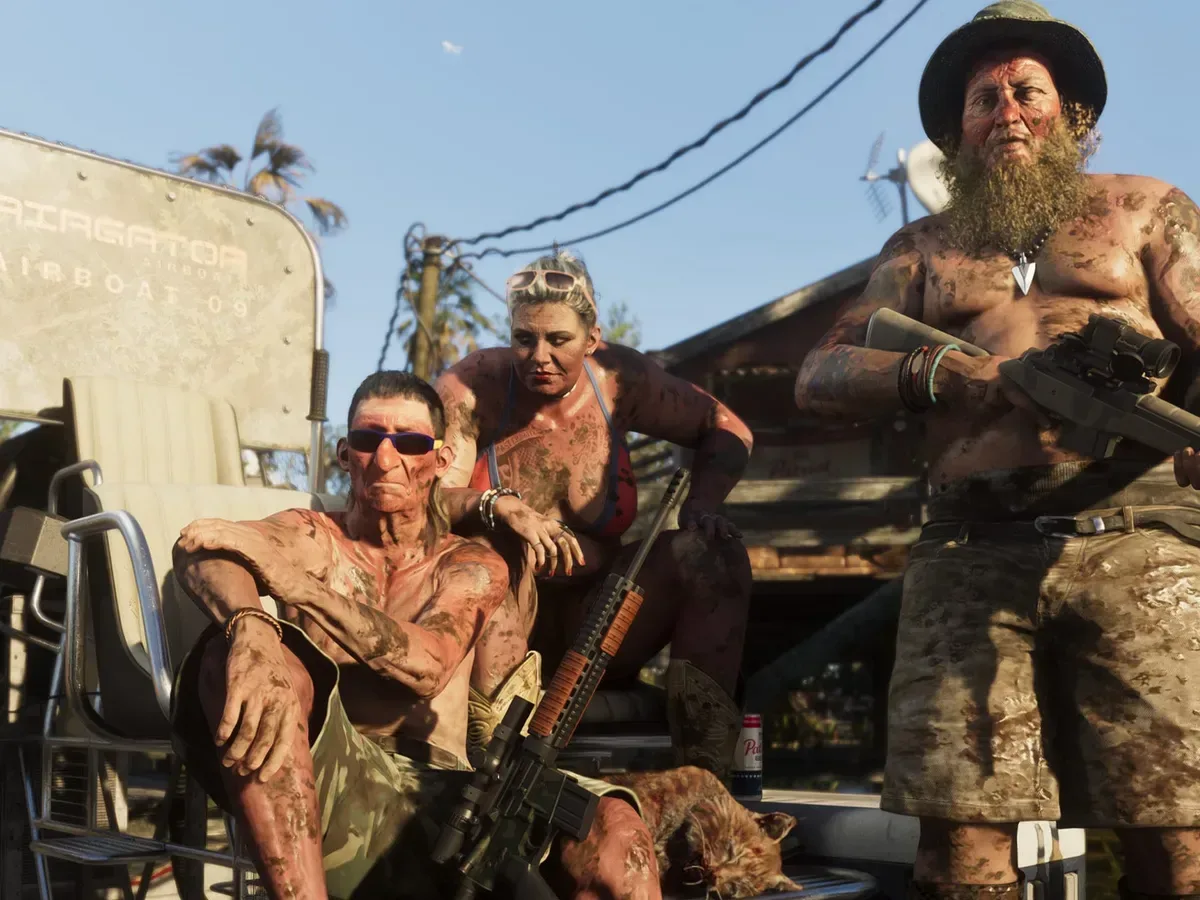
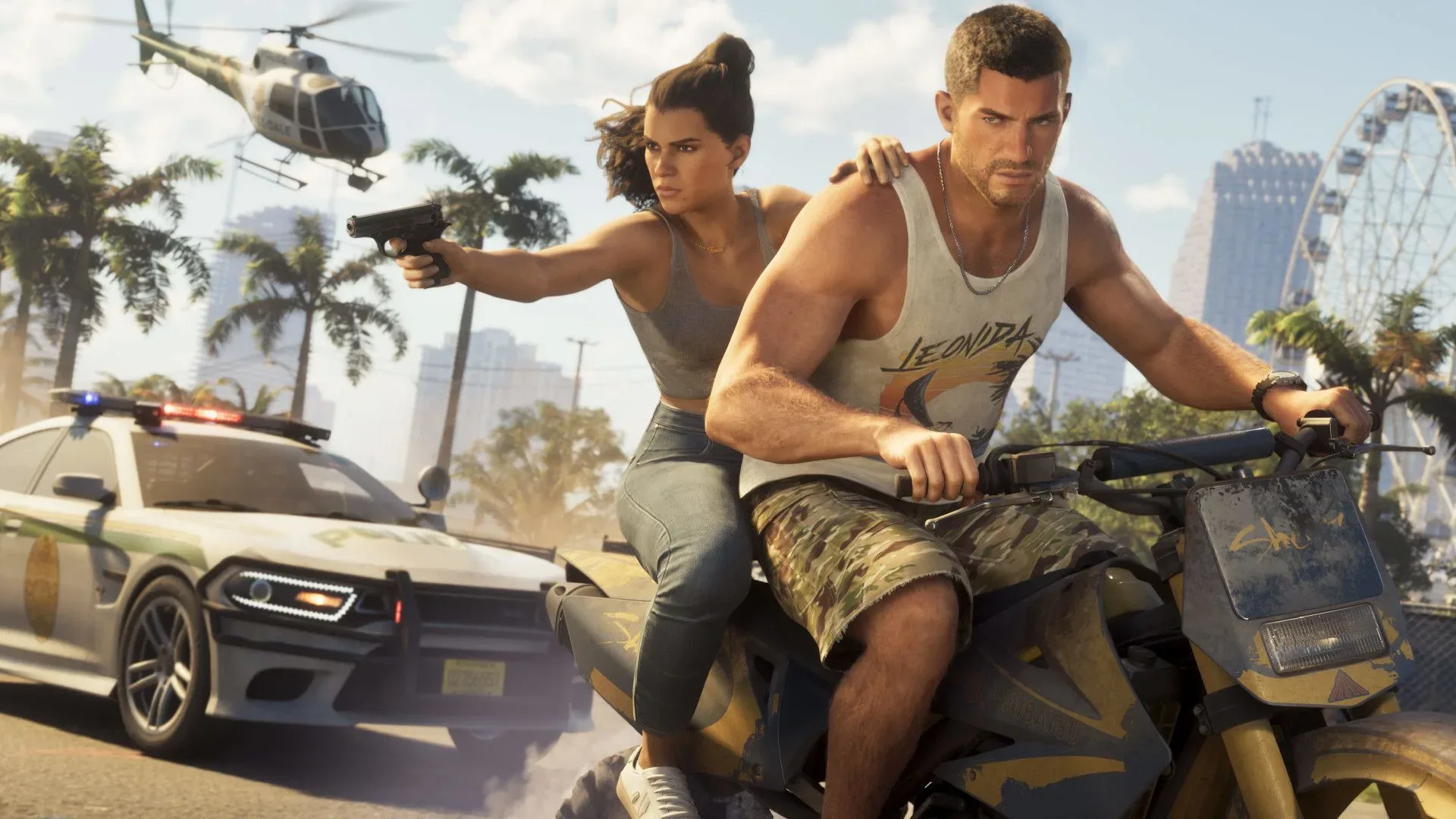
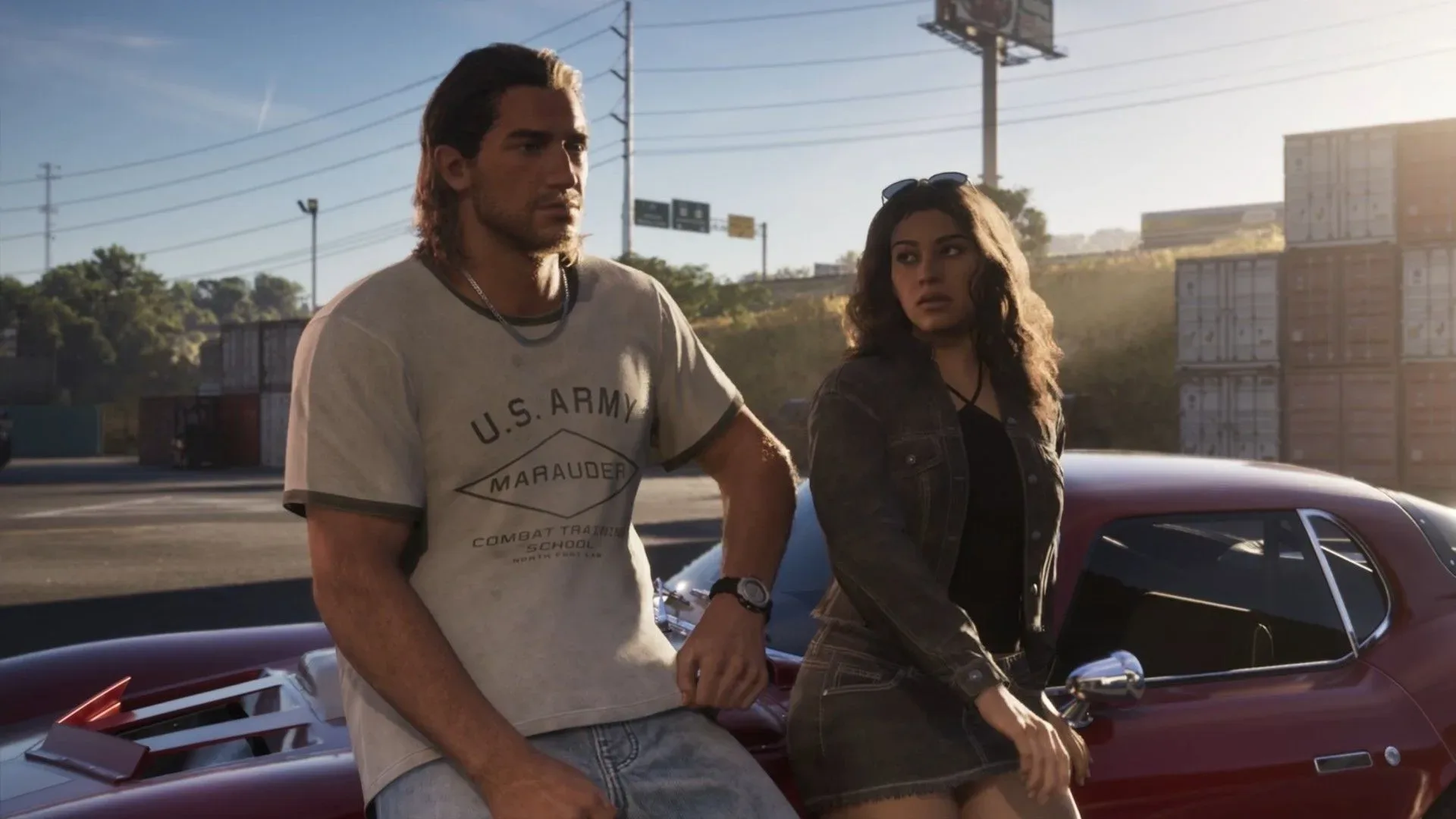
That thinking is particularly relevant as attention stays fixed on the next GTA. Recent discussion of its world has emphasized the activity and density Rockstar is pursuing in Leonida; the game’s NPC ambitions point toward a world intended to feel active beyond the player’s immediate objectives. That is the sort of design goal a conventional film cannot meaningfully translate, because the audience is observing rather than inhabiting the space.
Related coverage includes Grand Theft Auto Movie Remains Unlikely as Take-Two Sets a High Bar for Adaptations.
Take-Two’s objection is economic as well as creative
Take-Two CEO Strauss Zelnick has described a high threshold for television and movie extensions of the company’s intellectual property. He has said a project would need passionate creative support and a convincing ability to engage and delight consumers. In other words, simply owning a famous name is not enough.
The company’s logic becomes more direct when framed as risk management. Zelnick previously told shareholders that console releases have an 80% to 90% hit rate for the business, compared with roughly 30% for a well-run movie studio. A hit ratio is the share of releases that succeed by the metric a business considers meaningful. It does not promise that every individual game will win, but it does explain why a publisher accustomed to a relatively reliable core business might look skeptically at film’s far less predictable returns.
“The hit ratios in the motion picture business are vastly lower than they are in the interactive entertainment business,” Zelnick said in 2023, warning that a failed licensed film could compromise the underlying intellectual property.
That final concern matters more than a licensing payment. A successful screen adaptation can expand the audience for a game, encourage lapsed fans to return and add cultural visibility between game launches. Yet the publisher does not need an adaptation to establish GTA as a known quantity. If a movie is poorly received, it may not destroy a franchise, but it can leave a long-lived impression that the rights holder then has to outlast.
The 2008 Max Payne film illustrates the concern without proving that all adaptations fail. The movie starred Mark Wahlberg, performed moderately at the box office and received a 15% Rotten Tomatoes score. The game series continued afterward with Max Payne 3, and remakes of the first two games are slated. Still, it is difficult to identify that film as the kind of creatively durable extension Take-Two now says it wants.
The circumstances around Borderlands offer another reason for restraint. Take-Two acquired Gearbox Entertainment after that film had already entered production, so it did not create the project. Even so, the film’s poor outcome is a conspicuous reminder that a recognizable game universe does not immunize a screen adaptation from creative or commercial disappointment.
Why Red Dead Redemption may fit television more naturally
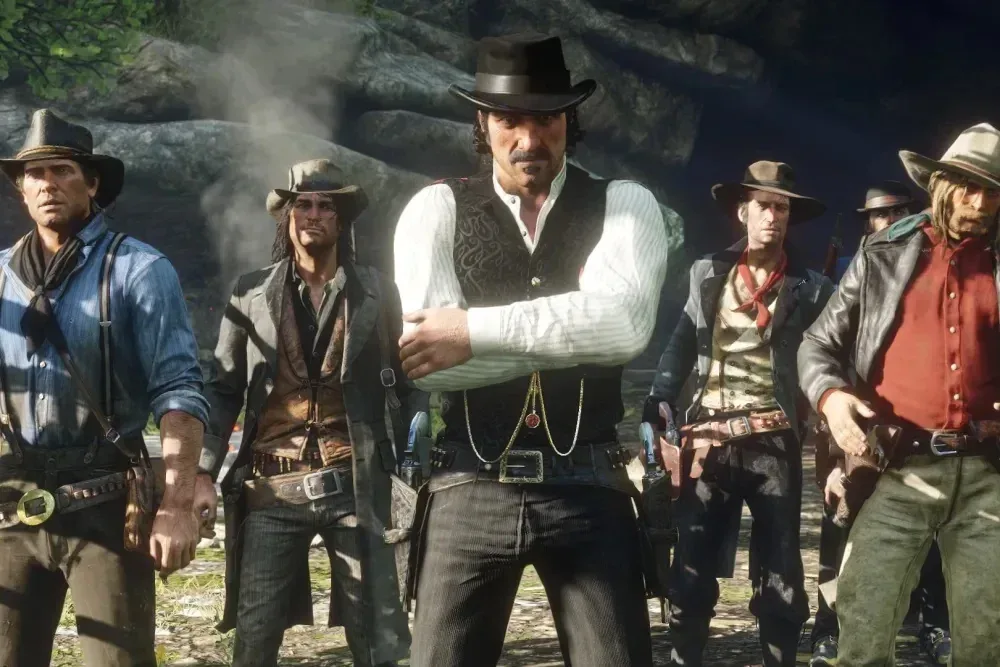
Red Dead Redemption has its own enormous open worlds, but its Western framing makes the pitch for a scripted series easier to understand. The genre already has a deep television vocabulary: isolated communities, contested land, outlaws, shifting loyalties and stories shaped by a changing frontier. A show could work within that tradition without needing to reproduce every aspect of the games.
Reports have indicated that Rockstar may be willing to shop film or television rights for the series, and that a $100 million licensing figure was floated at one point. That number should not be mistaken for a completed transaction or confirmed price. It is better understood as an indication of how highly such rights may be valued if a deal is pursued.
The potential comparison is The Last of Us, which demonstrated that a game adaptation can retain a serious dramatic tone while reaching viewers unfamiliar with the original. But the lesson is not that every prestige game should receive a prestige series. It is that the adaptation needs a form that preserves the heart of its source while accepting the fundamental change from participation to watching.
A Red Dead series would still carry risks. Its value to Take-Two would depend on the people making it, their approach to the property and whether the finished work added something worthwhile rather than merely using a recognizable title. Zelnick’s stated standard suggests that a large check alone would not settle the matter.
Gaming rights are valuable, but the market is not an instruction manual
Major companies are already spending heavily to adapt games. Reported per-episode budgets for projects based on Tomb Raider, Assassin’s Creed and Far Cry range from $15 million to $25 million. That is blockbuster-level spending spread across episodes, a measure of how important established game audiences have become to streaming and television buyers.
Yet the industry’s enthusiasm does not oblige Take-Two to join the rush. In fact, it may reinforce the advantage of patience. A company with successful game releases can wait for the right creative partner, the right format and a deal that makes sense for the brand. It does not have to license its highest-profile property merely because others are signing adaptation agreements.
Dan Houser, Rockstar’s cofounder, has also described earlier conversations in which the economics and risk of adapting the company’s multi-billion-dollar intellectual property did not make sense. His remarks reflect a broader shift in power. Game publishers are no longer necessarily looking to film studios for legitimacy. Their biggest releases can be cultural events on their own terms.
The reported claim that GTA 6 generated more day-one revenue than Avengers: Endgame is an especially vivid expression of that imbalance. Whether a screen project could make money is not really the central issue. Compared with the scale of a major GTA launch, even a successful film may make only a limited difference to Take-Two’s overall business. A failure, however, can be much more visible than its direct financial contribution.
What fans should take from the current picture
There is no announced Grand Theft Auto movie here, and no reason to treat speculation about casting, plot or release timing as a sign that one is imminent. The available picture instead suggests a company setting a deliberately high bar for adaptations of its most important games.
- GTA’s absence from theaters appears intentional: its interactive open-world design is a major part of the brand’s appeal, not a feature easily condensed into a passive format.
- Red Dead may be a better candidate: its Western setting gives a prospective series a recognizable dramatic foundation, though no completed licensing arrangement is established by the reported discussions.
- Take-Two is weighing brand risk: leadership has explicitly contrasted the company’s console hit rate with film’s less predictable record.
- Success elsewhere changes the opportunity, not the requirement: recent game adaptations show the potential of the format, but they do not make every major franchise an automatic fit.
A well-made Red Dead project could eventually give Rockstar a carefully controlled way into television or film. Grand Theft Auto, meanwhile, may remain where it has the greatest advantage: in a world players can disrupt, explore and make their own.