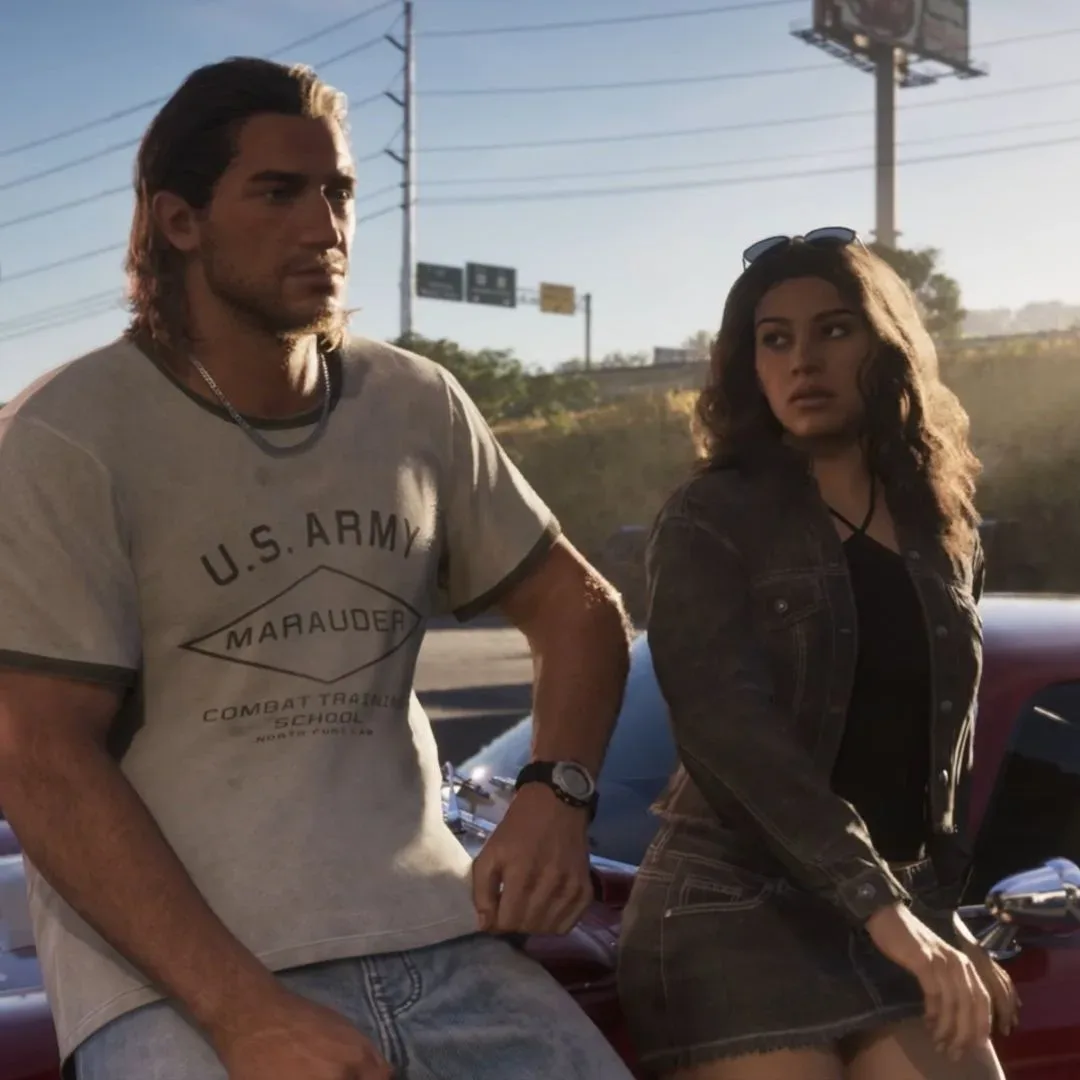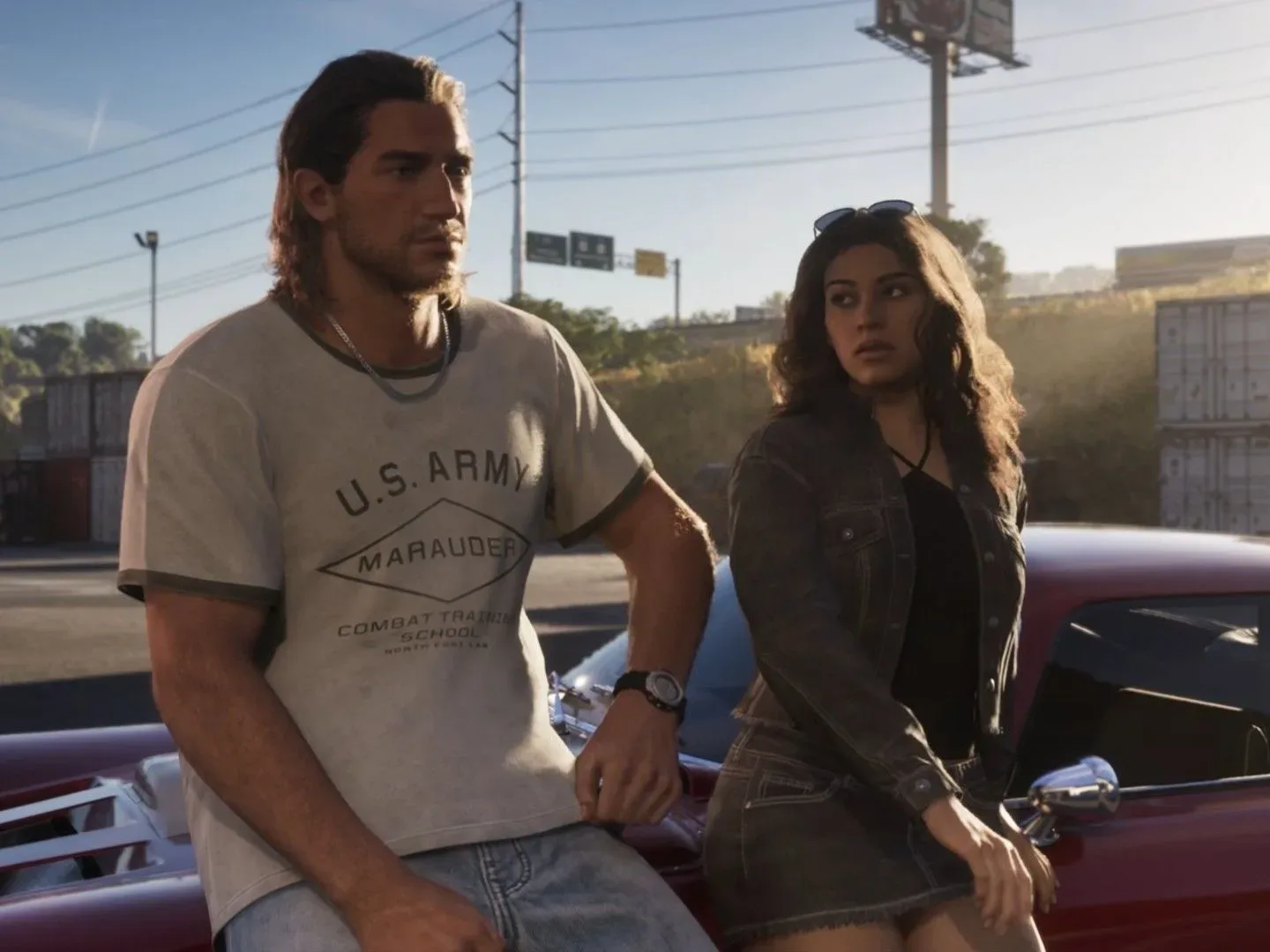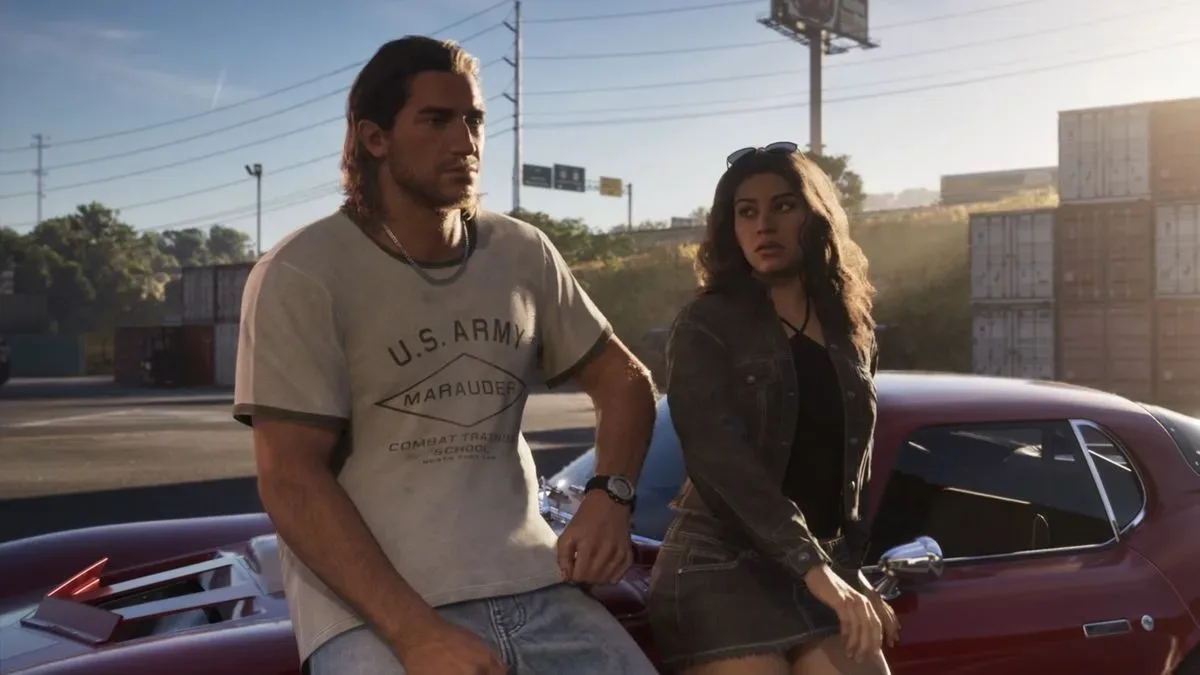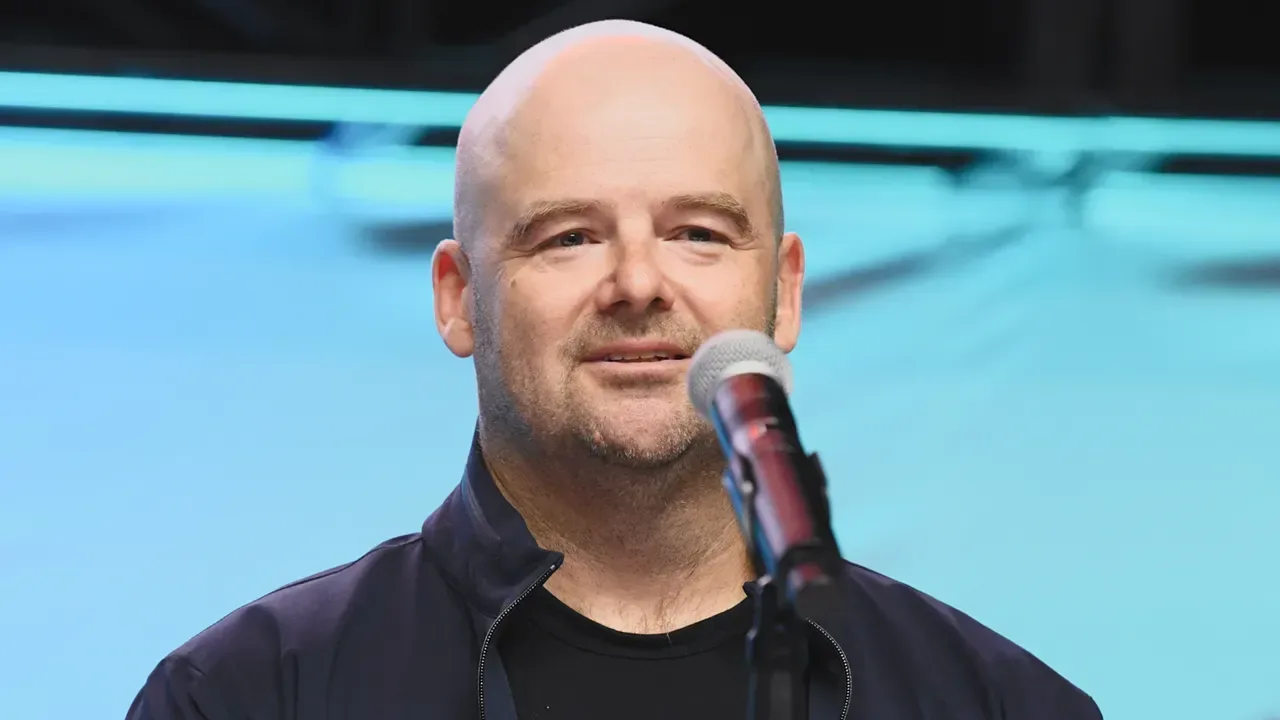
Grand Theft Auto may be the first name that comes to mind when people talk about Take-Two Interactive, but chief executive Strauss Zelnick is making a broader argument for the company’s business: its value, he says, is not built around one blockbuster alone.
Zelnick said Take-Two has 15 franchises that have each sold at least 5 million units with an individual release. He described the company’s owned intellectual-property portfolio as the strongest in games, tying that assessment to its revenue, profitability and market capitalization.
“We have 15 franchises that have each sold at least 5 million units in an individual release,” Zelnick said. “I think we have the best collection of owned intellectual property in the video game business.”
That is a deliberately expansive claim, and it is worth separating the measurable part from the judgment call. The statement about 15 franchises establishes the scale Zelnick is pointing to. Calling the resulting portfolio the industry’s best is an executive opinion, one that inevitably depends on how someone weighs sales, cultural reach, genre variety, longevity and the capacity to support new releases over time.
Still, the list offered by Zelnick explains why Take-Two can frame itself as more than the company waiting for the next Grand Theft Auto. It spans open-world crime games, Western action, online games, annual sports releases, role-playing and shooter series, strategy games, wrestling, and mobile titles.
What Take-Two’s IP argument includes
Intellectual property, usually shortened to IP, refers to the characters, settings, brands and concepts a company owns or controls. In games, an IP is not merely a single title. It can provide the basis for sequels, expansions, online modes, mobile adaptations and other future projects. A deep IP lineup therefore gives a publisher multiple ways to reach different audiences rather than relying on every player to want the same kind of game.
Zelnick’s examples begin, unsurprisingly, with Grand Theft Auto, but his case leans heavily on the brands around it:
- Red Dead Redemption, which Zelnick called a massive title and said had sold more than 65 million units in its most recent release.
- Grand Theft Auto Online and Red Dead Online, the online components attached to Take-Two’s largest action properties.
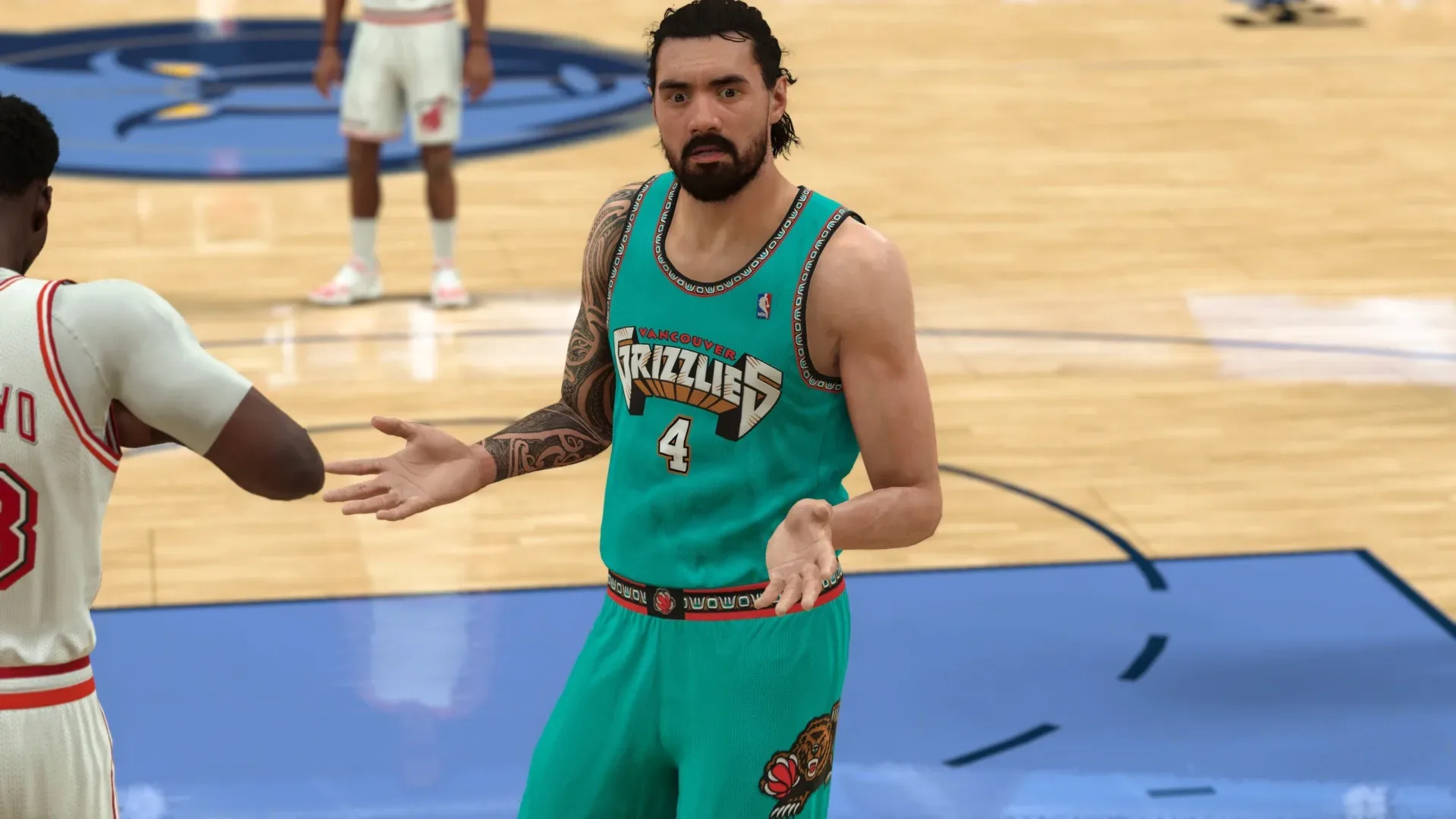
- NBA 2K, which he characterized as the world’s second-largest sports title and the largest in North America.
- Borderlands, BioShock, WWE 2K and Civilization, representing several very different game formats and audiences.
- Words with Friends and Empires & Puzzles, two mobile hits that make the portfolio broader than console and PC blockbuster publishing.
The significance of that spread is practical. Grand Theft Auto, Red Dead Redemption and Borderlands do not serve identical player expectations. NBA 2K and WWE 2K are tied to sports and wrestling audiences. Civilization has a different strategic appeal, while Words with Friends and Empires & Puzzles speak to a mobile market with its own habits. A publisher that owns recognizable names in these lanes has more routes to maintain relevance when any one franchise is between releases.
Related coverage includes Take-Two CEO Highlights Red Dead, Borderlands and More Beyond GTA 6.
It also means the company’s library cannot be judged only by the next Grand Theft Auto release. A major Rockstar launch is enormous news, but Take-Two’s stated strategy rests on a collection of brands with different genres, platforms and release rhythms.
Why online games matter to the picture
Zelnick specifically included Grand Theft Auto Online and Red Dead Online alongside the core series. That distinction matters because an online game can remain part of a franchise’s presence after a conventional single-player launch. It keeps a brand visible to active communities and gives the wider property an ongoing identity rather than leaving it dormant until a sequel arrives.
Nothing in Zelnick’s comments turns those online games into a guarantee of future performance, and there is no need to treat them as interchangeable. The key point is that Take-Two’s portfolio contains both named franchises and live online extensions of some of its most prominent releases. For a company making the case that it has breadth, that is useful evidence: a brand can be a boxed or digital release, an ongoing online destination, or both.
The same goes for the publisher’s mobile properties. Mobile games are not a side note in the list. Including Words with Friends and Empires & Puzzles signals that Zelnick’s definition of a strong catalog is platform-wide. The claim is about owned brands and commercial reach, not a narrow contest among premium console releases.
“Best collection” is not a statistic
The hard sales threshold cited by Zelnick gives the argument a factual base, but the headline conclusion is subjective. There is no universal formula that decides which company has the best IP. One observer might prioritize the number of franchises with multimillion-selling releases. Another might place more importance on critical legacy, genre leadership, merchandising power, regional popularity or the consistency with which a brand produces successful games.
Nintendo is an obvious counterpoint to Take-Two’s self-assessment. Its lineup includes Mario, The Legend of Zelda and Super Smash Bros., and it has a partial ownership interest in Pokémon. Those are not direct equivalents to every Take-Two series; they occupy different creative spaces and have distinct histories. But they demonstrate why an industry-wide “best” claim will always invite debate, rather than a simple ranking.
Nintendo’s own current platform and business decisions also remain relevant background whenever the discussion turns to the relative strength of major game companies and their libraries. Nintendo has recently addressed its Switch 2 pricing plans amid changes in sales and profit, a reminder that even owners of globally recognized franchises are judged through both their brands and the commercial circumstances around them.
That does not weaken Take-Two’s argument. It clarifies what it is: a confident declaration from a company leader, supported by a substantial slate of properties, rather than an objective title awarded by a neutral authority.
A portfolio designed for different kinds of players
Take-Two’s named franchises are notable less because they all resemble Grand Theft Auto than because they do not. Red Dead Redemption gives the company another large-scale Rockstar property with a separate setting and identity. Borderlands, BioShock and Civilization bring distinct fictional worlds and genre expectations. NBA 2K and WWE 2K connect the company to licensed sports and entertainment categories. The mobile games extend the reach further.
That diversity can matter during the long development cycles associated with major games. When one major franchise is absent, a publisher with only one or two familiar names has fewer ways to speak to its audience. With multiple established series, attention can move among sports, strategy, action and mobile games without requiring every player to follow the same release calendar.
It is also important not to flatten the argument into a claim that every franchise is equally large. Zelnick did not say that. He highlighted Grand Theft Auto and Red Dead Redemption as massive properties, called out NBA 2K’s standing in sports, then rapidly named other major brands. The more defensible reading is that Take-Two has several levels of recognizable IP: a small number of giant tentpoles, supported by a wider group of successful franchises.
The Grand Theft Auto effect remains enormous
For all the emphasis on diversification, Grand Theft Auto remains central to how the public views Take-Two. That is not a contradiction. A portfolio can have one exceptionally prominent brand while still being materially broader than that brand. Zelnick’s comments appear intended to make that distinction clear: Grand Theft Auto may dominate headlines, but it exists within a company that also owns Red Dead Redemption, NBA 2K, Borderlands, BioShock, Civilization and other established names.
Red Dead Redemption is particularly important to that framing because of the sales figure Zelnick cited. More than 65 million units for its most recent release is a striking number and directly supports the idea that Take-Two possesses another large-scale entertainment property beyond Grand Theft Auto. Meanwhile, NBA 2K gives the company a major recurring presence in sports, while the cited mobile titles prevent the portfolio discussion from becoming entirely dependent on premium, big-budget releases.
Whether players personally rank Take-Two above Nintendo or any other publisher is a matter of taste and criteria. Zelnick’s core point is narrower and sturdier than the superlative around it: Take-Two owns a sizeable collection of franchises that have proven capable of reaching large audiences, across multiple types of games. Grand Theft Auto may be the loudest engine in that garage, but the company is arguing that it has a lot more than one vehicle.