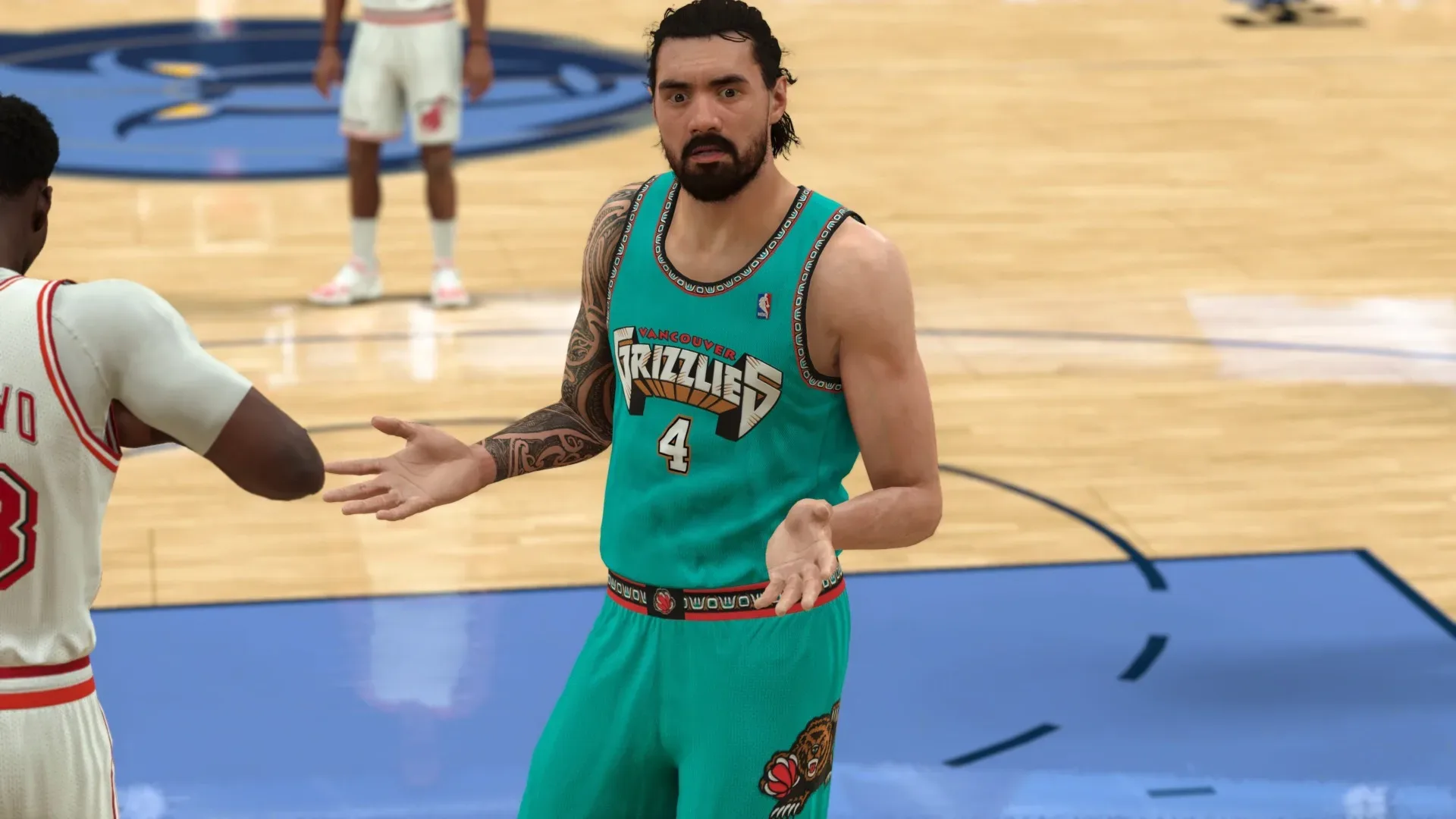
A California class action over NBA 2K’s virtual currency, known as VC, is placing an annual sports-game ritual under unusual legal and commercial scrutiny: players can earn or buy currency in one NBA 2K release, but cannot take its unused balance into the next one.
The case, filed in 2023 on behalf of a minor identified as J.A., alleges that Take-Two Interactive improperly takes value from players by preventing that rollover. Take-Two disputes the claim. Newly public court material, including a 2025 deposition from NBA 2K vice president of production management Michael O’Dwyer, lays out the company’s position in greater detail than players normally see when deciding whether to spend money on in-game currency.
The central issue is not whether VC has a use inside an NBA 2K game. It plainly does. Players can earn it through play, while buying it can speed up progress toward player upgrades and cosmetic items. The dispute is about what happens when the yearly product changes—and, more fundamentally, what a player receives when they buy a balance tied to a particular game.
What the case is challenging
J.A.’s complaint is a proposed class action, meaning it seeks to represent a broader group of similarly situated players if the court permits it. The claim characterizes the annual inability to carry VC forward as theft. That is an allegation in ongoing litigation, not a court finding.
Take-Two’s defense rests in part on the terms players accept when purchasing and using the game. Those terms describe VC as a “virtual item.” The 2024 terms cited in the court material state that users have no ownership or other rights in virtual items or their accounts.
That language matters because it draws a sharp line between a familiar consumer intuition—“I paid for this, so it is mine”—and the contractual model used for many live, account-based digital services. Under the latter model, the customer receives permission to use digital content within the service’s rules rather than title to an independently owned asset.
J.A.’s lawyer has challenged that framing, describing the relevant terms as overly harsh, oppressive and unfairly one-sided. The litigation therefore does not simply turn on a technical question about moving a number from one database to another. It also turns on whether contractual restrictions sufficiently disclose and justify the limits placed on something that can be earned through time or acquired with real money.
2K’s stated reasons for not carrying VC forward
O’Dwyer’s deposition identifies several reasons the company does not allow VC to cross from one annual NBA 2K release to the next. He said there is no existing technical solution. He also said that building a rollover system would require separating VC earned through gameplay from VC purchased by the player.
Related coverage includes NBA 2K VC Lawsuit Puts Digital Ownership and Annual Resets Under the Microscope.
That distinction is important. A balance shown as one pool inside a game can represent currency obtained through different routes. If a rollover policy applied only to unused purchased VC, the game would need records and rules that can reliably identify what portion of the remaining balance originated from purchases versus play. A player might spend some VC, earn more, make another purchase, and use the shared balance again. Designing a system that assigns the remaining amount to one source or another can become complicated, especially if the company wants the accounting to operate consistently across a large player base.
But O’Dwyer did not present this solely as an engineering limitation. He said the company has not tried to make the change or wanted to make it, and described the undertaking as a complete redesign of a complex game. He also said the company does not philosophically want to separate paid and earned VC, citing the development time and resources that would be redirected from other investments.
In other words, the testimony presents a combined argument: a rollover system would be technically complex, costly in development priorities, and misaligned with the company’s preferred design approach. Those are different propositions, and it is useful not to blur them. “No technical solution in existence” means a system is not currently available; it does not necessarily mean a system could never be developed. The deposition itself addresses that gap by saying the company has not pursued such a change and considers it too large an undertaking for the perceived benefit.
The fresh-start argument
O’Dwyer also offered a gameplay rationale. The goal, he said, is for every new release to begin as a fresh start, with returning players and newcomers receiving an equal opportunity when entering that version of the franchise.
This is a recognizable concern in annualized games. If players could bring substantial balances from a prior entry, they might be able to obtain upgrades or cosmetic items earlier than those starting from zero. From the company’s perspective, a hard reset establishes a consistent beginning point for the new game.
Yet “equal opportunity” is a design principle rather than a self-executing answer to the consumer question. Players who buy VC during a game’s lifespan may reasonably focus on the unused amount left in their account when a successor arrives. They may regard a fresh competitive or progression environment as compatible with a limited transfer of unspent purchased currency, while the company regards the clean break between releases as part of the product structure.
The lawsuit brings that disagreement into focus. It asks whether consumers were treated unlawfully; the company’s explanation says the reset is intentional and tied to both the architecture and philosophy of the annual series. The court process will determine the legal consequences, if any. It is not yet a verdict on the merits of either position.
What VC is, and why the terminology matters
VC is NBA 2K’s in-game digital currency. The supplied court material describes two ways of obtaining it: earning it through play or buying it to accelerate upgrades and purchase cosmetic items. This dual source is the heart of the proposed rollover problem.
Virtual item is the contractual category applied to VC in the cited terms. In practical language, it signals that the currency functions inside the service rather than as money held in a wallet that the user can freely move, redeem or own outside the game. The term does not settle the lawsuit on its own; it is part of the contractual framework Take-Two is relying upon.
Annual reset is not a quoted legal term, but it neatly describes the situation at issue: when a new yearly NBA 2K release arrives, VC attached to the earlier game does not transfer to the new title. The reset affects both currency accumulated through gameplay and currency purchased with real money, based on the account presented in the litigation material.
Players considering VC purchases should distinguish between immediate utility and lasting value. VC may help with progression or cosmetics in the specific NBA 2K environment where it is acquired. The disclosed terms and the company’s position make clear that it should not be assumed to remain usable in a later annual release. That is a practical consideration, not legal advice—and it does not resolve the plaintiff’s challenge to the underlying practice.
Why the testimony matters beyond one balance screen
The unusual value of the unsealed deposition is its directness. Consumers often encounter virtual-currency policies as brief warnings, account terms, or an abrupt realization when a new game releases. Here, a senior NBA 2K production executive describes both the technical separation problem and the company’s lack of interest in building around it.
That is likely to sharpen the broader debate around in-game spending. Buying currency can feel more tangible than buying a temporary service because a balance is displayed numerically and spent on visible upgrades or cosmetics. But the legal terms described in the case take the opposite view: VC is a controlled virtual item, not a player-owned asset.
This is also why the distinction between an unused balance and items already acquired with it matters. The facts supplied concern currency that cannot be transferred between yearly games. They do not establish that every acquired item, mode, save, or form of progress is treated identically, nor do they establish any specific policy beyond VC. Readers should be careful not to extend the case beyond what the disclosed material actually addresses.
The discussion lands amid a wider industry conversation about what players retain when games, accounts and digital services change. For another example of how game communities weigh long-term access and publisher plans, see the debate around Destiny 2’s vault and roadmap. The NBA 2K dispute is more narrowly focused: one currency, an annual franchise cycle, and the contractual status of a purchase many players may have understood differently.
What happens next
The lawsuit remains ongoing. The material available so far gives each side a clear outline. The plaintiff alleges that the no-rollover practice unlawfully strips players of value. Take-Two denies that allegation, points to the agreed terms governing virtual items, and argues that transfer is incompatible with a desired fresh start as well as requiring extensive technical and design work.
For NBA 2K players, the immediate takeaway is straightforward: treat VC as use-limited within the game in which it is acquired, rather than as a balance guaranteed to accompany the next annual release. For the industry, the larger question is whether plainly written terms are enough when the product experience encourages purchases of a currency that has a deliberately limited future.
The eventual legal outcome could clarify how courts assess that tension. Until then, the case has already made one thing unusually visible: the annual VC reset is not portrayed as an accidental omission. In the company’s account, it is an intentional result of technical constraints, development priorities and a particular vision of how a new NBA 2K should begin.