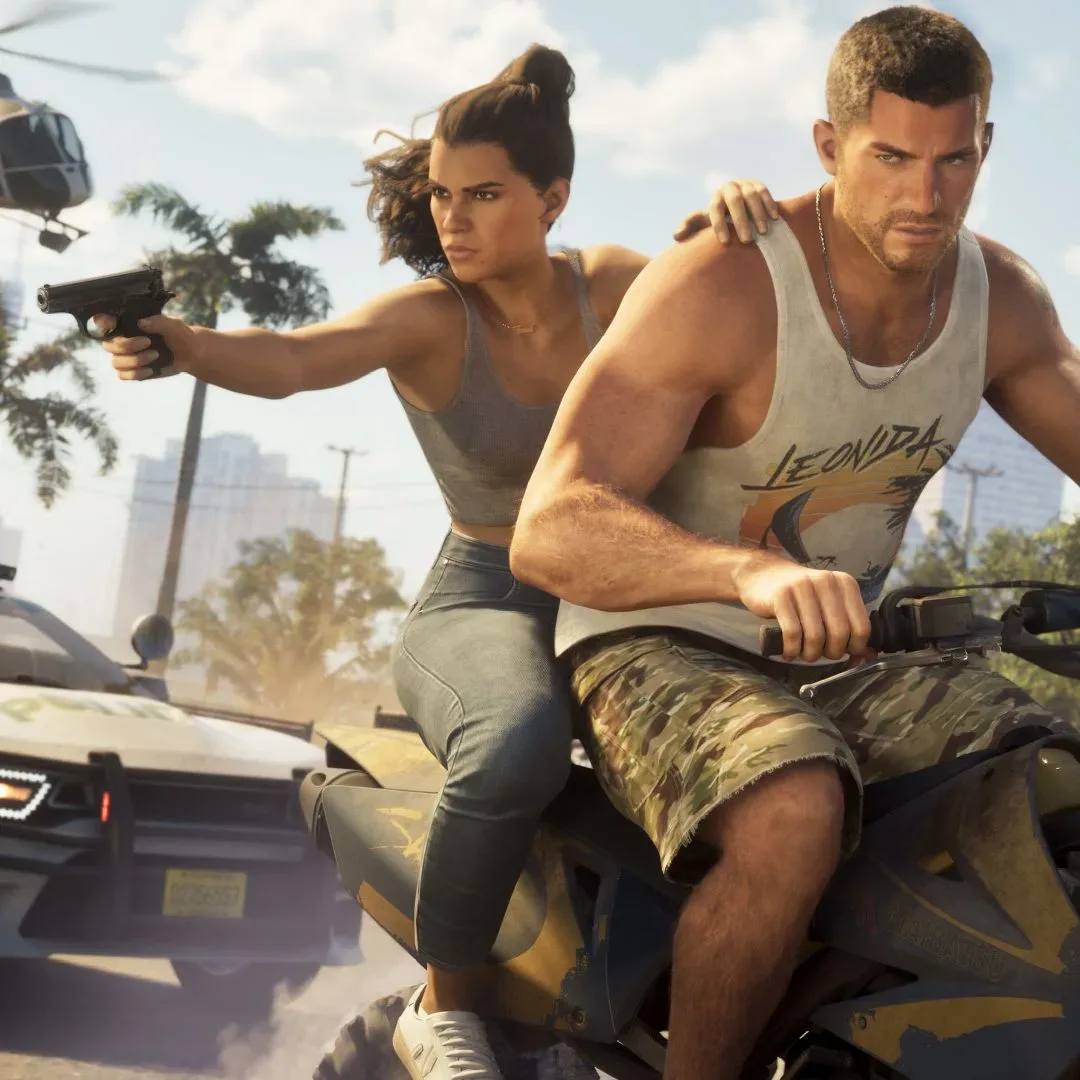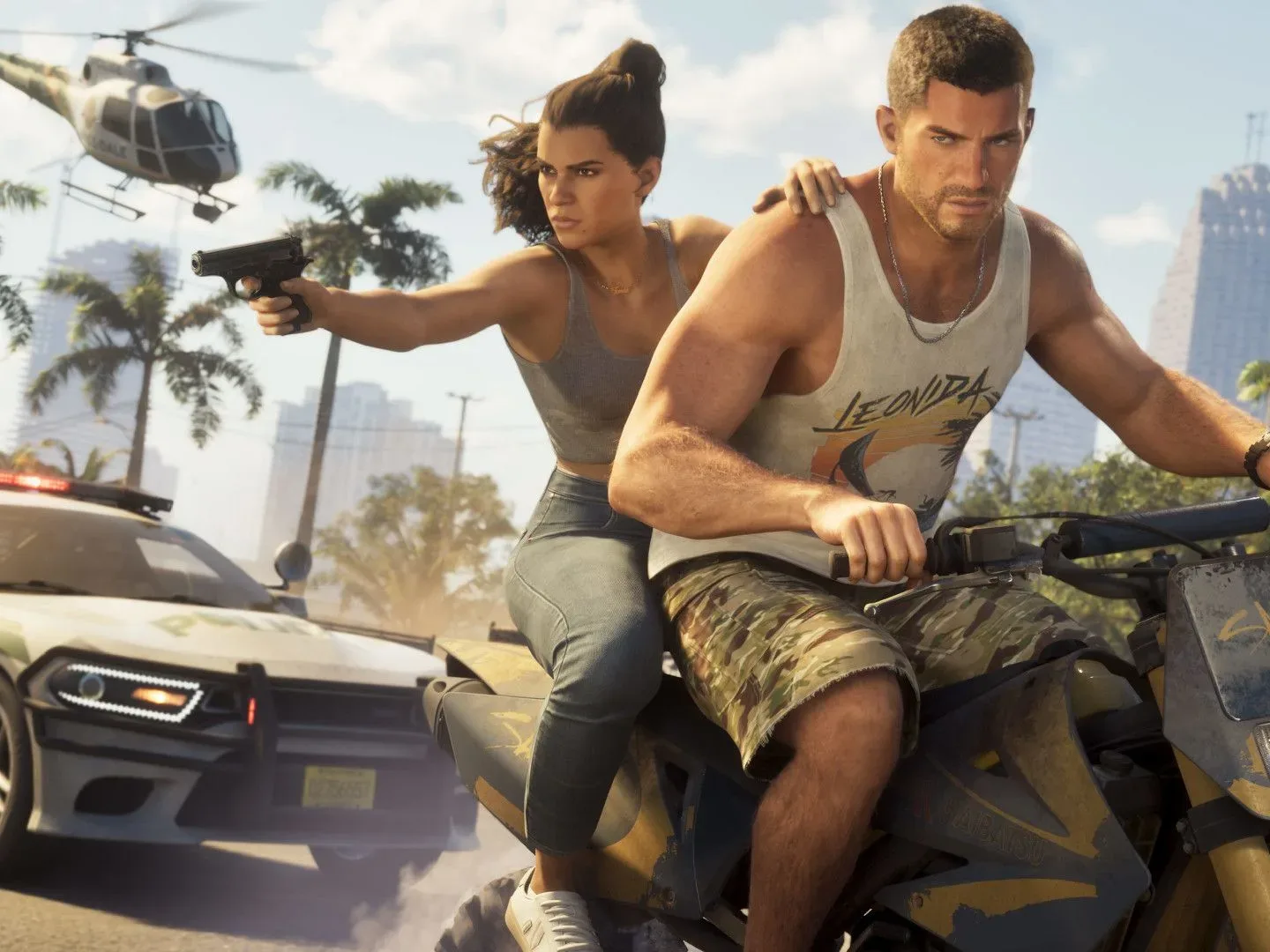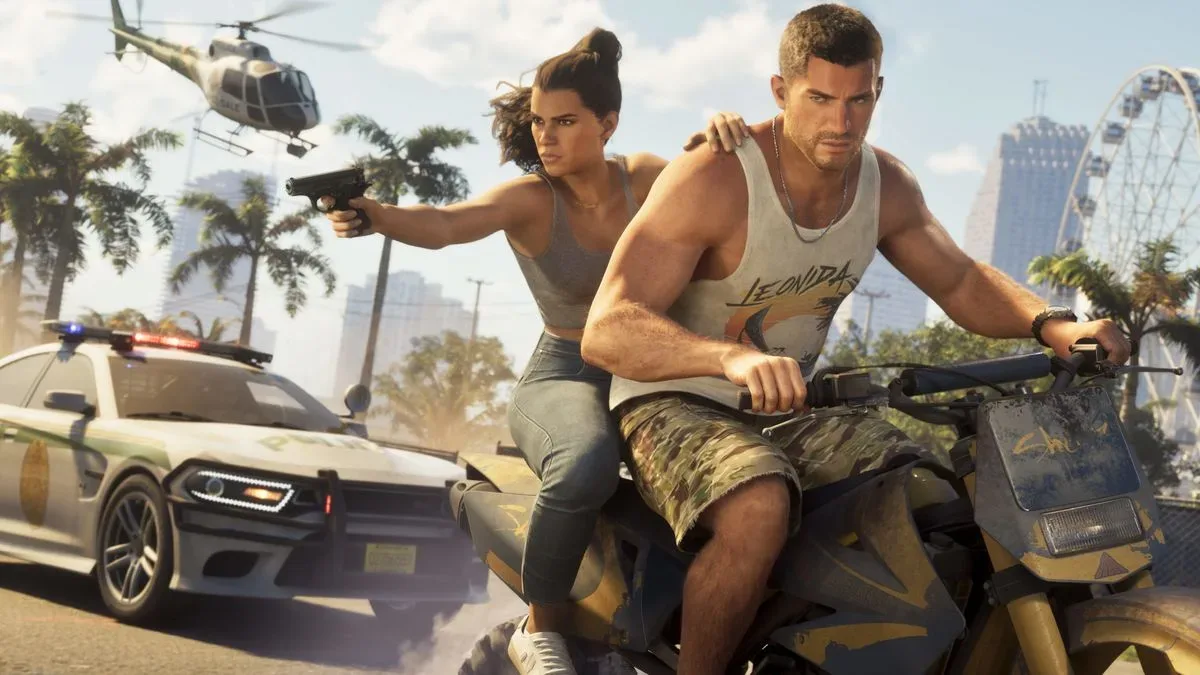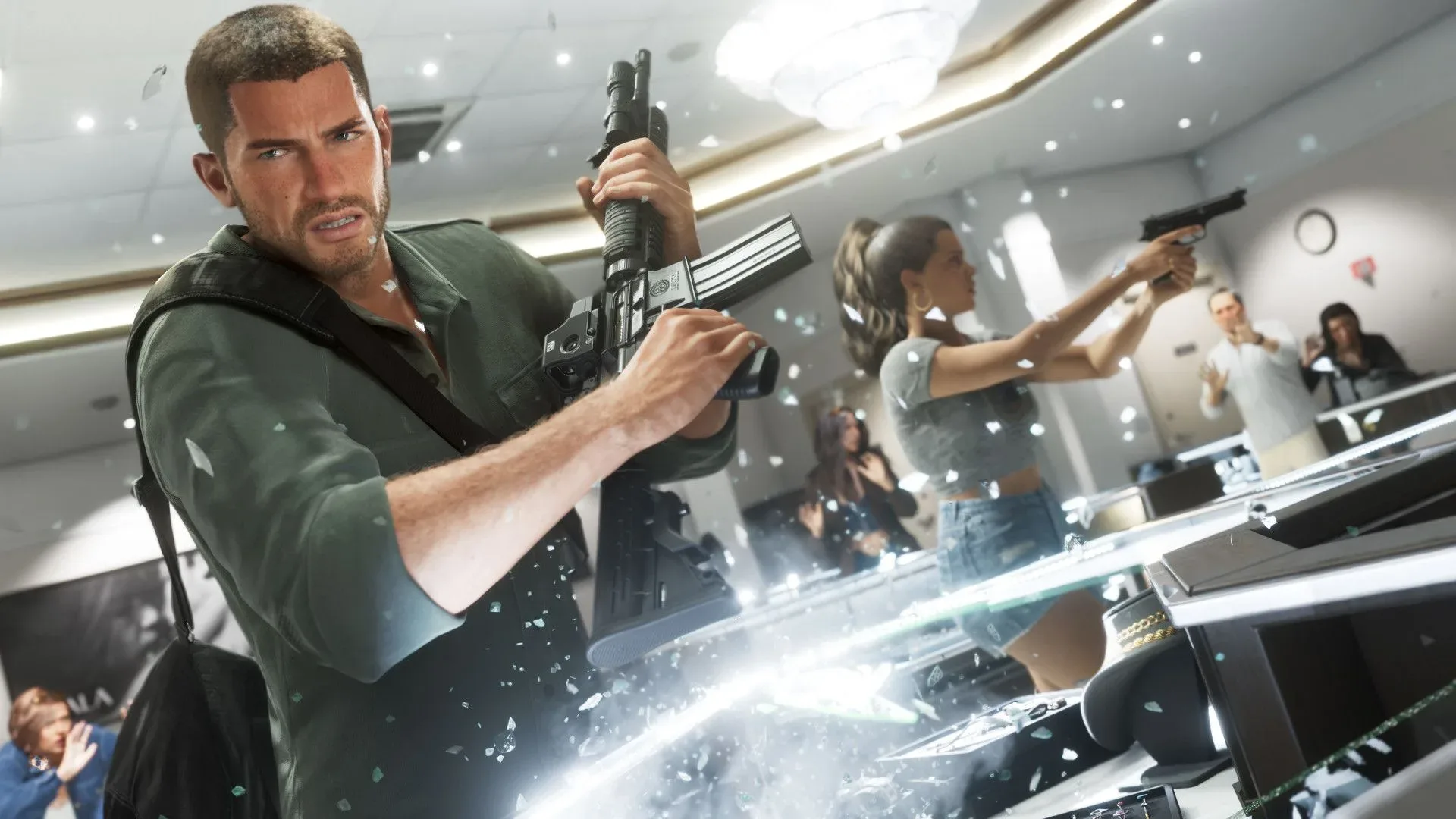
A Grand Theft Auto movie or television series is not being ruled out by Take-Two, but it is far from a confirmed project. CEO Strauss Zelnick has said the company would consider adapting its properties beyond games only when its creative teams are genuinely enthusiastic about the idea and believe it would engage and delight consumers.
That distinction matters. This is not an announcement of a GTA film, a streaming series, a cast, a studio partner, or a production timetable. It is a statement of criteria: the company sees the possibility, but regards it as an unusually high-stakes creative decision.
“We would make a movie or a television show based on our IP if our creative teams were passionate about it,” Zelnick said. “If they thought that would somehow engage and delight our consumers. It’s a high bar to do that, and of course there’s always the risk of failure. So we don’t rule it out, but we’re very, very selective.”
For a series as large and culturally recognizable as Grand Theft Auto, that caution is understandable. The games are known not simply for crime stories, but for expansive interactive worlds, player freedom, satire, radio, side activities, and a particular tone that can shift quickly between tense, absurd and provocative. A screen adaptation would have to decide what parts of that experience can survive outside an interactive format—and what should be left behind.
Possible does not mean planned
Zelnick framed movies and television as line extensions, a business term for taking an established property into another medium or product category. In this case, it means turning a game franchise into filmed entertainment. The approach described is not that every successful game should automatically be adapted; rather, an adaptation needs a clear creative reason to exist.
That is an important line to draw amid a busy period for game adaptations. Film and television projects based on games have become increasingly visible, with Resident Evil, Mortal Kombat 2, Street Fighter, Iron Lung, Exit 8 and Return to Silent Hill among the 2026 releases cited in the wider adaptation landscape. The latter portion of Fallout’s second season has also arrived. The next year is expected to include a Legend of Zelda film, A Minecraft Movie 2 and Sonic 4, alongside the prospect of further game-based television shows.
A crowded adaptation market can make a recognizable name more valuable, but it does not make the creative question easier. In fact, it may make selectivity more valuable. Grand Theft Auto is not a property that lacks awareness or needs a conventional screen project to introduce people to its central premise. Any adaptation would instead be judged against the games’ own stature and against the expectations carried by the GTA name.
That makes “we can make it” a much lower standard than “we should make it.” Zelnick’s comments place the emphasis firmly on the second question.
Related coverage includes Take-Two Says a Grand Theft Auto Movie or TV Series Is Possible, but the Bar Is High.
Why GTA presents a particularly difficult adaptation challenge
Most adaptations involve trade-offs, but Grand Theft Auto’s biggest strengths are especially tied to player participation. A game can give players an urban playground, let them pursue the main story at their own pace, then distract them with vehicles, errands, exploration and incidental encounters. A movie has a fixed runtime and a television season has a more controlled narrative structure. Neither can reproduce open-world choice directly.
That does not mean a GTA adaptation would need to mimic every game system. It means the filmmakers would need to identify the core dramatic appeal of a specific story. A screen version might focus on a small group of characters, a single criminal scheme, a city’s institutions, or the comic friction between ambition and incompetence. But such a project would still need to feel compatible with a franchise whose identity has been shaped by player agency as much as plot.
Player agency is the ability of a player to make meaningful choices or actions within a game. In an open-world game, agency may include where to go, how to approach an objective and whether to spend time on activities outside the central narrative. Screen storytelling replaces that agency with authorial control: viewers follow choices made by characters and creators. The challenge is not technical; it is tonal and structural. A successful GTA film or series would need to offer something compelling in exchange for that lost freedom.
There is also the matter of scope. The games have set expectations for detailed places, large ensembles and broad satire. A narrowly focused crime drama could benefit from discipline, but it might disappoint viewers expecting the sprawling character of a GTA city. A lavishly broad series could potentially capture more of that breadth, while also carrying greater complexity and risk. Zelnick did not indicate whether film or television is the preferred route, and there is no announced format.
Take-Two’s stated threshold: creative passion and audience value
The key phrase in Zelnick’s remarks is not merely that the company is selective about partners. It is that the creative teams must be passionate and believe the outcome will delight consumers. That sets two related tests.
- Creative conviction: the people responsible for the property must see a meaningful artistic case for adapting it.
- Audience value: the finished work must offer fans and newcomers an experience worth having, rather than relying on a famous logo alone.
The first test recognizes that adaptation changes a work. Games, films and television use different tools, rhythms and audience relationships. The second acknowledges that a poor adaptation can damage confidence in future projects, even if it does not change the games themselves.
Zelnick explicitly mentioned the risk of failure. For a franchise with Grand Theft Auto’s profile, that risk is not limited to box-office or viewing figures. The project’s writing, casting, tone and relationship to the games would all receive intensive scrutiny. A faithful recreation of familiar plot beats could be criticized as unnecessary. An aggressively new interpretation could be criticized for missing what fans value. There is no guarantee that access to a well-known brand produces a satisfying result.
This approach also fits with recent comments from Take-Two about the scale of its games. In a separate discussion as GTA 6 neared release, Zelnick argued that bigger is not automatically better, a position explored in our coverage of Take-Two’s approach to size and entertainment value. The same principle can apply to adaptation: a screen project would not be justified merely by being large, expensive or attached to a huge franchise. Its purpose and execution would need to hold up on their own.
A long-running series without a conventional adaptation
Grand Theft Auto has existed for roughly three decades and has six mainline games, yet it has not received the kind of official feature-film or television adaptation common to many major entertainment properties. That absence is part of why Zelnick’s openness is notable, even if it remains carefully qualified.
The closest screen-adjacent example mentioned in this context is The Gamechangers, a 2015 docudrama starring Daniel Radcliffe as then-Rockstar Games president Sam Houser. It depicted the legal conflict with Florida attorney Jack Thompson over claimed psychological effects of violent games. Rockstar publicly rejected the portrayal at the time in especially blunt language, describing it as made-up.
That episode should not be confused with an official Grand Theft Auto adaptation. It was a dramatization involving people connected to the company and a controversy surrounding violent games, rather than a sanctioned story set in GTA’s fictional world. Still, it illustrates why control over representation may matter to a company that treats its properties as creative works rather than simply licenses awaiting exploitation.
What is known about GTA 6—and what is not
Grand Theft Auto 6 is set in Vice City and is scheduled to release on November 19. Its imminent arrival gives any conversation around the franchise additional weight, but it does not establish a link to a movie or series. No adaptation was announced alongside the release date, and Zelnick did not name a potential director, writer, actor, producer, studio or platform.
Speculation about which filmmakers might suit the material is just that: speculation. Crime-film veterans may seem like natural dream picks because GTA has long worked with crime-fiction ideas, but there is no indication that any individual filmmaker is attached or in discussions. A hypothetical director is not evidence of a project.
Similarly, reports and rumors around GTA 6’s map or potential Easter eggs are separate from the adaptation question. An Easter egg is a hidden reference, joke or secret detail placed in a game. Whether any alleged map material proves authentic would not tell audiences anything about a Grand Theft Auto film or television production.
The practical takeaway for GTA fans
At present, the most accurate reading is measured optimism, not expectation. Take-Two has not shut the door on a Grand Theft Auto movie or series. At the same time, the company has made clear that a recognizable title and a favorable adaptation climate are insufficient by themselves.
For fans, the useful benchmark is simple: treat a GTA screen adaptation as possible until a formal project is announced, rather than as something already underway. The company’s stated standard suggests that it would want a team with a strong creative vision and a convincing reason to translate GTA into a non-interactive medium.
That may sound cautious, but it is also the most promising part of the message. A Grand Theft Auto adaptation faces unusual pressure precisely because the games are already a defining form of entertainment for their audience. If it eventually happens, the goal cannot merely be to put GTA’s name on a poster or streaming tile. It would need to earn its place beside the games.