There is a particular kind of promise wrapped up in a CRT-inspired gaming display. Retro players do not simply want a rounded shell, scanlines, and a nostalgia-friendly silhouette occupying a shelf. They want a screen that respects the timing, resolutions, connectors, and peculiar visual character of the machines they still play. That is why the early examination of Unico’s Traveller ULW10 prototype has produced such an intense reaction.
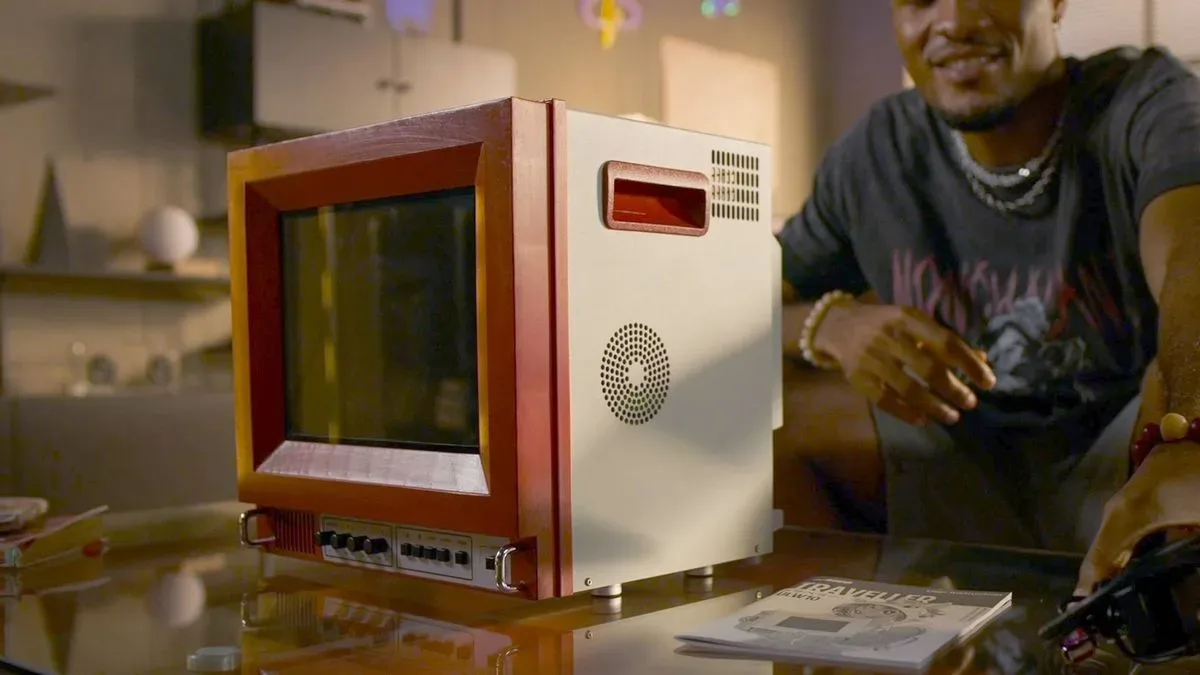
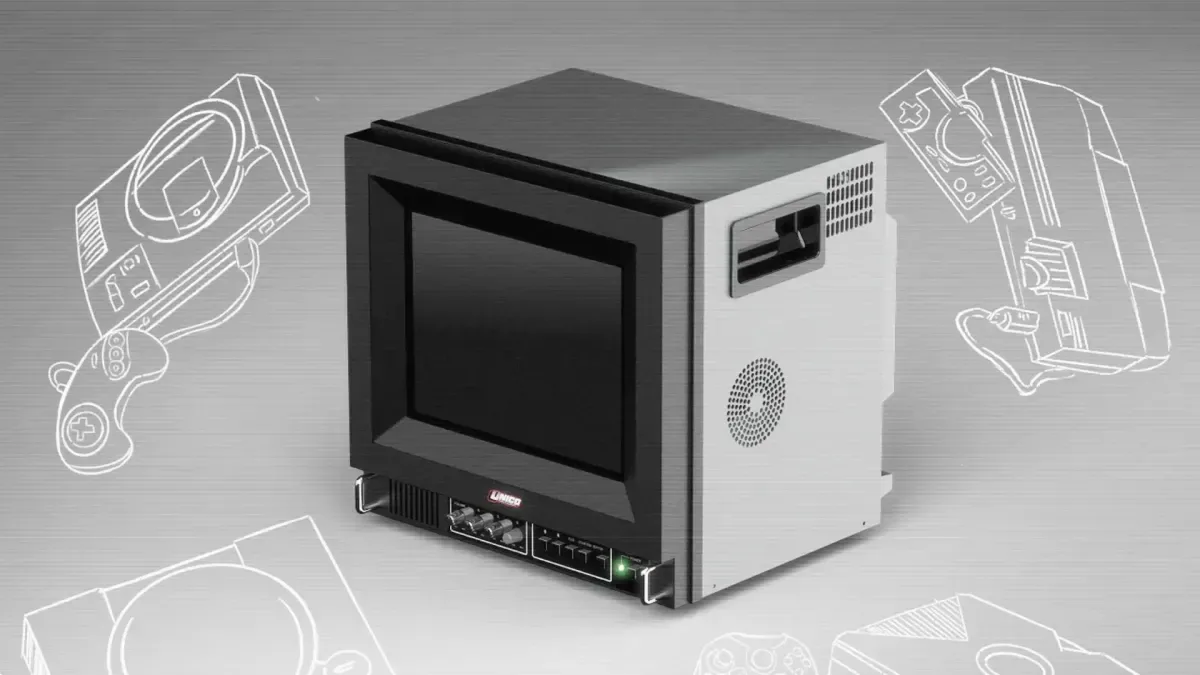
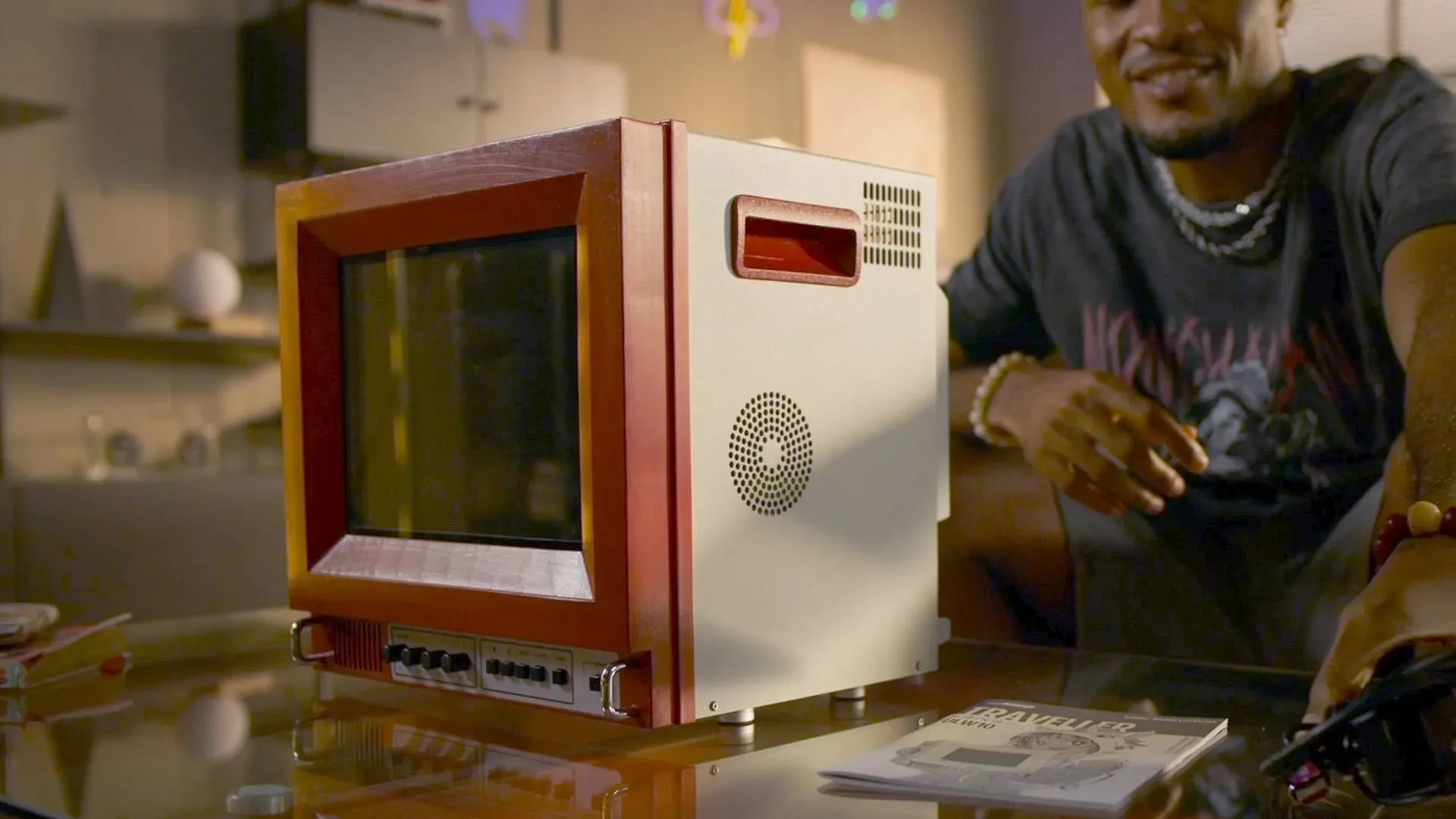
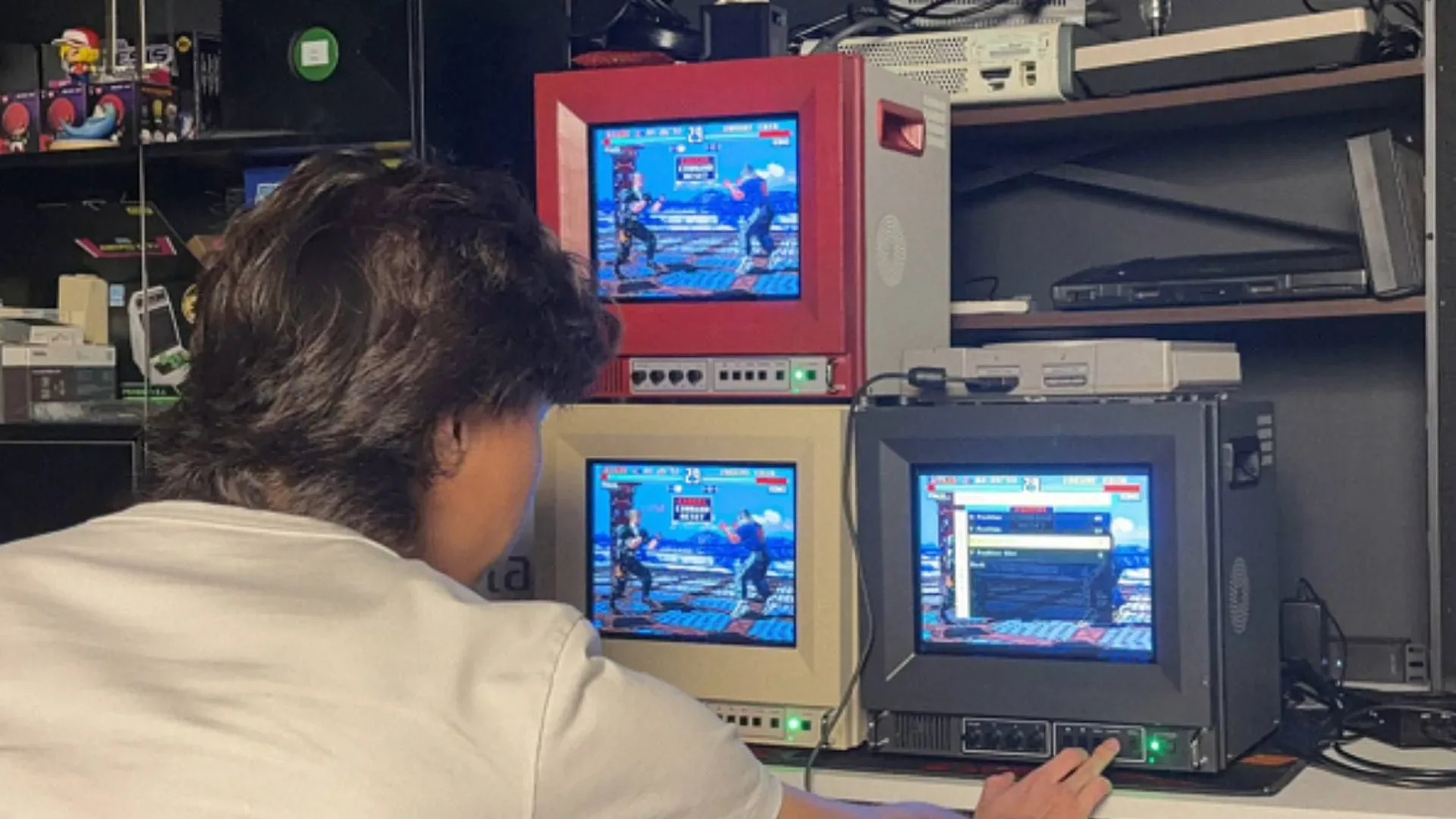
The Traveller ULW10 is positioned as a compact LCD display with the look of a CRT-style professional video monitor, rather than as an actual tube television. It has already reached at least one creator ahead of its Kickstarter campaign, and an early video assessment and teardown have put the prototype’s central weaknesses under a harsh spotlight. The reported result is troubling for a product aimed squarely at latency-conscious retro-console enthusiasts: more than 100 milliseconds of display lag was measured.
That number is not an obscure technical footnote. It is the sort of result that can turn the split-second timing of a fighting game, shooter, rhythm game, or platformer into an accidental lesson in patience. The reported delay translates to roughly six to nine frames, depending on the frame rate in question. For a display whose appeal is closely tied to old hardware and arcade-style responsiveness, that is a very large hurdle.
The biggest problem is not cosmetic
A faux CRT does not need to defeat a genuine CRT at every task to have a reason to exist. Real tube sets are heavy, increasingly difficult to source, often need repairs, and can be awkward to fit into a modern setup. A small LCD with a well-designed enclosure, convincing scanline options, flexible mounting, and suitable connections could still be appealing. The trouble is that the panel and processing behavior are not secondary details. They are the entire experience once a controller is in someone’s hands.
The early measurements reportedly found delay above 100ms on both HDMI and RGB inputs. That result applied across 1080p, 720p, 480p, and 480i testing. It means the concern is not confined to one legacy format or a single connection path. A display that adds that much time between console output and visible action is difficult to frame as a credible CRT alternative in its current state.
It is also important to separate the product’s visual ambition from what classic systems require electrically. Old consoles do not all behave like miniature modern PCs with a single tidy HDMI output. Their signals can be low-resolution, interlaced, progressive, inconsistent by contemporary standards, or reliant on analog connectors that newer displays have long abandoned. A serious all-purpose retro panel must account for that reality before its campaign page goes live—not discover it after early backers and specialist testers start asking questions.
240p and composite omissions are serious gaps
The current Traveller ULW10 prototype reportedly lacks 240p support. That matters because 240p is a foundational output format for a broad range of retro games and systems. It is closely associated with the sharp, stable pixel presentation people expect from 8-bit, 16-bit, and arcade-era software. Treating a 240p signal as 480i can introduce visible instability, including the characteristic jitter caused by an interlaced interpretation of a progressive signal.
In other words, the display can be shaped like the television of your childhood while mishandling one of the signal formats most closely connected to the games of that era. That is less a minor compatibility blemish than a mismatch between the product’s concept and its present implementation.
Related coverage includes Unico Traveller ULW10 Prototype Faces Major Lag and Connectivity Concerns.
Composite input is another conspicuous absence. Composite is not the highest-quality analog connection, and enthusiasts frequently pursue RGB, component, S-Video, HDMI modifications, scalers, or other upgrades. Yet composite remains enormously relevant in practical retro gaming. It is commonly associated with original hardware setups, including the NES, and is part of the everyday reality of connecting many older consoles without modifications or extra equipment. Leaving it out may not make a display useless for every user, but it sharply narrows the plug-and-play appeal implied by a CRT-inspired design.
Retro displays should not be judged only by their best-case setup. They need to be judged by whether they reduce friction for players who own original equipment. If a prospective buyer needs an external converter, scaler, or a different output modification to overcome basic compatibility limitations, the display’s streamlined retro proposition starts to evaporate.
A prototype can change, but funding does not pause
Unico has said the issues could be addressed through firmware or by changing to a completely different panel. That leaves room for improvement, but it also establishes a substantial degree of uncertainty. Firmware can sometimes correct processing behavior, add signal support, or improve latency. Replacing the panel, however, suggests a deeper hardware-level change may be necessary. Until a revised unit is shown and independently measured, neither path should be treated as a completed fix.
The campaign’s financial context has made that uncertainty especially uncomfortable. Roughly $250,000 has been raised, while the examined unit is described as unfinished and insufficiently tested for its intended job. Backing a crowdfunding project always involves some risk, and prototypes are not retail hardware. But there is an important difference between a product needing polish and a product struggling with the core requirement of its category: displaying retro games with low lag and appropriate signal handling.
For a CRT-styled retro display, responsiveness and broad input support are not luxury features. They are the floor.
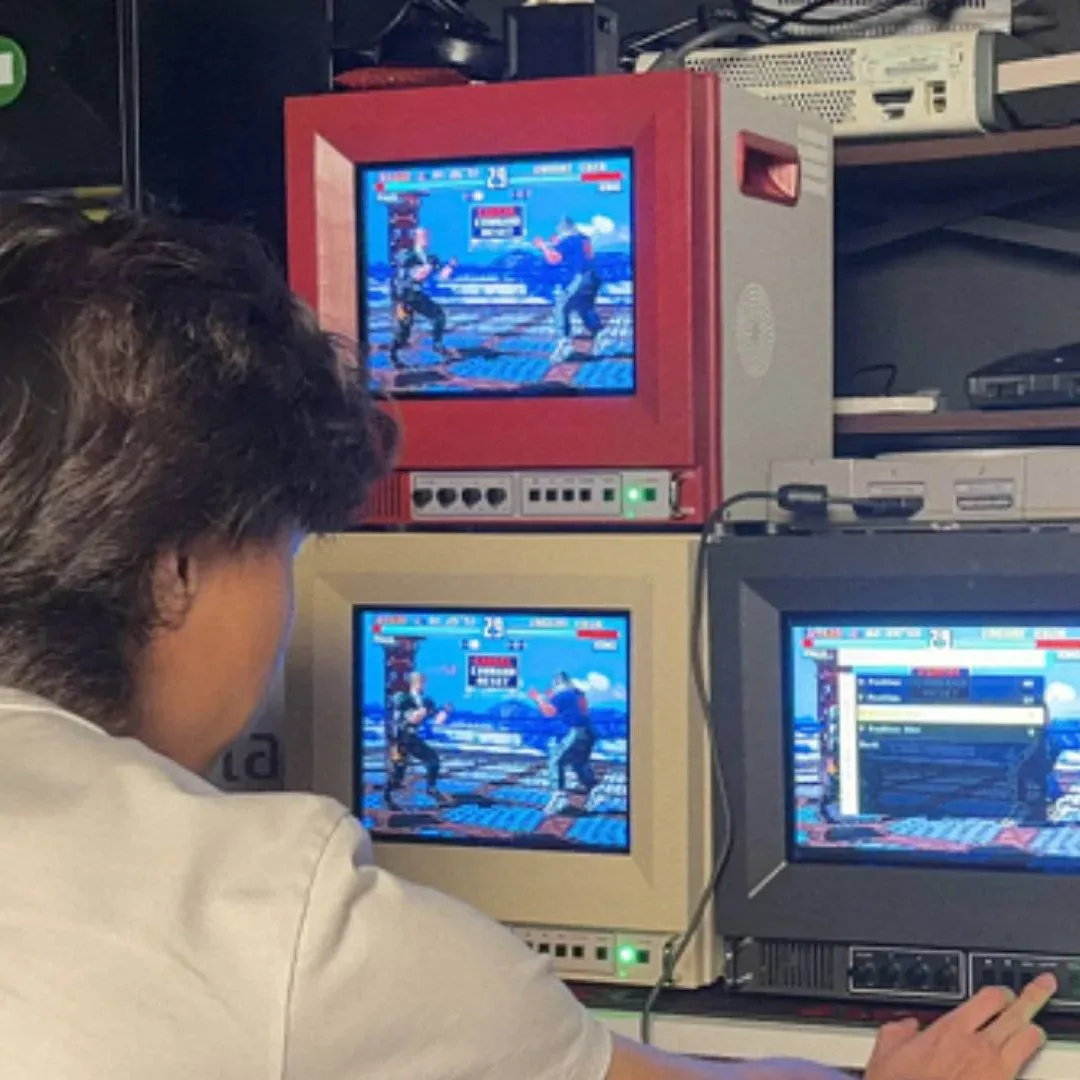
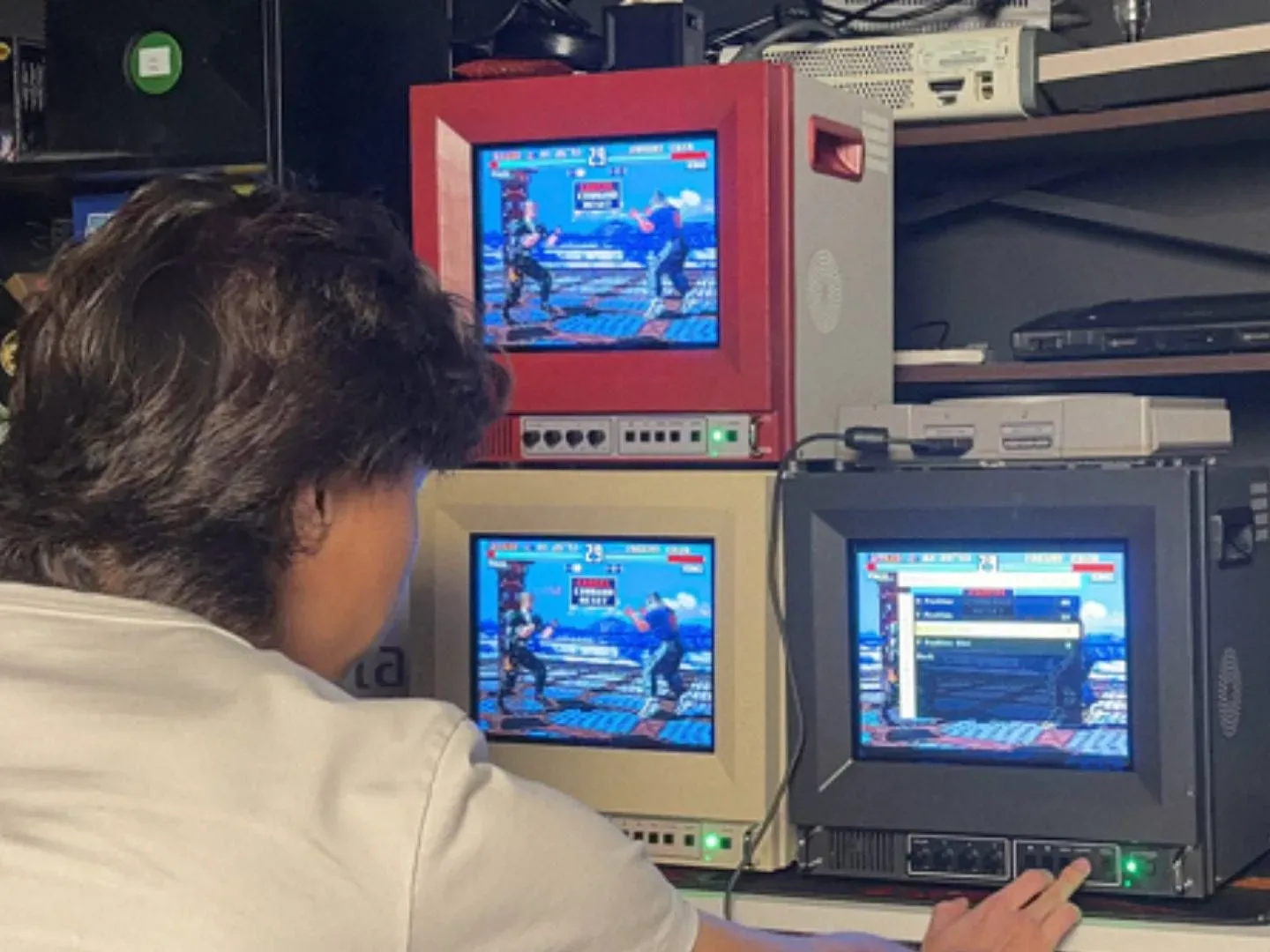
There are, however, some positive elements in the early look. The prototype’s enclosure was 3D printed, but it appeared physically sturdy and thoughtfully constructed. The teardown also did not point to a bargain-basement security-camera display simply tucked inside a vintage-shaped case. That does not repair the performance problems, but it suggests the project is not necessarily hollow at the conceptual or industrial-design level.
The Traveller ULW10 also has features that remain potentially attractive if the underlying issues are resolved. Scanline emulation could help an LCD better evoke the visual texture associated with older displays. Flat sides may make it convenient to rotate into a vertical, or TATE, orientation for vertically oriented arcade shooters. Internal storage intended for hardware such as MiSTer could support a tidy all-in-one setup. Those ideas speak directly to how enthusiasts actually arrange a modern retro corner.
Marketing questions add pressure to the technical ones
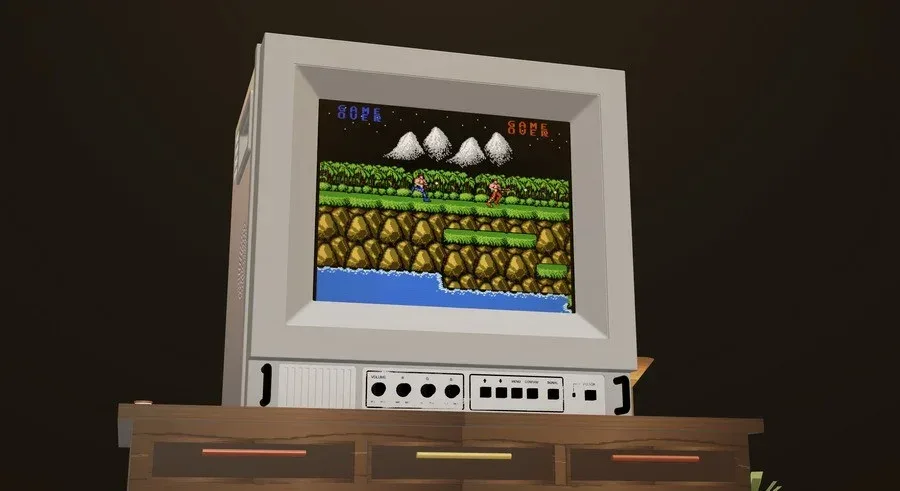
The project had already faced criticism for using AI-generated imagery in marketing rather than photographs of the actual product. Unico has said it would remove those images and avoid using the technology in future marketing. That response addresses one concern, but the prototype’s technical state makes accurate representation even more important now.
For specialized hardware, clear imagery is not merely decorative. Buyers need to know what stage a product has reached, what it physically looks like, what ports it has, and which claimed functions are demonstrably working. A campaign for a niche display benefits from showing real hardware, real menus, real signal behavior, and plainly stated limitations. The more exacting the audience, the less useful vague assurance becomes.
It is reasonable to believe the company may have underestimated the expertise and expectations attached to CRT replacement projects rather than deliberately setting out to mislead people. Intent, though, does not alter the practical consequences of high latency, missing connections, or unsupported signals. The relevant next step is not better rhetoric; it is a revised unit that can be measured with the same rigor as the first one.
What a credible revision needs to demonstrate
A future Traveller ULW10 revision will need to make its case in measurable terms. Low latency must be demonstrated across the advertised inputs and resolutions, rather than inferred from a promise of firmware work. Proper 240p treatment needs to be shown, especially if the monitor is marketed toward classic consoles. Connectivity should be clarified in full, including whether composite is added or deliberately omitted. And any replacement panel should be presented as a specific, verified hardware revision, not merely a possible remedy.
That standard is not unreasonable for a $300 product. At that price, buyers are entitled to expect a display that does not compromise the defining strengths of the machines it is meant to celebrate. Retro hardware enthusiasts have plenty of choices to weigh: original CRTs, upscalers paired with modern gaming monitors, modified consoles, and portable options. Even the continuing affection for devices from earlier tech eras, as seen in the first iPod touch’s enduring place in retro-tech history, shows that nostalgia works best when practical use and iconic design meet rather than collide.
For now, the Traveller ULW10 looks like a promising shell around an unready display solution. Its form factor, scanline idea, vertical orientation option, and MiSTer-friendly ambitions are worth watching. But the current prototype’s reported latency, 240p limitation, composite omission, and uncertain route to correction are not details retro players should wave away. A convincing CRT-inspired monitor has to do more than look ready for game night. It has to keep up once the game starts.