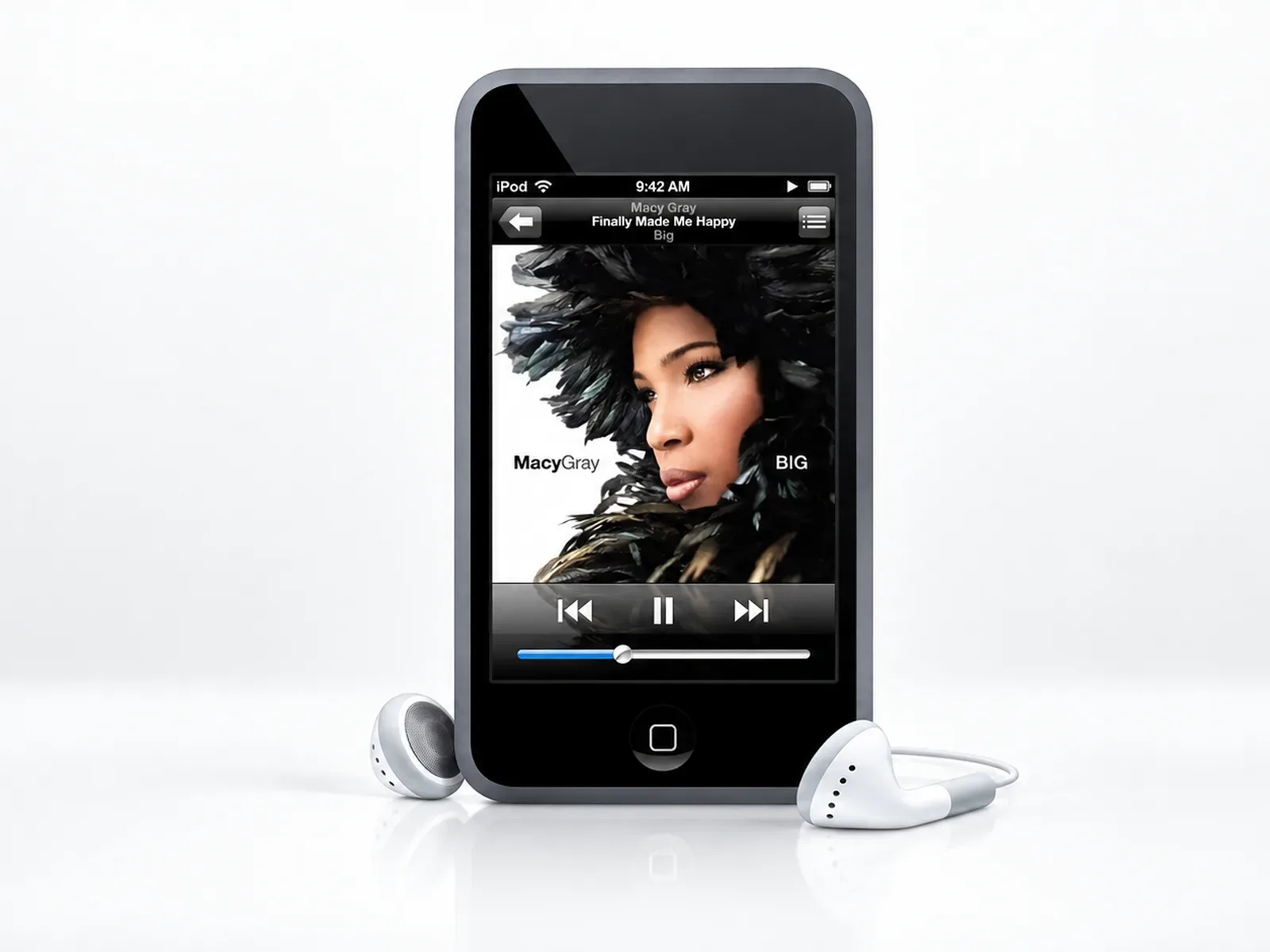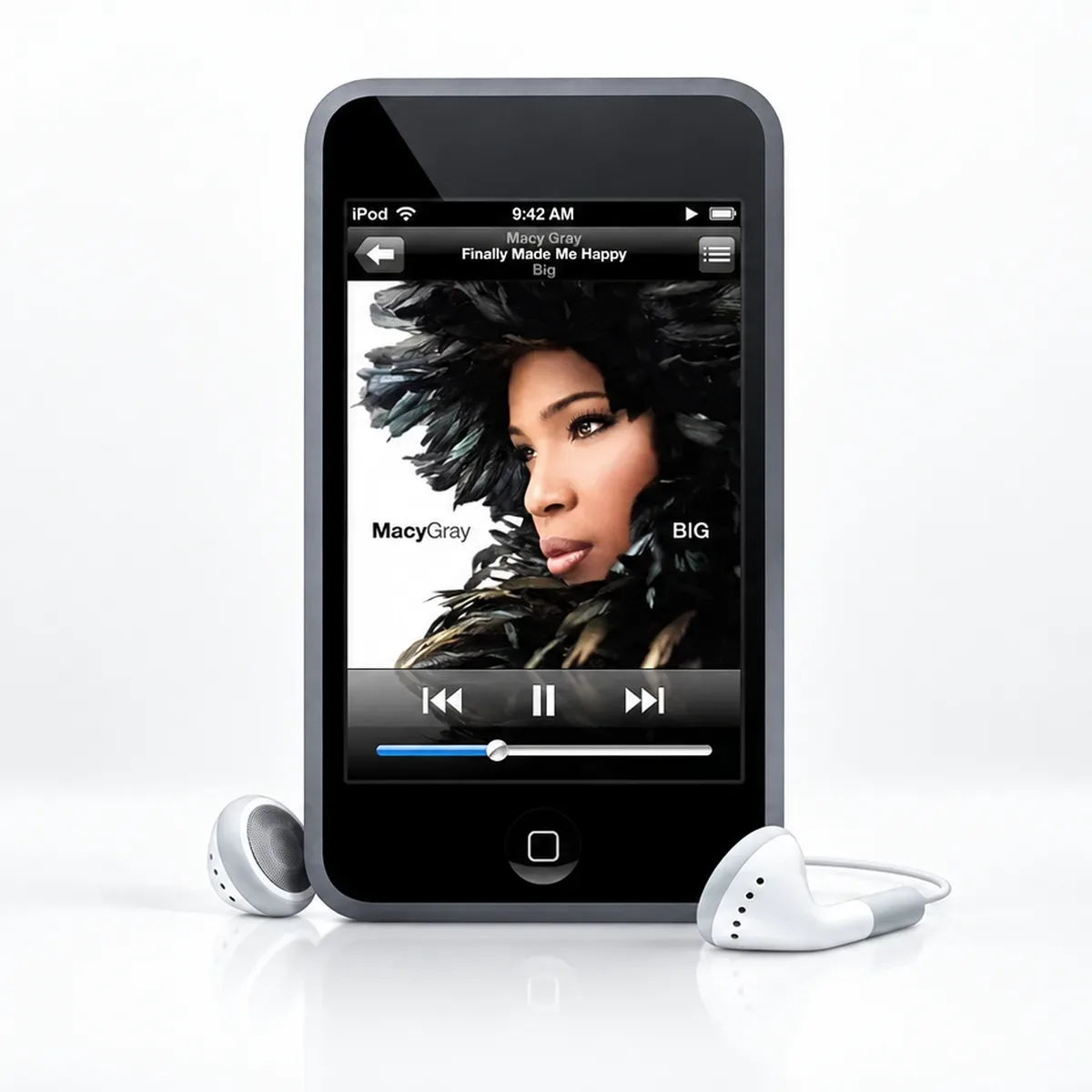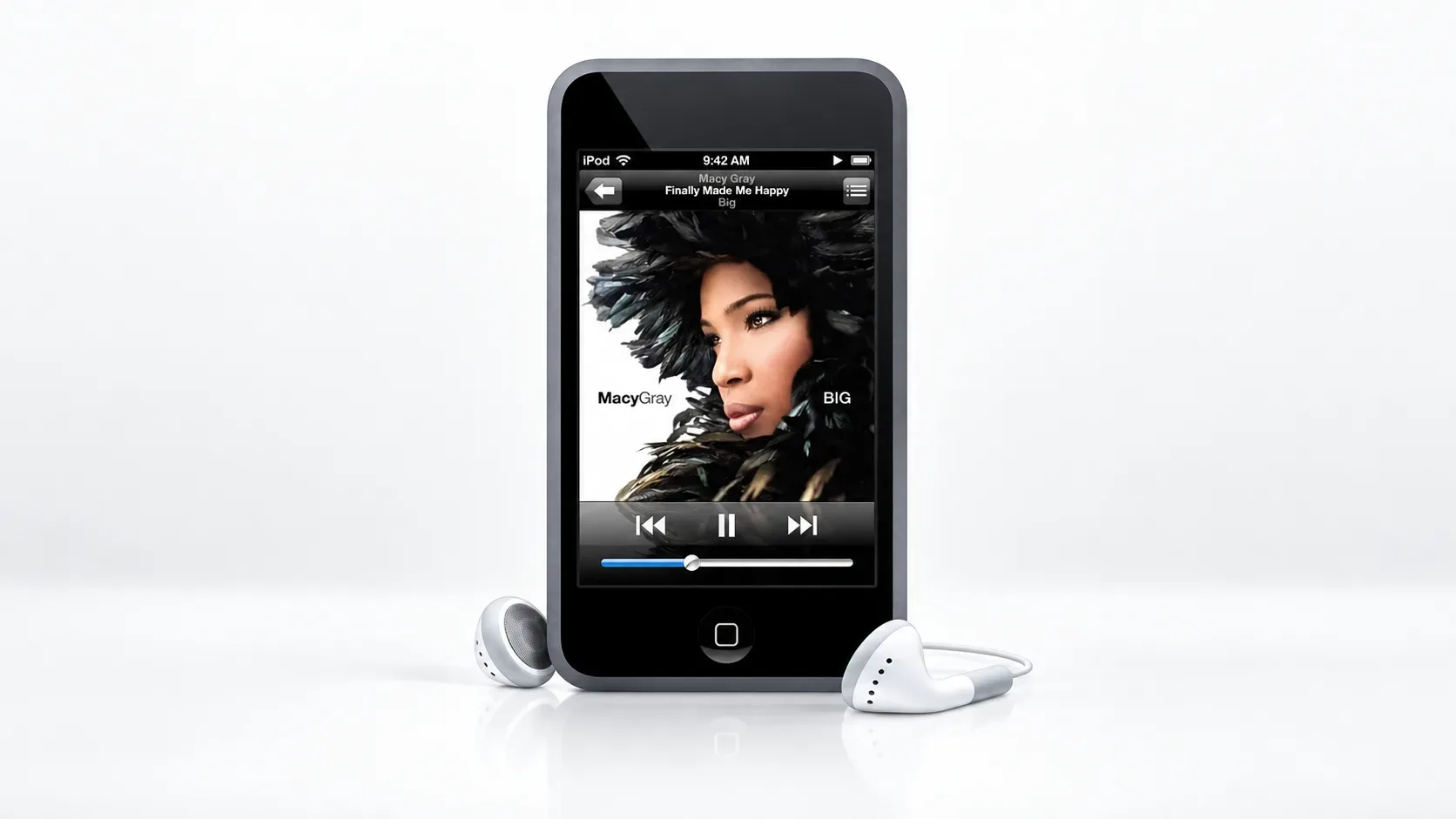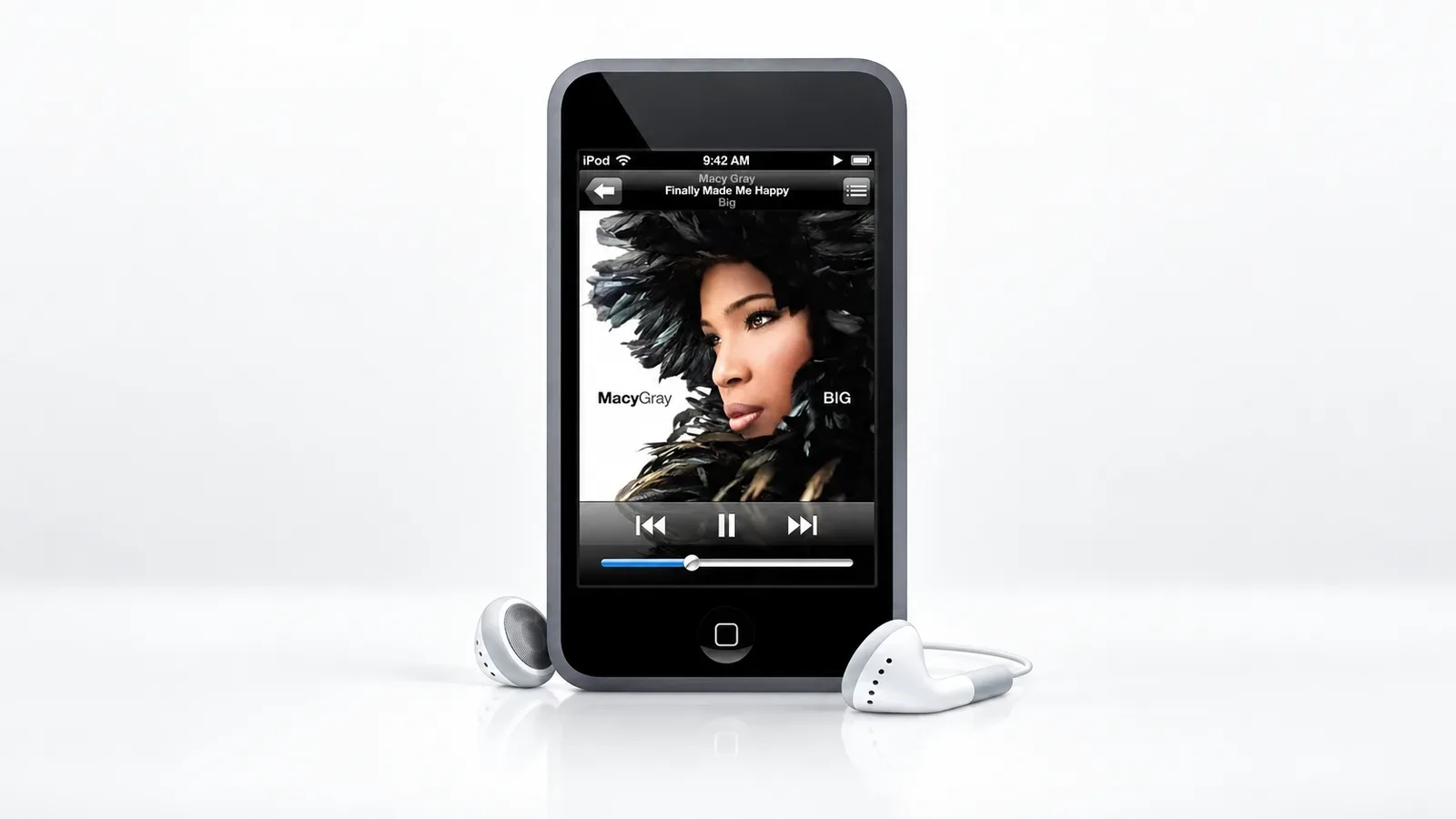
September 14 marks 19 years since the first iPod touch reached general sale in 2007. It was a compact device built around a remarkably clear proposition: bring the iPhone-style multi-touch experience to the iPod family, while leaving out the cellular-phone role that defined its more expensive sibling.
That distinction was not a footnote. It was the entire point. The original iPod touch offered multi-touch controls, Wi-Fi and the Safari browser in an iPod, but it had neither cellular phone functionality nor a camera. For people who wanted a portable media device with web access rather than a handset, it occupied a very particular lane.
The product arrived nine days after Steve Jobs introduced it at Apple’s “The Beat Goes On” media event. General sales began on September 14, 2007, with two storage options: an 8GB model priced at $299 and a 16GB version at $399. The launch pitch emphasized pocketable web browsing and wireless music purchases through the iTunes Wi-Fi Music Store.
An iPod designed around touch
Its arrival represented a major change in what the iPod name could encompass. The iPod line was associated with carrying a music library, and the iPod touch maintained that identity, but its interface and networking features expanded the concept. Multi-touch changed the way a user navigated a portable Apple device, while Wi-Fi and Safari pointed beyond locally stored media.
In simple terms, the original iPod touch was neither presented as a conventional phone nor stripped down to a basic music player. It combined a music-focused portable form with several of the traits that made the iPhone interface notable: touch-driven navigation, internet access through Wi-Fi, and a full browser. The omissions mattered just as much as the additions. No cellular function meant it was not a replacement for a phone, and no camera meant it was not trying to cover every portable digital task.
That balance makes the first-generation model easy to place historically. It sits at a crossroads between dedicated music hardware and the broader mobile-device era that followed. It carried the iPod brand into a touch-first, connected design without abandoning the category’s essential identity as a personal media player.
The 2007 launch details worth remembering
The initial configuration was concise:
- General-sale date: September 14, 2007
- Reveal timing: Nine days earlier at “The Beat Goes On”
- Storage and launch pricing: 8GB for $299; 16GB for $399
- Key additions to the iPod line: Multi-touch, Wi-Fi and Safari
- Not included: Cellular phone capability and a camera
- Music-store angle: Wireless purchases through the iTunes Wi-Fi Music Store
Those specifications also capture why the device’s original pricing cannot be judged solely by storage. The 8GB and 16GB capacities were important, but the iPod touch was being positioned around its interface and connected features as well. It was a device intended to fit in a pocket while granting access to the web and wireless music shopping, not merely a larger-capacity continuation of earlier iPods.
Today, the absence of features such as a camera can make the first model seem narrowly defined. At launch, however, that narrowness described a deliberate product boundary. A buyer could get the multi-touch experience, Wi-Fi and Safari without buying a device capable of making cellular calls. The original iPod touch’s identity is inseparable from that compromise: it borrowed major interface ideas from the iPhone but remained an iPod.
Seven generations, then an ending
The iPod touch did not remain a one-off. Apple ultimately released seven generations of the device. That length of the line’s run speaks to how durable the basic idea proved to be: a portable Apple device centered on touch controls and media, distinct from a cellular iPhone.
Apple discontinued the iPod touch in 2022, bringing the seven-generation run to a close. The discontinuation also gave the original 2007 unit a more defined place in the history of consumer technology. It is not simply an early edition of a product still receiving annual revisions; it is the first chapter of a concluded hardware family.
For retro-tech and gaming-adjacent collectors, that matters. Discontinued product lines are often viewed differently from active ones because the full arc can be considered at once. In the iPod touch’s case, that arc begins with an 8GB or 16GB device that connected to Wi-Fi, ran Safari and used multi-touch, while stopping short of phone service and camera hardware. Later generations may have changed the family over time, but those launch-day boundaries remain central to identifying what made the original distinctive.
Why the original model remains a useful reference point
Anniversaries can flatten technology into a list of old specifications. The first iPod touch deserves a little more attention than that because its particular combination of features explains a transitional moment in portable electronics. It showed that the iPod label could accommodate browsing and wireless storefront access alongside music playback. At the same time, it made clear that not every touch-screen Apple portable had to be a phone.
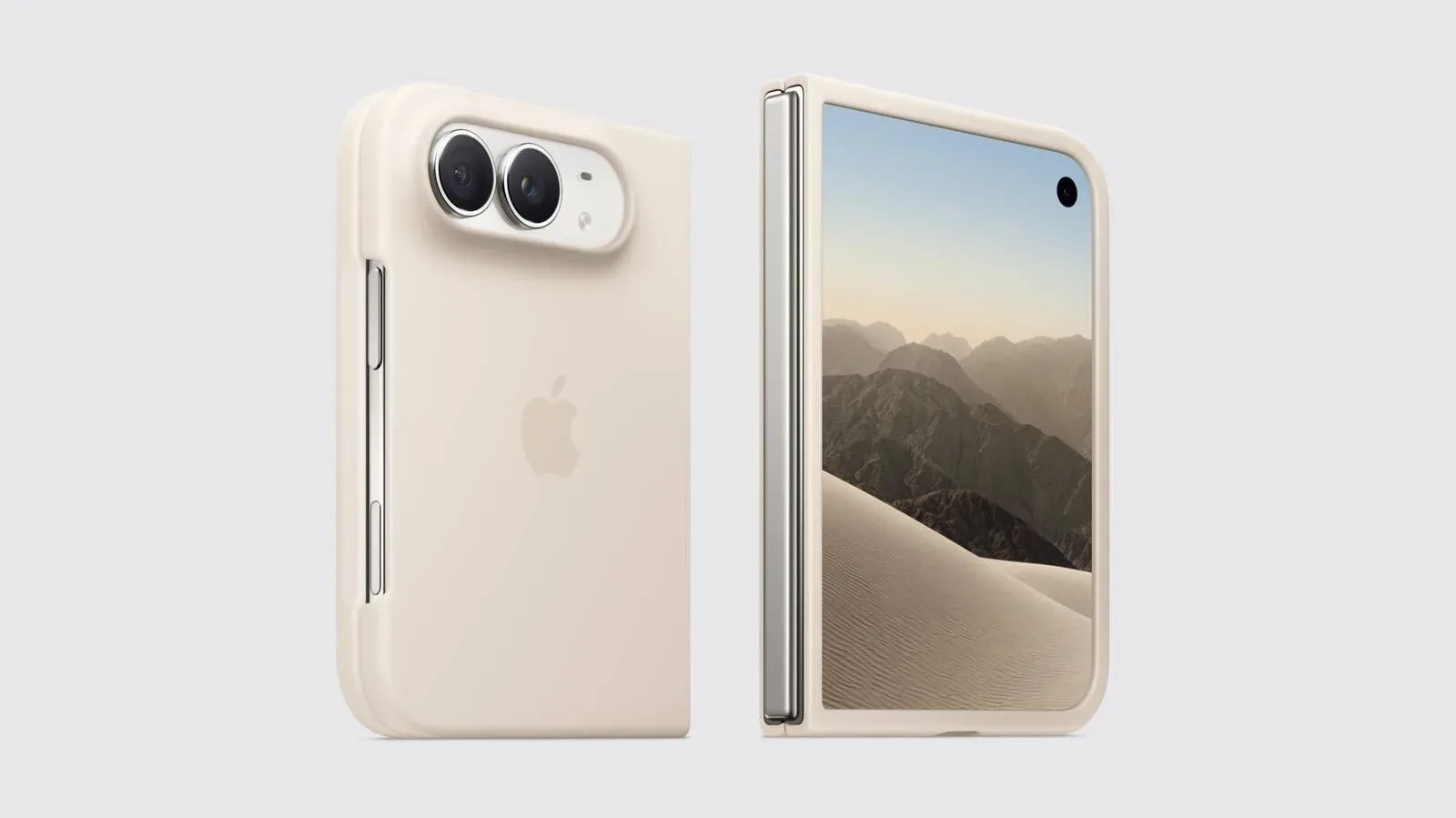
That distinction has become more interesting with time. The modern discussion around Apple mobile hardware often centers on phones and the ways their physical layouts, cases and gesture systems work together. For a current example of that kind of design conversation, see this look at an iPhone Duo setting intended to accommodate cases while preserving a back-swipe gesture. The first iPod touch belongs to an earlier stage of the same broad story: interface decisions and hardware limits can define a device just as forcefully as its headline features.
There is a useful lesson in the original iPod touch’s restraint. It did not need cellular service to make Wi-Fi feel important in a portable media device. It did not need a camera to make a touch screen and browser feel like a meaningful expansion of the iPod idea. The product was comprehensible because its role was specific: music, web access, touch navigation and wireless purchasing in a pocket-sized form.
What to note when discussing an original iPod touch
Anyone writing about, cataloging or simply reminiscing about the original model should avoid treating every iPod touch as interchangeable. The first release is anchored to a small set of defining facts: September 14, 2007 general availability; an introduction nine days before that date; 8GB and 16GB launch models; $299 and $399 respective pricing; multi-touch, Wi-Fi and Safari; and the absence of cellular calling and a camera.
Those are more useful than vague claims about the device being “like an iPhone.” It certainly carried elements of the iPhone’s interface into the iPod family, but it was purposefully not an iPhone. Calling it a phone without calls misses the product decision that gave it a separate reason to exist.
Nineteen years after it first went on sale, the original iPod touch stands as a concise snapshot of a changing category. It arrived as an iPod that could browse the web over Wi-Fi and buy music wirelessly, using multi-touch controls that were new to the line. Its seven-generation lifespan ended in 2022, but the first model still clearly communicates the ambition of the moment: make the iPod more connected, more tactile and more capable, without turning it into a cellular phone.