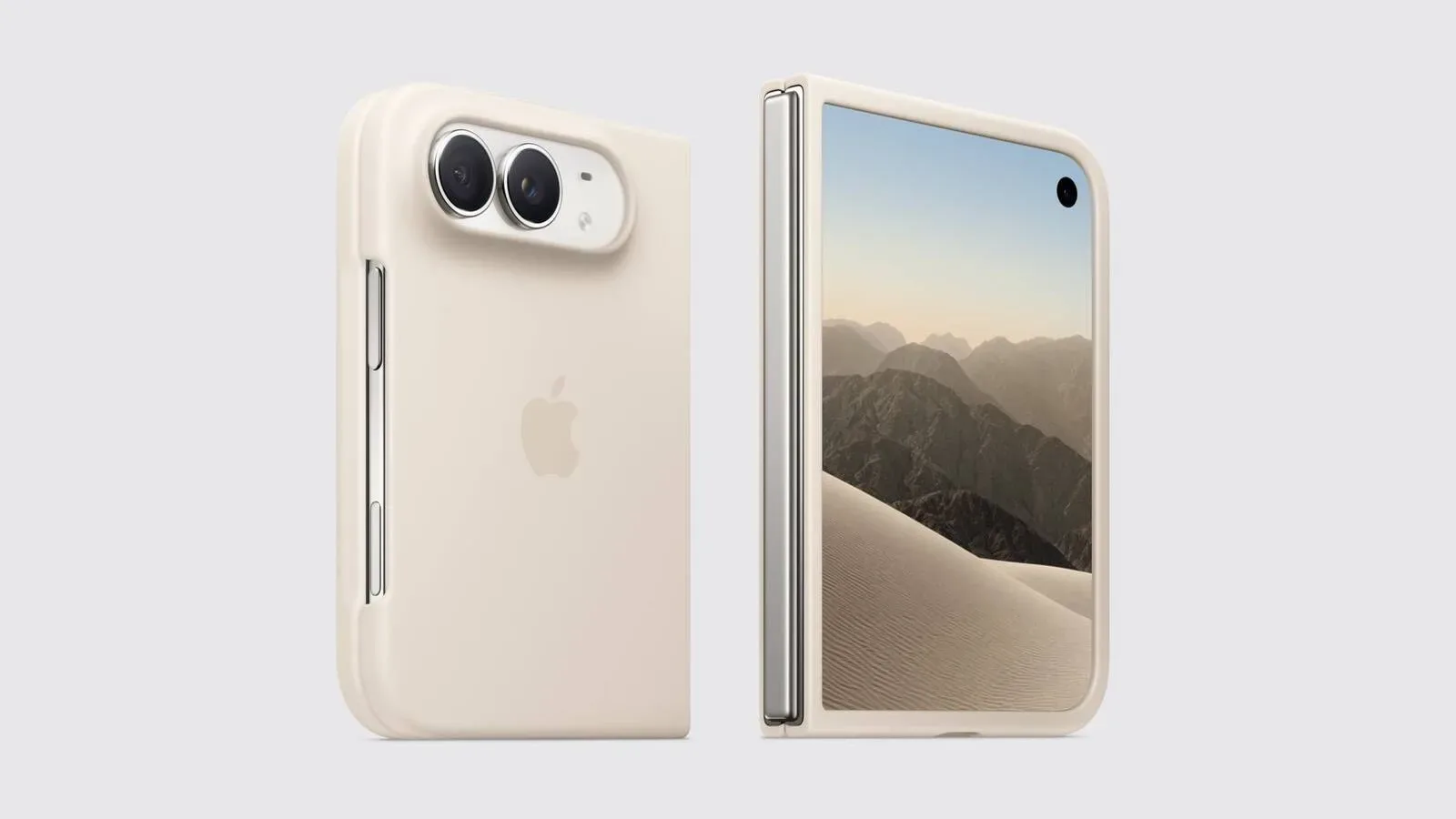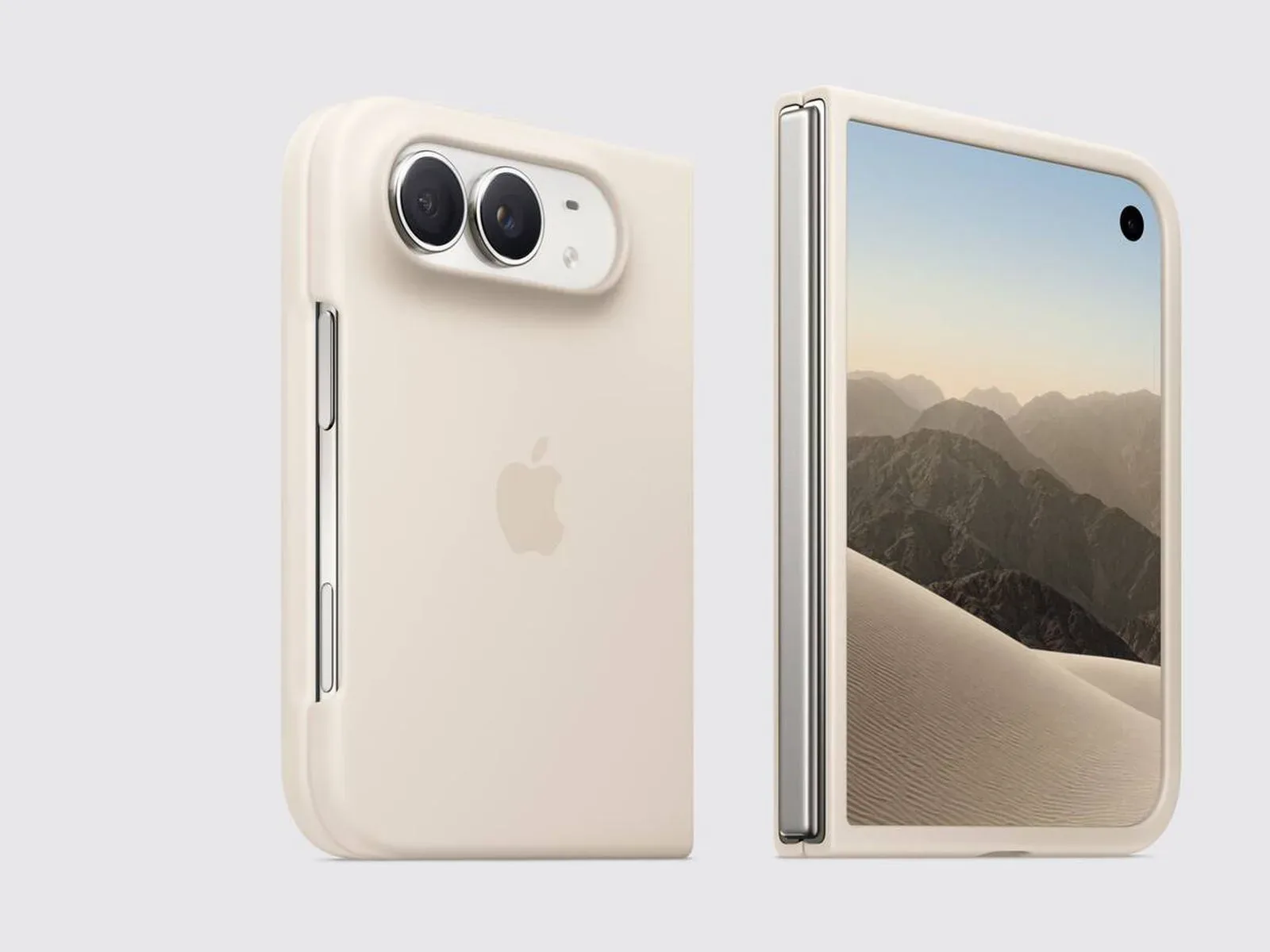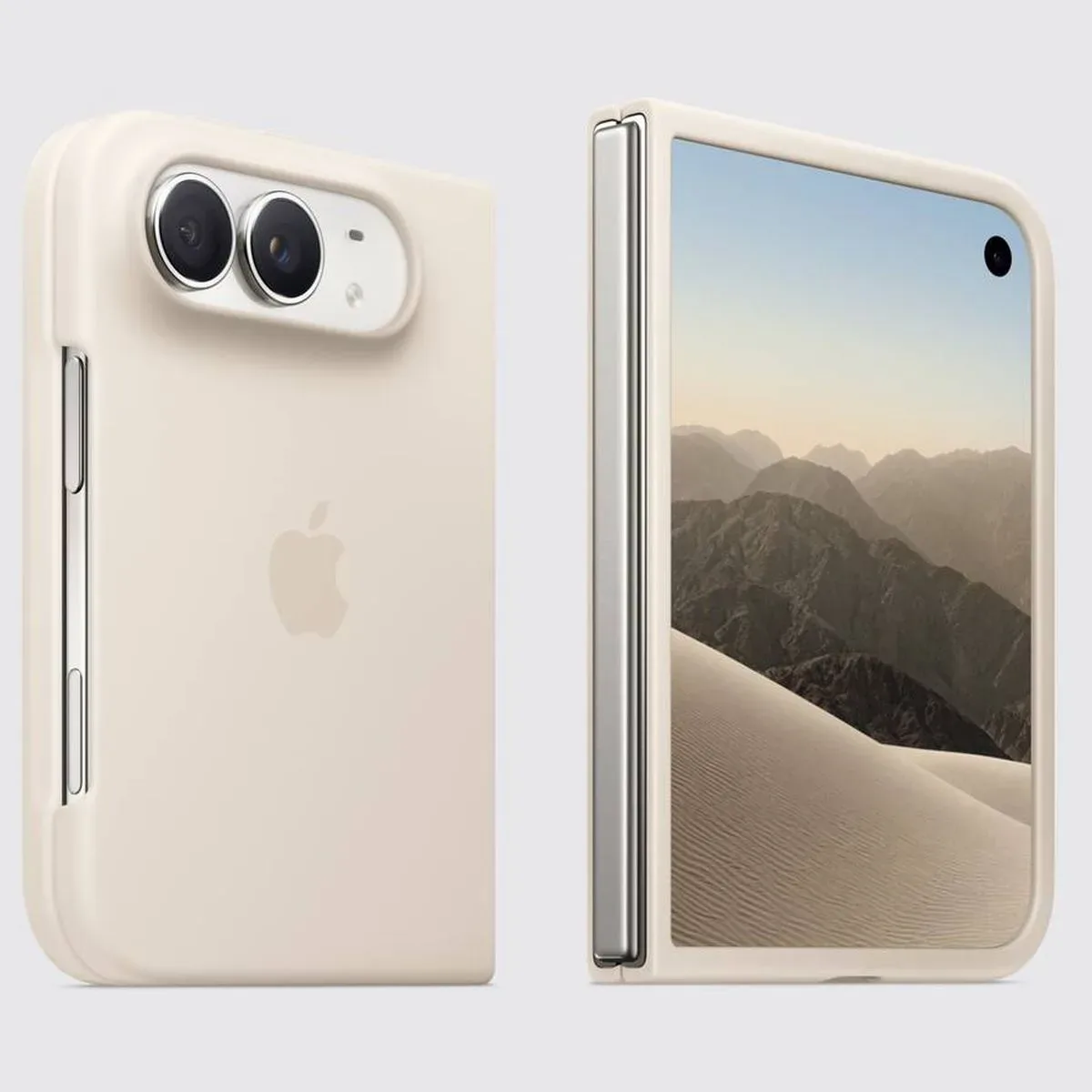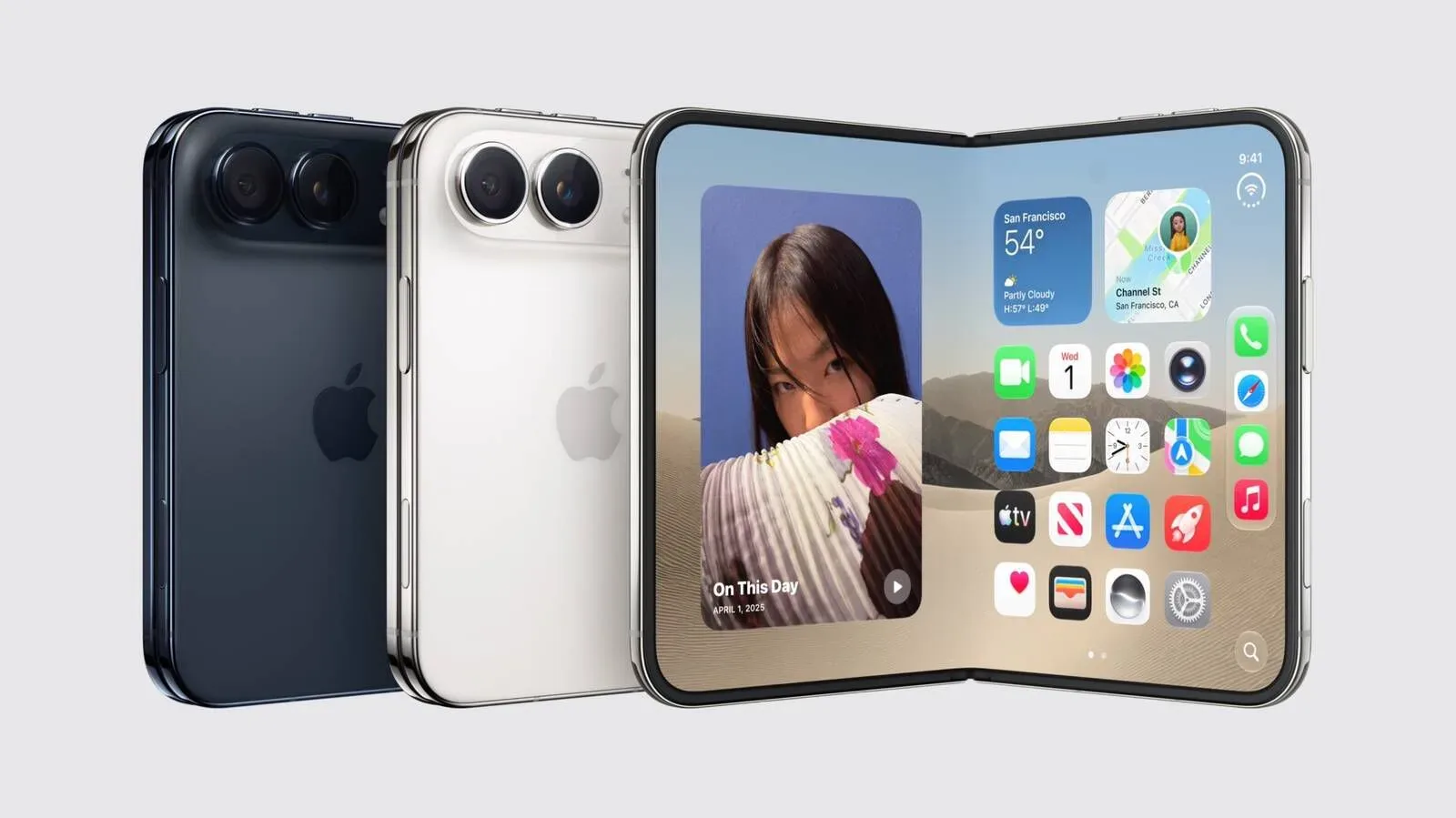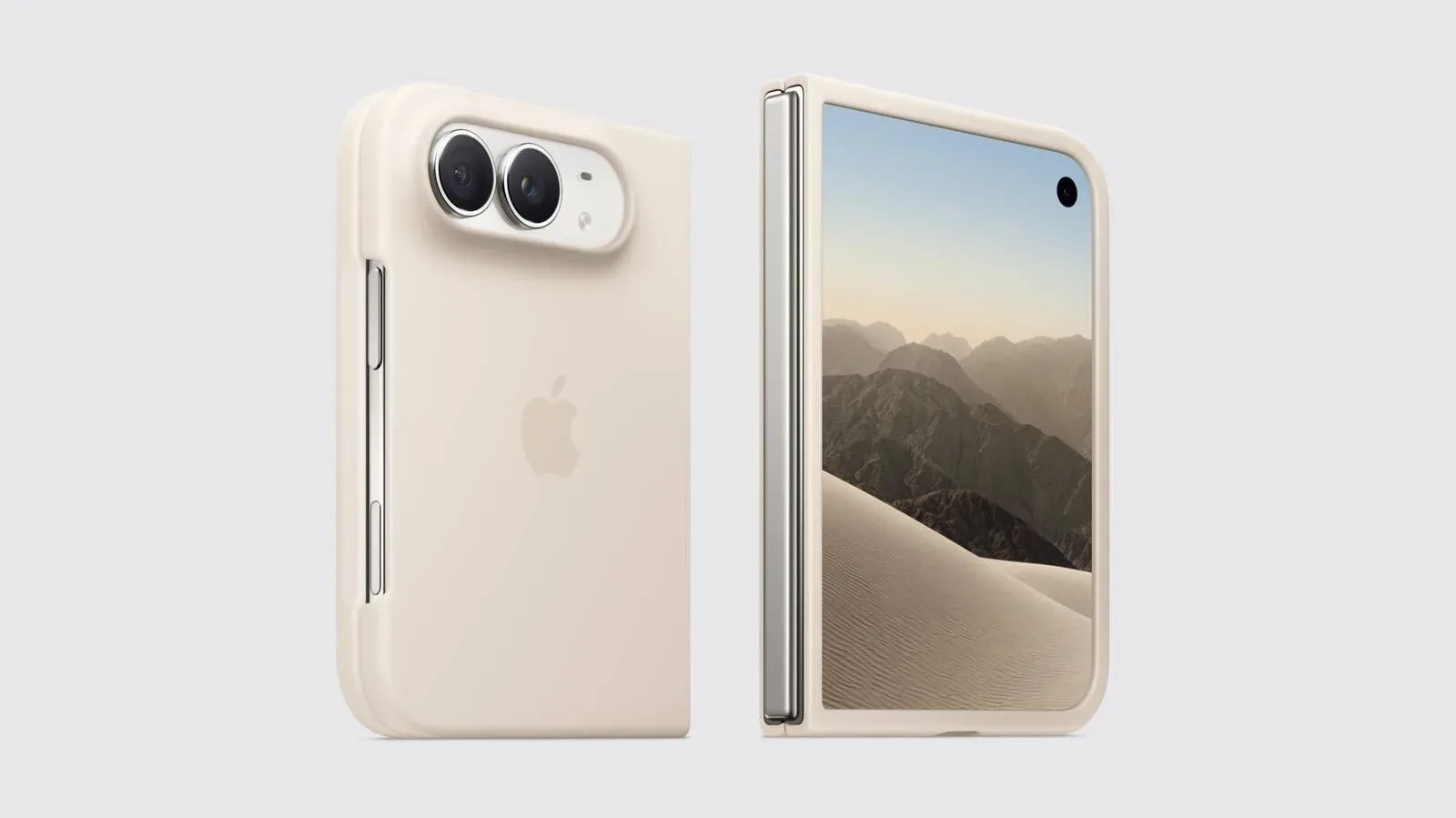
The iPhone Duo appears to have prepared for one of the oldest arguments in gadget ownership: the phone looks best naked, but the phone is much less terrifying in a case. A newly spotted display option, called Shift Left Edge, seems designed to keep that trade-off from interfering with a core iOS navigation gesture.
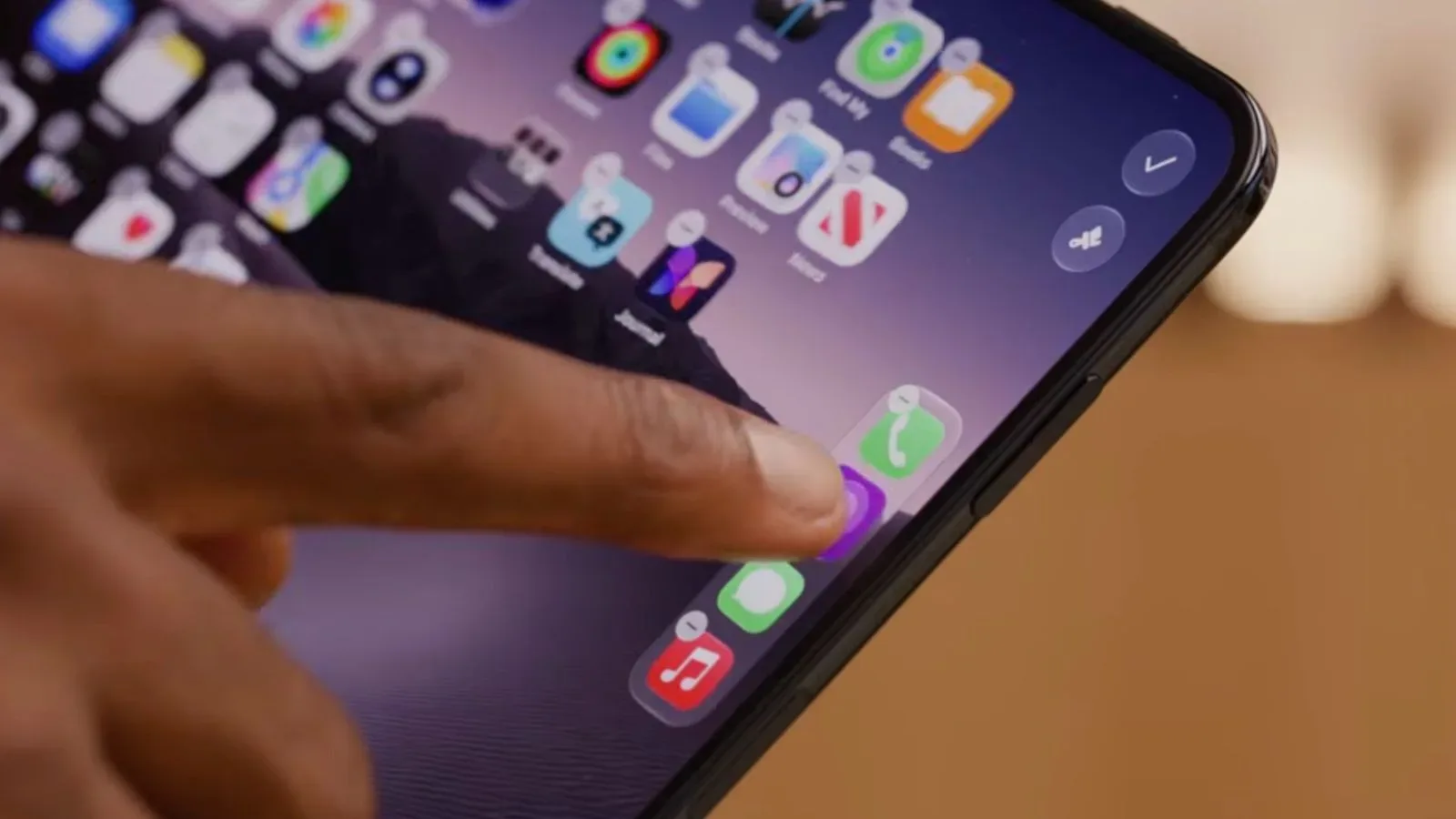
Found in the iPhone Duo’s Display & Brightness settings during early hands-on access following Apple’s event stream, the option adds a black border on the left side of the front display. With the setting enabled, that border is said to become roughly twice as wide. It is a very small visual adjustment with a very practical aim: giving cases that overlap the display’s left edge some breathing room, while retaining reliable use of iOS’s back swipe gesture.
For anyone who has ever put a substantial protective shell on a phone and then repeatedly swiped at the edge like they were trying to start a lawnmower, the logic is immediately understandable. The iPhone Duo is a foldable device, where the relationship between display edges, chassis tolerances, hinges, case lips and gestures is likely to be especially important. A setting that effectively moves the usable left boundary inward acknowledges that accessories can alter how a screen feels in the hand.
A tiny black strip with a large accessibility job
On iOS, a swipe inward from the left edge is commonly used as a back command in apps. It is a natural gesture when it works and a tiny daily annoyance when it does not. An edge raised even slightly by a case can get in the way of a finger beginning that motion. The issue is not that users suddenly forget how to swipe; it is that the physical starting point becomes harder to reach.
Shift Left Edge appears to solve the problem by turning a sliver of what looks like screen border into a buffer zone. Instead of requiring a case to expose every possible pixel at the leftmost edge, the interface can accept that some cases will cover a narrow portion. The visual cost is a thicker black band. The potential benefit is that the software gesture remains where the user expects it to be.
It is an unusually candid piece of interface design. Devices are often marketed in immaculate form, untouched by cases, cables, stands, wallets, magnetic mounts or the assorted rugged armor people actually use. Yet accessory fit changes the practical geometry of a phone. On a device with an edge-based operating system gesture, that geometry matters. The iPhone Duo’s setting suggests Apple has accounted for that reality rather than treating the case as somebody else’s problem.
Why the feature may matter more on a foldable
Foldables bring a more complex physical setup than a conventional slab phone. The iPhone Duo’s front display has to coexist with the device’s folding construction, and case designers have to work around the form factor rather than simply snap a one-piece shell around a flat rectangle. Protective cases may use separate sections, reinforced borders, hinge coverage or sturdier edge material. Those choices can be useful for durability, but they can also encroach on the usable perimeter of a screen.
That does not mean every iPhone Duo case will interfere with the left edge. In fact, it remains unclear whether either official Apple case does. Apple is offering an iPhone Duo Case and a Folio with Kickstand, but there is no confirmation that either one covers enough of the left side to require Shift Left Edge. It would be surprising if the company’s own accessories routinely obstructed a major gesture, though that is still an assumption rather than a confirmed answer.
The more plausible explanation is broader compatibility. Bulky third-party protective cases are a familiar part of every major phone launch, and their raised edges can prioritize impact protection over an absolutely unobstructed display border. Shift Left Edge could be Apple’s way to make that class of accessory less frustrating without making a visible software compromise mandatory for everyone.
The key word is could. The setting’s function has been observed, but the full reasoning behind it and its behavior with particular cases have not yet been independently established. More details should emerge once full iPhone Duo reviews arrive and case makers begin showing how their accessories fit the device.
Optional is the important part
Making this an option in Display & Brightness, rather than a permanent aspect of the front screen, is the sensible part of the design. People using no case, or using a slim case with a carefully cut-out edge, presumably have no reason to sacrifice any apparent display area. People using a case whose left lip sits aggressively near the panel can choose functional consistency instead.
That choice also avoids a less elegant solution: changing iOS gesture behavior for every owner, regardless of the accessory in use. Shift Left Edge seems targeted. The user decides whether their particular hardware setup needs it, and the screen adapts accordingly.
There is a broader lesson here for gaming-minded readers, too. Hardware ergonomics are never only about the component list. A controller can have excellent sticks but awkward triggers; a handheld can have a dazzling screen but uncomfortable shoulder buttons; a phone can have a crisp edge-to-edge display until a protective case changes the part of the device where thumbs naturally land. Small settings often determine whether a device feels polished in ordinary, repeated use.
In that sense, the black strip is less a blemish than a compatibility toggle. It is an admission that the phone is going to live in the real world: tucked into bags, handed to children, placed on desks, and wrapped in cases that range from nearly invisible to ready for a meteorological event.
Early software details are beginning to sketch out the Duo
Shift Left Edge is not the only early iPhone Duo interface detail to draw attention. Another observed behavior suggests that the device’s vertical dock may be limited to four apps even when additional unused space is visible. That is a separate design question, but together the two details point toward Apple making deliberate, sometimes constrained choices about how the foldable’s displays are organized. For more on that layout observation, see our report on the iPhone Duo vertical dock appearing limited to four apps.
Neither item settles the larger question of how the Duo will feel over a long period of daily use. A four-app dock can be an intentional visual rule or a temporary limitation. A left-edge buffer can be an excellent accessory accommodation or something most owners never touch. Early software discoveries are useful precisely because they show the small decisions beneath the headline hardware—but they are not substitutes for sustained testing.
Dates to watch
Pre-orders for the iPhone Duo are scheduled to begin on October 16, with availability set to start on October 23. Before then, closer examination should clarify how the iPhone Duo Case and Folio with Kickstand meet the front display, whether Shift Left Edge changes any other display or gesture behavior, and which third-party designs benefit most from the setting.
Until that evidence arrives, Shift Left Edge is best viewed as an intriguing quality-of-life feature rather than a verdict on any specific case. Still, it is a clever bit of defensive design. The iPhone Duo may be built around a screen that folds, but at least one setting seems devoted to preventing the far more common foldable hazard: a case turning the back gesture into a game of thumb roulette.