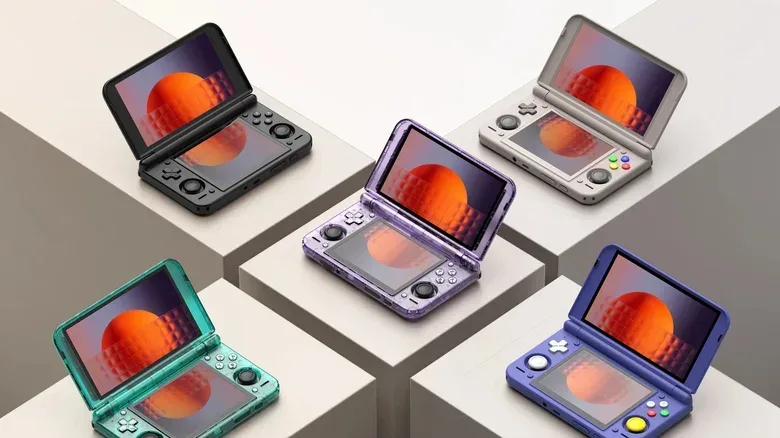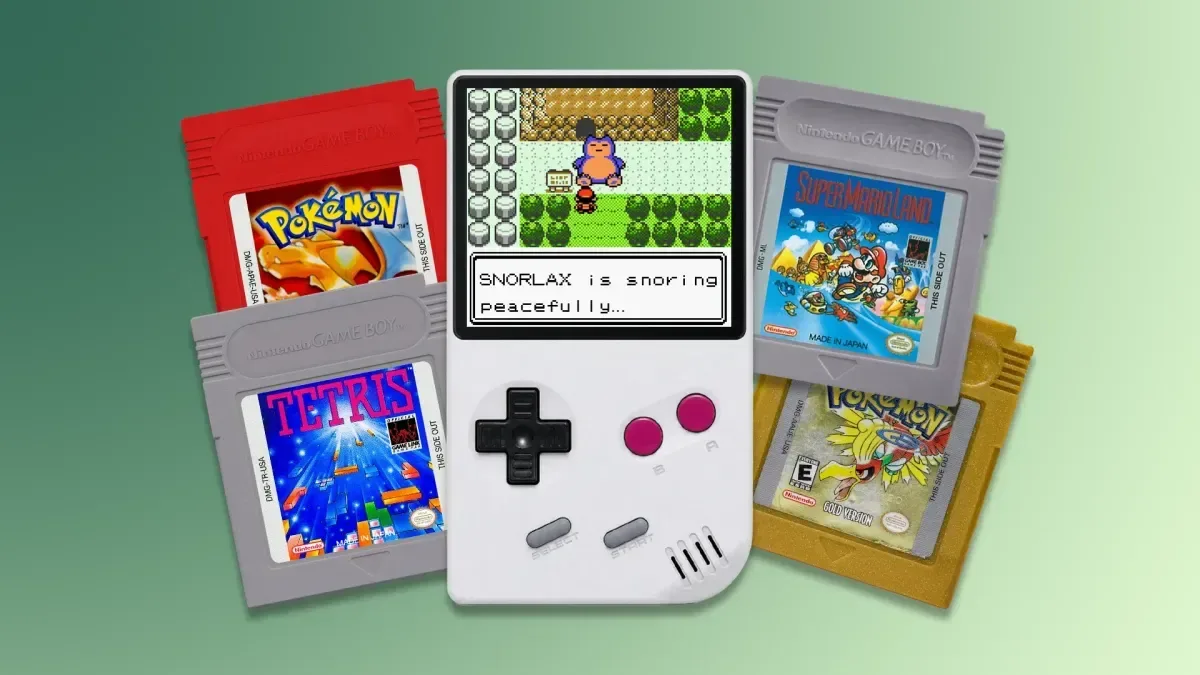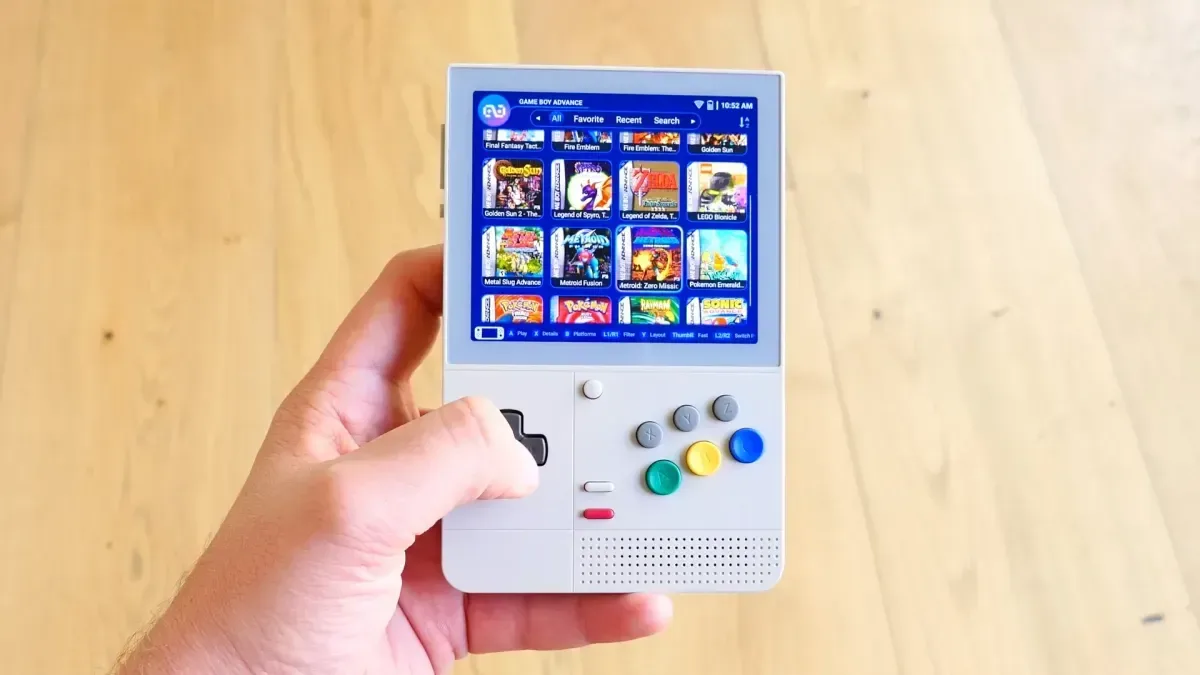
Retroid Pocket has added a third option to its Duo handheld range shortly after opening orders for the original Duo and the Duo Lite. The new Duo Lite Plus is positioned directly between those models: it retains the Duo Lite’s slimmer dimensions while adopting the Qualcomm Dragonwing Q-7790 processor used in the higher-priced Duo.
The timing has made the addition a little more complicated than a routine variant launch. Some customers had already ordered a Duo Lite before the Plus model existed as a public choice. Retroid Pocket has responded by pausing Duo Lite shipments for several days and giving those buyers the option to keep their order or change it to the new device. The company says shipping and exchange costs will be covered for customers making that switch.
What the Duo Lite Plus changes in the lineup
The practical idea behind the Duo Lite Plus is straightforward. Buyers choosing among the three Duo models now have a distinct middle option rather than having to choose solely between the slimmer, lower-powered Duo Lite and the more powerful Duo.
- Duo Lite: the slimmer option in the original two-device launch.
- Duo Lite Plus: the Duo Lite’s slim form factor combined with the Duo’s Qualcomm Dragonwing Q-7790 chip.
- Duo: the larger, higher-priced model that already uses the Qualcomm Dragonwing Q-7790.
That makes the Plus important not because it introduces an entirely new platform, but because it changes the trade-off buyers were initially asked to make. For someone who prefers the Duo Lite’s dimensions but regarded its performance as a compromise, the Plus is intended to be the more suitable configuration.
Retroid Pocket attributes the later addition to customer feedback. That context matters: the Plus is not described as replacing the Duo Lite. It is an additional choice, and the company is explicitly allowing early Duo Lite customers time to assess whether their original selection still matches what they want.
Price, preorder discount and shipment window
The Duo Lite Plus is listed at $219 for preorder. An early-bird code reduces that price by $20, bringing it to $199. Shipments are expected to begin in mid-November.
Prospective buyers should distinguish between the listed preorder price and the discounted price. The lower figure depends on the early-bird code, while the supplied details do not establish how long that code will remain available. Nor do they provide a full specifications comparison beyond the processor and the Lite-sized chassis. In particular, buyers should avoid assuming that every other component is identical across the three handhelds when that has not been specified.
Why the exchange offer matters
A processor is the device’s central computing chip. In handheld gaming hardware, it can be a meaningful part of the purchasing decision because it influences the amount of performance headroom available to software. Here, the key confirmed point is simple: the Duo Lite Plus carries the same Qualcomm Dragonwing Q-7790 named for the more expensive Duo, rather than the hardware associated with the standard Duo Lite.
For a buyer who placed a Duo Lite order based on the options available at the time, the Plus announcement naturally changes the calculation. Retroid Pocket’s answer is unusually direct: affected customers can remain with the Duo Lite or exchange it for the Lite Plus, with the company covering both shipping and the exchange itself. The temporary pause on Duo Lite shipments creates a short decision window before those orders proceed.
“Following the announcement of the new Duo Lite+, we want to make sure our existing Duo Lite customers have the opportunity to choose what works best for them.”
The most useful takeaway is that existing Duo Lite customers do not need to treat their initial selection as final while that exchange option is available. A customer who values the original Lite’s position in the range can keep it; one who wanted stronger hardware in that slim design can request the Plus instead.
How to compare the choice without filling in missing specs
The available information supports a focused comparison, not a sweeping performance verdict. The Duo Lite Plus is confirmed to combine two specific traits: the slimmer dimensions associated with the Duo Lite and the Q-7790 chip associated with the Duo. That is enough to identify its purpose in the lineup, but not enough to determine battery life, display differences, memory configuration, storage, controls, software behavior, or the performance of any individual game or emulator.
Before committing to a preorder, a cautious buyer can reduce uncertainty by focusing on the questions that the confirmed details actually answer:
- Is a slimmer body the priority? The Plus is presented with the Duo Lite’s dimensions.
- Is the Q-7790 processor the priority? The Plus includes the same chip named for the Duo.
- Does the early-bird discount apply? The stated reduction takes the Plus from $219 to $199.
- Is there already a Duo Lite order in place? If so, Retroid Pocket says the buyer can keep it or exchange it, with shipping and exchange costs covered.
- Is immediate shipment essential? Duo Lite orders are being paused for a few days, while Plus shipments are expected to start in mid-November.
Anyone weighing this hardware for a retro-focused setup may also want to apply the same caution used when shopping for older software and accessories. Our guide to used-game listing red flags and buyer questions is centered on games rather than handheld PCs, but its basic habit of verifying the exact item and terms before purchase remains useful.
A clearer three-way product ladder, after an awkward rollout
On paper, the expanded Duo range is easier to understand now. The original Duo Lite represents the slimmer starting point; the Duo Lite Plus offers a slim form with the Duo’s named processor; and the Duo remains the larger, higher-priced choice. The Plus therefore gives Retroid Pocket a more conventional middle tier.
The difficulty is that the middle tier arrived after some orders for the lower tier had already been placed. An upgrade option with no shipping or exchange charge does not erase every concern a customer may have about the sequencing, but it does prevent those early Duo Lite orders from becoming a locked-in decision. The temporary shipment hold is significant because it gives affected buyers a chance to compare the revised lineup before dispatch.
For new customers, the Duo Lite Plus preorder is principally a size-versus-performance proposition: its advertised role is to bring the Q-7790 into the Lite chassis. For existing Duo Lite customers, the immediate practical task is simpler: decide whether the original purchase remains the right fit or whether the newly offered Plus better matches their priorities, then use the covered exchange while the option is available.