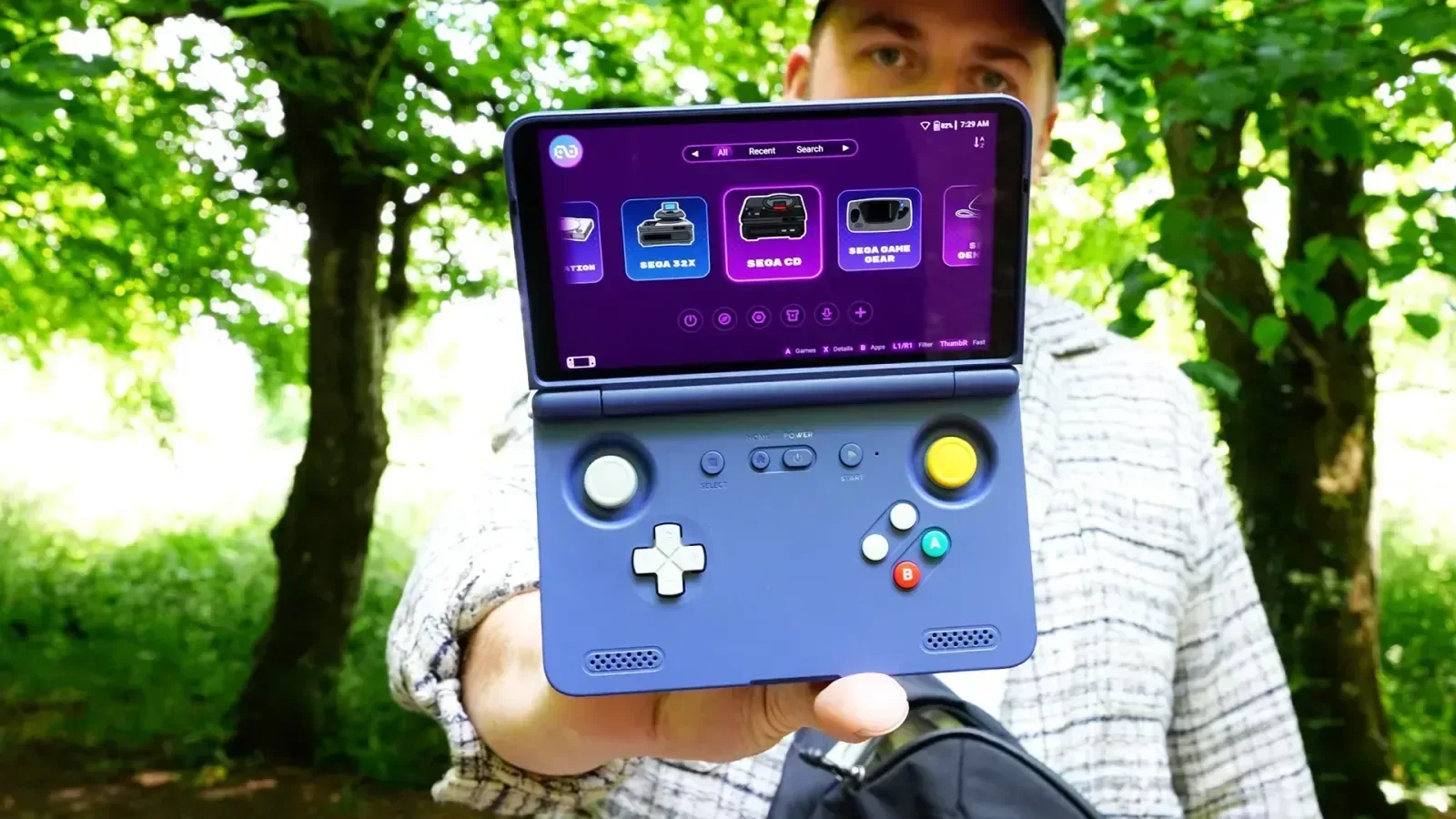
Retroid is clearing out several established retro handhelds while moving attention toward its newer hardware. The company has cut prices on the Retroid Pocket Classic, the 12GB Retroid Pocket 5, and both listed versions of the Retroid Pocket Flip 2. More importantly for anyone who has been delaying a purchase, Retroid has indicated that these models are headed for discontinuation once the remaining stock is sold.
That makes this something more consequential than an ordinary sale. A temporary discount usually invites the familiar question of whether it is worth waiting for a better one. Here, the more useful question is whether a particular device suits the way someone actually wants to play. When inventory is exhausted, these specific configurations may no longer be available through Retroid at all.
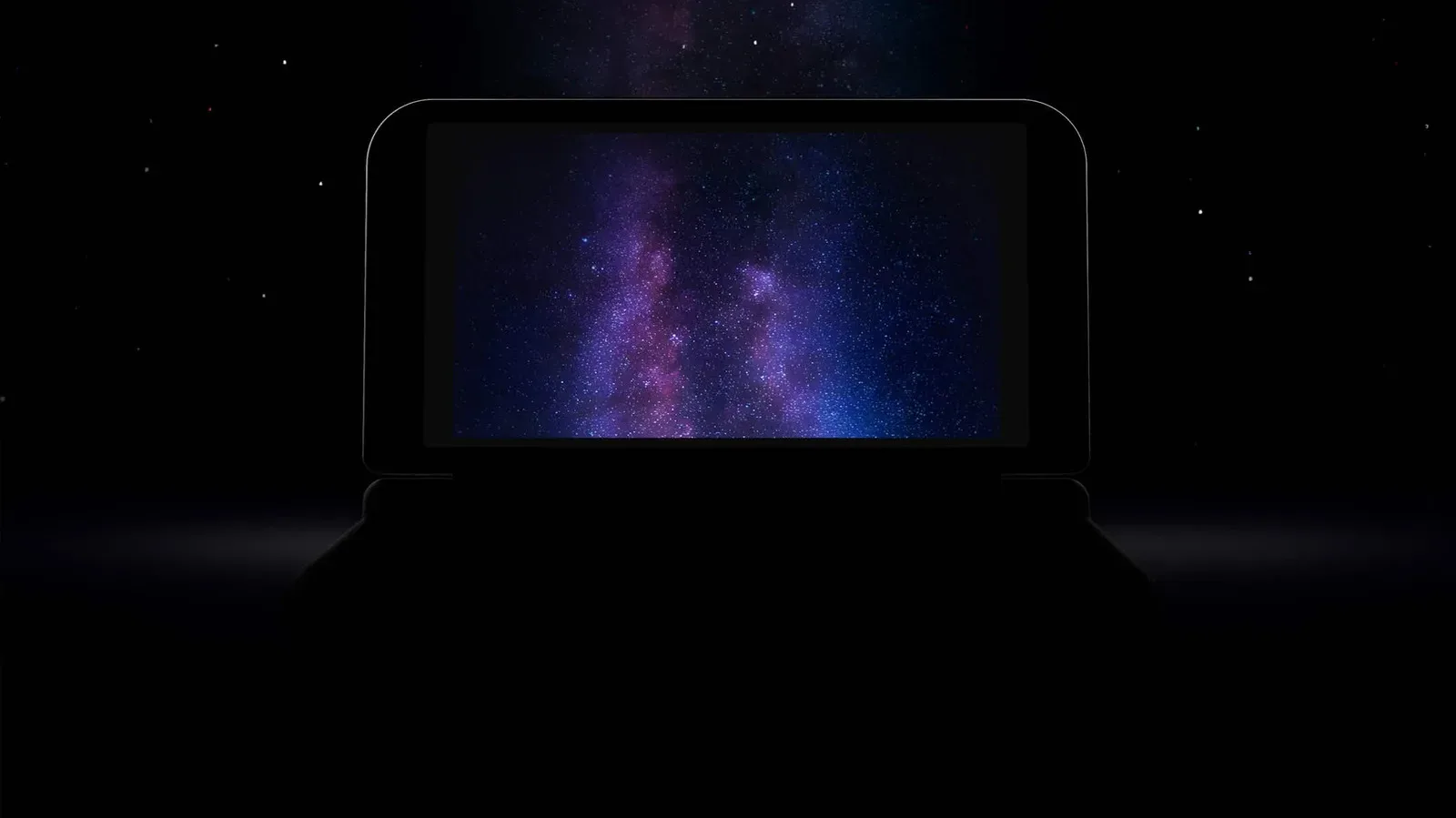
The reductions arrive as pre-orders have opened for the Retroid Pocket Duo, described as the company’s first dual-screen retro handheld. It is a clear sign that Retroid’s product lineup is changing shape. A newer device does not automatically make an older one obsolete for every player, though. Form factor, controls, screen orientation, performance needs and budget remain meaningful differences, especially in a hobby where the ideal device can vary wildly between a few Game Boy sessions and a focused PlayStation 2 backlog.
The discounted Retroid handhelds at a glance
- Retroid Pocket Classic: $99, down from $149.
- Retroid Pocket 5, 12GB: $179, down from $209.
- Retroid Pocket Flip 2, D1100 with 8GB: $149, down from $179.
- Retroid Pocket Flip 2, Snapdragon 865 with 12GB: $189, down from $219.
Those figures create four notably different lanes, rather than four interchangeable bargains. The Pocket Classic is the lowest-priced option and emphasizes a compact vertical layout. The Pocket 5 is a 16:9 handheld intended for players who want more power without stepping up to a Pocket 6. The Flip 2 variants bring a clamshell design, with the processor and memory configuration determining the expected level of emulation performance.
Retroid Pocket Classic: the $99 vertical option
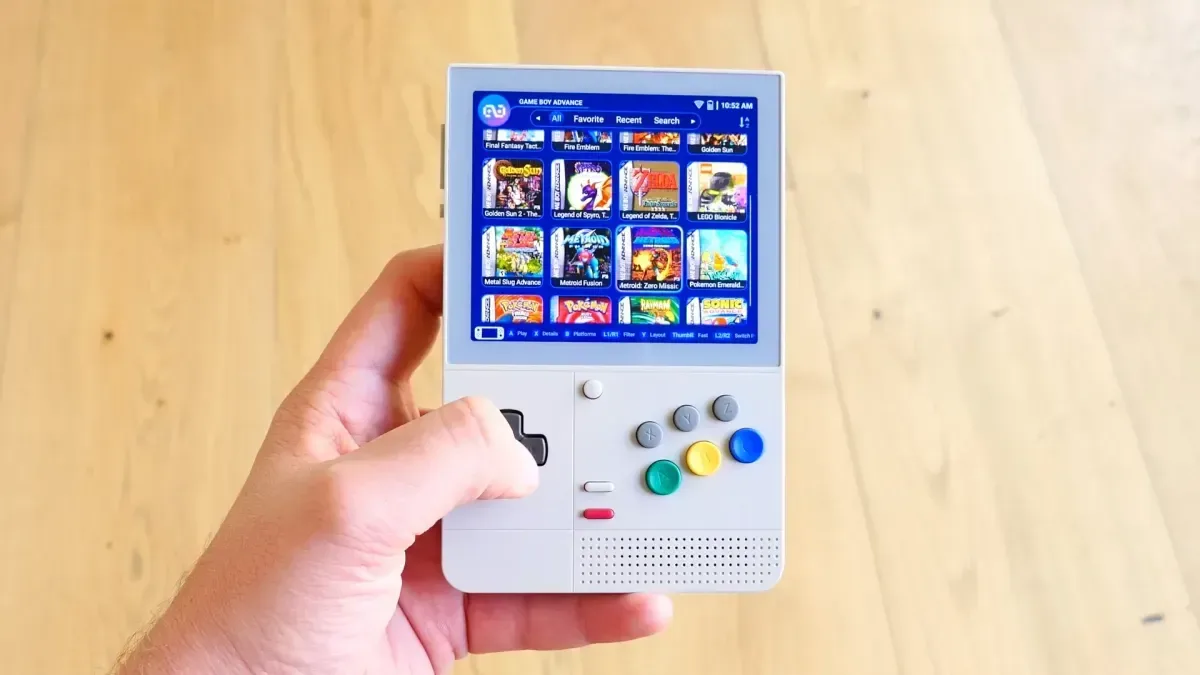
At $99 rather than $149, the Retroid Pocket Classic receives the largest dollar reduction in the group: $50. It is also the steepest percentage cut, at roughly one-third off its previous price. For players drawn to a compact vertical handheld, that combination is likely to make it the standout of the sale.
Vertical devices have a very particular appeal. They can feel natural for older portable libraries and tend to prioritize easy carrying over a wide, console-like silhouette. The Pocket Classic is positioned as a pocket-friendly machine, which makes it especially relevant to someone who wants a device that can travel easily rather than a larger system designed chiefly for longer sessions at home.
That does not mean vertical is universally better. A player expecting to spend most of their time with widescreen titles, systems built around analog controls, or games that benefit from a broad display may prefer one of Retroid’s horizontal devices. But the Pocket Classic’s lower price and compact approach make it an appealing match for a different purpose: a dedicated, portable retro companion rather than a do-everything performance chase.
Retroid Pocket 5: a widescreen step below the Pocket 6
The 12GB Retroid Pocket 5 now costs $179, a $30 reduction from $209. Its 16:9 design distinguishes it immediately from the Pocket Classic. For people who like a landscape-oriented screen and controls arranged more like a conventional modern handheld, that layout alone can be reason enough to look in its direction.
Related coverage includes Retroid Cuts Prices on Pocket Classic, Pocket 5 and Flip 2 as Stock Nears Its End.
In performance terms, the Pocket 5 is presented as capable of GameCube emulation, along with a limited selection of less demanding PlayStation 2 games. That wording matters. “Up to GameCube” is not a guarantee that every title on a platform will behave identically, and “a sprinkling” of PlayStation 2 games should be read as an indication of selective compatibility rather than a promise of a universal PS2 solution.
Still, the Pocket 5 occupies a sensible middle ground. It costs less than a Pocket 6 while offering a form factor and capability level that can cover a sizable portion of retro libraries. People whose wish list ends around older home consoles, or who simply value a 16:9 device more than the highest available tier, may find it a more logical purchase than automatically pursuing newer hardware.
For readers interested in the broader history and appeal of playing legacy libraries on adapted hardware, Joking Joystick also has a look at the Original Xbox modding revolution, from modchips and BIOSes to homebrew. Modern portable emulation hardware is a different category of device, but it belongs to the same long-running enthusiasm for preserving access to older games in new ways.
Pocket Flip 2: two clamshell choices, two performance targets
The Pocket Flip 2 is the most varied listing in the clearance group because it is available in two discounted configurations. Both use a clamshell design, a format with obvious practical benefits for a handheld intended to be carried around. Closing the unit protects the screen and controls while it is in a bag or pocket, and the physical design gives it a distinct identity beside Retroid’s standard vertical and horizontal models.
The first option is the Pocket Flip 2 with a D1100 chip and 8GB of memory. It has dropped from $179 to $149. It is described as capable of emulation up to GameCube, placing it broadly in the same general performance conversation as the Pocket 5, though buyers should not assume that two handhelds positioned around the same broad platform target will deliver exactly the same experience across every game or emulator setting.
The second is the Snapdragon 865 model with 12GB of memory, reduced from $219 to $189. Retroid positions this version as the stronger Flip 2 option, with the ability to emulate most PlayStation 2 games at native resolution. That is a significant differentiator for anyone whose main interest lies in PS2-era games, although “most” is still not “all.” Compatibility and results can differ by game, configuration and the emulation software involved.
The price separation between the two Flip 2 models is $40 after discount. That leaves a straightforward choice: the D1100/8GB version is the lower-cost clamshell route for someone concentrating on older libraries and GameCube-level ambitions, while the Snapdragon 865/12GB version is for buyers who place more value on native-resolution PlayStation 2 coverage. Neither answer is inherently better; the right one depends on the games a buyer intends to prioritize.
Why the discontinuation notice changes the calculation
Retroid’s message that these handhelds will be discontinued after remaining stock sells through adds urgency, but it should not turn a purchase into a panic decision. A clearance event is still best approached with a plan. The relevant discounts are real, yet the value of a device is determined by whether its size, controls, screen shape and likely performance line up with a person’s intended library.
The key practical detail is that this appears to be an end-of-stock situation, not a routine promise that inventory will be replenished after the sale. Once a particular color or configuration sells out, there is no indication that Retroid will restock it. Availability may therefore become uneven before the broader model is completely gone.
That can also affect buyers who have a very specific preference. Someone set on a clamshell device should not treat the Pocket Classic’s $99 price as a substitute merely because it is the largest discount. Likewise, someone who wants the smallest vertical option should not assume that a more powerful Flip 2 represents better value just because its technical ceiling is higher. The practical value is in buying the device that avoids compromise on the features that matter most.
A quick way to narrow the choice
- Start with the shape you want. The Pocket Classic is a compact vertical handheld; the Pocket 5 uses a 16:9 layout; and the Flip 2 is for players who specifically want a clamshell.
- Set a realistic performance target. GameCube-level aspirations point toward the Pocket 5 or D1100 Flip 2, while the Snapdragon 865 Flip 2 is the one described as handling most PS2 games at native resolution.
- Keep platform claims in context. Broad compatibility targets do not guarantee that every game on a named system will perform the same way.
- Decide before stock does. Retroid has said these devices are being discontinued as remaining inventory is sold, so waiting may mean losing the preferred model or configuration rather than simply missing a price cut.
This sale represents a transition point for Retroid’s handheld catalog. The Pocket Duo pre-order period signals the company’s interest in moving into dual-screen hardware, while the Pocket Classic, Pocket 5 and Pocket Flip 2 discounts give the outgoing machines one more moment in the spotlight. For retro players, the choices are unusually clear: $99 for the portable vertical Pocket Classic, $179 for the 12GB widescreen Pocket 5, $149 for the D1100 8GB clamshell Flip 2, or $189 for the more capable Snapdragon 865 12GB Flip 2.
With the company indicating that the listed devices will not return after their inventory is gone, prospective buyers should regard the reductions as a last-stock opportunity—not necessarily a reason to buy every device, but a reason to make a deliberate decision while the preferred option is still on the table.