Prince of Persia is preparing to make an unexpected leap back into the 1980s computer scene. A long-running unofficial conversion of Jordan Mechner’s cinematic platforming landmark for the MSX2 has reached its final-update stage, with developer David Heremans indicating that release is planned for next month. For a game whose original Apple II debut is separated from the MSX2’s heyday by several decades, it is the kind of arrival that makes retro gaming feel less like preservation and more like a very patient alternate timeline finally catching up.
Heremans, a homebrew developer based in Belgium, has spent the past several years working on the MSX2 edition. The newly shared update presents a project that has grown beyond its initial digital-focused plan. It now includes support for more than one sound solution, additional music, quality-of-life extras, and the prospect of a physical edition. That is a substantial finish-line package for an adaptation of a game known for making every leap, sword clash and collapsing floorboard matter.
A classic platformer finds another machine to escape from
The original Prince of Persia began life on the Apple II and became a foundational example of the cinematic platformer: deliberate movement, deadly environmental hazards, tense combat and a race against time. Its reach across computers and consoles has been wide over the years, which makes an MSX2 version feel both surprising and entirely appropriate. The machine has long remained a home for enthusiasts who enjoy investigating what its software library might have included under different circumstances.
This is not an official release, and it is important to frame it that way. The project is an unofficial port produced within the homebrew scene rather than a newly revealed commercial release from the original game’s rights holders. Still, years of work appear to be culminating in a version shaped specifically around the realities and possibilities of MSX hardware rather than simply a bare-bones technical curiosity.
For more context, explore Tom and Jerry: Forbidden Compass Review — A Fantasy Quest That Misplaces Its Stars.
The MSX2 is particularly fitting territory for this sort of project. Its active fan community has kept the platform relevant well beyond its original commercial era, while modern developers continue to explore the balance between vintage limitations and features that players now expect from a polished release. A port of Prince of Persia has to handle more than recognizable screens and character sprites; the game’s identity is tied to precise animation, perilous timing and the rhythm of navigating its dungeon.
The audio plan changed—and that changed the release
One of the clearest examples of the project evolving concerns its sound. Heremans initially developed the game with a digital version in mind and with Y8950 audio support only. The plan changed after he was persuaded that the game warranted a physical release. Heremans subsequently worked with Hans Cnossen and WYZ to incorporate PSG support and extra music.
The practical reason matters: the Y8950 is not widely available across MSX systems. Adding PSG compatibility therefore widens the group of MSX players who can enjoy the port with supported sound, instead of treating a less common piece of audio hardware as the only route to the full experience. In the eccentric, attachment-rich universe of vintage computing, compatibility is not just a technical bullet point. It is often the difference between a game sitting beautifully on a shelf and a game actually getting loaded up on a real machine.
The final version is set to let players mix Y8950 and PSG music and sound effects. That flexibility is a notably thoughtful touch. Rather than forcing one all-or-nothing audio profile, it gives users room to select a combination that fits their hardware and preferences. For collectors with different setups, or enthusiasts who enjoy comparing hardware personalities, this could become one of the port’s most appealing details.
- Y8950 support remains part of the project’s sound design.
- PSG support has been added to improve accessibility for MSX owners without Y8950 hardware.
- Additional music arrived as part of the expanded audio work.
- Mix-and-match settings will allow music and sound effects to be selected across Y8950 and PSG options.
That is a much more ambitious audio approach than the early digital-only concept suggested. It also illustrates how physical-release considerations can affect the game itself. A cartridge, box or other physical format is not merely an object surrounding the software; it can prompt developers to reconsider which hardware configurations their work ought to serve.
More than a straight conversion
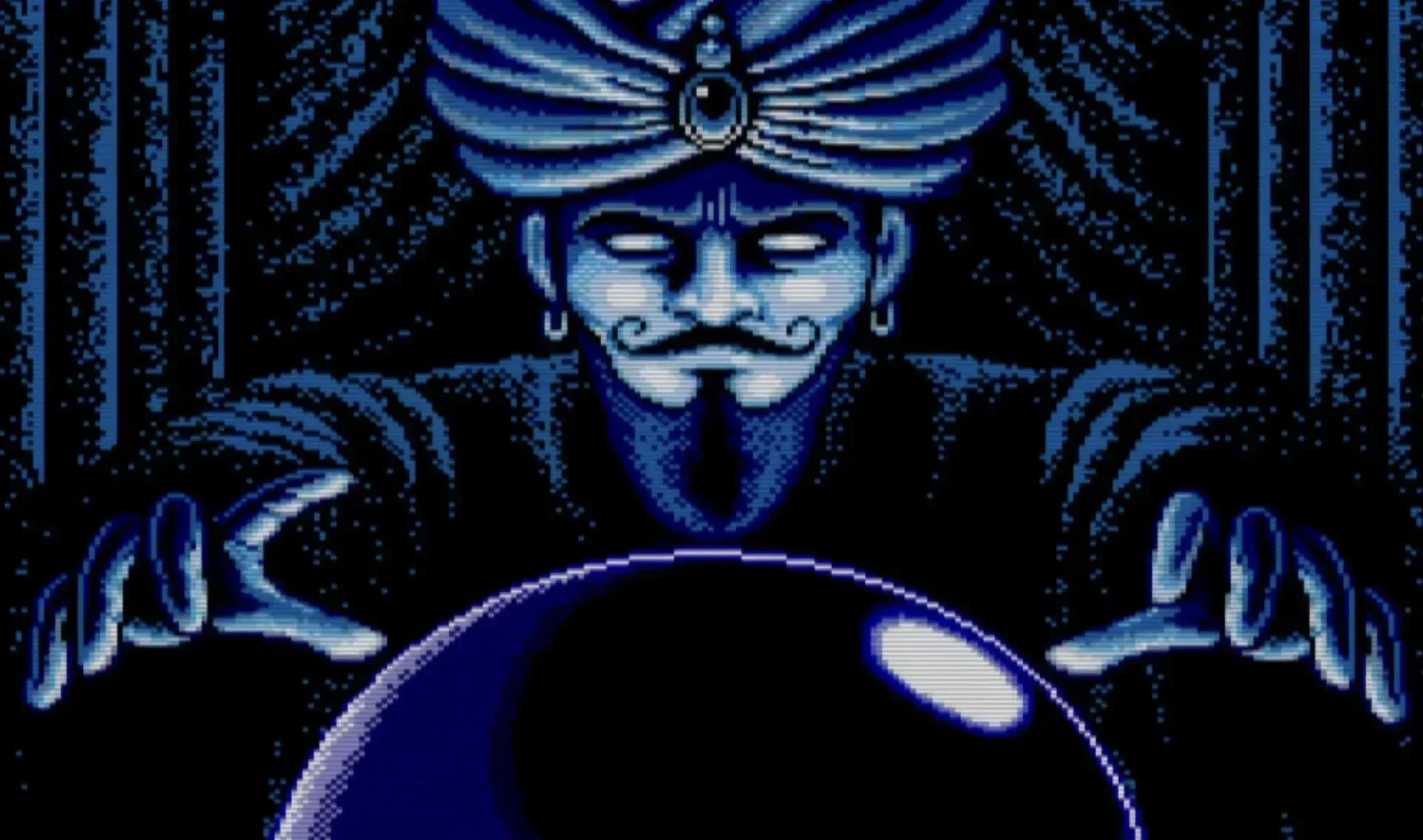
Audio is not the only area receiving attention. Heremans has teased a new introductory animation inspired by the Sega Mega-CD version of Prince of Persia. The reference is an interesting one because it signals an effort to give this MSX2 project its own presentation rather than treating the port as a rigid reproduction of one earlier edition.
The final build is also expected to include an in-game manual viewer. That may sound modest in an era where menus regularly overflow with tutorials, codex entries and accessibility settings, but it is a welcome inclusion for a retro release. Manuals remain part of the texture of classic gaming, especially for physical collectors, yet allowing players to consult instructions in the software itself is a sensible bridge between old-school presentation and practical use.
Then there is the cheat menu, which is planned to permit level skipping and changes to guard behaviour. A game as famously unforgiving as Prince of Persia can benefit from options that let players explore its later areas or alter aspects of its opposition without turning every session into a battle with the opening stages. These settings should also be useful for anyone curious about the port’s full contents but unwilling to spend an evening being personally humbled by a suspiciously placed spike trap.
- A Mega-CD-inspired intro animation is being teased for the MSX2 release.
- The manual will be viewable from within the game.
- A cheat menu is set to offer level skipping.
- The same menu is expected to let players edit guard behaviour.
Physical release remains the key detail to watch
Heremans’ latest update points toward release next month, but specific distribution details have not been established here. The project’s move toward a physical edition is clear, while the exact form of that release, broader availability and other practical information remain details to watch for. A later report likewise characterizes the project as finished with physical-release plans ahead, reinforcing that the tangible edition is an important part of the story rather than an incidental extra.
That uncertainty should not diminish what has already been shown. Completing a years-long homebrew conversion is an accomplishment by itself, particularly when the end result appears to have expanded its scope to account for real-world hardware variety, presentation and player-facing options. Retro projects are often praised simply for existing; this one appears intent on being considered as a usable, configurable release for MSX2 owners.
It also joins the wider tradition of unofficial Prince of Persia conversions, a tradition that says much about the original design’s durability. The game’s tension comes from readability and movement as much as raw processing power, allowing developers and players to imagine it on systems that never received a contemporary release. Each new adaptation poses the same enticing question: how much of the Prince’s fragile, carefully animated journey can another machine carry?
An overdue invitation for MSX2 players
For MSX2 fans, this release promises the rare pleasure of adding a historically significant game to the platform in a form built specifically for it decades later. For Prince of Persia fans, it offers another way to examine an endlessly portable design through the character of different sound hardware, a fresh intro and platform-specific adjustments. And for collectors, the physical plans give the project an extra layer of interest, even while the final release particulars have yet to be laid out.
Heremans, Hans Cnossen and WYZ have turned what began as a narrower digital project into a more accommodating package. The result is poised to give MSX2 players a choice between Y8950 and PSG audio behaviour, extra music, an in-game manual and cheats alongside the familiar dungeon escape. Not bad for a prince who has spent decades proving that no platform is entirely safe from his next extremely dramatic jump.