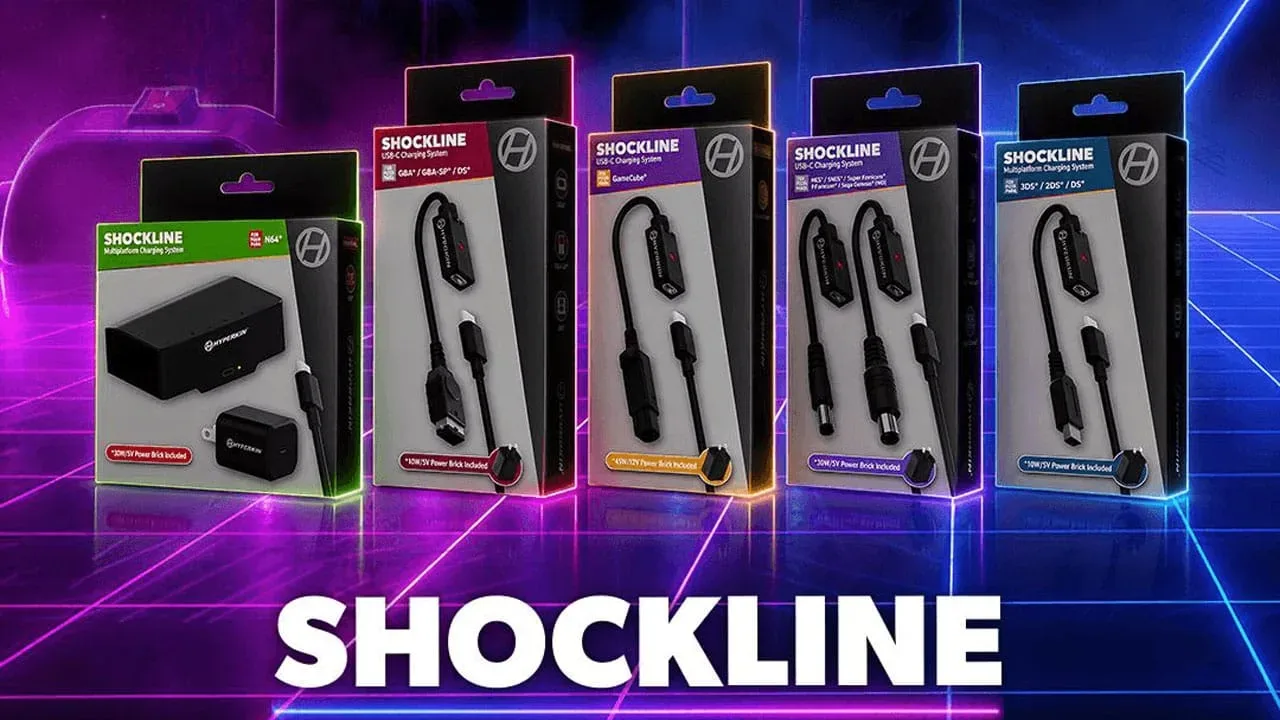
There are few forces more persistent than cable creep. A retro setup begins innocently with one console and one power brick, then somehow evolves into a plastic thicket behind the television: proprietary leads, odd-shaped adapters, spare cords whose owners are long forgotten, and at least one wire that looks as though it survived a boss fight with a lawn mower. Hyperkin’s new ShockLine range is aimed squarely at that tangle.
ShockLine is a collection of USB-C power supply and charging cable kits designed for several older Nintendo and Sega systems. The basic proposition is pleasantly straightforward: rather than relying on increasingly old original power equipment, compatible consoles can use a USB-C-oriented replacement solution. That may allow owners to reduce the number of specialized plugs in circulation, swap machines more easily around a shared USB-C power setup, or potentially power supported hardware from a USB-C bank.
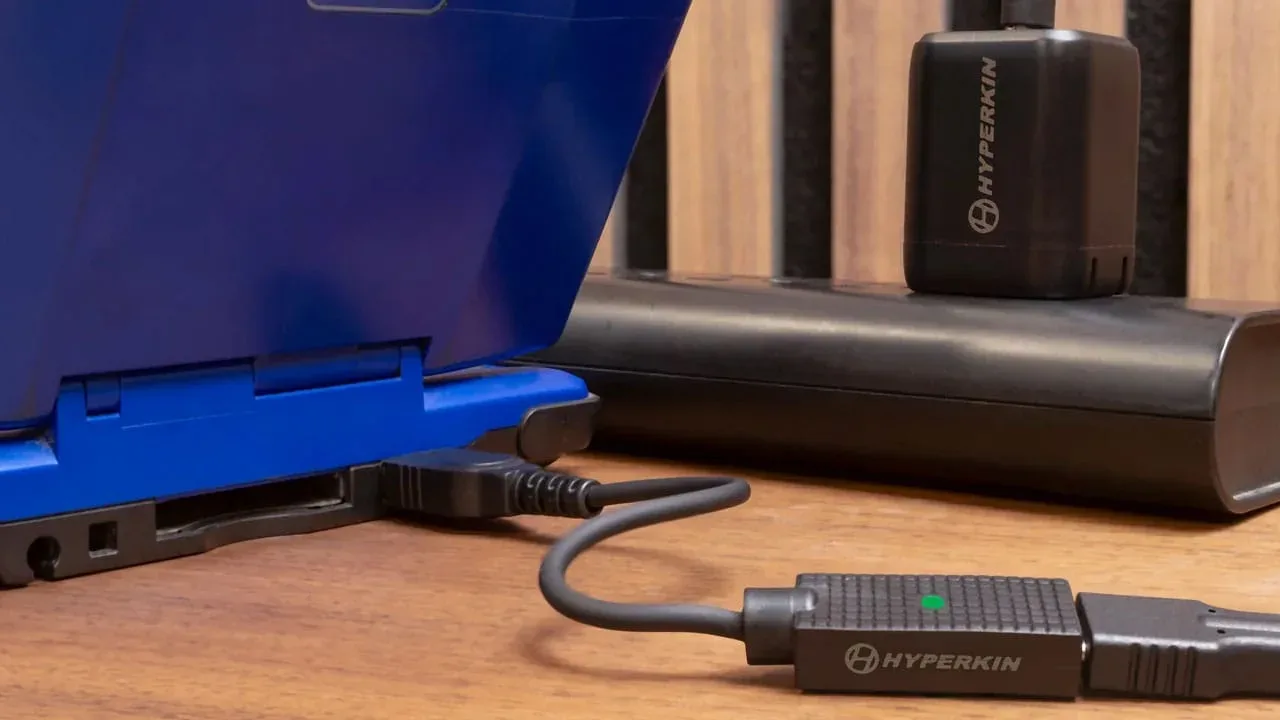
The range is available now, spanning both home consoles and handhelds. Each kit includes the appropriate adapter or charging connection and a six-foot USB-C cable. Hyperkin says the cables are flexible and resistant to kinking, while the handheld kits include overcharge protection.
Which retro systems are covered?
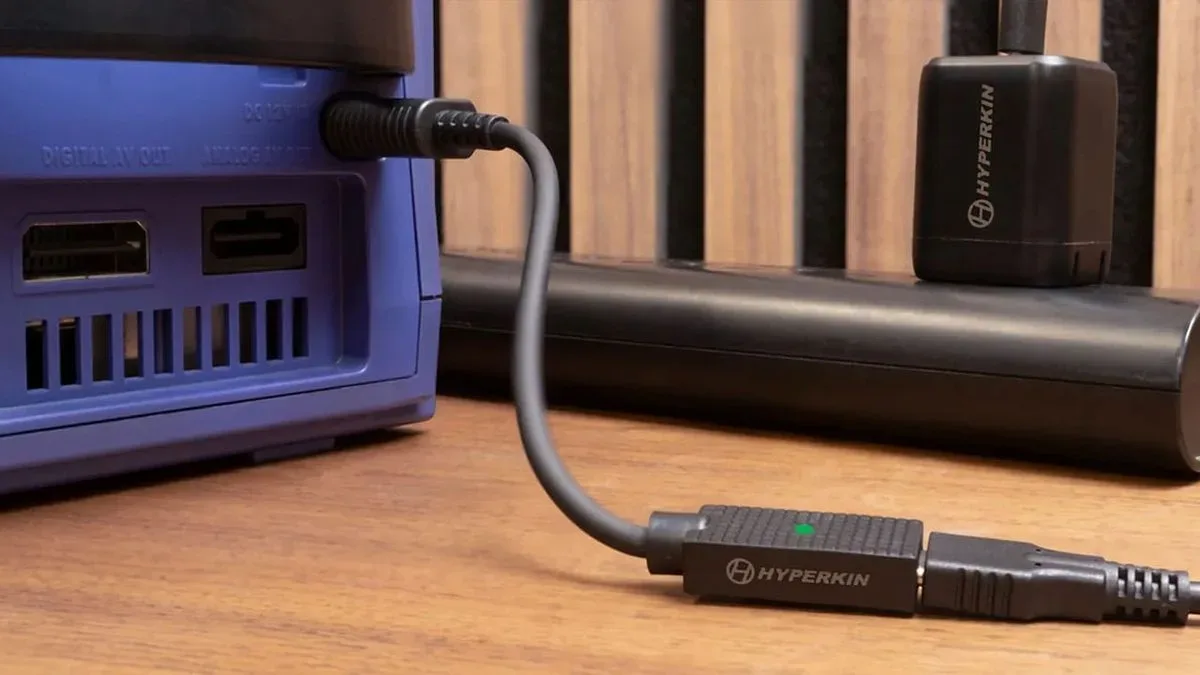
The home-console side of ShockLine is split into three products. One broad kit supports a group of earlier systems, while Nintendo 64 and GameCube each receive their own dedicated power supply kit.
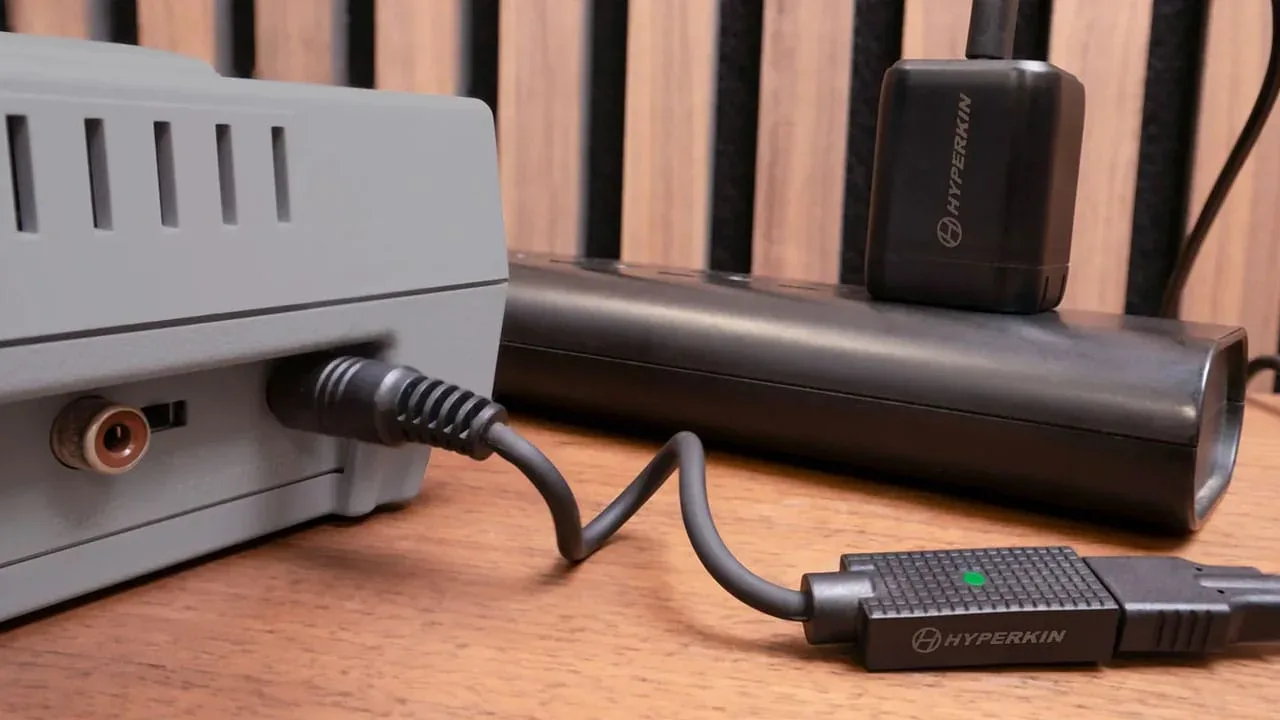
- Hyperkin ShockLine USB-C Power Supply for Retro Consoles, compatible with NES, SNES, Super Famicom, Famicom, and Sega Genesis Model 1
- Hyperkin ShockLine USB-C Power Supply Kit for GameCube
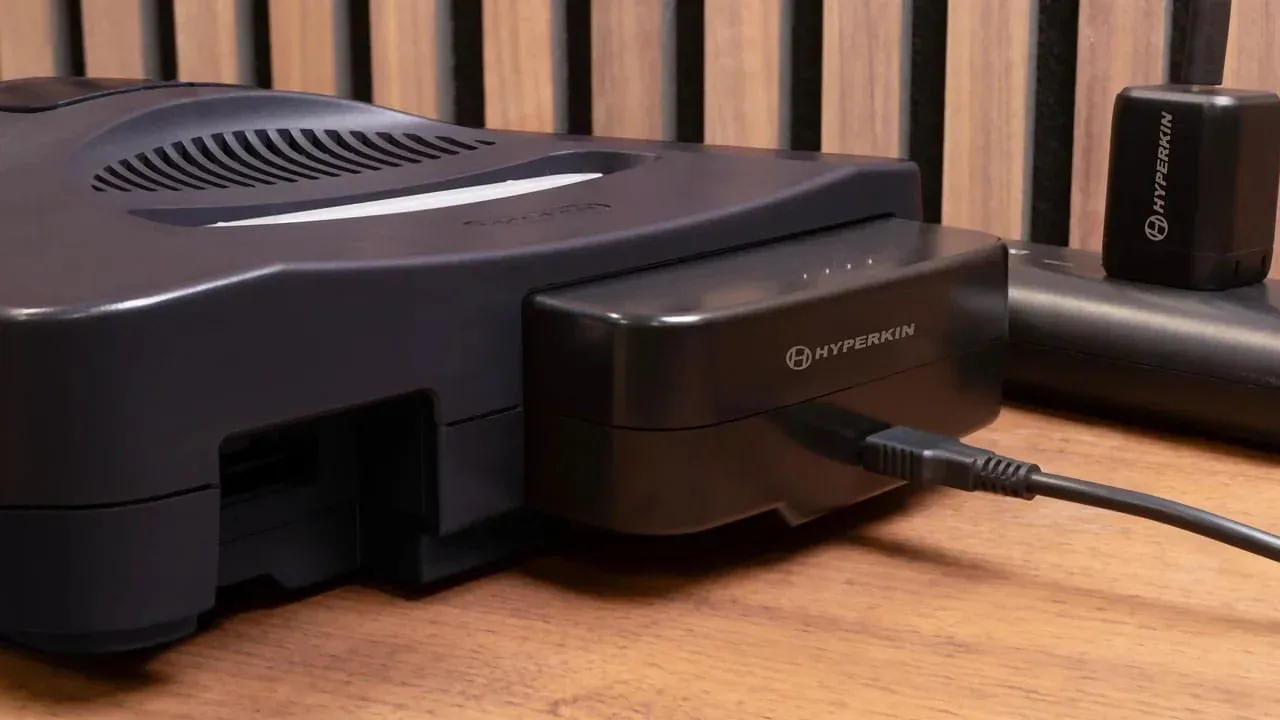
- Hyperkin ShockLine USB-C Power Supply Kit for N64
For handheld owners, there are two charging cable kits:
- Hyperkin ShockLine USB-C Charging Cable Kit for GBA SP & DS
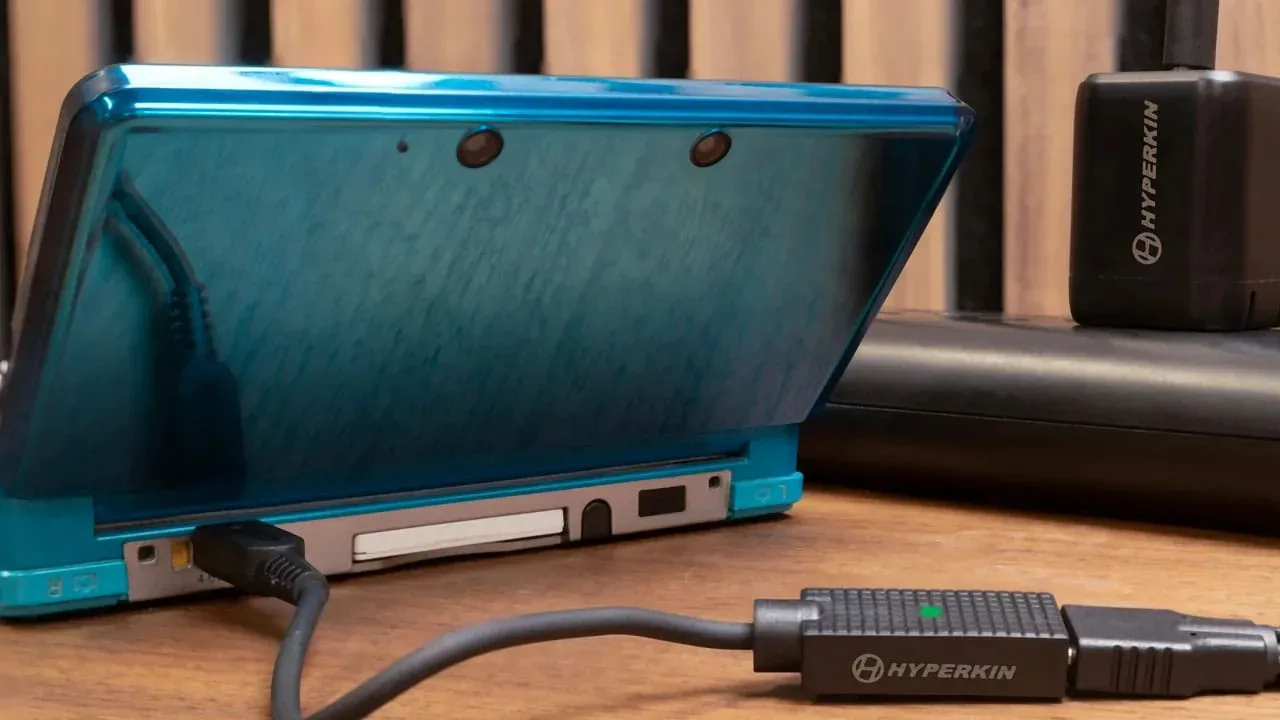
- Hyperkin ShockLine USB-C Charging Cable Kit for 3DS, 2DS & DSi
That compatibility breakdown matters. “Retro console” is not a universal category where every machine politely accepts the same electricity through the same hole. The listed systems use distinct power or charging connections, and the ShockLine products are purpose-built around those supported groups. Collectors should therefore treat the name on the package as the rule, not assume that any USB-C cable and any old console make a happy, sparks-free couple.
The broader home-console kit is especially notable because it covers hardware from Nintendo’s 8- and 16-bit eras alongside Sega’s original Genesis Model 1. Meanwhile, the GameCube and Nintendo 64 kits address two machines whose original power solutions can be inconvenient to replace if a cable goes missing, is damaged, or simply refuses to cooperate after decades in storage.
USB-C is the tidy-up, not a magic spell
The attraction here is less about changing how these consoles play and more about making the surrounding ritual less cumbersome. A classic system still needs its games, controller, display connection, and usual dose of cartridge-blowing folklore. ShockLine addresses the less glamorous but very practical question of how to turn it on.
USB-C has become common across newer electronics, and a compatible power system can make an older setup feel easier to manage without changing the console itself. If several supported devices share a general power area, it may be simpler to keep a USB-C source accessible and rotate the appropriate console-specific kit into use. It also gives collectors an alternative when an original cable has been separated from a system over years of moves, lending, attic expeditions, or the mysterious household drawer where adapters go to be reborn as archaeology.
The six-foot cable included with each set is a welcome practical detail. Retro hardware often ends up positioned wherever a shelf, AV cable, and available outlet can be persuaded to coexist. A longer cable provides more latitude than the ultra-short leads sometimes included with modern accessories, reducing the need to stack consoles in a precarious tower just to reach power.
For handhelds, the appeal is equally plain. Game Boy Advance SP, DS, DSi, 3DS, and 2DS families each have specific charging needs, and original chargers can be misplaced or worn down. The ShockLine handheld kits use USB-C on the power-source side while retaining the relevant device connection. Hyperkin also lists built-in overcharge protection for these handheld offerings. That feature is specifically identified for the handheld kits, so buyers should not read it as a stated feature of every product in the line.
Pricing lands below the “why is this tiny cable so expensive?” zone
Hyperkin lists the power supply kits for the Nintendo 64, GameCube, and multi-console retro group at $24.99 each, roughly £18.50. The handheld charging cable kits are listed at $19.99, or about £14.79.
Those figures place ShockLine as a maintenance-minded accessory line rather than a premium modification project. For people who already own the systems, a replacement power or charging option may be a relatively small part of keeping the hardware playable. It is also a different purchase from video output hardware: anyone rebuilding a living-room retro station should think about both jobs separately. A console can have the neatest USB-C power arrangement imaginable and still need the right display connection. Our guide to mapping a retro console’s connection before buying an HDMI adapter is useful reading before adding another box to the chain.
Of course, original equipment still has value. Some collectors prefer keeping a complete original setup together, and an intact official power adapter can matter to the completeness of a boxed or display-focused collection. But preservation and playability do not have to be enemies. Keeping original components labeled and stored while using a modern replacement for regular sessions can reduce day-to-day strain on aging accessories. It also means the original gear is less likely to disappear into that universal storage category known as “somewhere safe.”
A sensible accessory for systems that outlived their cables
The NES is now around four decades old, and even newer hardware in this lineup has long since reached the age where its accessories may have been heavily used, poorly stored, or split from the console. Rubberized cable jackets do not become more youthful with time, plugs can loosen, and a once-organized entertainment center can gradually acquire more unknown bricks than a small electronics museum.
ShockLine does not promise to modernize the games, upgrade a system’s picture, or eliminate every consideration involved in running classic hardware. What it offers is narrower and arguably more useful: new, explicitly compatible power and charging options using a current connector standard on the cable side. The flexible, kink-resistant construction cited for the cables also speaks to the mundane reality that replacement leads will be bent, routed around furniture, packed for game nights, and asked to survive life outside a display cabinet.
Owners assembling a playable collection may find power management to be one of the least exciting parts of the hobby—right up until a missing cord stops a planned session cold. For broader organization advice, see our look at how to store retro games in a collection that remains easy to find and play. Separating cables by system, labeling replacements, and keeping original components together can save substantial frustration later.
Hyperkin’s ShockLine lineup therefore fills a very specific gap: it gives selected NES, SNES, Super Famicom, Famicom, Genesis Model 1, Nintendo 64, GameCube, GBA SP, DS, DSi, 3DS, and 2DS owners a USB-C-based path for power or charging. At $24.99 for the home-console power kits and $19.99 for the handheld cable kits, with six-foot cables included, the range is positioned as a practical way to remove some proprietary-clutter drama from a retro setup. The consoles may remain gloriously old. Their cable situation does not have to be.