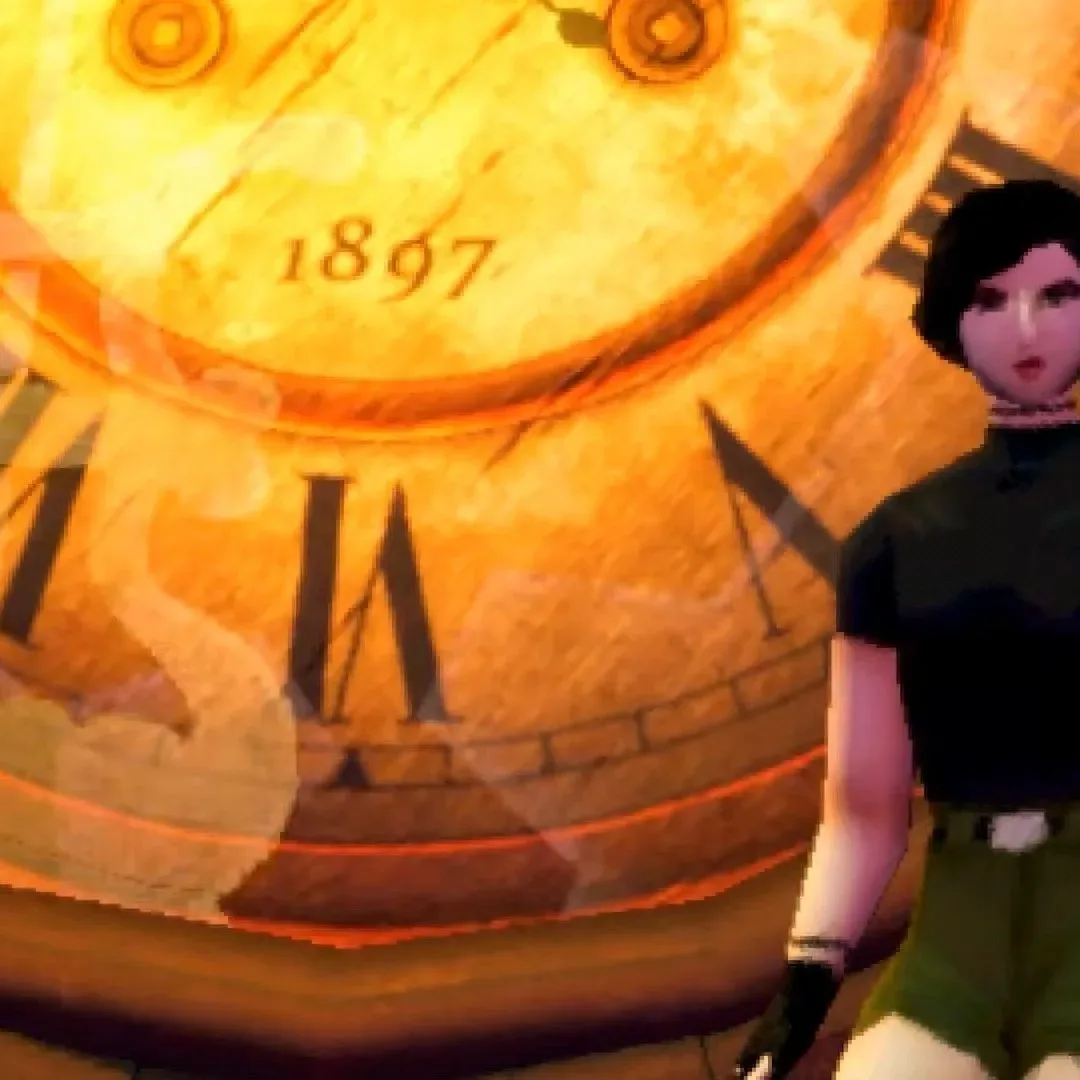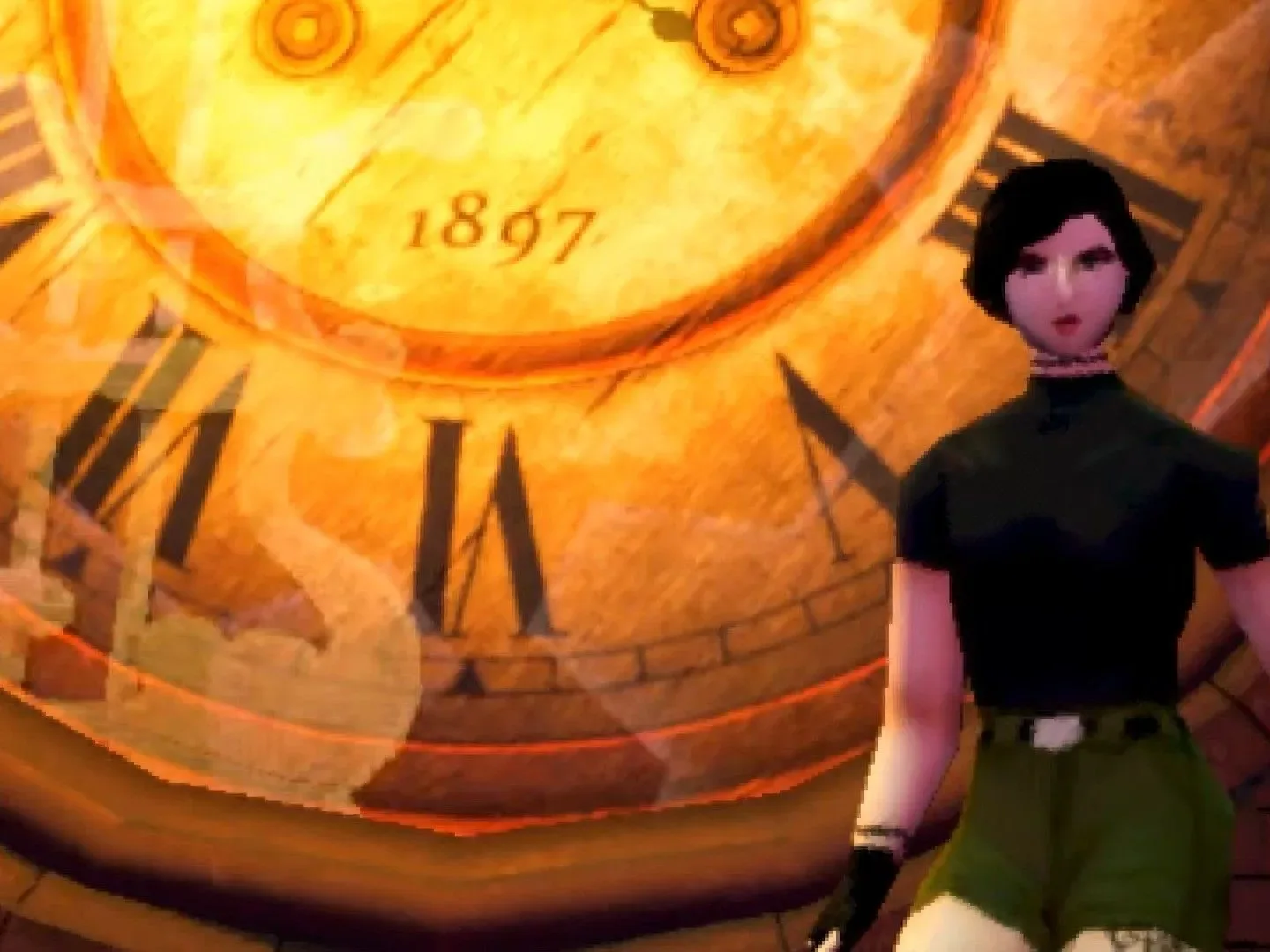
Heartworm, the survival-horror game from developer Vincent Adinolfi and publisher DreadXP, is now available beyond PC on PS5, PS4, Xbox Series X/S, Xbox One, Nintendo Switch 2 and Nintendo Switch. Its arrival gives console players access to a compact, deliberately retro-styled horror game that looks back to the PS1 era without making old control conventions mandatory.
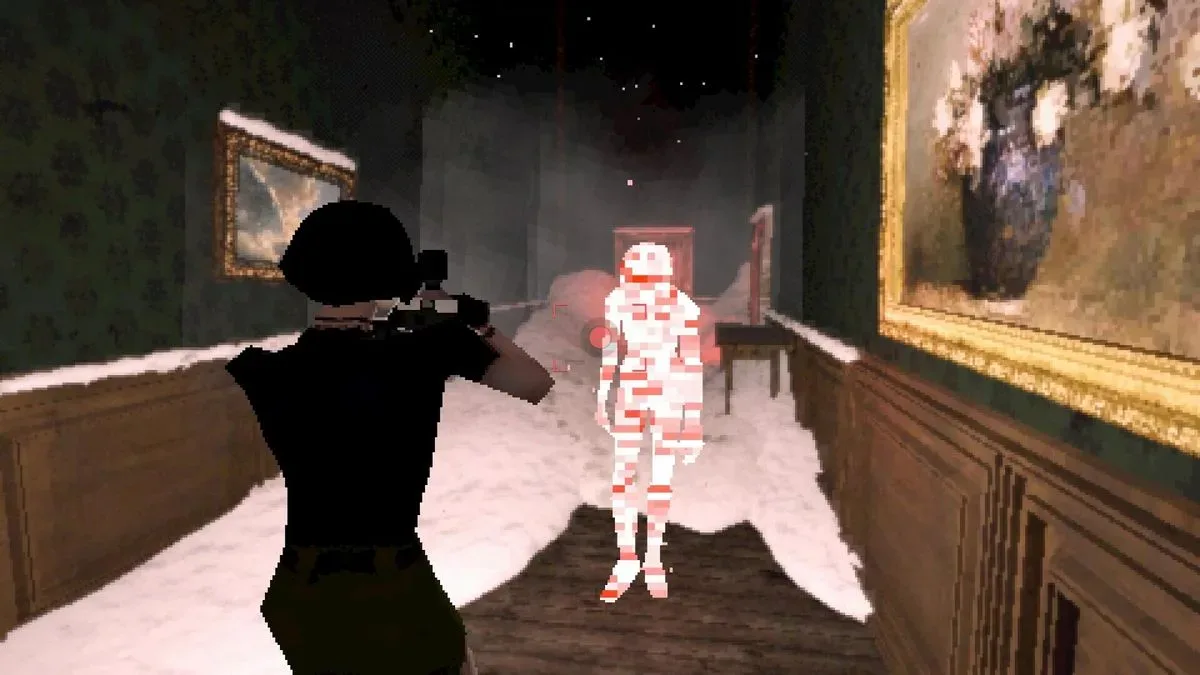
The premise is intimate and suitably uneasy. Sam, haunted by her past, attempts to contact the dead. An abandoned house becomes the entrance to a succession of surreal, memory-charged locations, ultimately leading toward a strange cathedral. She begins with a camera rather than a conventional arsenal, and its flash is central to the game’s identity: it can briefly illuminate otherwise near-black spaces and dispel the threats tied to those spaces.
That is a neat survival-horror proposition. Light is not merely decorative atmosphere or a setting menu slider; it becomes a limited burst of visibility and an active part of navigating danger. In a genre built on uncertainty, a flash that reveals only a moment at a time gives players information without entirely dissolving the anxiety of not knowing what waits just beyond it.
A retro framework with room to adjust it
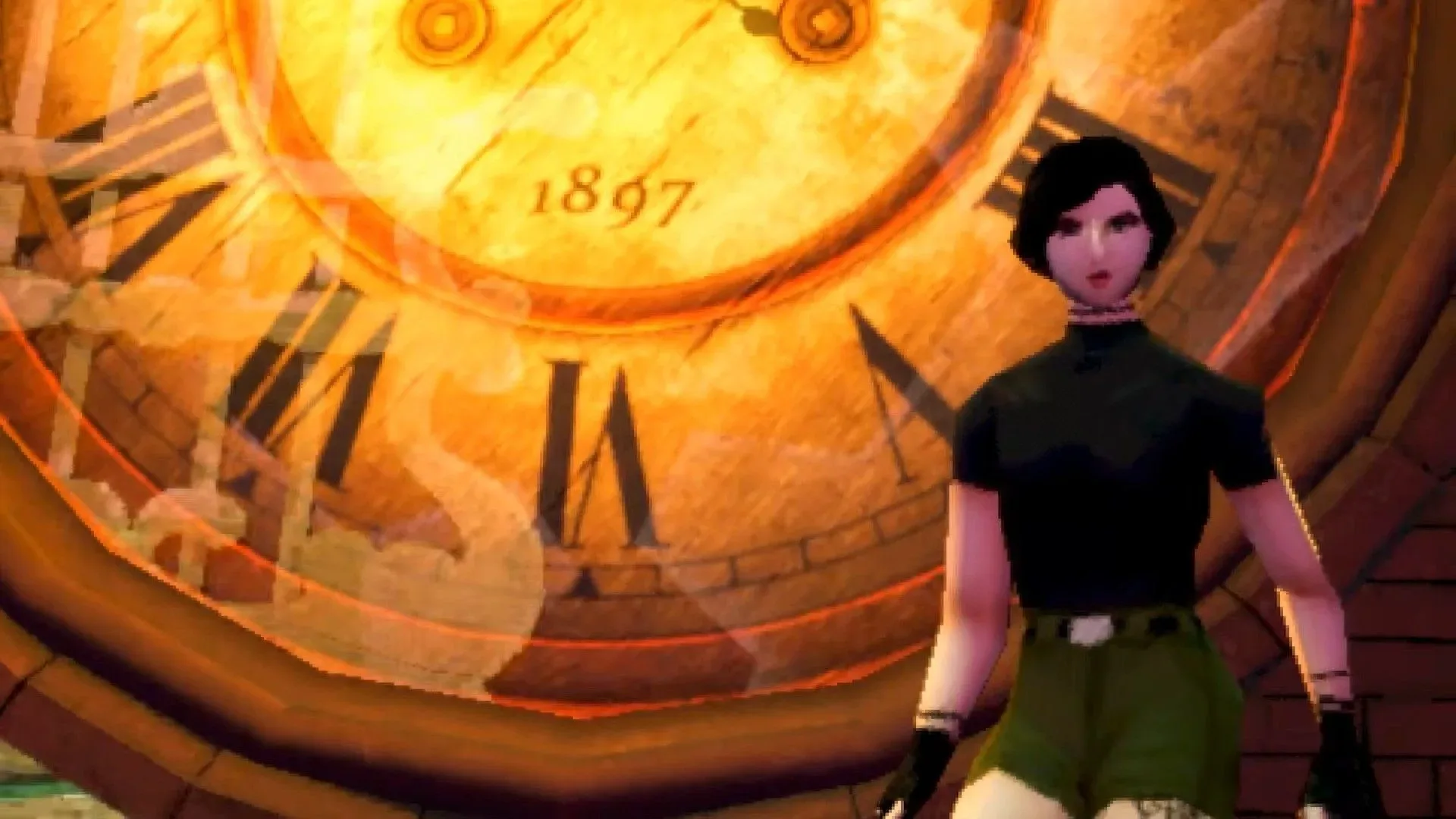
Heartworm openly draws on the design language of PlayStation-era horror, with clear touchstones in the broader tradition of Silent Hill, Resident Evil and Clock Tower. That means lo-fi presentation, tense exploration, puzzles and spaces designed to make a player feel displaced rather than simply attacked. The game’s TV-static visual motif helps tie its different environments together.
“PS1-style” can mean several things at once. It may refer to lower-fidelity visual textures and geometry, but it also suggests a particular pacing: rooms to search, items to consider, puzzles that temporarily halt forward motion, and horror created through sound, darkness and anticipation. Heartworm’s reported approach is not to replicate one single classic game wholesale. Instead, each distinct location shifts the style of play somewhat while acknowledging different corners of survival-horror history.
For players who remember the period fondly but do not miss every ergonomic decision it produced, the most practical feature may be its control options. Heartworm lets players use tank controls or disable them.
What are tank controls?
Tank controls are a movement system in which forward and backward move a character relative to the direction they are facing, while left and right turn them. The name comes from how a tank pivots before driving in a new direction. It differs from modern character-relative movement, where pushing the stick left typically sends a character left on the screen or relative to the camera.
The system is closely associated with older survival horror because it can retain consistent movement inputs even when camera angles change. For some players, that creates a deliberate, weighty rhythm that supports tension. For others, it is an immediate obstacle. Making it optional is a meaningful compromise: Heartworm can preserve a preferred retro feel for enthusiasts while allowing newcomers to focus on exploration, puzzles and the camera mechanic rather than relearning an older movement convention.
Related coverage includes Heartworm Brings Its Camera-Focused PS1 Horror Homage to Consoles.
Darkness is part of the game’s vocabulary
The opening is built around an abandoned house and a steadily escalating sense that danger is coming, even before the player sees it. The camera flash is especially important here because the darkness is not incidental. A quick blast of light can expose a route, clarify the shape of a room or offer a fleeting look at something players might prefer had stayed unseen.
This makes the early game’s lighting conceptually different from simply carrying a flashlight through a dark level. A flashlight supplies an ongoing cone of certainty. A flash is momentary. It turns seeing into a decision and leaves room for the darkness to immediately reclaim the scene. The effect is less about overpowering a location and more about negotiating with it.
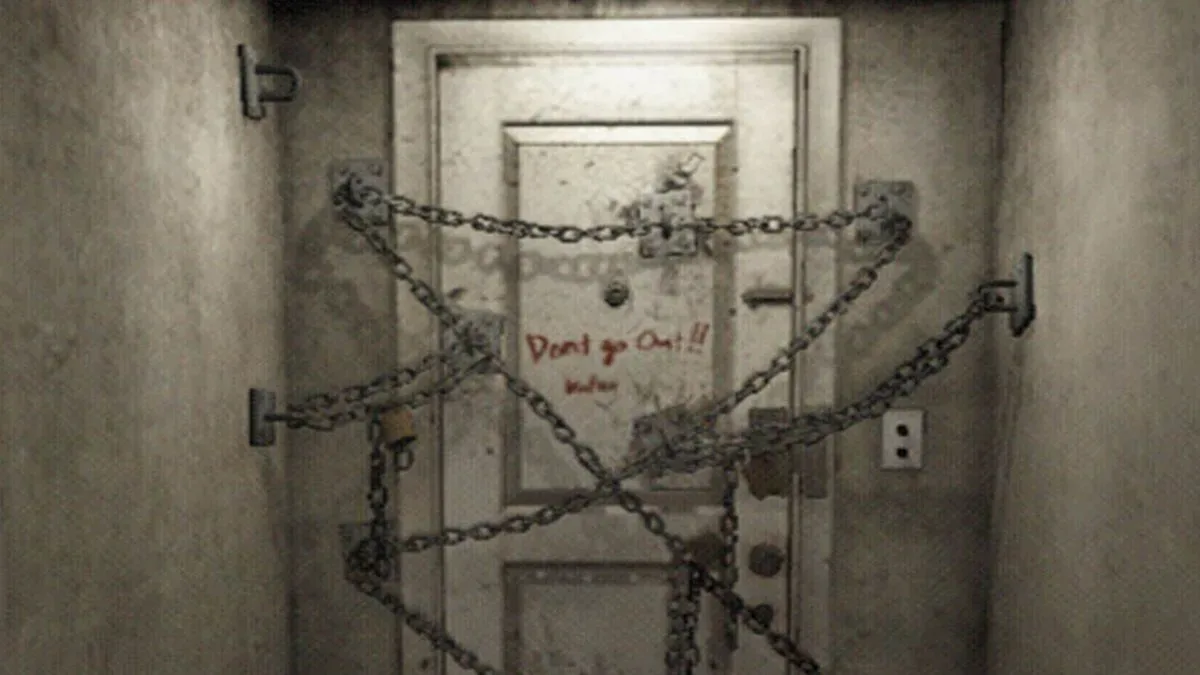
Later areas reportedly become broader and more surreal, including close suburban-house hallways and a forest with its own threats. Sam’s passage through these places has been likened in mood to Silent Hill 4: The Room: an ordinary or recognisable environment gives way to a liminal realm whose logic is unsettlingly unstable.
Liminal is a useful term here. It describes an in-between state or place: a threshold, transition or space that feels detached from normal daily use. Horror games often use liminal environments because familiarity makes the distortion land harder. A hallway, house or forest has a basic cultural meaning to a player. Change the lighting, scale, sound or rules, and that familiar place can become disorienting without needing constant spectacle.
Who Heartworm is likely to suit
Heartworm appears best suited to players looking for horror that is intentionally rooted in an older survival-horror vocabulary, rather than a fully modernized blockbuster treatment. It is a strong fit for anyone who enjoys surreal environments, lo-fi aesthetics, exploration-led tension and puzzle progression. Players who liked the retro-leaning horror style of Sorry We’re Closed, or the strange spatial mood associated with Silent Hill 4, have a clear reason to take notice.
It also looks like a convenient choice for someone who wants a focused horror game instead of an enormous commitment. A typical completion is estimated at roughly four to six hours, with the range affected by time spent solving puzzles, managing saves and collecting everything. Its areas are clearly separated, creating natural points to stop rather than demanding one uninterrupted marathon.
That length has practical value. Survival horror often benefits from a rhythm of tension and release, and clearly marked area changes can make Heartworm easier to fit around an evening or several shorter sessions. The stated budget price of about $15 further positions it as a relatively small, contained release rather than an open-ended service game competing for weeks of attention.
Players should set expectations accordingly. This is not presented as a new entry that rebuilds a major legacy franchise with contemporary production values, nor as a wholesale departure from classic horror design. Its appeal is the blend: retro conventions, purposeful low-fi atmosphere and a few modern-feeling twists in how the camera participates in play.
The balancing act of homage
Referencing genre history can be powerful, particularly in horror, where camera framing, control schemes, visual degradation and constrained spaces all carry accumulated associations. A game can create tension quickly when players recognize that vocabulary. Heartworm’s strongest material seems to be where its own visual and mechanical identity takes control: the persistent static aesthetic, Sam’s camera and the way darkness is used as an active system rather than empty scenery.
There is also a potential limitation to the tribute-heavy approach. Some moments, especially across the final act’s variety of environments, may feel unusually direct in their nods to older survival-horror games. That does not mean a player needs encyclopedic knowledge of the genre to understand the story or mechanics; those references can simply pass by. But players wanting a game that avoids recognizable genre echoes may find the homage more conspicuous than subtle.
The more interesting question is whether Heartworm uses its inspirations as shorthand or as a foundation. Its basic setup suggests the latter: a story about memory and reaching the dead, a camera that mediates threat and visibility, and settings united by visual interference rather than realism. The game’s specific toolset gives it a personality beyond a low-polygon coat of paint.
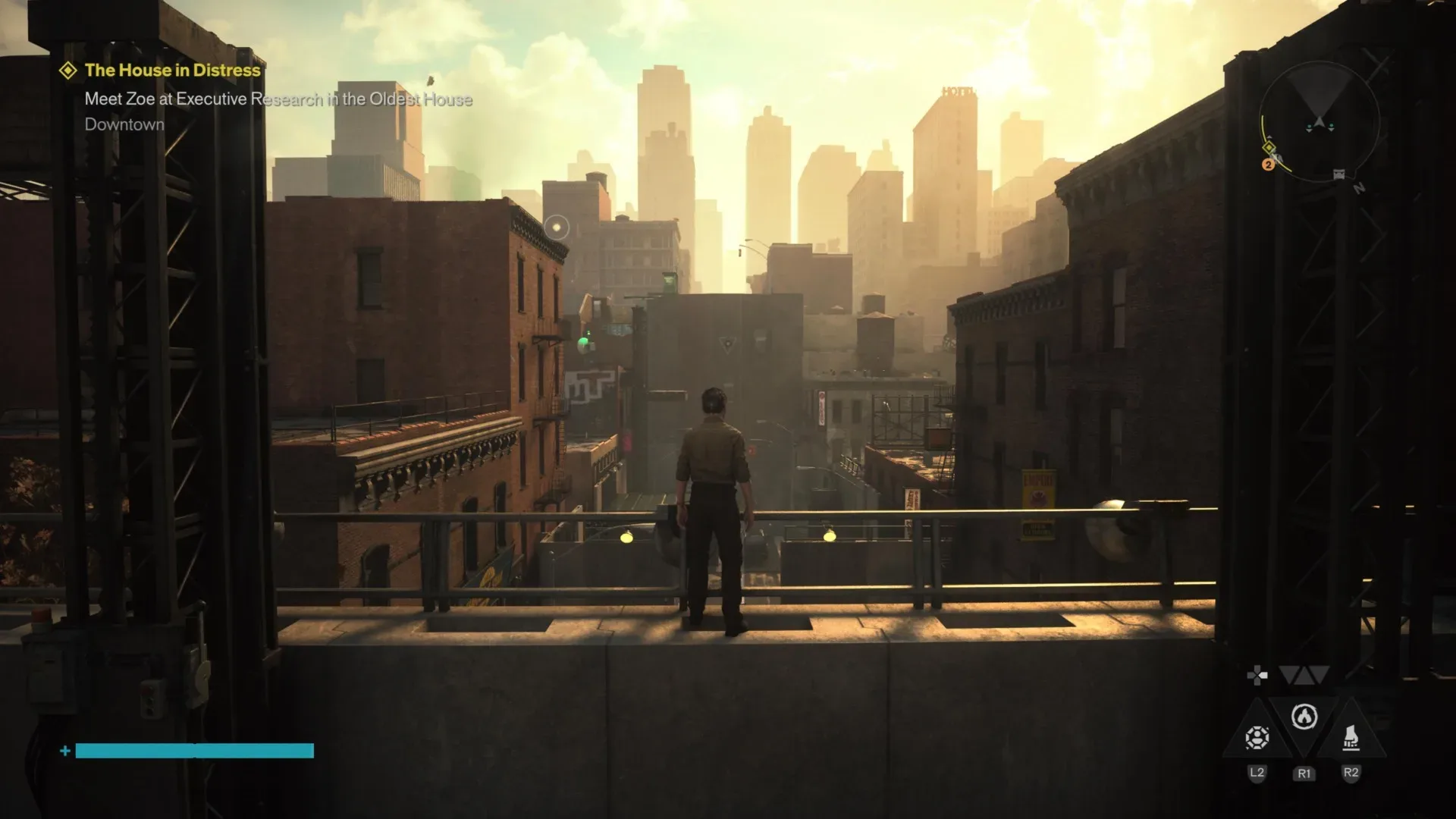
For a broader look at how a different supernatural game can use place and character change as a narrative opportunity, see our take on why Control Resonant needed to leave the Oldest House to tell Dylan Faden’s story.
Platform availability and the decision point
Heartworm’s original PC release is now joined by versions for current and previous PlayStation and Xbox hardware, plus both listed Switch platforms. That breadth matters for a game whose appeal is tied partly to a specific era of console horror: players can choose its retro presentation without needing retro hardware.
The clearest reason to play is the camera-led opening and its promise of short, sharp sessions through dark, strange places. The clearest reason to pass is equally straightforward: if your priority is a thoroughly modern reworking of survival horror, or a game that moves far away from the genre’s PS1 and early-2000s heritage, Heartworm’s deliberate nostalgia may not be the right kind of scare.
For everyone in between, the optional tank controls are an apt summary of the whole package. Heartworm wants to preserve the uneasy flavor of classic survival horror, but it does not insist that every player experience that flavor in exactly the same way.