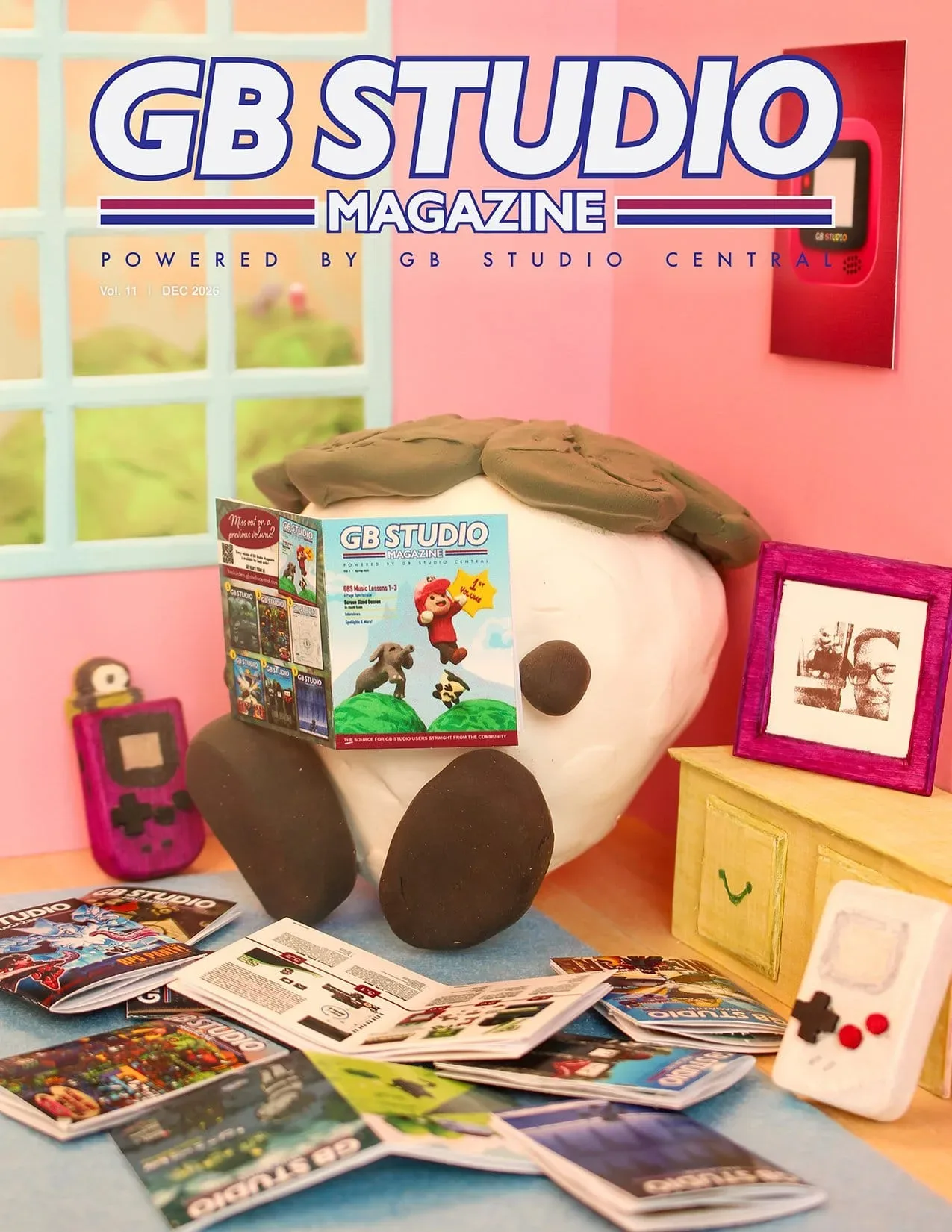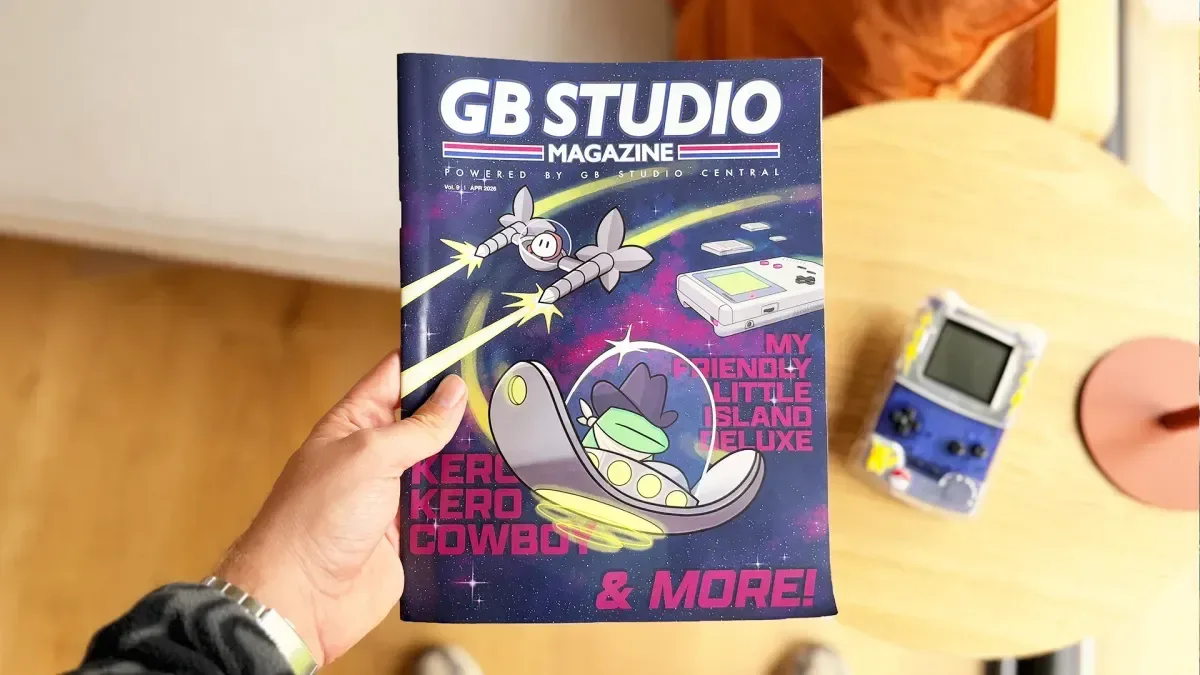
GB Studio Magazine is preparing Volume 11 as its final physical issue for the foreseeable future. The publication, focused on the community making and playing new Game Boy software, began in mid-2023. Its team says the immediate plan is to ship the new volume at the end of the year, then either stop print production or reassess how the project could continue in a sustainable and enjoyable form.
That wording matters. Volume 11 is presented as the last issue under the current arrangement, rather than an irrevocable promise that the magazine can never return. The team has not laid out a replacement format, release schedule, or new production model. What is clear is that this edition is intended to mark both the magazine’s work so far and the broader future of GB Studio and its users.
What is changing for the magazine
The decision follows a staffing change, with a key team member leaving for other opportunities. The remaining core team says it can maintain operations, but determining who will absorb responsibilities will take time. It also described the workload as substantial and finding a replacement as difficult.
“While we do have some revenue from our magazine and site ads, the reality is the majority of folks in our team volunteer their time to keep this site going, with minimal compensation. Managing it all is a big undertaking, so finding a replacement is no simple task.”
That is a familiar pressure point for small enthusiast publications, but it is particularly visible here because the magazine is a physical product. A print run requires more than writing and layout: somebody must coordinate production, handle orders, organise shipping and customer support, manage stock, and make sure the financial side adds up. Advertising and magazine sales can help, but they do not automatically turn a labour-intensive operation into paid work for every contributor.
The team’s explanation does not suggest that interest in Game Boy development has disappeared. Instead, the problem described is viability: the amount of ongoing work required is not adequately compensated in the current setup. A niche can be lively, creative and full of participants while still struggling to support a printed periodical made by a small group.
Volume 11 is being framed as a special issue
Rather than treating the planned pause as a quiet final shipment, GB Studio Magazine is building Volume 11 around a retrospective and forward-looking theme. Most of its material is expected to be exclusive to the printed issue rather than previously published on its website or elsewhere. The announced contents include an in-depth interview with GB Studio creator Chris Maltby.
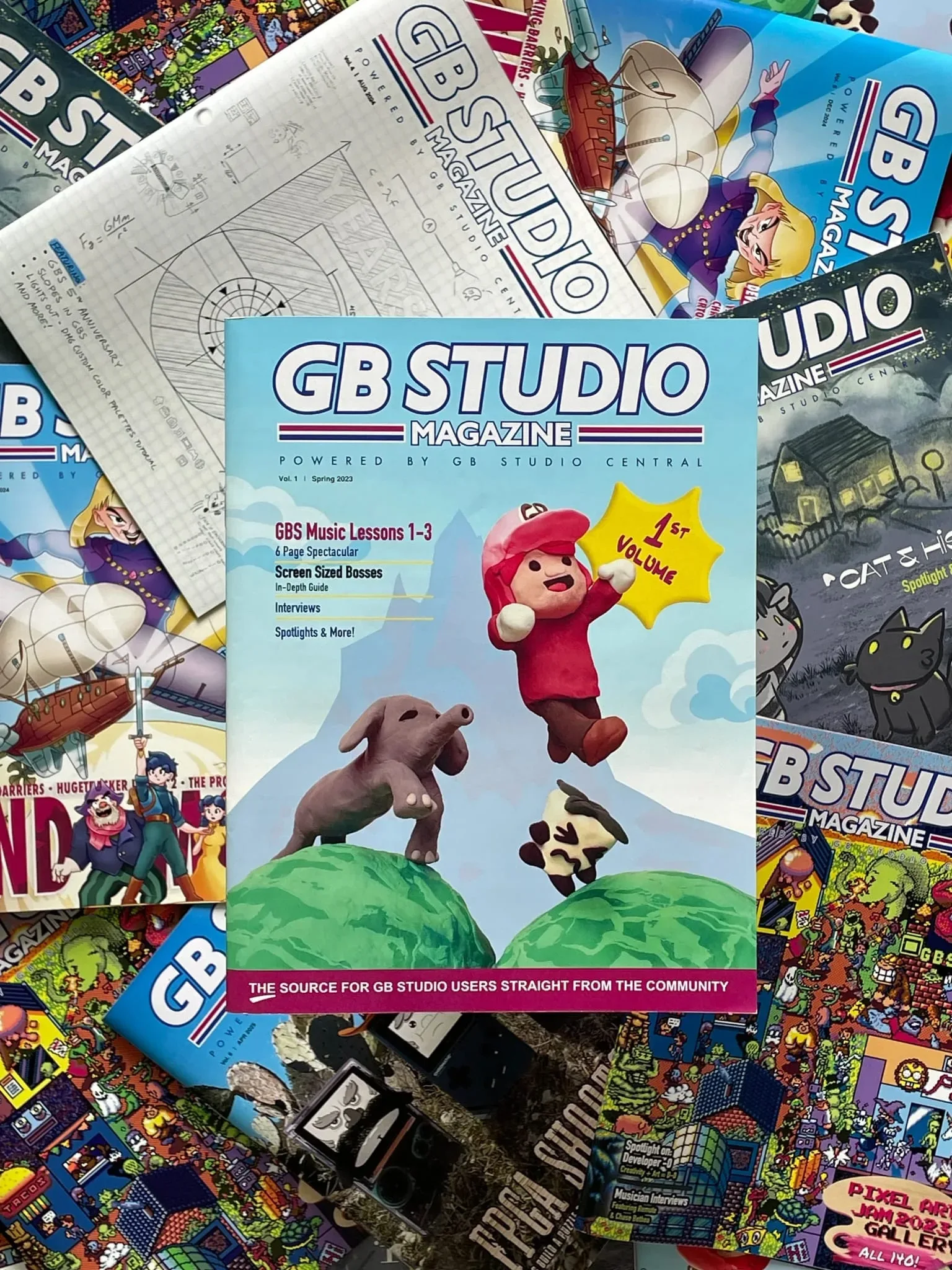
Subscribers are also set to receive a fold-in cover poster. It is double-sided, with the Volume 11 cover on one side and the first issue’s cover on the reverse. The choice deliberately calls back to the extras that accompanied older games magazines, while connecting the publication’s latest volume to where it began.
Related coverage includes GB Studio Magazine Plans Final Physical Issue With Volume 11.
- Final physical issue for now: Volume 11 is planned to be the last print edition while the team considers its next step.
- Shipping window: The issue is expected to ship at the end of the year.
- Exclusive editorial: Most of the issue’s content is intended to be unavailable on the website and elsewhere.
- Creator interview: Chris Maltby, who created GB Studio, is scheduled to appear in an in-depth interview.
- Subscriber extra: A two-sided fold-in cover poster is planned, pairing the new cover with the cover of Issue 1.
A copy is listed at $15 through GB Studio Central. Previous issues are expected to be discounted in 2027 as remaining back-catalogue stock is sold, although that should not be mistaken for confirmation of a full archival reprint or an ongoing print program. The stated intention is to move existing units.
Why GB Studio is central to the story
GB Studio is game-development software built around making Game Boy games. Its importance to this magazine is not merely branding. The tool gives people a route into retro-styled game creation through accessible, drag-and-drop workflows, lowering the technical barrier for creators who may not be ready to begin with conventional programming.
Drag-and-drop describes an interface where creators place and connect elements visually instead of entering every instruction as code. That does not mean game development becomes effortless: games still need ideas, artwork, level design, rules, testing and revision. But an approachable workflow can help users focus first on learning the building blocks of a game and turning concepts into playable projects.
The magazine’s niche follows naturally from that ecosystem. A tool can enable creators to make work; a community publication can document the work, share artwork and opinions, and give individual projects a physical place to be seen. In this case, the print magazine has acted as more than a product catalogue. It has been part of a conversation around contemporary games made for, or inspired by, the Game Boy format.
That distinction is worth making when discussing retro gaming. Interest in older hardware is sometimes reduced to nostalgia, collecting, or revisiting commercial classics. GB Studio represents another side of the scene: people using an old platform’s visual language and constraints as a canvas for new work. The magazine’s planned celebration of both GB Studio and its own history reflects that overlap between software tool, creators and readers.
What a print pause means—and what it does not
The announced change is a meaningful loss for readers who value physical gaming media. A magazine is a deliberately finite object: an issue groups work from a moment in a community, gives it an editorial shape, and can be read without feeds, algorithms or platform changes deciding what appears next. The planned poster makes that physical identity even more explicit.
But the news should not be overstated. It does not establish that GB Studio itself is ending, that its community is shrinking, or that there will never be another magazine issue. The team has said its core members are capable of maintaining operations, while acknowledging that responsibilities and sustainability need to be worked out. The future format, if any, remains undecided.
It also does not mean digital community activity has ceased. The magazine’s own site remains part of the team’s operation, and the reference to continuing site advertising indicates an online presence still exists. The specific uncertainty concerns the physical magazine and the labour required to produce it.
Readers watching the broader games-media landscape may recognise the tension. Physical magazines have persistent appeal, especially in communities where art, manuals, box design and tangible objects matter. Yet their strengths can also make them demanding to maintain. Editorial work must meet the logistics of manufacturing and fulfilment, often with little room for a small volunteer-led team to absorb disruption.
The contrast with wider games coverage is stark. New independent reporting ventures continue to emerge, including Vertical Slice’s launch as an independent games trade publication, but a physical specialist magazine faces a different set of practical obligations from a web-first publication. Neither model is automatically easier; they simply place their costs, risks and daily tasks in different places.
Why Volume 11 may matter to readers
For regular readers, Volume 11 is likely to be the clearest opportunity to support the current print effort while receiving an issue designed as a milestone. The exclusive material and Maltby interview give it a purpose beyond being one more regular instalment, and the poster provides a physical link between the publication’s first and eleventh covers.
For creators using GB Studio, the issue may also serve as a snapshot of what the tool and its community have achieved since the magazine began in 2023. That is not the same as a complete history of Game Boy homebrew, nor is it a guarantee about the platform’s direction. It is, however, a dedicated record assembled by people invested in that particular creative scene.
For anyone considering a purchase, the practical point is simple: the $15 Volume 11 listing is the identified route to the planned final issue, and it is due to ship at year’s end. Potential buyers should distinguish that confirmed plan from the less certain prospect of what follows. A return in another form is possible because the team says it will reconsider the project, but no future magazine model has been announced.
A small publication facing a very real production problem
The most significant part of the announcement may be its candour. A community project can look healthy from the outside—new games appear, artists share work, readers respond warmly—while the people doing the operational work are stretched thin. Enthusiasm is essential, but it cannot by itself solve the questions of compensation, staffing and time.
GB Studio Magazine’s Volume 11 will therefore function as both a celebration and a pause point. It is set to honour the work enabled by GB Studio, include material created specifically for print, and look ahead through an interview with the tool’s creator. At the same time, it acknowledges that a physical magazine cannot be sustained indefinitely on goodwill alone.
Whether the publication eventually returns in print, changes approach, or ends with this volume remains unresolved. For now, the solid facts are narrower: Volume 11 is in production, it is intended to ship at the end of the year, it is being made special for subscribers and readers, and the team needs space to determine what a workable future looks like.