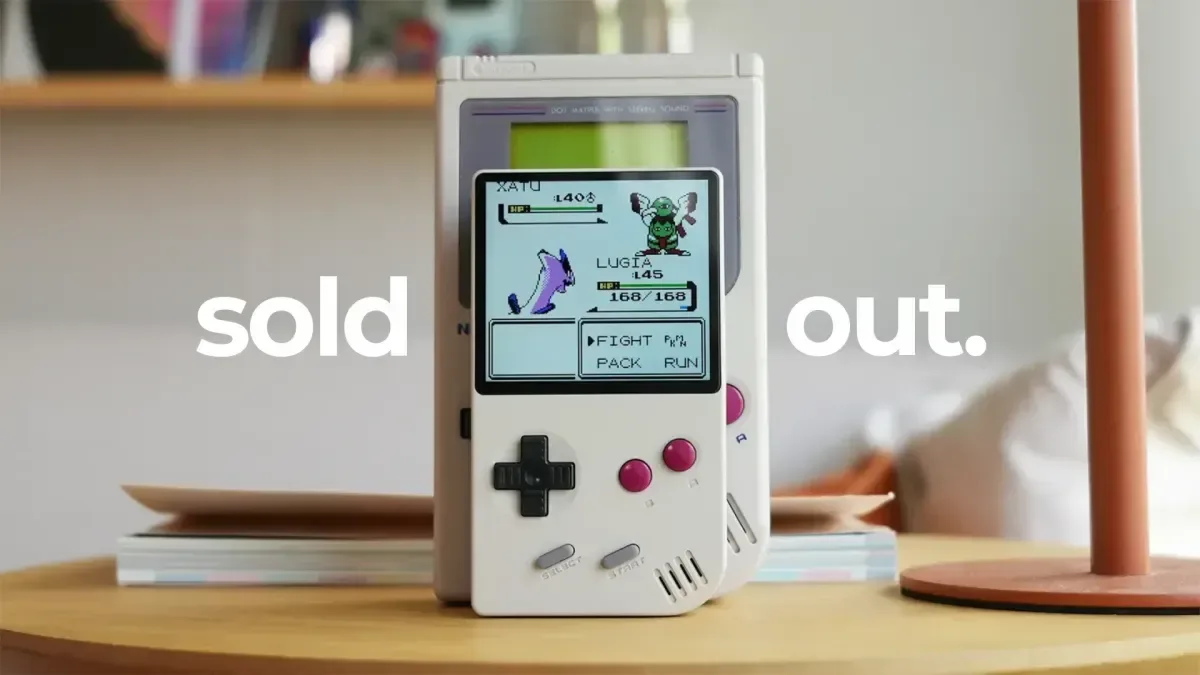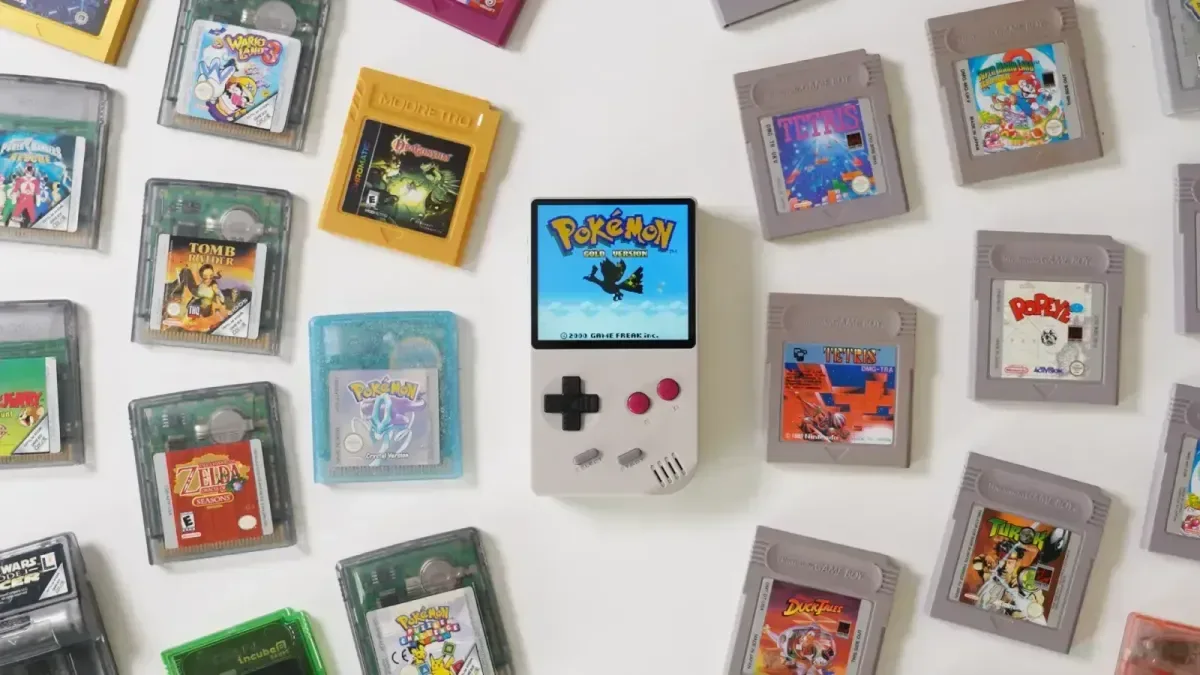
FunnyPlaying’s tiny FPGA handheld, the FPGB Mini, may receive another extremely limited release this week—but prospective buyers should temper their expectations. The company says only 20 units of remaining stock are planned and expects that allocation to be gone by Friday. At the same time, it says work is underway on an updated version shaped by customer feedback, though there is no specific date for that revision.
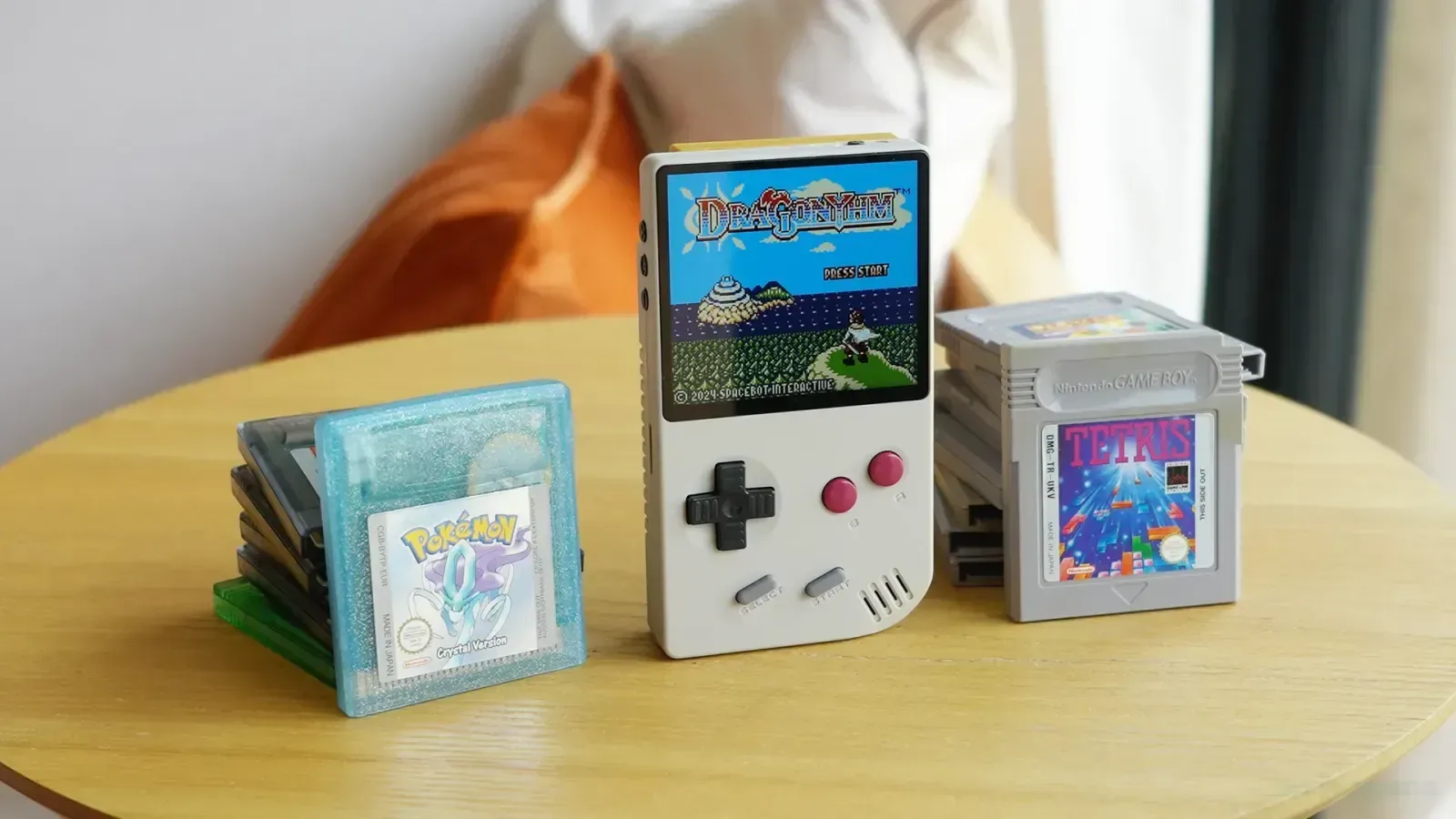
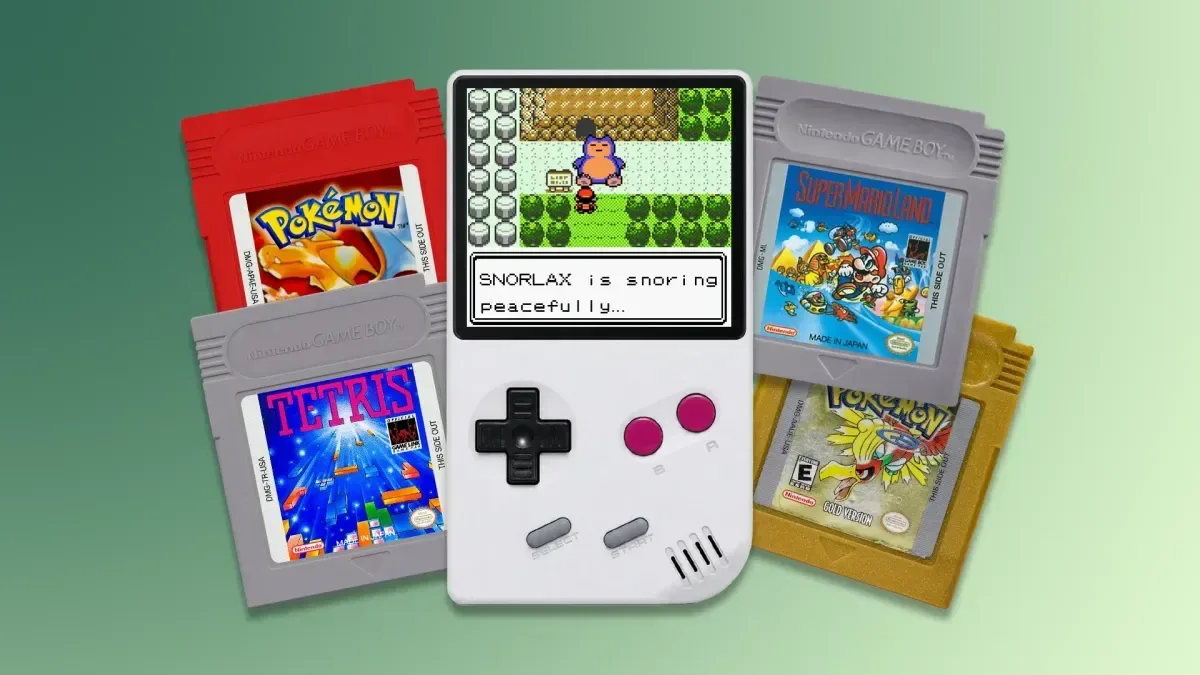
That creates an awkward but important split in the FPGB Mini story. The hardware is an appealing proposition on paper: a pocket-sized device built to run original Game Boy and Game Boy Color cartridges, with a 2.98-inch display described as offering pixel-perfect resolution. Yet the limited first production run and reports of hardware and compatibility problems mean this looks more like an early, tightly controlled release than a finished mass-market handheld.
What FunnyPlaying has said about the next FPGB Mini stock
FunnyPlaying’s position is straightforward, if not especially reassuring for people hoping to buy one soon. The company says the remaining stock is limited to 20 pieces and is expected to be sold out by Friday. It also says it is making improvements to a new version based on feedback from customers, but that the revised model’s release date is uncertain.
That wording matters. A planned 20-unit allocation is not the same thing as a clearly dated, broadly available restock. Buyers should not treat it as confirmation of a long-term supply pipeline, nor should they assume the units in this small allocation contain all of the changes intended for the later revision. The available information identifies them as remaining stock while separately referring to a new version in development.
The FPGB Mini’s initial run was also highly restricted. Only 40 units were made in the first batch, with limited pre-release access. FunnyPlaying had indicated that small quantities would let it identify and address issues before a larger public launch. The newly described 20-unit supply suggests that cautious approach is continuing rather than giving way to a conventional retail rollout.
Why the FPGB Mini has drawn attention
The appeal is easy to understand for players with original cartridges. The FPGB Mini is a miniature handheld designed around Game Boy and Game Boy Color software, rather than a general-purpose portable that merely includes those systems among a huge list of emulated platforms. It is intended to accept the physical cartridges themselves, and its small form factor is central to its pitch.
Its underlying technology is FPGA, short for field-programmable gate array. In this context, FPGA hardware is configured to reproduce a system’s digital logic in hardware. That differs conceptually from software emulation, where a program running on one processor imitates another machine. Neither label automatically guarantees flawless results, but FPGA is meaningful to cartridge users because the goal is close behavioral reproduction of the original platform while retaining the tactile, physical experience of using their own games.
“Pixel-perfect resolution” refers to the display being able to present the original games’ pixels cleanly and evenly, without uneven scaling that can make pixel art look blurry or distorted. For Game Boy-era games, whose artwork was designed around discrete, visible pixels, that can be a major visual advantage. The 2.98-inch screen is also unusually compact, reinforcing that the FPGB Mini is aimed at portability rather than a large-screen reinterpretation of the hardware.
Related coverage includes FPGB Mini Restock Expected This Week, With Only 20 Units Planned.
There is another practical reason the device has attracted attention: its reported $69 price point. If maintained in a larger release, it would place the device below some competing premium FPGA-oriented handhelds. But a low listed price is useful only if the hardware is reliable, compatible with the cartridges players own, and available in quantities that ordinary customers can actually purchase.
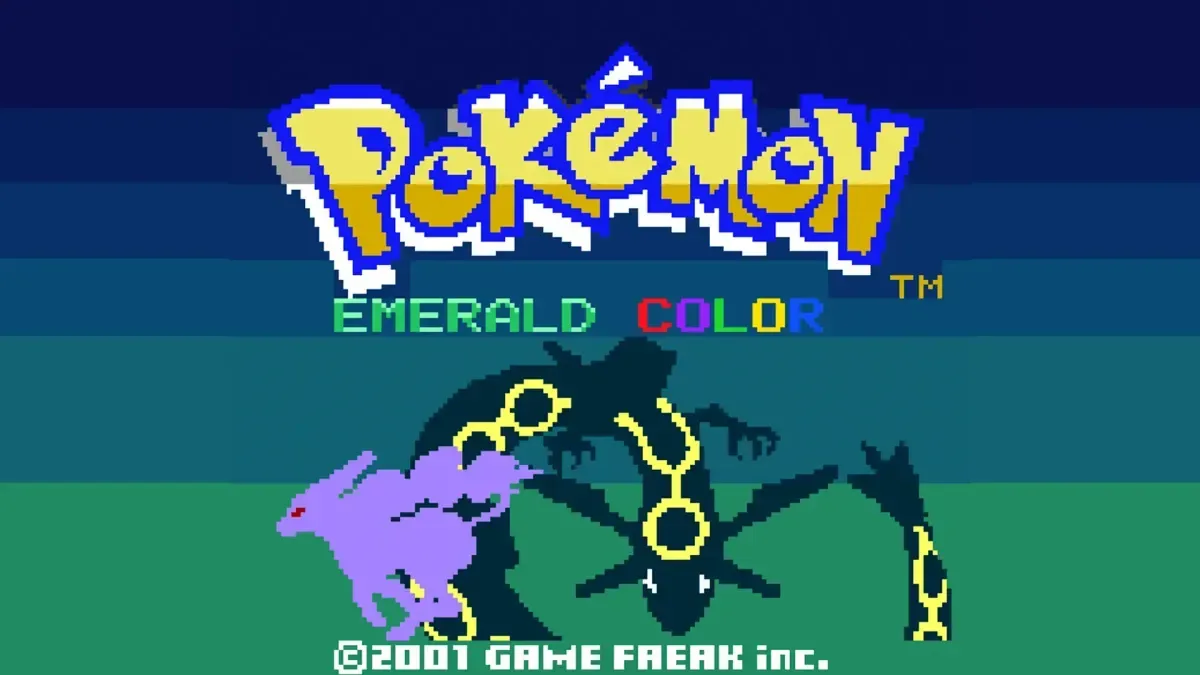
Game Boy and Game Boy Color cartridge ownership remains a particularly tangible part of retro gaming. The device is not simply an abstract way to access a library; cartridge size, shell shape and onboard features can affect whether a title works as expected. That is why physical compatibility problems are more consequential here than a minor menu inconvenience on a software-only portable. For related Game Boy Color-era news, see our look at the Pokémon Emerald Color demake project.
Reported problems explain the cautious rollout
The limited numbers are particularly notable because reports from the initial hardware identified several serious concerns. The menu button was reported to have broken off. On this device, that is not a cosmetic flaw: it reportedly prevented access to settings and the ability to save games while playing cartridges. A control that performs essential system functions has to withstand regular use, so a failure there directly undermines the purpose of a portable built for long-term cartridge play.
There were also reports that the cartridge slot was too small for rumble cartridges. Rumble cartridges include additional hardware that makes the cartridge physically larger than a standard Game Boy or Game Boy Color cart. If a handheld cannot accommodate that form factor, a user may be unable to use affected games at all, regardless of whether the internal FPGA implementation is otherwise accurate.
Finally, some games were reported to glitch or behave incorrectly. The specific titles and exact failure patterns have not been detailed in the available information, so it would be premature to characterize the issue as universal incompatibility. Still, even a limited set of problem cartridges is significant for a system whose chief attraction is native use of an existing physical library. People considering the current allocation should assume that compatibility remains an open question until FunnyPlaying identifies the cause and communicates what has changed.
What a revised model needs to address
FunnyPlaying has not supplied a changelog or committed timetable for the new version. As a result, it is unknown whether the revision will alter the button construction, cartridge-slot dimensions, system software, FPGA configuration, or some combination of those elements. Those distinctions are important because the remedies would be different.
- Button durability is a hardware and assembly concern. An improved revision would need a dependable physical solution for a control required for settings and saving.
- Rumble-cartridge fit is primarily a mechanical compatibility concern. The cartridge opening and surrounding clearance must accommodate supported cartridge shapes without placing undue stress on the shell or connectors.
- Game glitches may involve firmware, FPGA logic, cartridge communication or other behavior that requires testing across a wider range of software.
- Clearer communication is its own need. A future release would benefit from an explicit compatibility statement, a description of known limitations and confirmation of what has been corrected from the first units.
These are not interchangeable issues, and a new production run alone does not establish that they have been solved. The encouraging part is that FunnyPlaying explicitly acknowledges customer-feedback-driven improvements. The less encouraging part is that no release window has been offered, making it impossible to know how far along the revision is.
Practical implications for cartridge players
For someone interested in the 20-unit allocation, the decision comes down to tolerance for early hardware. The present information supports viewing the FPGB Mini as a limited, potentially unfinished product rather than a settled recommendation for every Game Boy and Game Boy Color cartridge owner. Its size, display and FPGA focus may be compelling, but the reported failures are tied to core functions: entering menus, saving games, fitting some carts and reliably running software.
People with rumble-enabled cartridges have an especially clear reason to wait for confirmation of a physical redesign. Likewise, players who intend to use the device for longer role-playing games or any title where saving is essential should take the menu-button report seriously. A portable’s value is not merely whether it can boot a cartridge; it must also provide dependable controls and support the basic routines players need during normal use.
For everyone else, the uncertain schedule creates a familiar early-adopter trade-off. The tiny batch could disappear quickly, but scarcity is not proof that the current hardware is the best version to own. With FunnyPlaying itself pointing to a revised model, waiting may provide better information about compatibility and build quality—even though no one can currently say when that chance will arrive.
A promising idea still in its proving phase
The FPGB Mini has a distinct identity: a very small FPGA handheld for real Game Boy and Game Boy Color cartridges, built around a bright 2.98-inch screen and a notably low reported price. Those qualities explain the interest despite its constrained launch. They also raise the stakes for the fixes FunnyPlaying says it is pursuing.
The immediate news is not a broad return to availability. It is a narrow 20-unit supply expected to sell out by Friday, followed by an undefined wait for a revised version. Until FunnyPlaying details the changes and confirms a date, the safer reading is that the FPGB Mini remains a promising work in progress—one with an attractive concept, but with key durability, fit and compatibility questions still to answer.