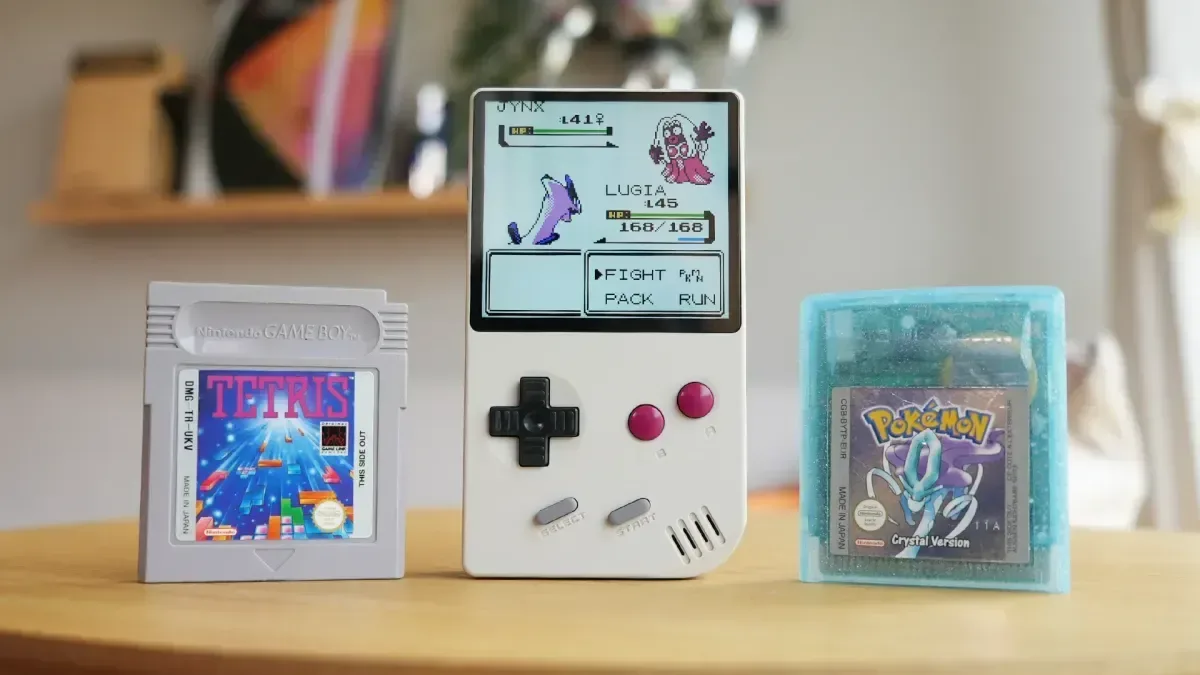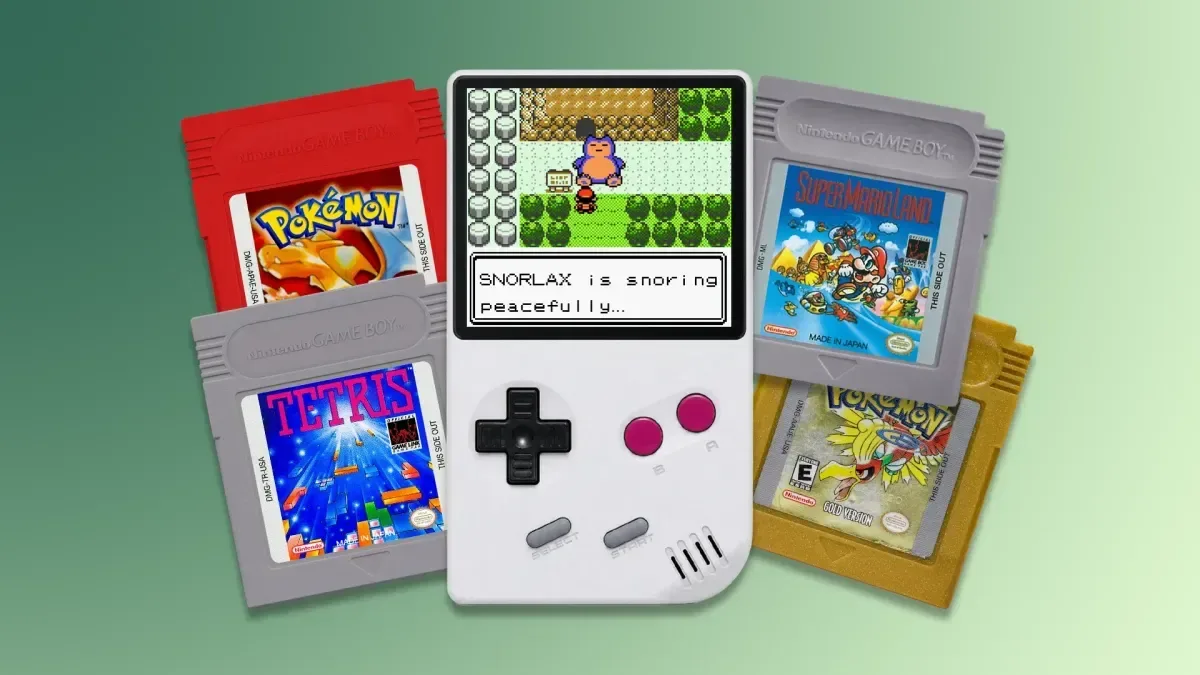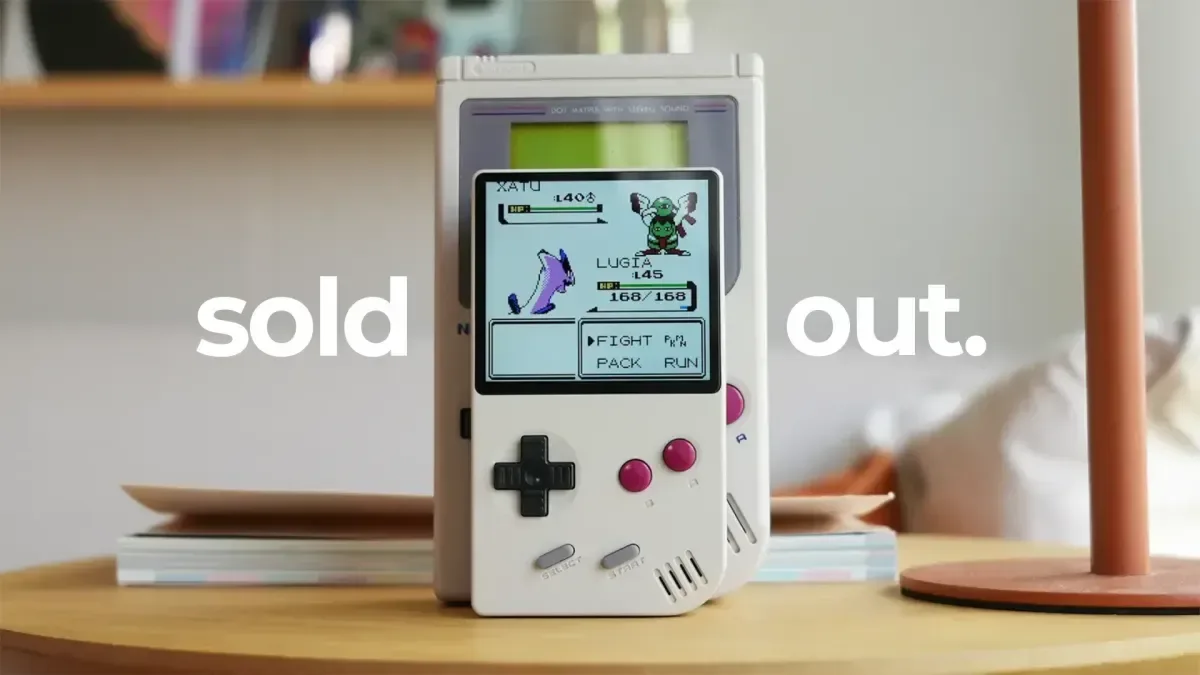
The FPGB Mini has attracted the kind of attention that makes a tiny handheld feel even smaller: its initial worldwide allocation was just 20 units, and those reportedly disappeared in under 10 minutes. Now there is a tentative sign of a second chance for players who want a pocketable system for Game Boy and Game Boy Color cartridges. The important word, however, is tentative.
FunnyPlaying has indicated that additional FPGB Mini systems may be sold after an approaching National Holiday, while the product listing carries a “wait for 20 days” message. The company also indicated that roughly 30 to 50 consoles remain to be sold after that holiday. That means the prospective restock sounds much closer than an open-ended manufacturing delay, but it does not sound like a broad retail rollout either.
For anyone who missed the first 20 systems, the practical takeaway is simple: do not treat “20 days” as a guaranteed public release appointment, and do not assume a return to stock will last long. It is best understood as an approximate window attached to a very limited number of units.
Why the FPGB Mini stock situation is still uncertain
FunnyPlaying’s explanation combines two separate factors. First, the company says there are issues that still need improvement. Second, it points to the upcoming National Holiday as a reason that the remaining consoles cannot be sold until afterward.
“Since there are still some issues, we need to make some improvements. Moreover, we are approaching a National Holiday soon, and there are still 30-50 consoles that can only be sold after the holiday.”
That statement is encouraging in one respect: the company is not presenting the first batch as the final run. At the same time, it is a reminder that the hardware is not yet in a settled, high-volume phase. A restock can therefore mean several things at once: remaining units becoming available, changes being made before later production, and continuing uncertainty over precisely when future batches will arrive.
There is no confirmed larger production figure, fixed preorder date, or stated schedule for recurring drops. The 30–50-unit figure should not be inflated into a promise of a major replenishment. It refers to the consoles the company says can only be sold after the holiday, not an announced long-term total.
What the FPGB Mini is aiming to be
The FPGB Mini is a compact retro handheld from FunnyPlaying designed to play original Game Boy and Game Boy Color cartridges. Its appeal is straightforward: it is aimed at people who want to use a physical cartridge library on a modern, highly portable device rather than leave those carts sitting on a shelf.
Related coverage includes FPGB Mini Restock May Arrive in 20 Days, but Supply Will Be Limited.
The product is described as an FPGA handheld. In this context, FPGA is a label for the hardware approach used by the device, and it is one reason the Mini has drawn interest among enthusiasts of cartridge-based portable gaming. But it is important not to turn that label into a blanket promise that every cart and accessory will behave perfectly. Compatibility is determined in practice by physical fit, controls, power behavior, and other hardware details—not solely by the presence of an FPGA in the product description.
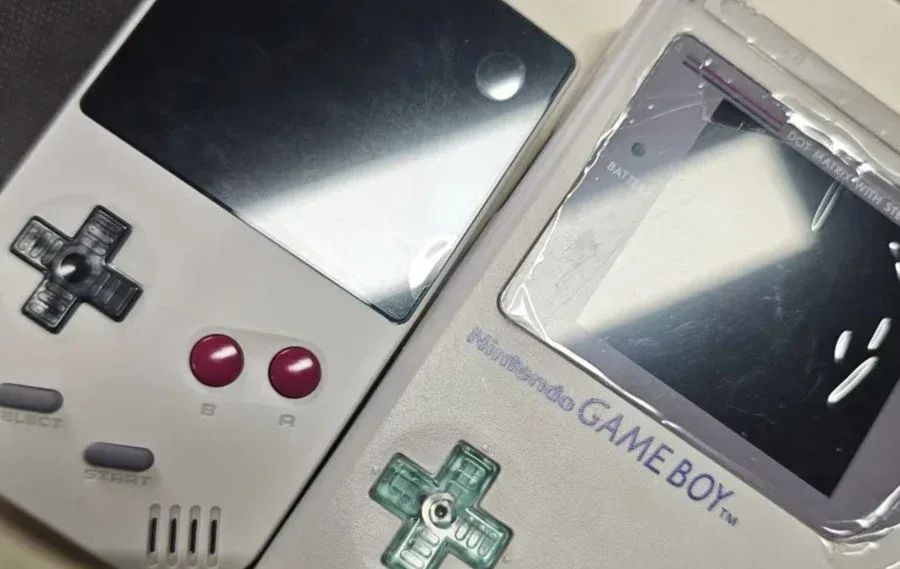
That distinction matters here because early observations have already identified limitations. Game Boy rumble cartridges reportedly do not fit in the unit, and the on/off switch has been described as unreliable. Those are meaningful caveats for prospective buyers, particularly collectors and players who expect a small handheld to accommodate the full range of cartridges they already own.
A cartridge that does not physically fit is not a minor footnote. It can make a favorite game or accessory unusable with the handheld even if the system otherwise supports its platform. Likewise, an inconsistent power switch affects a basic part of everyday use. These are exactly the sorts of concerns that warrant improvement before production scales up.
Limited drops put the burden on buyers
The initial sale illustrated the problem with a launch measured in dozens rather than thousands. With only 20 systems available globally, a product can sell through before most interested players even know the listing is live. That setup naturally favors the people who are already monitoring the manufacturer closely and happen to be online at the right time.
For enthusiasts, scarcity can create excitement. For a device intended to play widely owned Game Boy and Game Boy Color cartridges, though, scarcity also undercuts the convenience at the center of the pitch. A handheld that is easy to carry but difficult to buy becomes a frustrating proposition for people who simply want a practical way to enjoy their own games.
A clearly scheduled preorder period would reduce that pressure, but no such plan has been confirmed. Until FunnyPlaying publishes a specific sale time or a larger production commitment, prospective buyers should plan around uncertainty rather than expectation. Watching the official product listing for changes is more sensible than relying on an exact countdown from the “wait for 20 days” wording.
The wider conversation around physical gaming has increasingly involved questions of access as well as ownership. A cartridge may remain in someone’s collection for decades, but the hardware used to play it can become the difficult part to obtain or maintain. That tension is also explored in the changing meaning of a physical game. The FPGB Mini is a very small example of that bigger issue: the cartridges are physical, but a desirable modern way to use them may be subject to constrained supply.
Potential upgrades and colors remain possibilities, not commitments
FunnyPlaying has also said it intends to continue selling the FPGB Mini and that an upgrade is possible. It has further indicated that new colors may be added in response to market feedback. Those comments leave the door open for the device to evolve after its initial batches.
Still, “possibility” is the operative term. There is no announced revision, no list of planned changes, no confirmed color lineup, and no timetable for either. It would be premature to delay a purchase in expectation of a particular upgraded model—or to assume that the current rumble-cartridge fit and switch concerns will be addressed in the immediate post-holiday allocation.
For buyers, this creates a familiar early-adopter calculation. The appeal of getting a compact cartridge handheld now has to be weighed against the possibility that later hardware may be improved, differently colored, or easier to buy. Because the company has acknowledged that improvements are needed, waiting may be a reasonable choice for players who value a more mature version over getting into the first limited runs.
What to watch before attempting to buy
- A specific sale time: The current “20 days” wording is an approximate signal, not a confirmed hour for checkout.
- Confirmation of quantity: The stated 30–50 consoles are a small allocation, so availability may remain extremely brief.
- Whether improvements are detailed: FunnyPlaying has said work is needed, but it has not specified what will change or which batch will receive changes.
- Cartridge compatibility priorities: Owners of rumble cartridges should factor in the reported fit issue before chasing scarce stock.
- Power-switch updates: A reliable on/off control is fundamental, making any clarification on this issue particularly relevant.
The FPGB Mini’s next restock may provide a limited opportunity rather than a true normalization of supply. The encouraging part is that FunnyPlaying says it will keep selling the handheld and is considering upgrades and additional colors. The caution is that the near-term batch appears small, the timing is only approximate, and known hardware concerns have not yet been tied to a confirmed fix.
In short, the device remains promising for Game Boy and Game Boy Color cartridge fans, but its availability and early-state caveats should be treated as central facts—not details to discover after rushing through a checkout page.