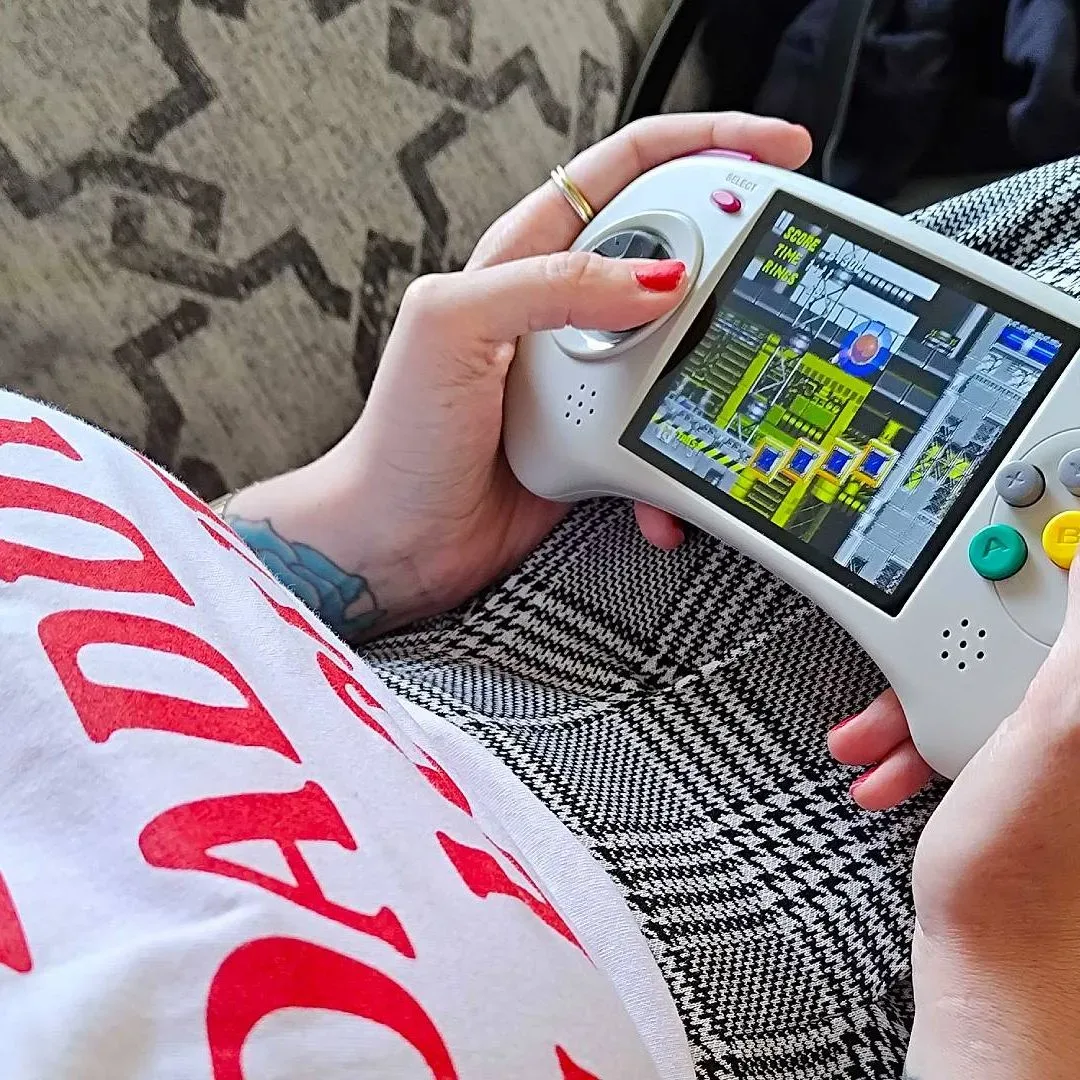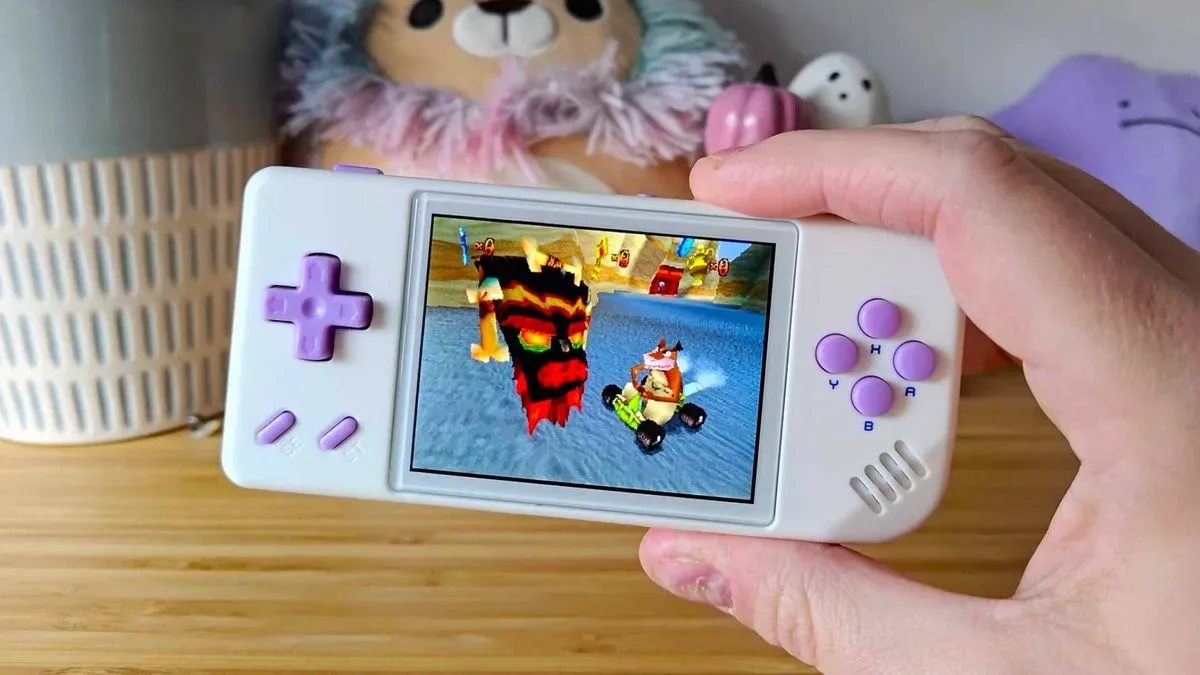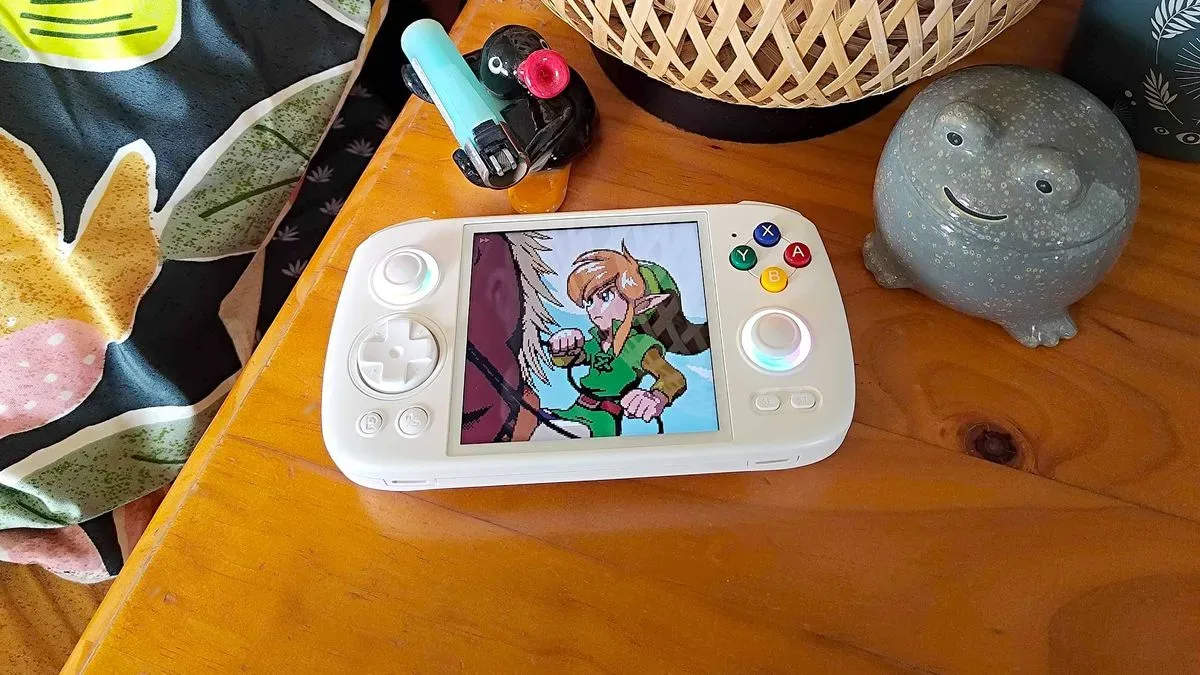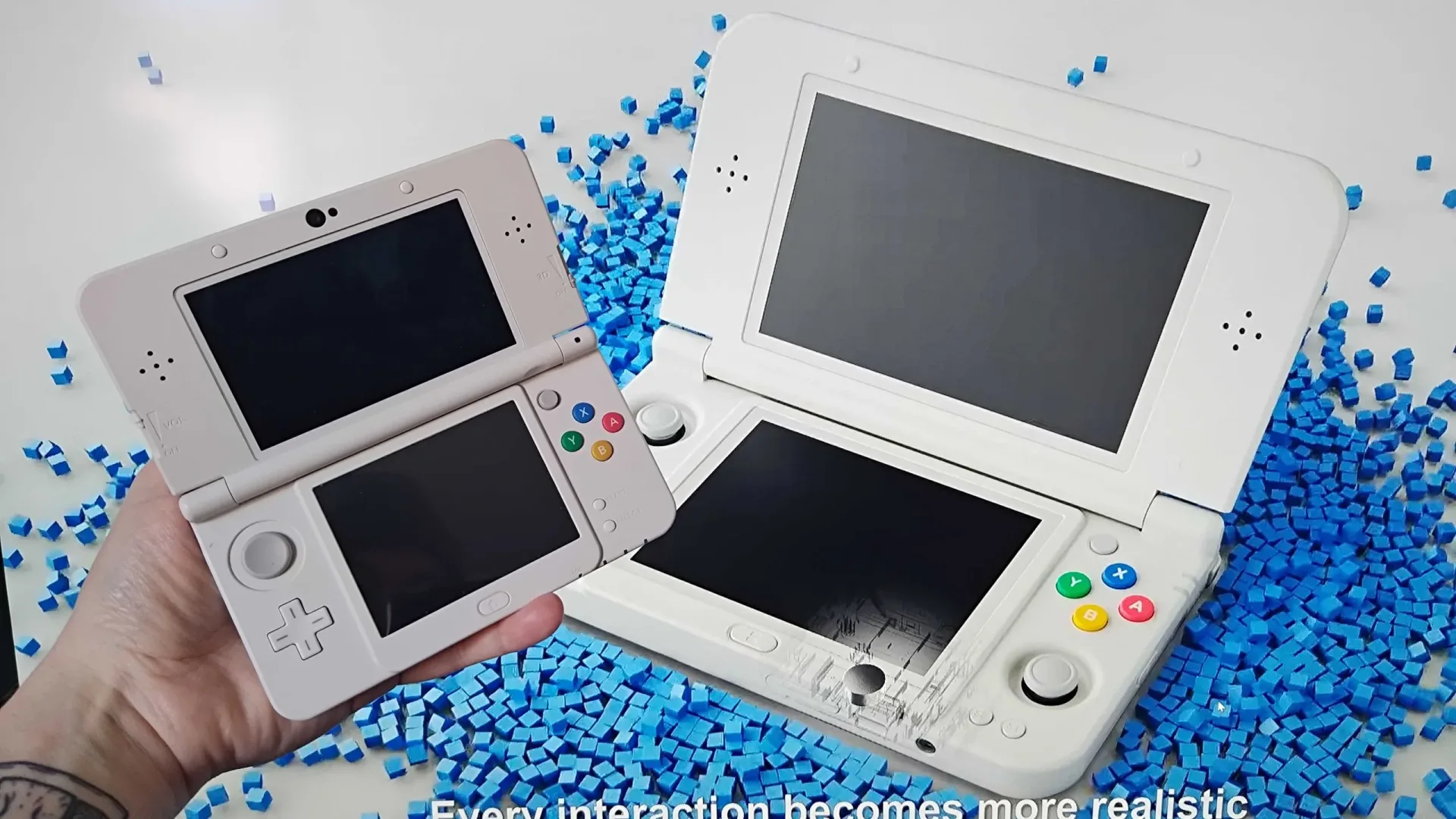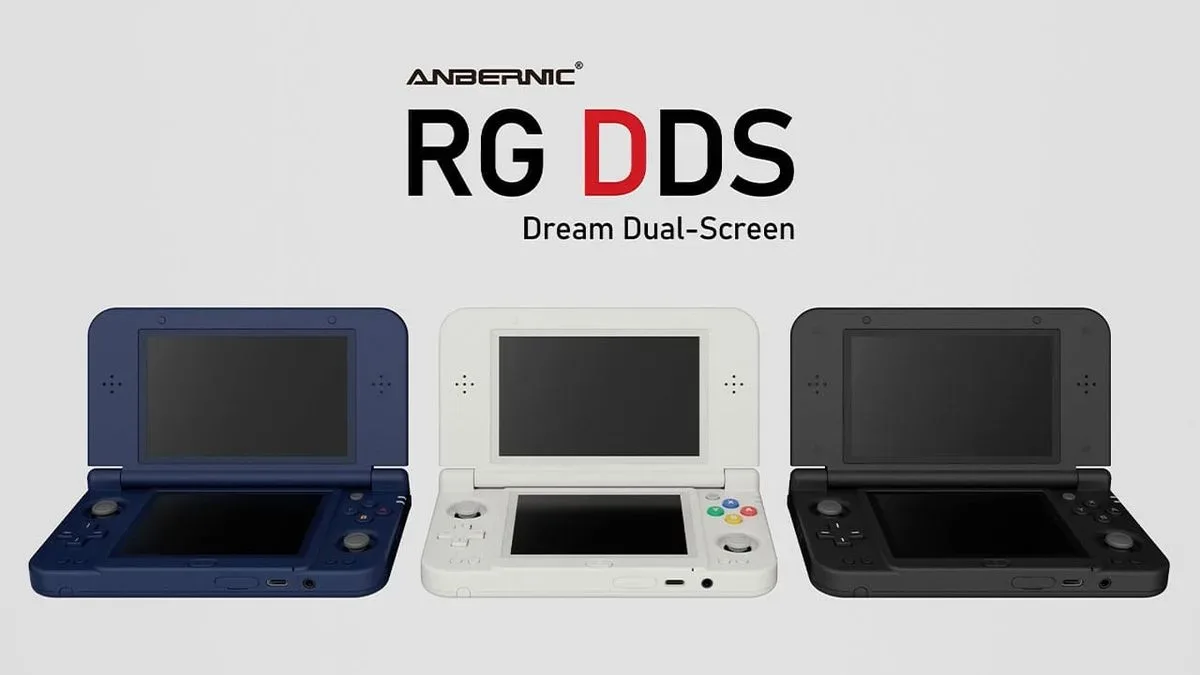
The Entertainment Software Association has reportedly urged the US government to consider “plug-and-play” emulation consoles and handhelds for the Notorious Markets List, a designation aimed at marketplaces, sites, and sellers connected to piracy or counterfeit goods. Its concern is straightforward: devices sold with a microSD card or internal storage packed with unauthorized games turn a piece of hardware into an instant piracy catalogue.
That is a real distinction worth making. A handheld sold with thousands of copyrighted games already installed is not simply offering an empty machine with the capacity to run software. The preloaded library is often central to the listing’s appeal, and it removes the work, technical knowledge, and decision-making that otherwise stand between a buyer and unauthorized copies of games.
But the ESA’s framing also creates a problem. Its description of polished portable devices with color screens, retail-style packaging, online reviews, and familiar marketplace listings can encompass more than the no-name game sticks that blatantly advertise famous characters and impossible game counts. It can also describe established emulation-hardware makers whose devices are sold without games, only to be bundled with ROM-filled storage by unrelated storefronts.
That gap between making hardware and selling an infringing package is the issue that enforcement needs to keep sharply in view.
What the ESA is trying to target
In its submission, the ESA compares illicit plug-and-play consoles and handhelds to “superfakes”: products that present themselves like ordinary consumer electronics while concealing a substantial piracy operation in their included storage. The association says that some sellers also use protected titles, artwork, characters, logos, screenshots, or other identifying material without authorization in packaging, product interfaces, promotional material, and marketplace listings.
The term ROM is relevant here. In retro-gaming parlance, it generally refers to a digital game file used with an emulator. An emulator is software that reproduces enough of another platform’s behavior for software made for that platform to run. Neither word, by itself, establishes that a particular game file is authorized or unauthorized. The decisive allegation in this case is the commercial inclusion and promotion of unlicensed copies of copyrighted games.
Likewise, a handheld capable of running emulators is not necessarily sold as a piracy product. Hardware can be offered with no games at all, while separate sellers can add a storage card full of unauthorized material and market the resulting bundle as though the catalogue were a legitimate feature. The ESA’s own proposed remedies acknowledge why this distinction matters: they focus heavily on the library, the sellers, their storefronts, and the commercial chain that gets the device to a buyer.
The proposed enforcement steps point in the right direction
The strongest part of the proposal is its emphasis on concrete evidence and repeat commercial conduct rather than merely a handheld’s shape, operating system, or ability to emulate older systems. The association calls for action including:
Related coverage includes ESA Pushes for ROM-Loaded Retro Handhelds to Join Notorious Markets List.
- treating preloaded, unauthorized game catalogues as evidence of commercial-scale piracy;
- examining storage media included with a device or shipped separately;
- requiring sellers to show authorization for included games and protected branding;
- suspending repeat sellers and connected storefronts rather than only removing one listing at a time;
- keeping seller, payment, shipping, and advertising records for enforcement;
- improving customs attention on hardware and components associated with preloading operations; and
- coordinating against manufacturers, exporters, importers, fulfillment services, and online marketplaces that knowingly enable such sales.
Those measures concentrate on the actual behavior that makes a listing especially troubling: a seller offering a ready-to-play collection of works it has no right to distribute. They also recognize that simply deleting an individual product page may be ineffective if the same operator can reopen under another name, use a linked storefront, or sell the same loaded card separately from the device.
The attention to separately shipped media is especially important. A seller might present the hardware as a bare device while making the advertised catalogue available through a bundled or follow-up storage card. If enforcement only inspects the plastic shell and not the complete commercial package, it risks missing the element buyers were really being sold.
Why a blanket handheld label would be too broad
The ESA argues that an immediately usable game catalogue can divert spending away from authorized purchases, including individual games, compilations, subscriptions, remasters, and licensed retro hardware. That argument applies most directly when a seller makes unauthorized games part of a turnkey deal.
It becomes much less precise when aimed at device categories or brands in the abstract. A compact handheld that resembles a current portable console is not automatically an illicit product. Nor does a polished interface, a molded case, a color display, or a presence on a major marketplace prove that a particular manufacturer included or authorized a piracy library.
That point matters because the submission reportedly singles out Anbernic, while the underlying concern described here is often created by third-party listings that add ROMs. Anbernic, Retroid, Ayaneo, and Ayn are names associated with handheld hardware in this space, but the available account does not establish that all sellers offering their devices are operating on the same terms. A brand should not be treated as responsible for a ROM-loaded marketplace bundle merely because its hardware was used in it.
The risk is not merely semantic. Once the line between hardware production and illicit retail packaging is blurred, legitimate sellers of empty devices may face confusion, platform scrutiny, or reputational damage despite not providing copyrighted games. Meanwhile, the operators whose pages advertise “thousands of games” could simply pivot to a different shell, a different device name, or a separate card shipment.
Effective enforcement should therefore identify the responsible party as specifically as possible: the seller that advertised the library, the party that preloaded it, a marketplace that knowingly continues to host repeat offenders, or another participant shown to have knowingly facilitated that conduct. That is more defensible than treating every emulation-capable portable as though it arrived with the same unauthorized catalogue.
Hardware capability is not the same as a preloaded catalogue
The practical test should be simple in principle, even if it can be difficult to investigate: what exactly is being sold, and who supplied it? A device with no included copyrighted games is materially different from one promoted around a library of hundreds, thousands, or tens of thousands of games. The latter is the scenario the ESA says eliminates technical friction and turns piracy into an immediate consumer product.
This distinction also avoids a standard so expansive that it could implicate general-purpose devices. Smartphones, PCs, and products such as the Steam Deck OLED can run a broad range of software. Their capability does not itself show that their makers are distributing unauthorized game collections. Treating capability as guilt would not isolate the commercial conduct at issue; it would simply expand the net far beyond the sellers making infringing libraries a sales pitch.
There is no need to pretend the retro handheld market is free of bad actors. The account notes that ROM-loaded bundles have become common enough that even a low-cost Lenovo retro handheld was caught up in that practice. Shoppers can encounter listings that pair recognizable hardware with storage cards whose enormous catalogues plainly cannot be assumed to be licensed. Those are exactly the offers regulators, platforms, and rights holders have reason to examine closely.
But a response that works should not hand a free pass to deceptive sellers while assigning their conduct to unrelated manufacturers. The ESA’s most useful language is the language about preloaded unauthorized libraries, protected branding used without permission, repeat storefronts, records, and knowing facilitation. Those are observable commercial facts that can be investigated.
What buyers should take from the debate
For consumers, the discussion is a reminder to separate a handheld’s hardware from the bundle a marketplace seller is pitching. A conspicuously huge game count, a card advertised as ready to play, or product imagery built around familiar copyrighted characters should be treated as warning signs, not bonuses that somehow make the offer more legitimate.
Buyers looking for a portable for their own authorized software should pay close attention to whether the listing explicitly says what is included. If an offer is unclear about the storage card, game catalogue, or the seller behind the listing, that ambiguity matters. A lower price may reflect far more than a cheaper display or processor; it may be tied to unauthorized material being used to make the package appear unusually generous.
The debate also arrives at a time when retro access remains commercially relevant. Official re-releases, remasters, retro collections, subscription libraries, and licensed hardware are all part of the landscape the ESA says can be harmed by turnkey piracy. Meanwhile, preservation, personal libraries, and older technical formats make emulation a subject that needs more care than a broad label can provide. Even modern design conversations continue to draw on older games and systems, as seen in the discussion of how Skyrim’s Radiant Quest system grew from Fallout 3 experimentation.
A targeted approach is the credible one
The Notorious Markets List proposal could be useful if it deters and disrupts listings that use pirated game collections and copyrighted branding as their core commercial hook. It could encourage marketplaces to investigate the storage media that arrives with a device, follow repeat operators across linked accounts, and preserve records that make enforcement more meaningful than a one-listing takedown.
Its credibility depends on retaining that focus. A retro handheld is hardware; an unauthorized catalogue is content; a marketplace listing is a commercial act. They can be connected, but they are not interchangeable. The record described here supports strong scrutiny of sellers who preload, advertise, and profit from unauthorized libraries. It does not justify assuming that every maker of emulation-capable hardware is responsible for every third-party bundle built around it.
That is the line worth protecting. Go after the sellers turning copyrighted catalogues into a plug-and-play feature, and hold any company accountable where knowing participation can be shown. Do not let a campaign aimed at piracy become a blunt instrument against an entire category of retro-gaming hardware.