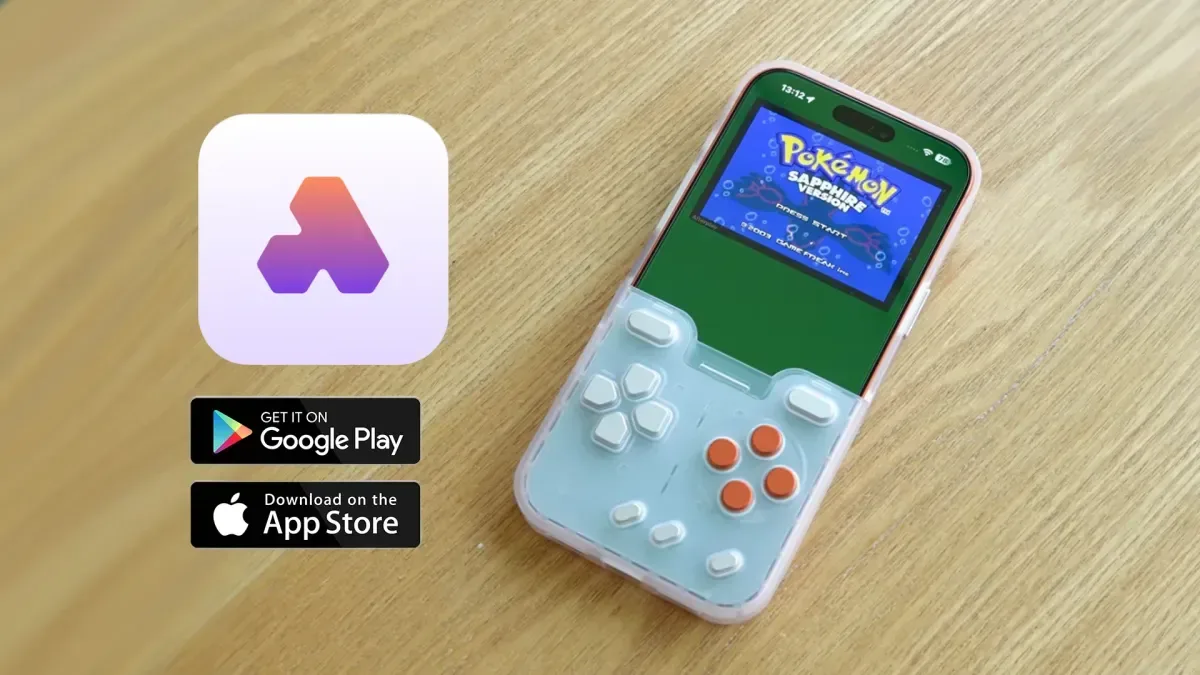
The Bleem name is returning to the retro-gaming conversation, this time attached not to a disc, a console workaround, or a giant all-purpose storefront, but to a mobile subscription service. Piko Interactive has revealed Bleemcast!, describing it as a streaming-style destination for classic games on iOS and Android devices. A beta is live now, though the current catalog is limited to Piko-published titles and the long-term ambitions are notably bigger than the library currently on offer.
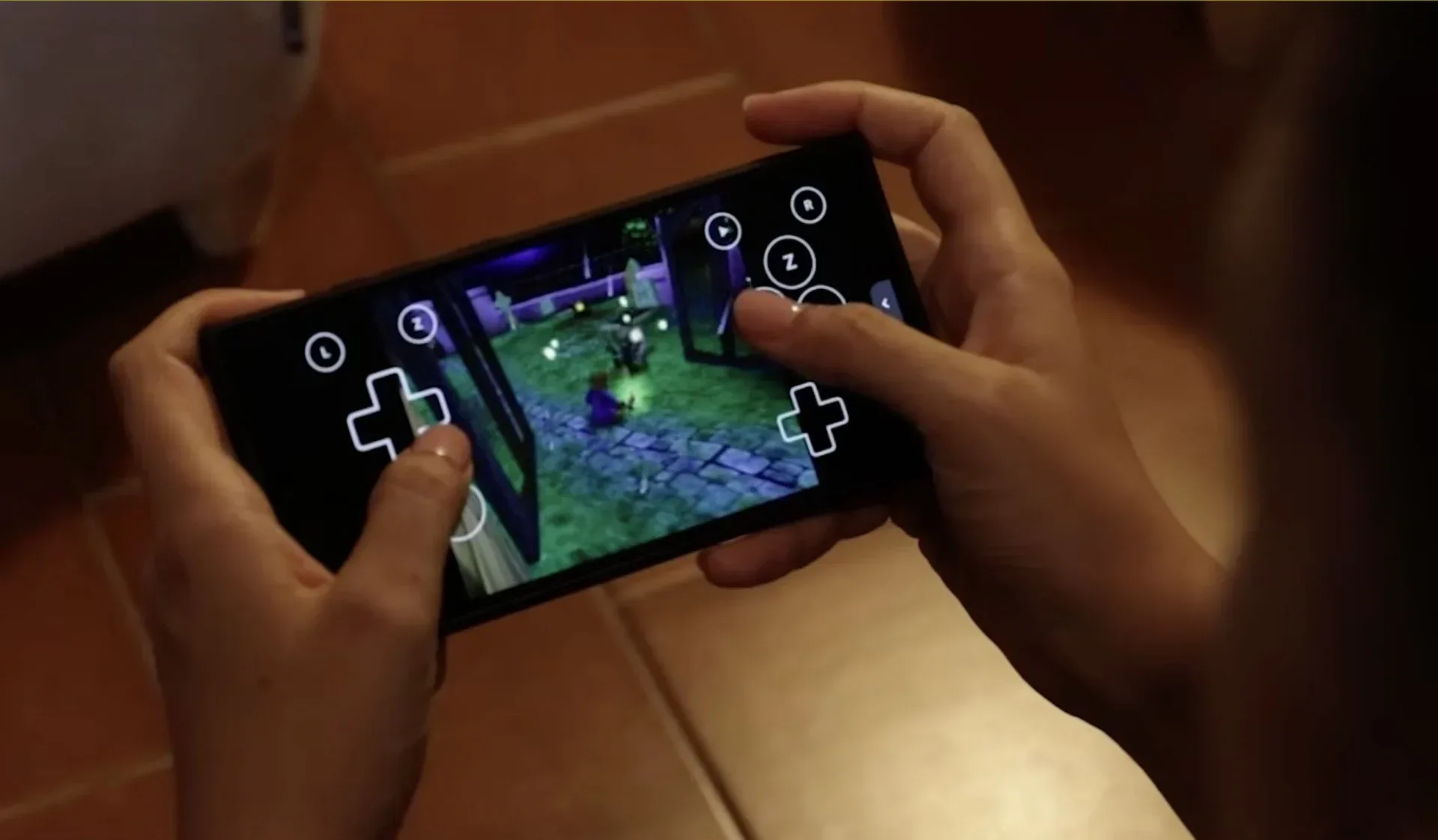
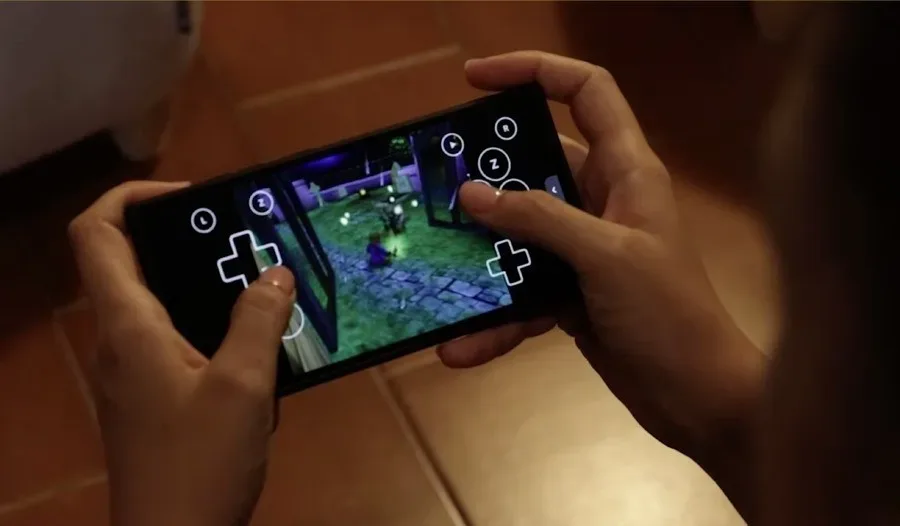
The pitch is straightforward in a way its earlier incarnation was not: put a growing group of retro games on a phone, let players start them quickly, and offer the ability to send the game to a monitor while using the phone as the controller. It is a familiar modern-service idea applied to older software, with the exclamation point apparently included at no extra monthly cost.
From Bleem.net’s broad pitch to a focused mobile service
Bleemcast! follows last year’s unsuccessful Kickstarter for Bleem.net. That proposed platform had a much wider scope. The plan encompassed physical and digital game sales, with digital purchases framed as DRM-free, alongside merchandise, toys, comics, and on-demand animated and live-action programming. It was an attempt to build a broad retro-entertainment hub rather than simply a place to play games.
That Kickstarter did not reach its funding target. Afterward, Piko Interactive founder Eli Galindo said the animation and comics components would be separated into projects distinct from the conventional gaming side of the proposal. Bleemcast! now appears to be the clearer gaming-focused direction that emerged from that reshaping.
The revised approach also trades the older project’s marketplace-heavy model for recurring access. Rather than centering on the purchase of individual physical or digital games, Bleemcast! is designed around a library players can access through the service. That does not automatically make it better or worse; it makes it a different proposition with different questions around catalog depth, preservation, ownership, and platform support.
How the beta is structured
Bleemcast! is being developed for iOS and Android. The company says people who do not subscribe can use an ad-supported version featuring a rotating selection of games each month. In practical terms, the free path is not presented as permanent access to every title in the service. Its available lineup changes over time.
Subscribers are promised access to the complete set of games included in Bleemcast! at a given time, without waiting for a title to arrive in the free rotation. The service is set to offer tiers with advertising and tiers without it. Specific prices, the names of those tiers, the exact number of games, and a full public list of supported titles were not detailed in the announcement.
- Free beta access: an ad-supported, monthly rotating library.
- Subscription access: access to all games offered by the service, with ad-supported and ad-free options depending on tier.
- Devices: iOS and Android phones.
- Display option: games can be cast to a monitor, with the phone serving as controller.
- Catalog at present: Piko titles only.
That monitor-casting feature is an important part of the concept. Retro games can feel natural on a phone for a quick session, but the promise of playing on a larger display acknowledges that plenty of players still want the screen to be farther from their face than a sandwich. The phone-controller arrangement could also make setup comparatively simple for supported displays, although the announcement does not spell out controller layouts, input options, latency behavior, monitor compatibility, or whether external controllers are supported.
For players building a more traditional living-room retro setup, display connections remain a separate practical issue. Our guide to mapping a retro console connection before buying an HDMI adapter covers the kind of signal and hardware considerations that arise when original systems, rather than a phone-based service, are part of the plan.
The catalog is the entire ball game
At launch, the service’s library consists only of Piko titles. Piko Interactive has said it wants to involve additional intellectual-property holders and publishers, with the eventual aim of making Bleemcast! a major destination for retro gaming. That aspiration is understandable, but it is also where the service faces its largest unanswered challenge.
A retro subscription platform lives or dies on what it can legally put in front of players, how consistently it can retain those games, and whether its selection contains software people cannot conveniently get elsewhere. “Retro” is a vast label. It can mean beloved first-party console landmarks, arcade staples, cult curiosities, regional oddities, licensed games, home-computer releases, or long-forgotten budget cartridges. A library does not need every famous game to be worthwhile, but it needs a recognizable identity and enough reasons to revisit it.
Piko’s existing catalog gives Bleemcast! a starting point. The harder work is converting a service built around one publisher’s holdings into a broader program that players see as a dependable subscription. Licensing can be complicated even for old games: rights may be divided among developers, publishers, trademark owners, music licensors, and companies that no longer resemble the businesses that originally released the game. The more recognizable the property, the less simple the deal may be.
There is also a preservation angle worth keeping in view. Subscription access is convenient, but it is not the same thing as owning a copy. Bleem.net’s earlier DRM-free digital-sales language appealed to players who want a library they can maintain independently of an active service. Bleemcast! is instead about convenience and ongoing access. Both approaches can serve retro audiences, but they serve different needs, and the announcement does not suggest that Bleemcast! will combine them.
A crowded idea, even if the screen is small
The “Netflix for retro games” comparison is easy to understand, but it is not unexplored territory. Antstream Arcade already operates in this general space across a wide range of consoles and devices. That means Bleemcast! is not only competing with emulation, re-releases, mini consoles, original hardware, digital storefront collections, and personal game libraries. It is also entering a category where another service has already spent time establishing the basic value proposition.
Bleemcast!’s potential distinction is its phone-first design and casting feature. A player who wants a quick portable library may find that more immediately appealing than a solution designed chiefly around a console or television app. But the same design creates expectations: touch controls need to be workable, the larger-screen option needs to feel responsive, and the process of getting from phone to monitor needs to be painless enough that it does not turn “instant access” into a troubleshooting mini-game.
Nothing in the available information establishes how Bleemcast! performs in those areas, so it would be premature to judge the experience itself. The beta’s existence does, however, mean Piko is moving from a conceptual campaign toward a service people can try. That is a concrete shift from last year’s attempt, even if the eventual scale of the platform remains uncertain.
Why the Bleem name still carries weight
Using the Bleem name naturally invokes its earlier association with PlayStation emulation, including its notable Dreamcast presence in the early 2000s. That history gives the branding instant recognition among a particular generation of players, especially those who remember when running one platform’s software on another felt like forbidden technological sorcery.
It also raises the bar. Nostalgic branding can bring attention, but it cannot substitute for a catalog, a clear pricing model, reliable performance, or the steady addition of games. Bleemcast! does not need to recreate the circumstances that made the original name famous. It does need to explain why that name belongs on a modern mobile service rather than merely borrowing its retro aura.
For now, Bleemcast! is best understood as an early-stage mobile beta with a defined basic model: Piko games, iOS and Android access, a rotating ad-supported free option, subscription tiers, and monitor casting through the phone. The larger promise—to recruit more rights holders and become a regular stop for retro players—has yet to be proven. Whether it grows beyond a publisher-specific collection will depend on the games it secures and how smoothly it delivers them, not on the exclamation mark.