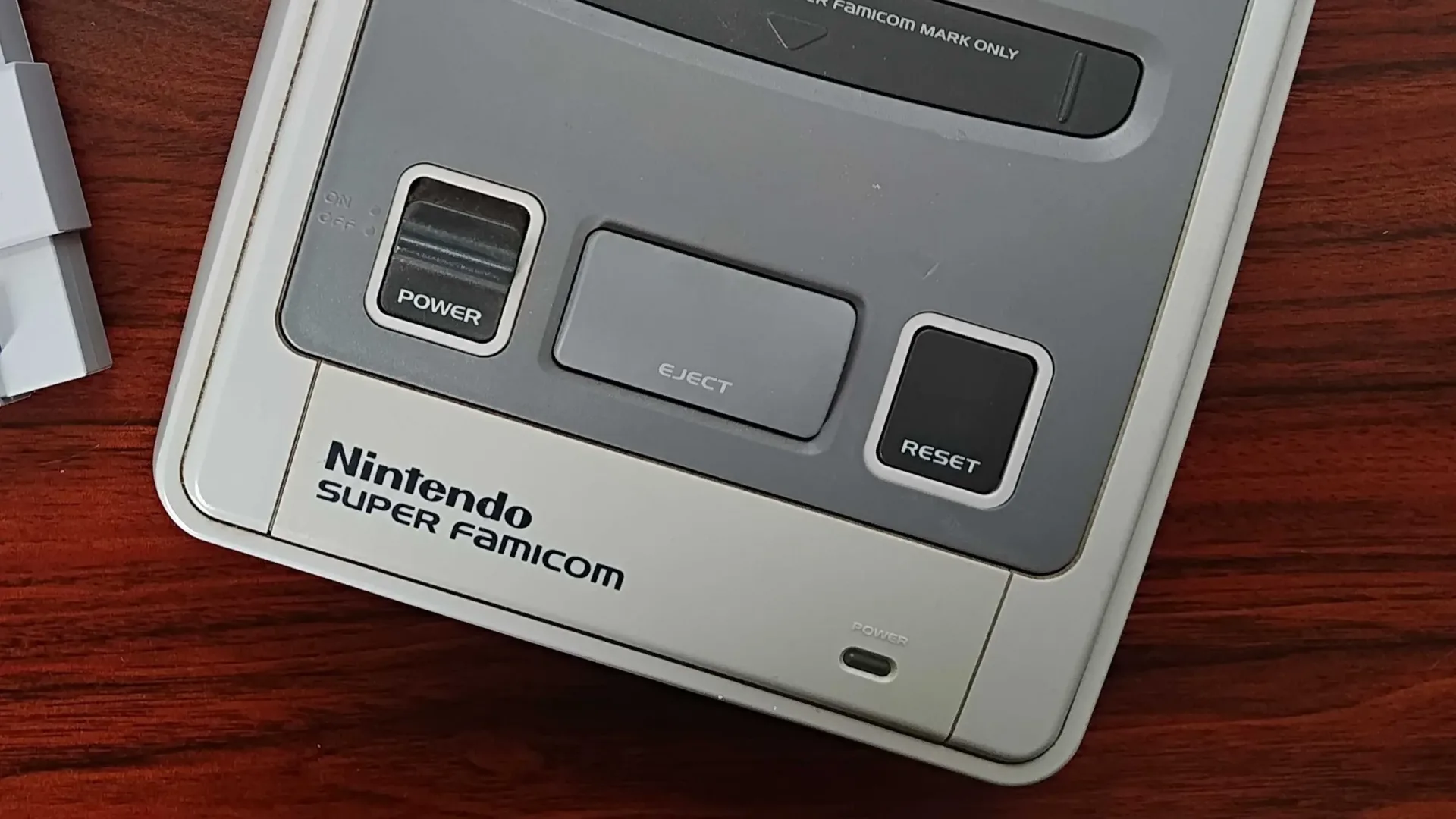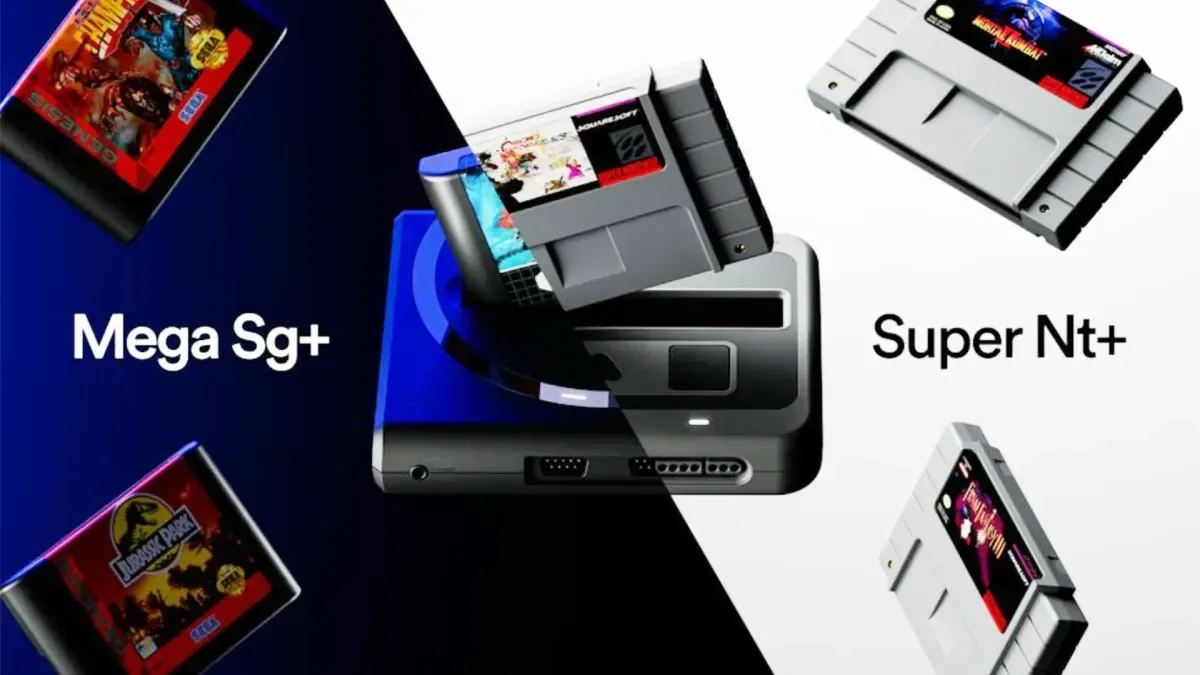
Analogue is bringing back two of its long-unavailable FPGA-based retro consoles in refreshed form. The Super Nt+, designed for Super Nintendo cartridges, and the Mega Sg+, for the Sega Mega Drive/Genesis family, are scheduled to open for pre-order on October 19 at 8 a.m. PDT. Each system costs $219, with shipping set to begin in December.
The important news is less a radical new generation than a practical return. The original Super Nt arrived in 2017 and the Mega Sg followed in 2018. Both have spent a lengthy period unavailable through normal retail channels, leaving prospective owners to contend with secondary-market pricing. These Plus models retain the established cartridge-first purpose while adding a set of quality-of-life upgrades: Bluetooth and 2.4GHz wireless controller support, USB-C power, menu-enabled cartridge changes, controller-based power functions, refreshed industrial design, and revised operating-system and packaging elements.
For players with shelves of original cartridges, that combination makes the new systems primarily a chance to buy into the format again without treating discontinued hardware as a speculative purchase. It is a restock with meaningful convenience improvements, rather than a redesign that changes what either machine is meant to play.
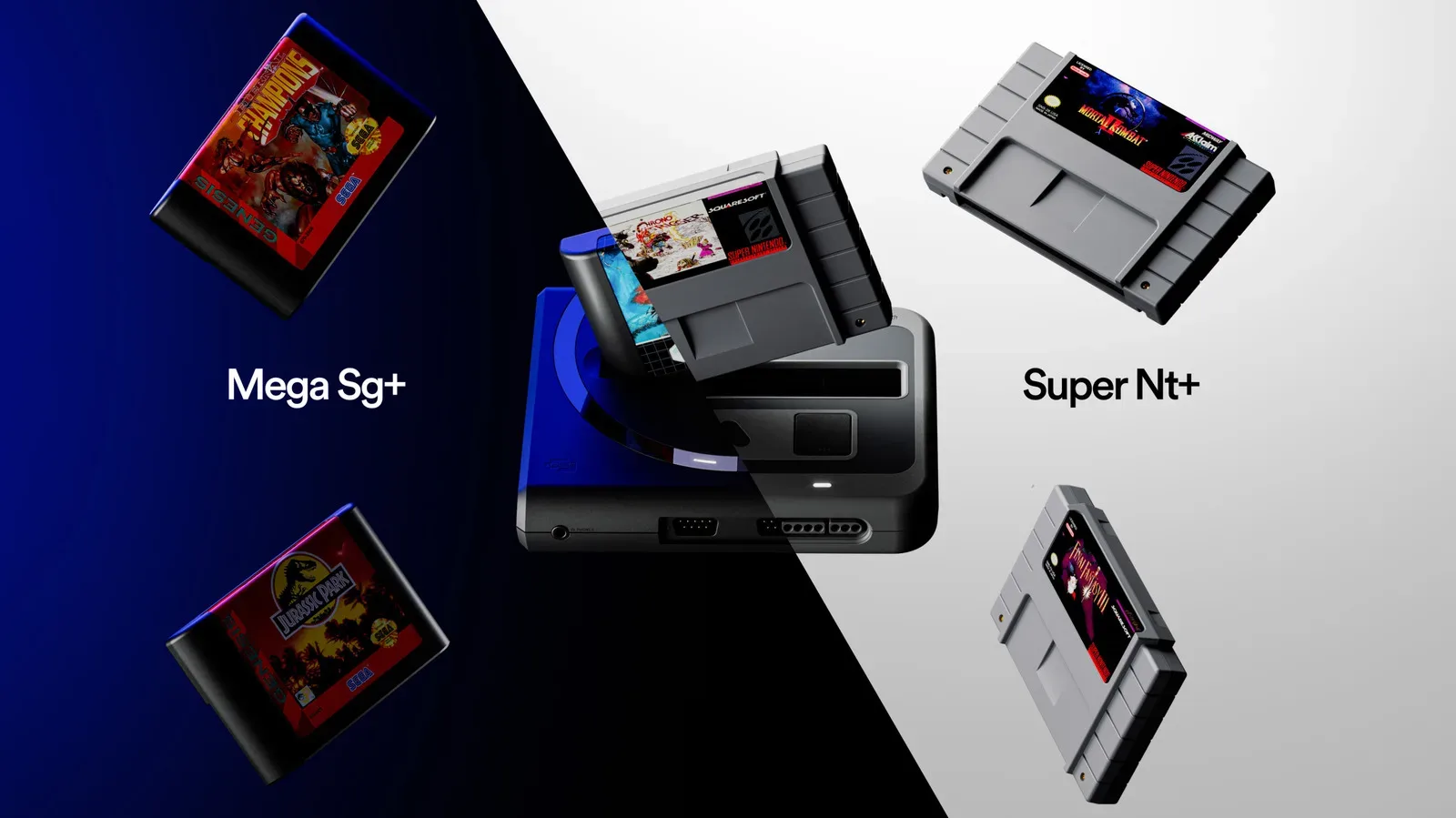
What the Super Nt+ and Mega Sg+ are built to do
Both systems use an FPGA, short for field-programmable gate array. In simple terms, this is configurable hardware that can be set up to reproduce the logic of a particular game system. That approach differs from conventional software emulation, where a modern CPU runs a program that imitates older hardware.
The distinction matters to retro players because timing, video behavior, controller response, and peripheral compatibility can all be central to the experience of using original cartridges. Analogue says the FPGA core behind these consoles reflects more than a decade of in-house development and is intended to provide zero lag and total accuracy. Those are the company’s stated performance goals; the announced updates do not indicate a new core or a wholesale change in the systems’ underlying compatibility mission.
In other words, Super Nt+ and Mega Sg+ are not being positioned as all-purpose retro boxes or as an escape from physical media. Their central appeal is the same as before: use the cartridges made for the relevant platform families, but do so through modern connections and conveniences. That is a different proposition from preserving an original console, which can involve aging power hardware, older video standards, and the everyday compromises of legacy setup.
The timing also lands amid continuing interest in revisiting older console libraries, whether through original hardware or newer releases such as the reported Shrek 2: Remastered listing. Analogue’s approach is distinct: rather than remastering a game, it centers the physical cartridge and the original platform’s design.
The shared upgrades, explained
The Super Nt+ and Mega Sg+ have closely matched update lists. None alone transforms the category, but together they address the practical friction that can come with a living-room retro setup.
Related coverage includes Analogue Announces Super Nt+ and Mega Sg+ FPGA Console Refreshes.
- Bluetooth and 2.4GHz wireless controllers: Both consoles will support Bluetooth and 2.4GHz wireless controllers, with support for up to two connected controllers in a virtually identical mix. Bluetooth is aligned with Analogue Dock support. The two wireless methods should not be confused: Bluetooth is a widely used wireless standard, while 2.4GHz can refer to a controller’s dedicated wireless connection. The announcement confirms both options, but does not detail controller models, pairing behavior beyond the stated basics, or every supported combination.
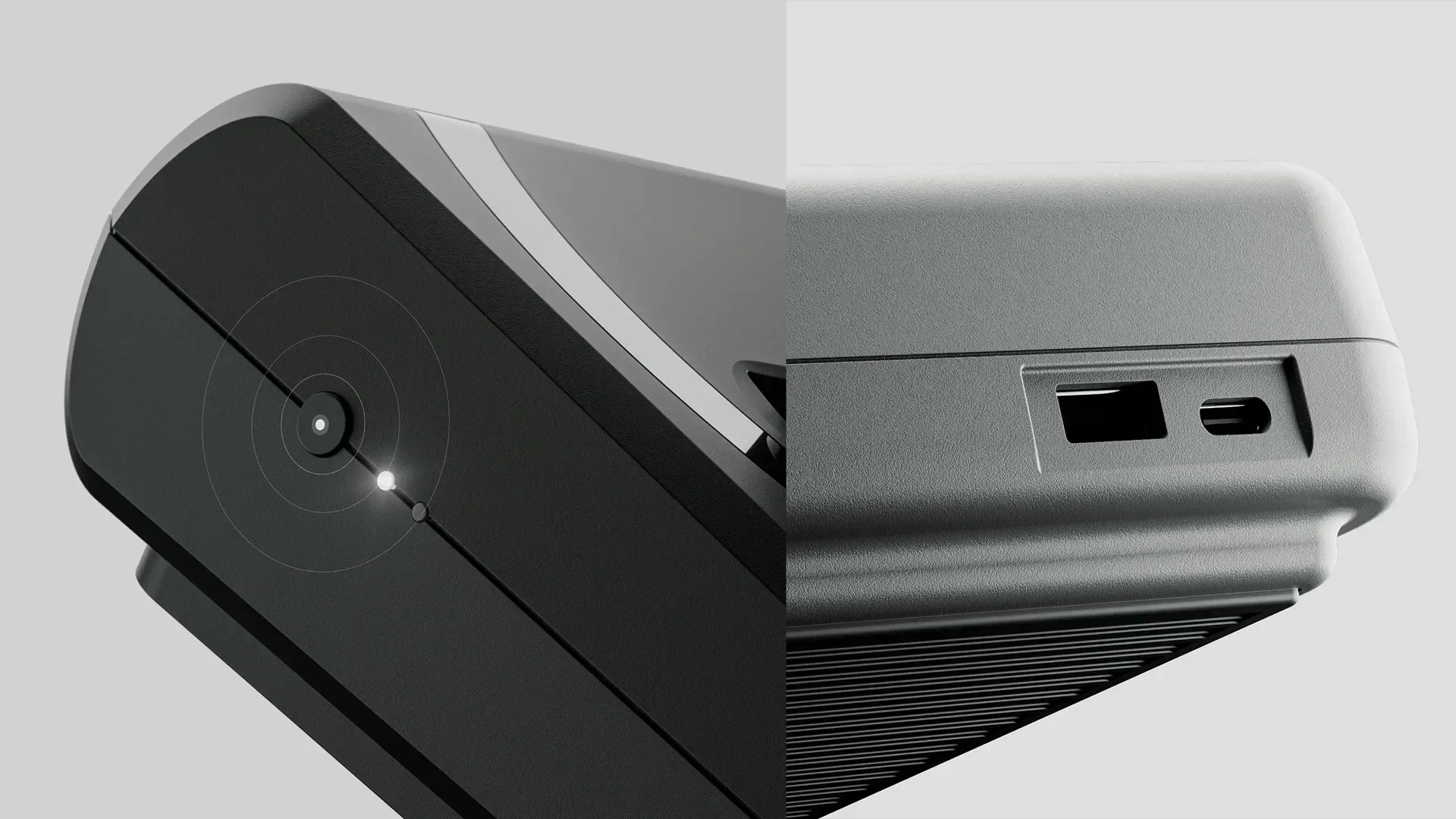
- USB-C power: Each console moves to USB-C power and includes a USB-C power supply and USB-C cable. USB-C is the reversible connector now used across many current devices, making the power arrangement more familiar and potentially simpler to accommodate than older proprietary approaches. The Super Nt+ also includes a USB-A port; that additional port was specifically listed for the Super Nt+ and should not be assumed for the Mega Sg+.
- Hot-swappable cartridges through the menu: Players can quit a cartridge from the system menu and switch games without powering the console down. This is a useful clarification of the feature: it is a managed software process, not an invitation to remove a running cartridge at random. The menu step gives users a cleaner handoff between games during a session.
- Power control from player one: A wired or wireless controller connected as P1 can turn the system on or off. Pressing Start on a wired P1 controller can perform that function, while turning on a paired wireless controller can also power the console. It is a small improvement, but one aimed squarely at the familiar situation in which the console is just far enough away to make getting up feel like an unnecessary bonus level.
- Updated industrial design and packaging: Analogue is also revising the systems’ physical design and retail packaging. The consoles remain recognizably close to their predecessors, so buyers should expect evolution rather than a conspicuous aesthetic reinvention.
Super Nt+: colors, ports and Super Nintendo cartridges
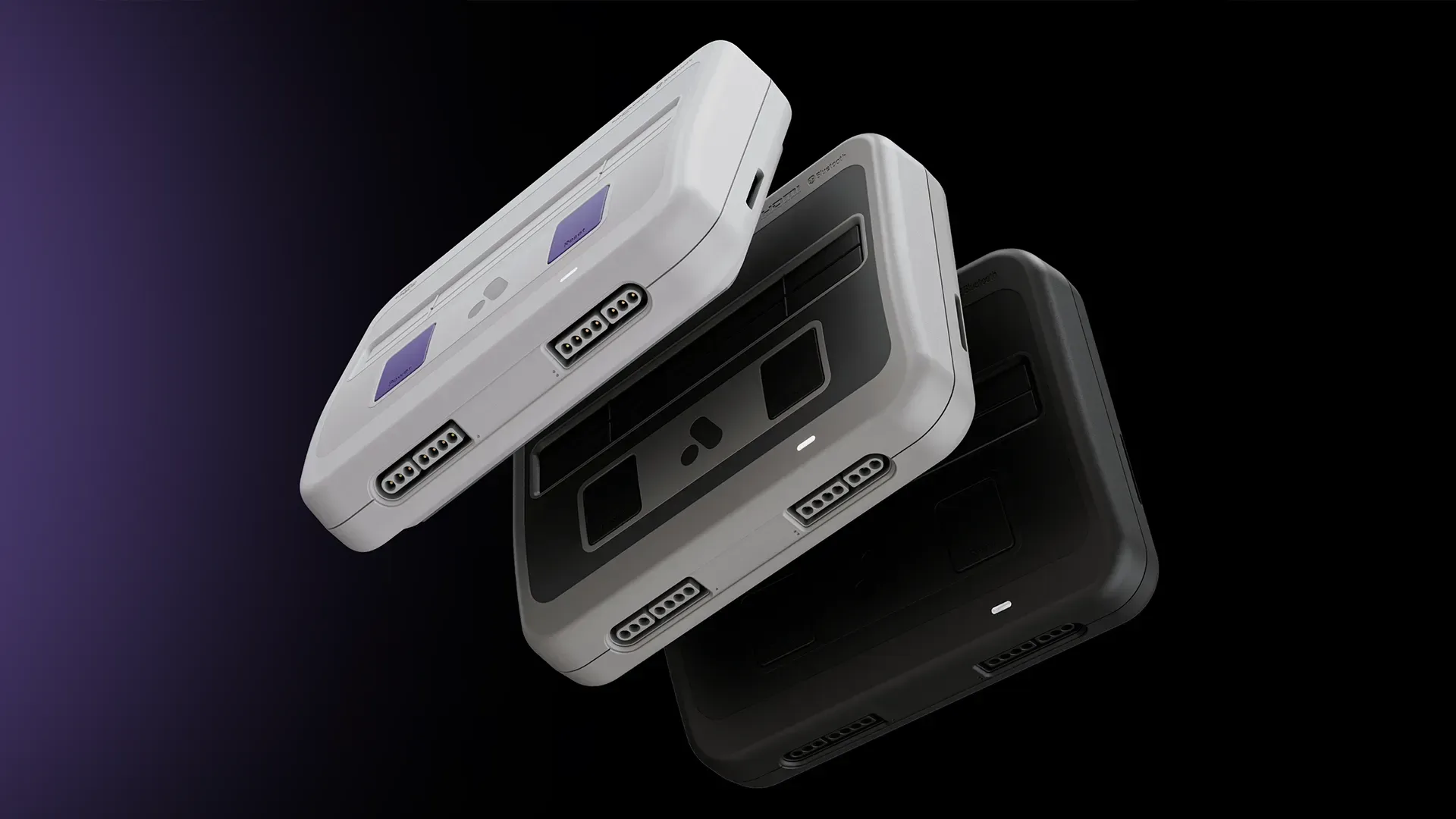
The Super Nt+ is the updated Super Nintendo-focused model. It will be sold in Classic, SF, and Black color variants. Pre-orders open October 19 at 8 a.m. PDT, the price is $219, and December is the stated shipping start.
Its feature set includes the shared wireless, USB-C, menu-based cartridge swapping, and controller power updates, plus the noted USB-A port. For an owner who has kept a Super Nintendo cartridge library accessible, the immediate value proposition is straightforward: a dedicated modern system intended to run those cartridges, now with current wireless options and an easier power setup.
It is equally worth setting expectations correctly. There is no indication here of a dramatic visual redesign, a newly announced game library, or an expanded platform remit. The Super Nt+ is a refreshed continuation of the Super Nt concept. Anyone who already owns an original Super Nt should view these changes as conveniences, not proof that their existing console has suddenly become obsolete.
Mega Sg+: a comparable refresh for Sega’s 16-bit ecosystem
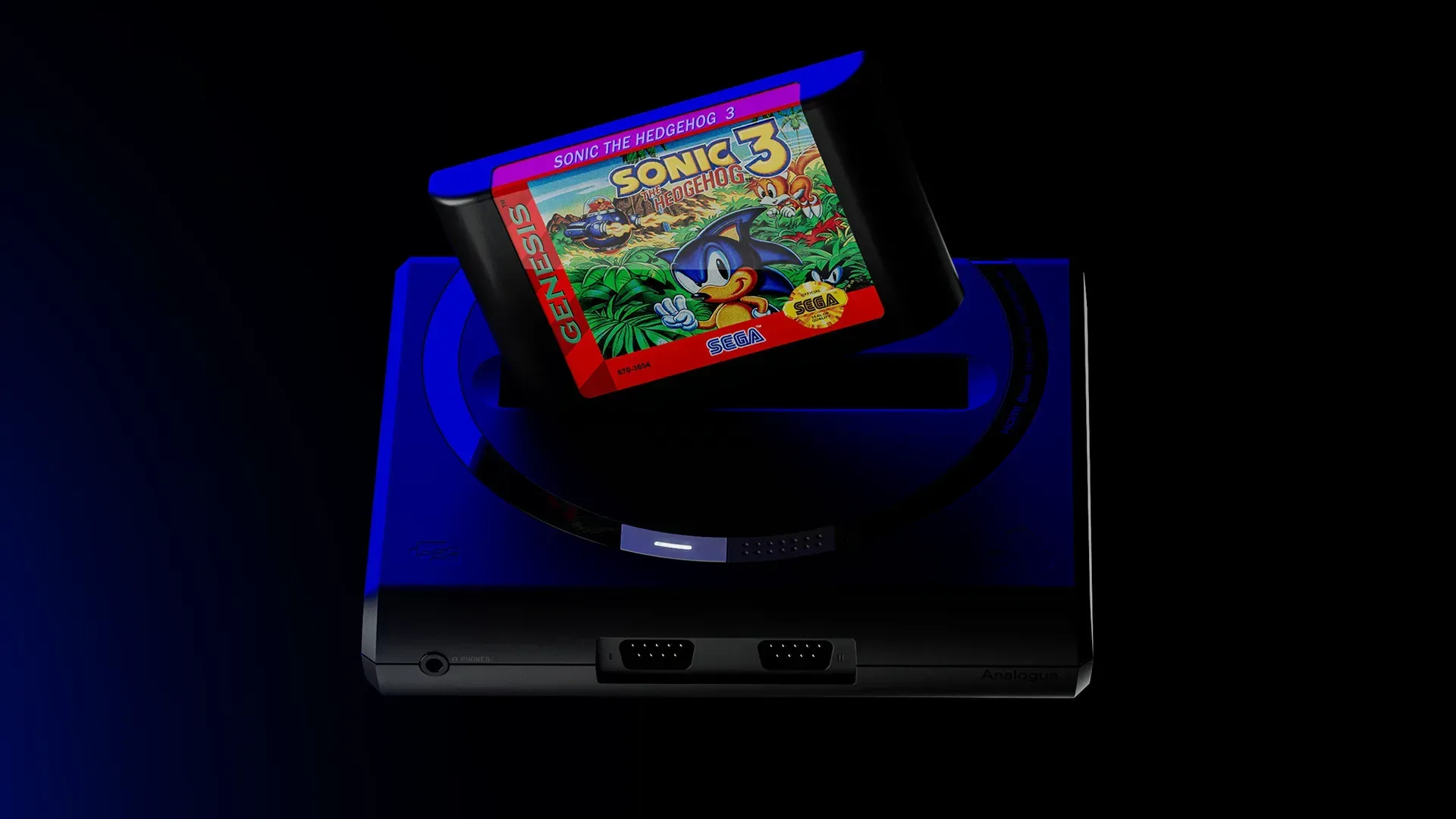
The Mega Sg+ applies the same general formula to Analogue’s Sega-focused console line. Its color choices are USA, EU, and Japan. It also costs $219, opens for pre-order at 8 a.m. PDT on October 19, and begins shipping in December.
The listed additions are Bluetooth and 2.4GHz controller support, USB-C power with an included supply and cable, menu-based cartridge changes, controller power control, and updated industrial design and packaging. The announcement frames it as a minimal refresh, which is useful for prospective buyers: the point is not to replace the original Mega Sg’s identity, but to return it in a more convenient form.
That makes the Mega Sg+ especially relevant to players who missed the earlier availability window and did not want to pursue high-priced resale listings. A new retail option offers a clearer baseline than judging used hardware by condition, included accessories, and whatever premium the market has attached to a discontinued product.
What “minor” upgrades mean in day-to-day use
Calling these updates minor is accurate in a technical sense, but it should not be read as dismissive. For a console that lives under a television, the best upgrades are often the ones that remove repeated annoyances rather than add an attention-grabbing feature to a box.
USB-C means the power connection aligns with a widely familiar modern standard. Wireless choices offer flexibility for people who prefer Bluetooth compatibility or a 2.4GHz connection. Cartridge switching from the menu removes the need to shut the machine down simply to move from one game to another. Controller power capability reduces trips to the console itself. None changes the cartridge’s game code, yet every one can affect how readily a system gets used.
There is also a preservation-minded practical angle. Owners of original cartridges may want a way to play them without making an older original console the sole route to doing so. The Plus systems do not eliminate the need to care for cartridges, nor do they make every question of hardware longevity disappear. They do, however, offer a modernized hardware environment aimed at the existing physical library.
Buyers should avoid reading beyond what has been announced. The available details establish the price, colors, pre-order timing, planned December shipping, controller connectivity, USB-C power, and the listed usability changes. They do not establish a broader set of new platform capabilities, nor do they describe every technical behavior a buyer might wish to compare. The sensible reason to choose either Plus system is its defined role: an FPGA console for the cartridges it targets, with updated connections and handling.
Pre-order checklist
- Pre-order date and time: October 19, 8 a.m. PDT.
- Price: $219 for the Super Nt+ and $219 for the Mega Sg+.
- Shipping window: Shipping begins in December.
- Super Nt+ colors: Classic, SF, and Black.
- Mega Sg+ colors: USA, EU, and Japan.
- Included power items: A USB-C power supply and USB-C cable are included with each console.
- Key decision: Select by the cartridge ecosystem you plan to use, rather than expecting the two machines to serve the same role.
The underlying story is refreshingly uncomplicated. Analogue is not replacing its FPGA retro-console premise; it is reopening access to it. The Super Nt+ and Mega Sg+ retain the original models’ cartridge-centered focus while adding the sorts of modern touches that matter most once a console is actually connected, paired, powered, and played.