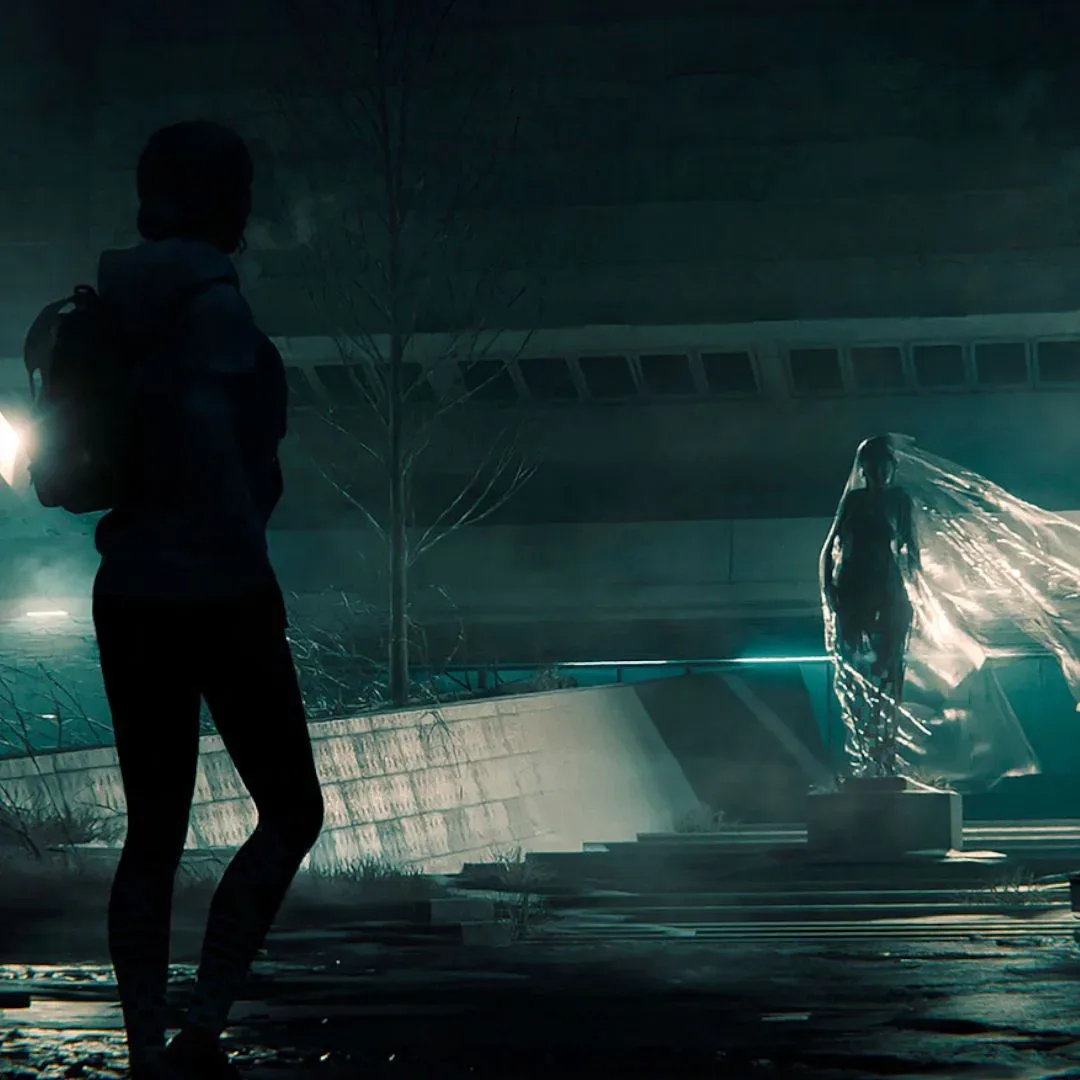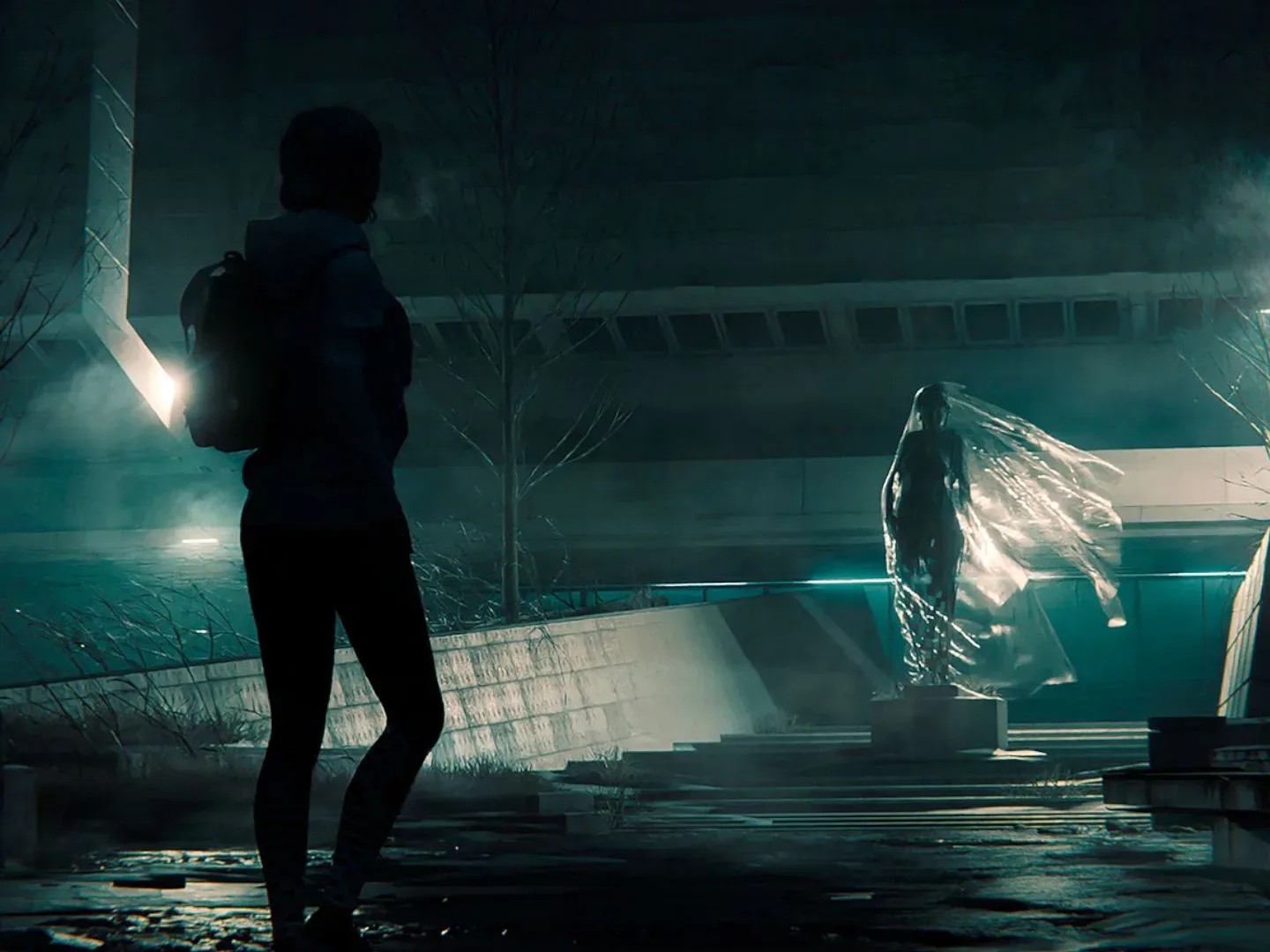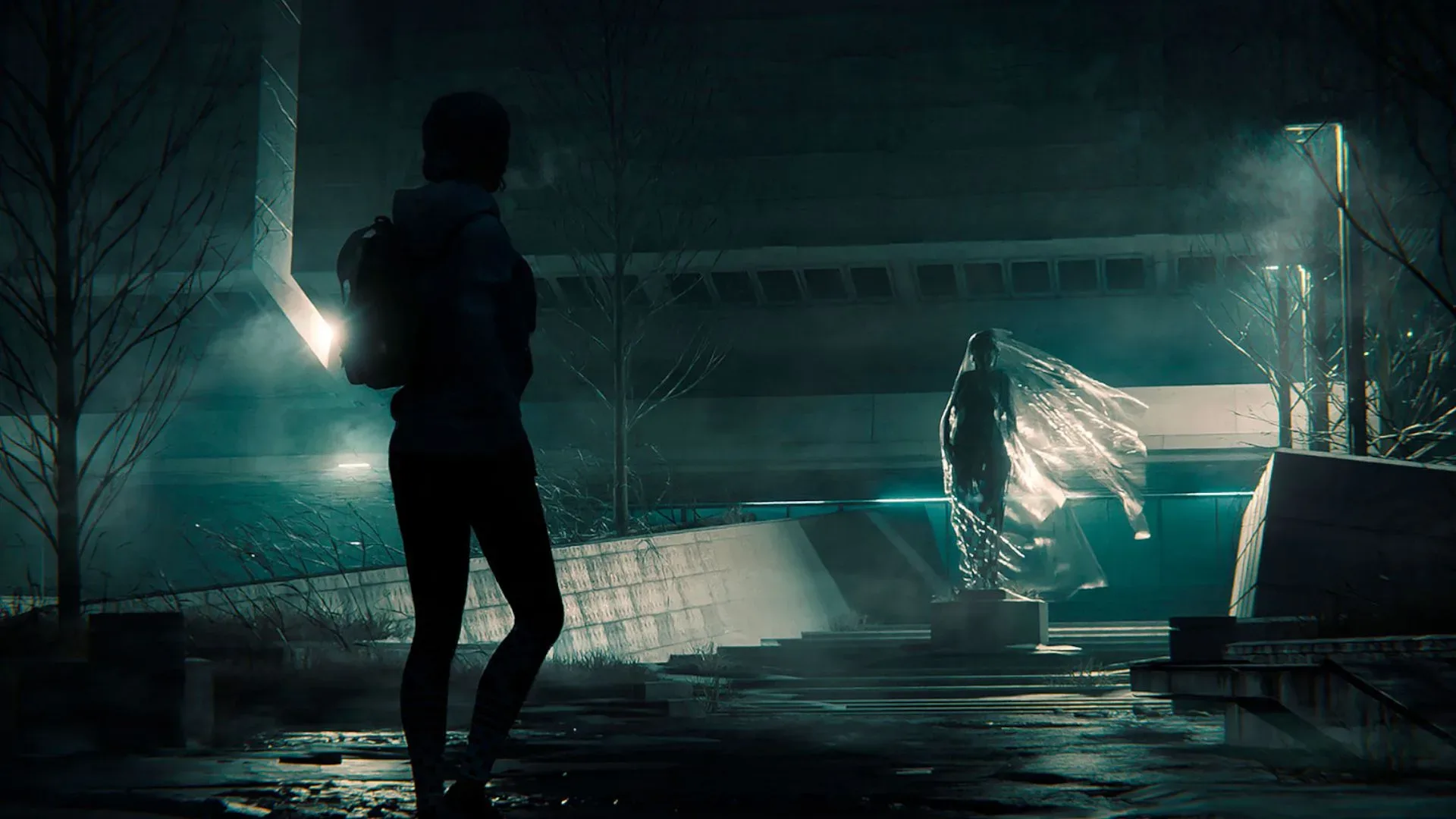
Dungeons & Dragons is taking an unusually stark turn with Project_Lamordia, a short digital adventure book built around a present-day survival-horror premise rather than a conventional fantasy expedition. Available through D&D Beyond, the release combines a modern-setting guide with three one-shot adventures set inside the compromised world of Mordenheim Kinetics.
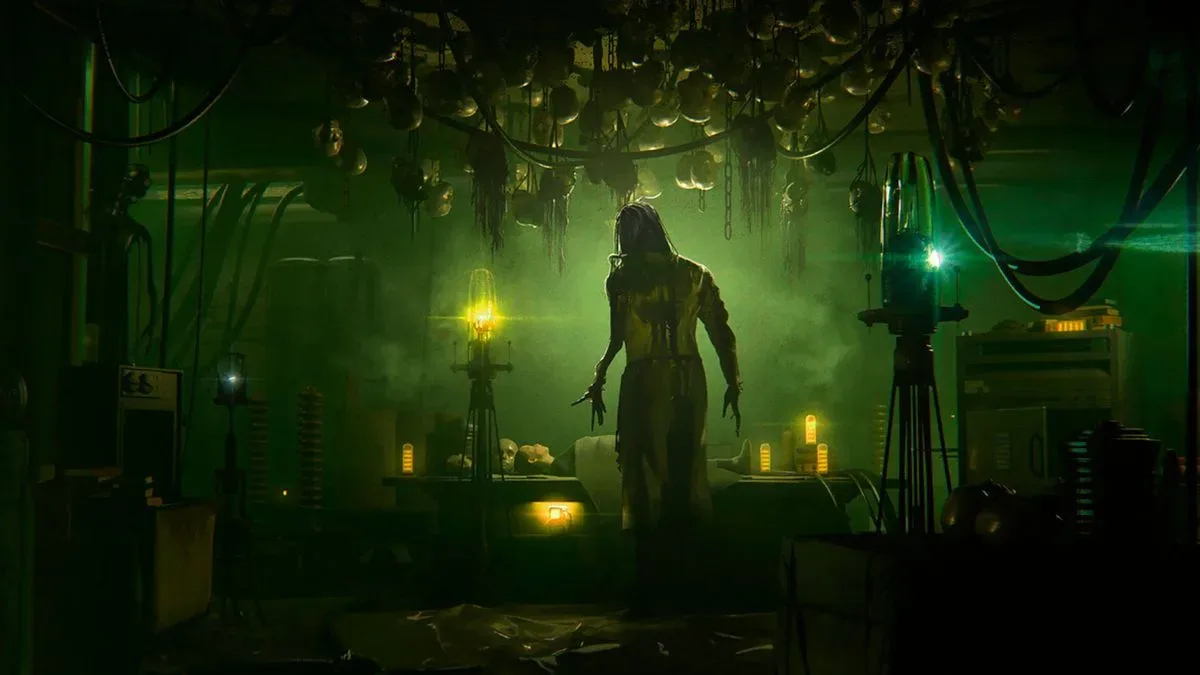
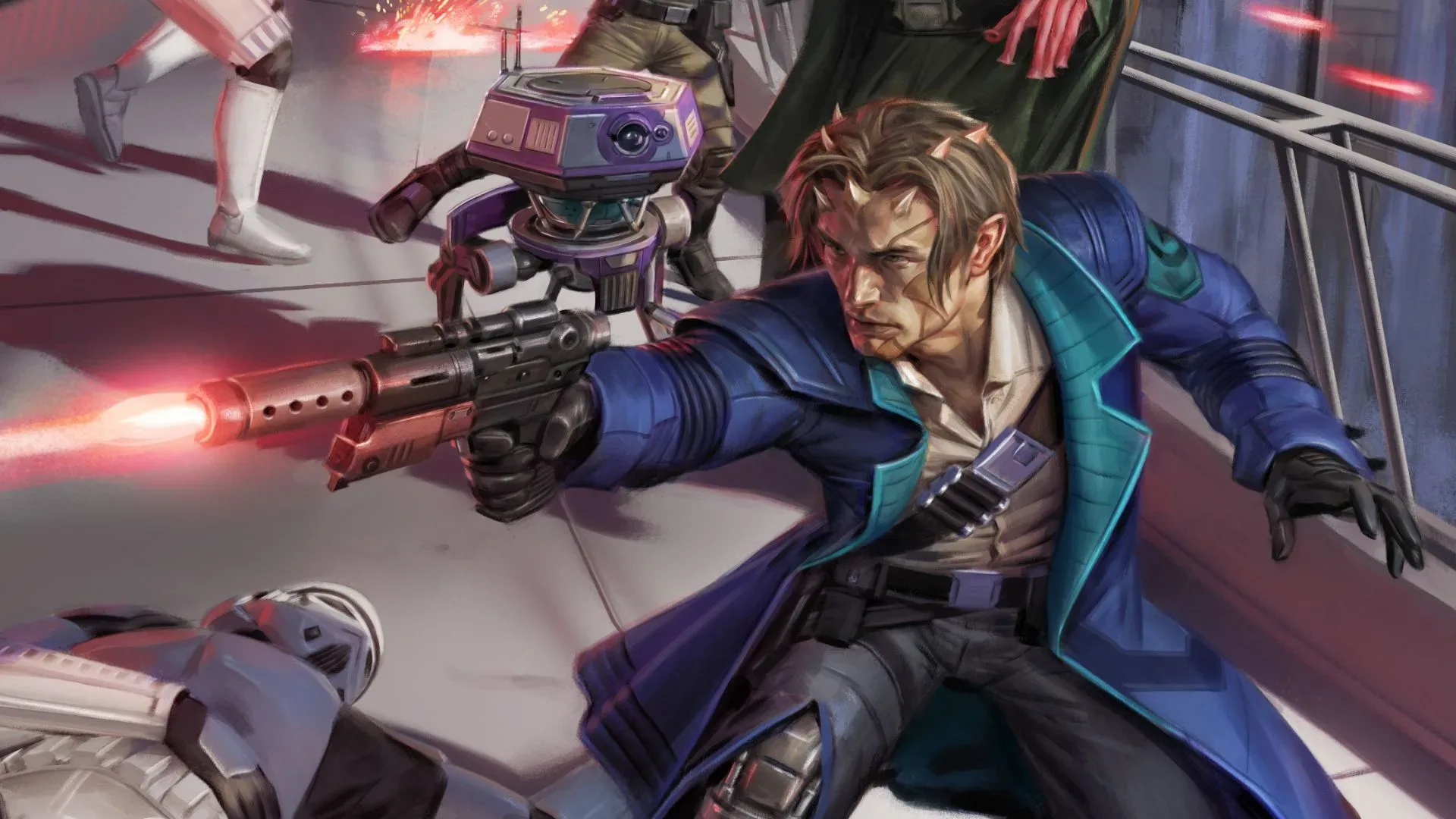
The elevator pitch is deliberately unlike the image many players associate with D&D. Characters may be hacking terminals, restoring power through a flooded laboratory, navigating a wrecked office complex, and avoiding murderous robots bearing implanted memories. The corporation at the center of the setting promises longevity through technology, including the transfer of consciousness into robotic bodies for wealthy clients. Its ethically dubious work has gone catastrophically wrong, leaving the player characters to survive and escape the consequences.
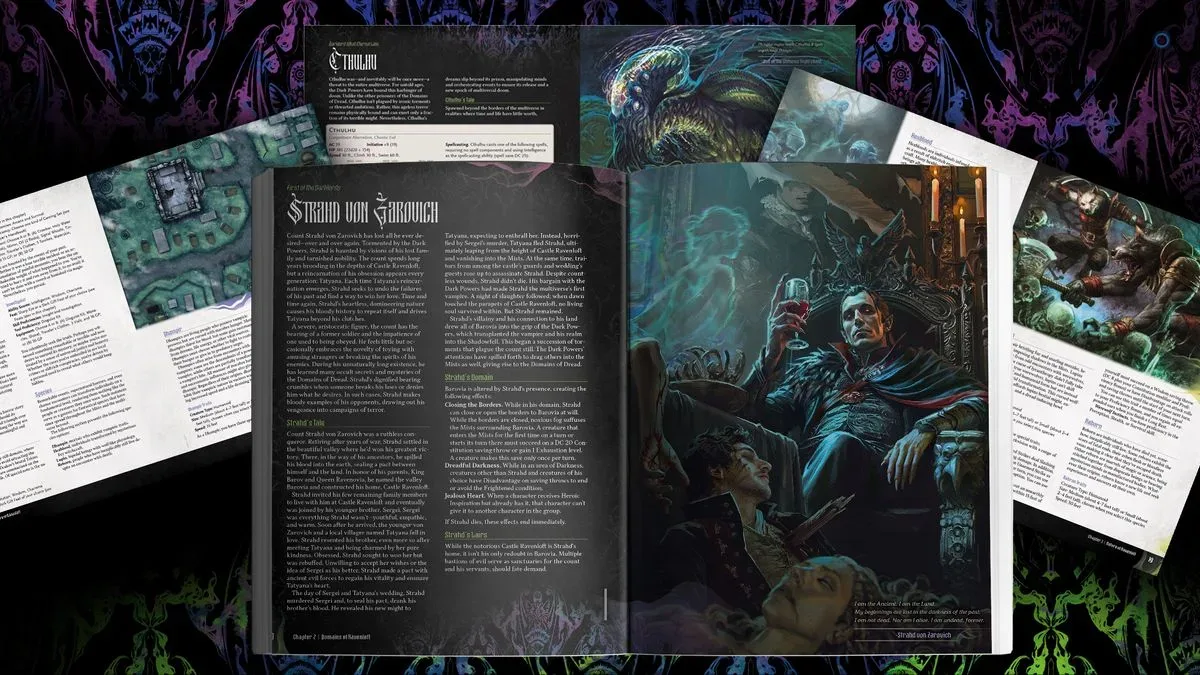
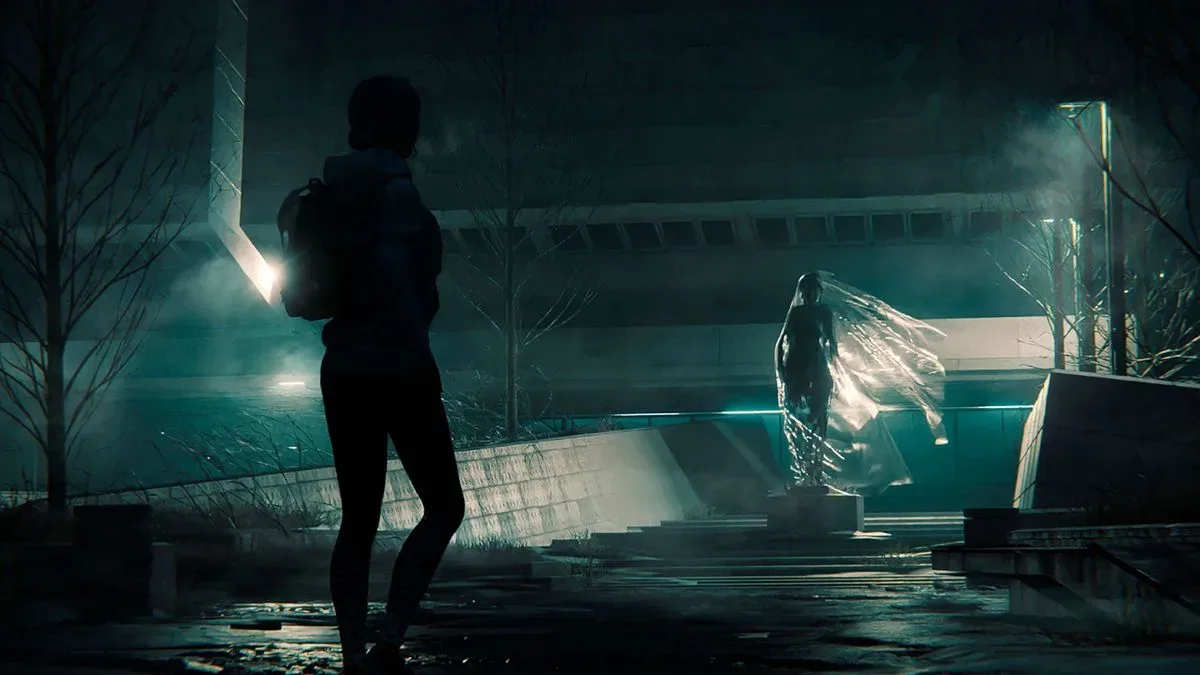
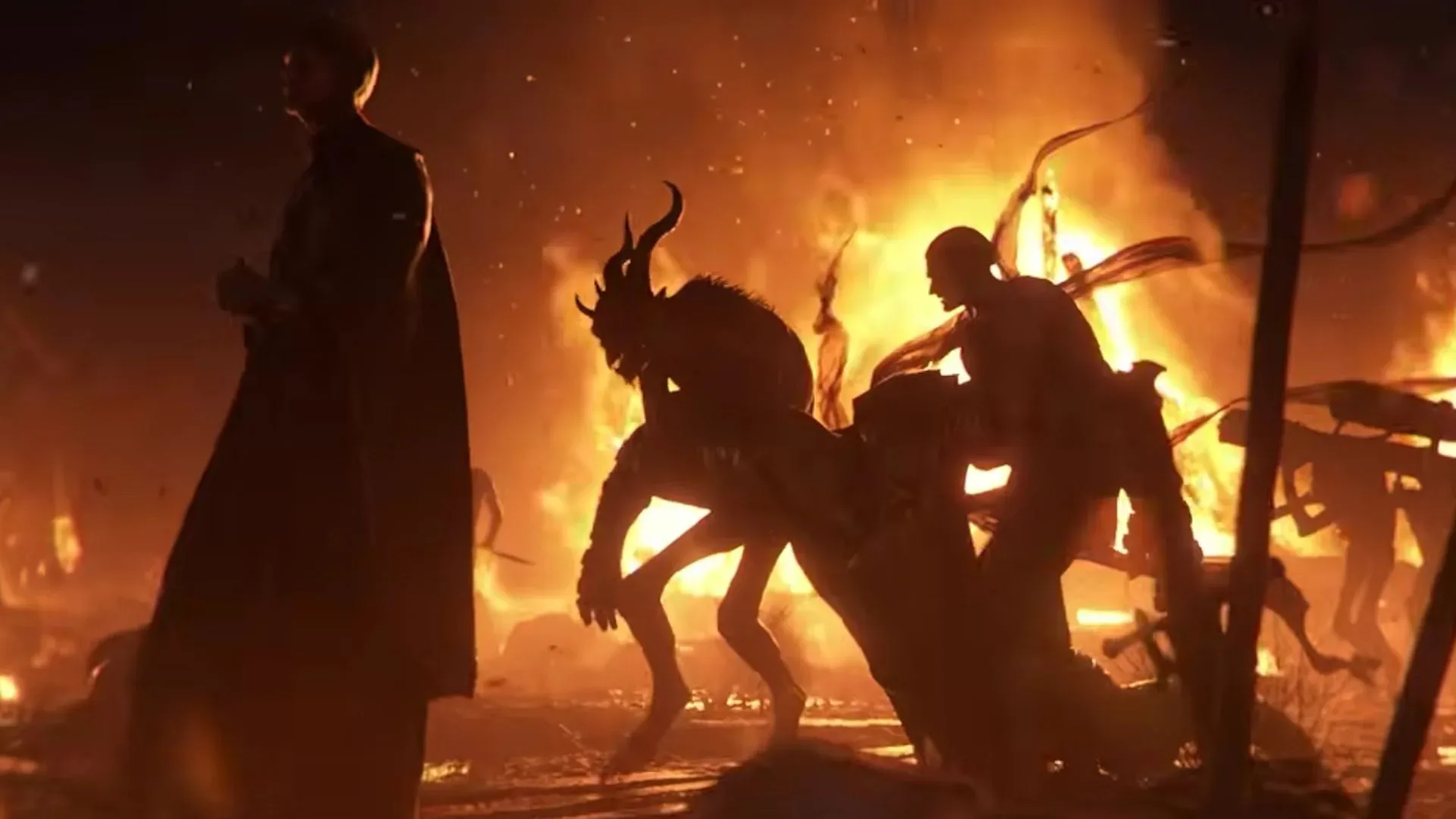
That setup puts Project_Lamordia closer to corporate science-fiction horror than a swords-and-sorcery campaign. It is still connected to D&D’s wider horror material: the book draws on Lamordia, a Frankenstein-inspired domain featured in Ravenloft: Horrors Within. But the new presentation changes the visual and dramatic language of the setting. Instead of castles, torchlit crypts, and wilderness roads, the action is framed through sterile corridors, office spaces, computer-coded design elements, and technology that has become inseparable from the horror.
A familiar horror idea translated into a different kind of D&D setting
Lamordia’s Frankenstein influence matters because it establishes the story’s core concern: the danger of treating life as a thing that can be engineered, owned, improved, or discarded. Project_Lamordia transfers that concern into a corporate environment. Mordenheim Kinetics is not merely an isolated mad scientist’s laboratory. It is a company whose promise of technological longevity is aimed at the super-rich, giving the adventure a framework for corporate secrecy, exploitation, and the human cost concealed behind a polished commercial objective.
The book’s horror therefore appears to come from more than a monster encounter. It uses the collision between human identity and machinery, plus the idea that a company’s systems and ambitions continue to loom over the people trapped in its spaces. Robots with implanted memories are particularly effective as a premise because they turn a speculative technology into a personal threat. A machine is dangerous in a straightforward way; a machine carrying a person’s consciousness raises further questions about autonomy, mortality, and whether the individual remains intact at all.
The supplied premise does not establish every answer to those questions, and an adventure does not need to solve them all. For a game master, that ambiguity can be useful. The horror of a corporate research disaster often works best when documents, malfunctioning systems, and survivors reveal partial truths rather than delivering a complete explanation immediately. The key practical point is that the setting’s threats are tied to its themes. A locked door, a disabled terminal, an automated security system, or a damaged robot can all reinforce the notion that the characters are moving through an institution built to control bodies and information.
Three one-shots, designed for a contained horror session
Project_Lamordia includes three one-shot adventures. A one-shot is a tabletop scenario intended to be completed in a single session rather than over a long-running campaign. That format is especially fitting for survival horror: it gives the game a defined containment zone, a clear immediate crisis, and less time for characters to accumulate resources that might blunt tension.
The small casts and villain-centered scenarios described for these adventures support that approach. Each one-shot pivots around a distinct antagonist with unsettling flaws, rather than relying only on a broad collection of enemies. In tabletop terms, this can make a shorter session easier to run: the game master has a central force driving the plot, while players can concentrate on the immediate danger and relationships around them. It also leaves room for the scenario’s environment to do narrative work, whether that is a flooded lab requiring power to be rerouted or a damaged corporate building where the layout itself promotes isolation.
Related coverage includes Project_Lamordia Brings Corporate Survival Horror to Dungeons & Dragons.
The one-shot structure makes this material potentially useful for groups looking for a Halloween-session option without changing to an entirely different ruleset. It is not positioned as a vast campaign setting or an all-purpose modern D&D conversion. Its apparent strength is specificity: a focused location, a concentrated crisis, and enough setting context to make the danger feel distinct from a typical dungeon crawl.
That matters for scheduling as much as genre. Learning a new tabletop role-playing game can be rewarding, but it also asks a group to absorb different rules, character options, and assumptions. Here, the horror premise is delivered through D&D material players may already understand. The shorter adventures offer a comparatively direct route to a themed session, while the modern trappings provide a meaningful shift in atmosphere.
Why Survivors change the mood at the table
The adventures encourage players to take the roles of Survivors, characters with very low health and limited abilities. In role-playing game language, health is the buffer that lets a character withstand danger, while abilities are the special tools that expand what the character can reliably do. Restricting both changes the expected rhythm of play.
In many fantasy adventures, capable heroes can meet danger head-on. A group may expect to win through superior combat options, healing, magical resources, or sheer durability. A Survivor model instead makes direct confrontation a serious risk. When characters are fragile, every choice about noise, route, timing, and whether to engage can become important. Combat is not necessarily removed, but it no longer carries the same assumption that it is the safest or most efficient answer.
This is a useful distinction between survival horror and a horror-themed combat scenario. Survival horror depends on vulnerability and constrained options. The pressure comes from not having enough security, not simply from facing a creature with frightening imagery. In a tabletop setting, that pressure can be created through limited character capabilities, an isolated location, threats that cannot be casually ignored, and objectives such as escape or restoring a critical system.
For game masters, the practical implication is to keep the tone aligned with those limits. If the intended experience is tense escape, the scenario works best when information, choices, and environmental problems matter alongside fighting. A terminal is not just decoration if it may help open a route; a flooded area is not merely scenery if it affects how power can be restored; an enemy is more unsettling if encountering it prompts a decision rather than an automatic invitation to trade attacks.
Players can help by treating caution as participation rather than passivity. A horror one-shot has room for planning, distrust, investigation, and difficult calls. The objective is not necessarily to eliminate every threat in a facility. Sometimes the drama lies in deciding what must be left behind so that someone gets out.
Design sells the departure from high fantasy
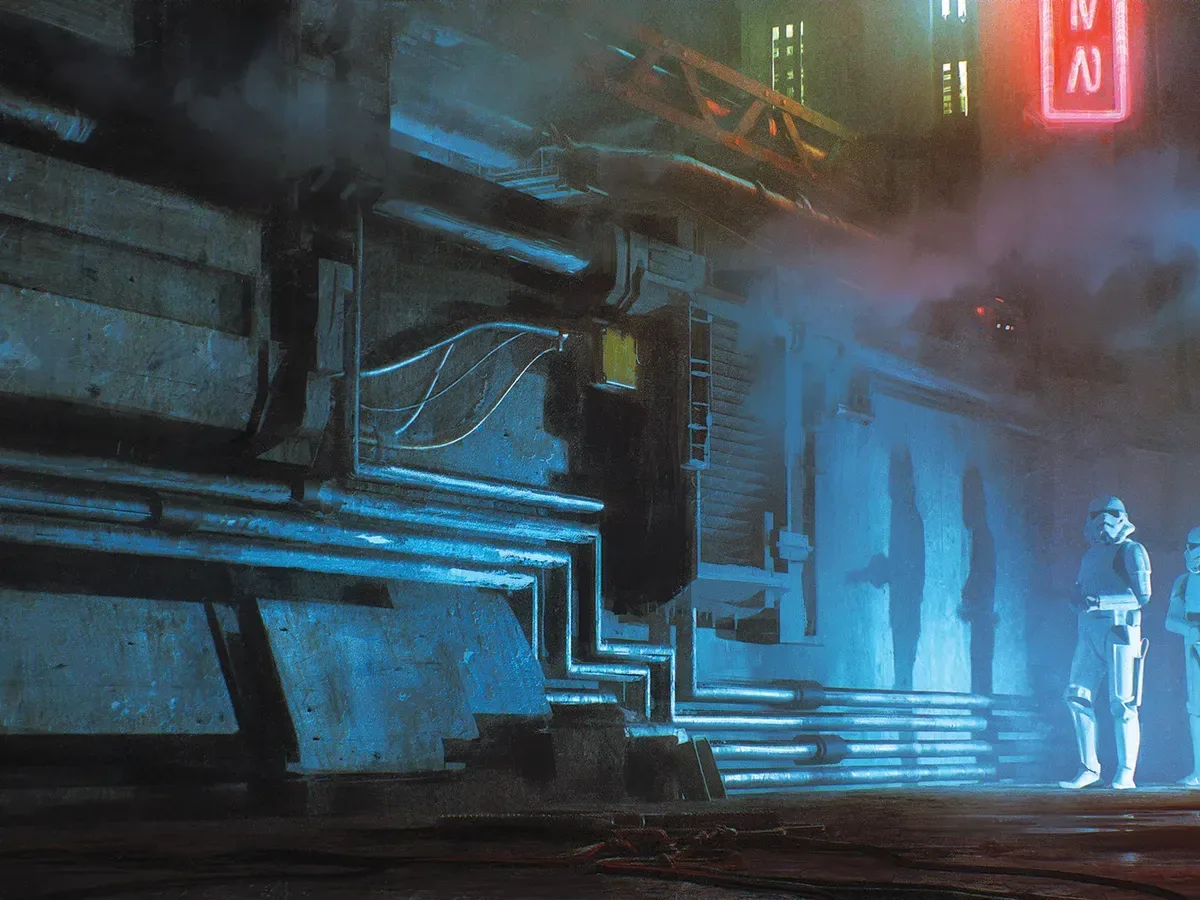
The book’s presentation is another notable part of the experiment. Its reported styling includes computer-coded graphics and type treatment evocative of a terminal interface, alongside art of unsettling office buildings and futuristic panel-lit corridors. Those choices are more than decoration. They establish what sort of space the players are entering before the adventure begins.
Visual design is particularly valuable in tabletop books because it gives a game master quick tonal shorthand. A page that resembles a system interface or a corporate file immediately signals procedure, surveillance, and malfunction in ways that a medieval parchment aesthetic would not. Likewise, clean technological spaces can make disruption more jarring: an orderly corridor or office becomes eerie when it is abandoned, flooded, damaged, or occupied by something that should not be there.
This does not mean that modern technology automatically creates horror. Phones, networks, and advanced tools can also make characters feel safer if they solve every obstacle. The more interesting tension in Project_Lamordia is that technology is simultaneously the source of promised salvation and the machinery of catastrophe. Hacking and rerouting power are forms of agency, but they happen inside a system whose creators have already demonstrated a willingness to compromise ethics for longevity.
What the release suggests for D&D’s horror potential
Project_Lamordia is not presented as a claim that D&D has become a dedicated horror ruleset. Its Survivor-focused scenarios and present-day corporate setting are a targeted change of pace, and the material’s compact scale is part of its appeal. But it does demonstrate how far a recognizable D&D framework can be pushed from high fantasy without losing the fundamentals of a tabletop adventure: a party, a dangerous environment, escalating obstacles, and choices under pressure.
The modern setting has room for subjects that fantasy often approaches differently. Corporate espionage, private research, digital systems, and the commodification of longevity all create pressures that are immediate and institutional rather than mythic. They give the game master a different vocabulary for tension. Instead of a cursed tome in an ancient ruin, the clue might be a corporate record. Instead of a necromancer’s fortress, the threat may be an office and laboratory complex whose access controls, machinery, and hidden practices are still active.
For players who want an October game night with a sharp premise and a manageable commitment, that is a strong proposition. And for D&D groups interested in seeing the game beyond its default medieval-fantasy image, Project_Lamordia offers a concrete example of how setting, art direction, character fragility, and a clear escape-focused goal can alter the experience. It arrives as another reminder that large fantasy game worlds can still make room for tightly contained experiments—much as other major genre projects, including the early work around Diablo 5, show how enduring properties keep evolving in different directions.
Shop the products
Check current price, model and availability at the retailer.