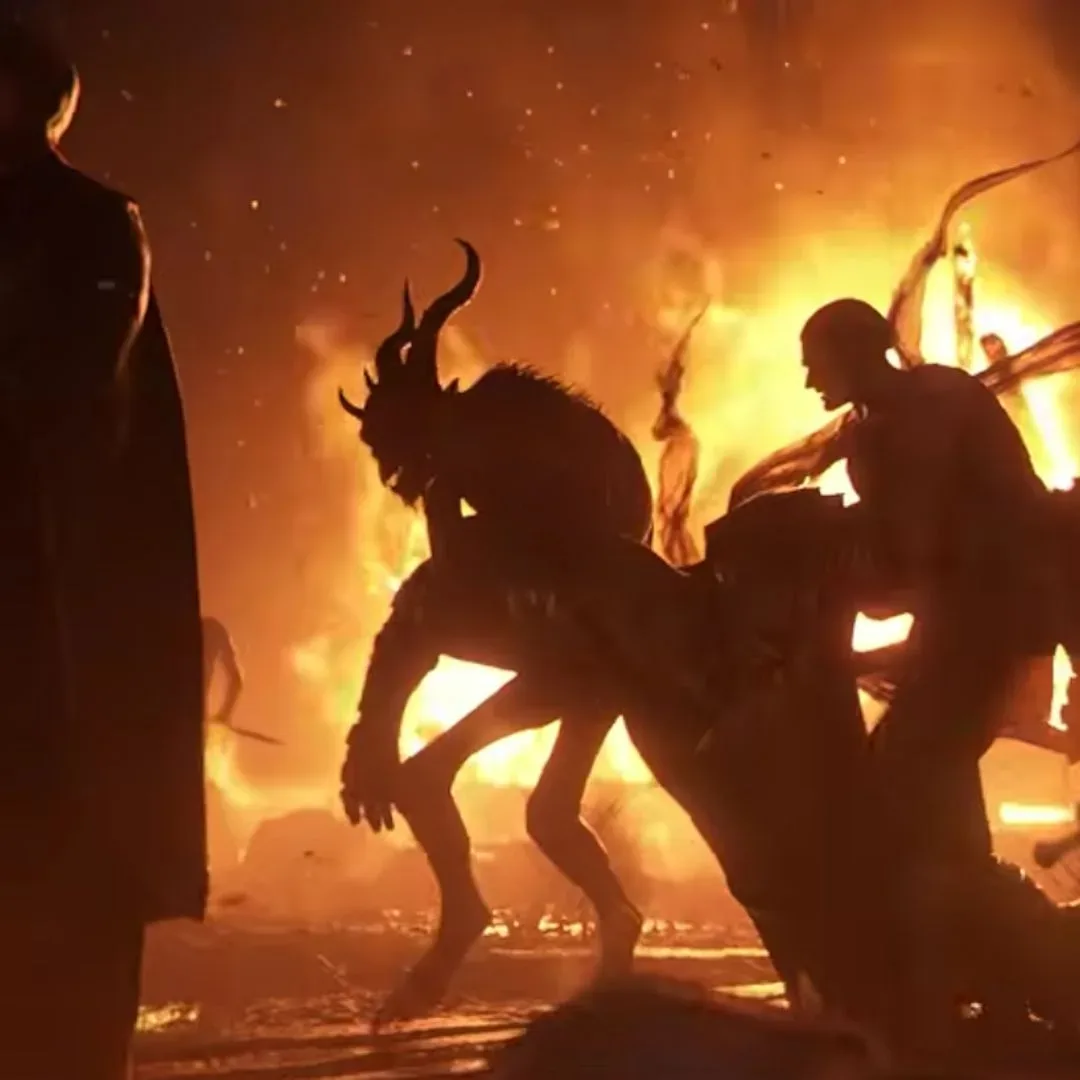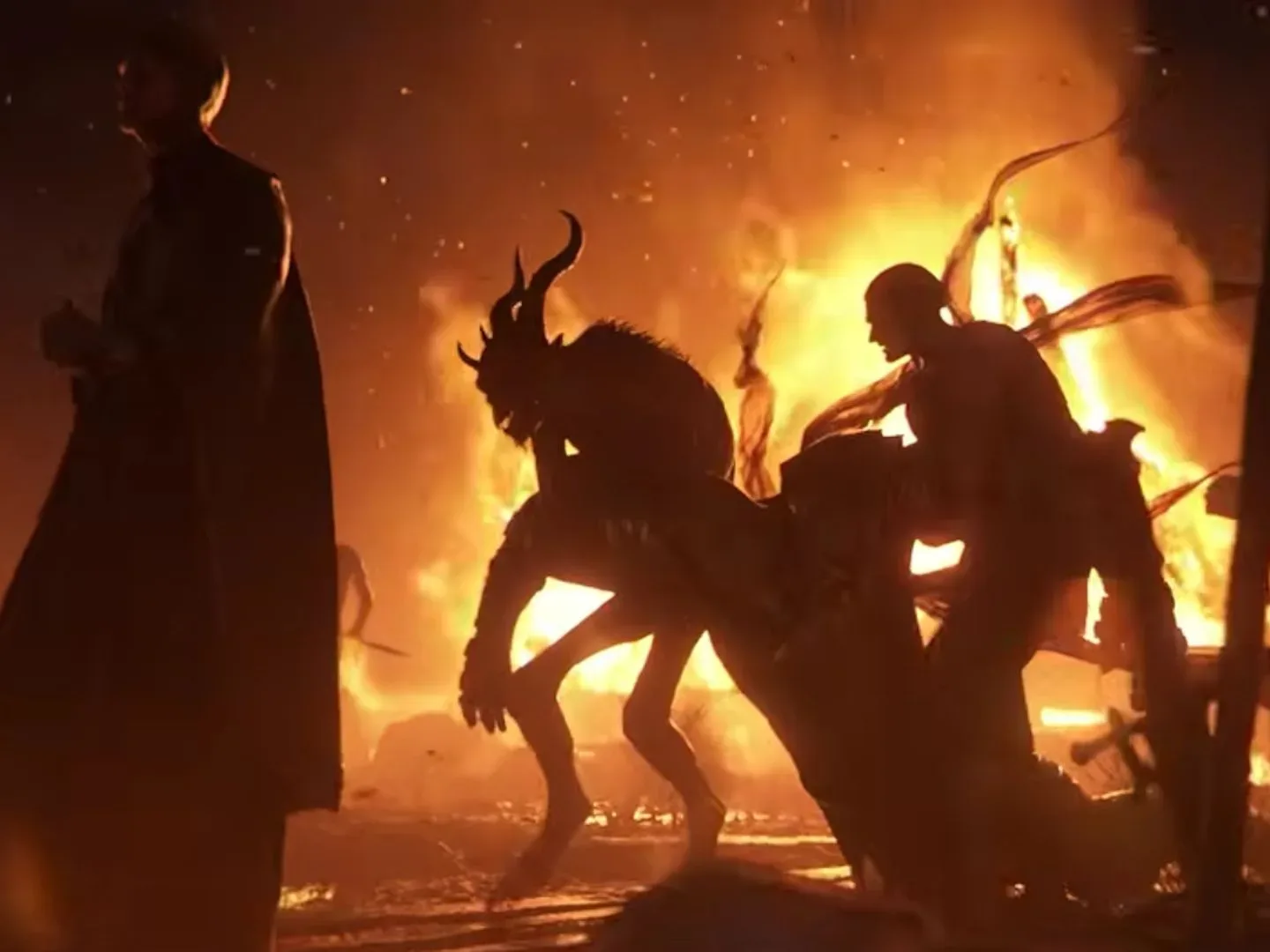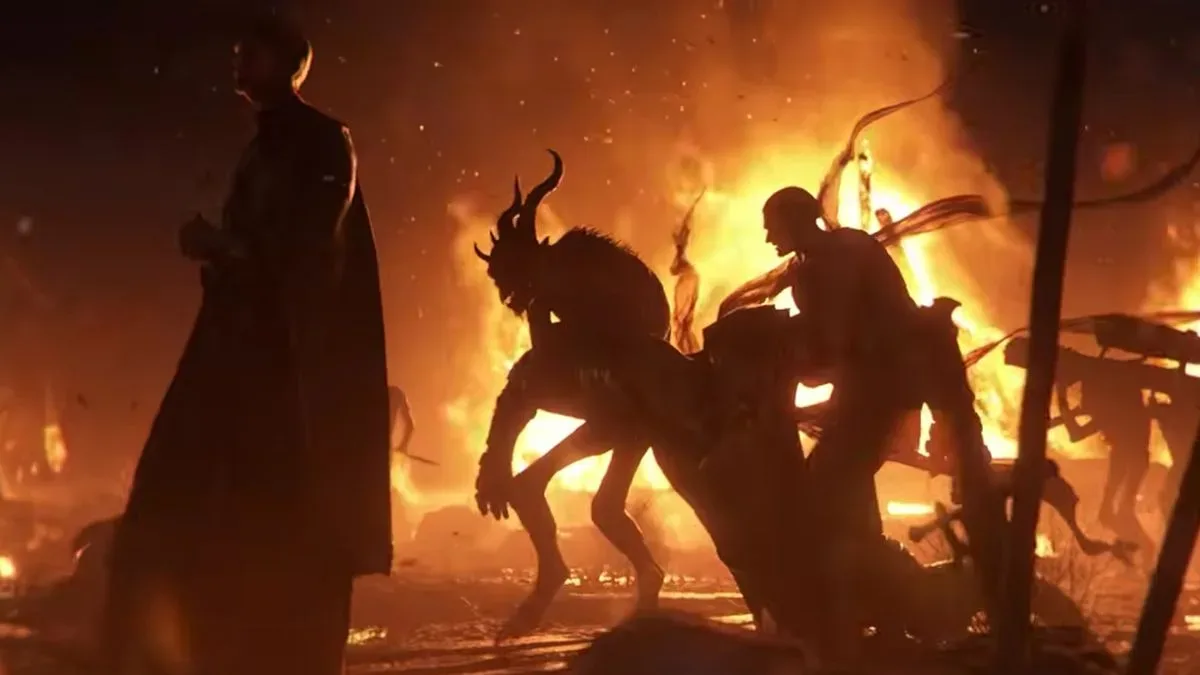
Diablo 5 has reached a new, very early production checkpoint: filming for the game’s cinematics has begun. Neil David Carter, the Diablo series’ cinematics director at Blizzard, shared an image of an empty soundstage prepared for work and captioned it, “First shoot Diablo 5.”
It is a small update on its face, but a meaningful one. Blizzard previously revealed Diablo 5 at BlizzCon with a trailer, while holding back gameplay footage and finer project details. Carter’s post establishes that a production shoot is now in motion for the narrative material that will eventually appear as cinematics in the action-RPG.
That should not be mistaken for a near-term launch signal. A first shoot is precisely that: a starting point for one part of a much larger game-making process. Diablo 5 is currently targeting a 2029 release window, and even that remains subject to change. Chris Wilson, a central designer on fellow action-RPG Path of Exile, has suggested the wait could stretch to 2030 or later.
What “first shoot” tells us—and what it does not
Cinematic production can involve actors, performance capture, voice work, physical sets, cameras and a production crew, depending on the needs of a scene. A soundstage is a controlled space built for that kind of work: its environment can be lit, dressed and recorded without the unpredictability of an outdoor location.
For a game, captured performances are only one stage in a long chain. The material may be used as a reference for animation, incorporated into a cinematic pipeline, edited, revised and ultimately integrated into the game. None of that guarantees that a particular scene will appear in the final version. Scripts evolve, scenes can be reshot, and completed material can be altered substantially or cut as a project changes.
That distinction matters especially for a game at this stage. Diablo 5 has been announced, but Blizzard has not shown gameplay. The soundstage image and Carter’s concise caption confirm active work on cinematics; they do not disclose the game’s story, playable classes, systems, cast, platforms, or the form of its final campaign.
In other words, this is a production clue rather than a feature reveal. Fans can reasonably infer that Blizzard is moving from broad announcement territory toward the practical work of building scenes, performances and story presentation. They cannot reasonably infer what those scenes contain—or how close the game is to being playable outside the development team.
A long runway can be useful, but it is still a runway
The present 2029 target leaves several years for Blizzard to shape the next Diablo installment. That time is significant because cinematics are not isolated from the game around them. Character motivations, boss encounters, locations, quest structure and major turning points can all affect which scenes need to exist and when they should occur. If any of those larger pieces shift, cinematic work may need to shift with them.
Related coverage includes Diablo 5 Begins Cinematic Production as Blizzard's Next ARPG Takes Shape.
That is why the beginning of filming should be viewed as a flexible milestone. It indicates planning has advanced far enough to begin recording material, but it does not freeze a script or lock a release plan. Projects of this scale can revisit scenes when story priorities change, technical needs develop, or the game’s final structure becomes clearer.
The possibility of a later launch is also worth treating carefully. A 2029 window is the current target mentioned for Diablo 5, not a firm promise. Wilson’s view that 2030 or beyond is possible is an outside assessment, rather than a confirmed schedule change. Until Blizzard provides a more specific date, both the existing target and the possibility of delay should be understood as uncertainty surrounding a project with a substantial amount of development left.
Why cinematics remain a notable part of the Diablo identity
Diablo is an action-RPG series, a genre defined principally by real-time combat, character progression and repeated encounters with enemies and loot. Yet big story moments and their presentation can still carry considerable weight. Cinematics are often where a game can slow the pace, establish stakes, introduce a threatening figure, or give players a clearer view of the world beyond the immediate fight.
For Diablo 5, that means the first shoot is likely relevant to the atmosphere and narrative framing of the next visit to Sanctuary, even though it says nothing yet about how the game will feel in players’ hands. The first trailer established that a sequel exists; filming provides a glimpse of the behind-the-scenes effort required to turn that announcement into a complete game.
There is precedent for recognizable performers appearing around the franchise, although there is no announced casting for Diablo 5. Simu Liu appeared in advertising for Diablo 2: Resurrected, while Debra Wilson and Ralph Ineson have performed roles in more recent Diablo games. Those examples help explain why some fans may immediately wonder who might be involved in new cinematic work. At present, though, Carter’s post identifies neither actors nor characters, and speculation should stay separate from confirmed information.
Production language, explained
It is easy to hear “filming” and picture a finished movie sequence nearing release. Game production rarely supports that simple reading. A few useful terms put the update into perspective:
- Cinematic: A scripted, non-playable scene used for storytelling or presentation. It may be rendered in-engine, pre-rendered, or assembled through another process; the current update does not specify Diablo 5’s approach.
- Soundstage: An indoor production environment where lighting, recording conditions and sets can be controlled for a shoot.
- First shoot: The initial filming session for this work. It does not mean all cinematic production is complete, and it does not necessarily mean every narrative decision is final.
- Action-RPG: A role-playing game built around real-time action, usually alongside character advancement and equipment or loot systems. Diablo is identified as part of this genre.
These distinctions are more than semantics. They are a reminder that the visible production signal is narrow. It says Blizzard has started one part of a broader pipeline. It does not give a reliable percentage of overall completion, because game development does not move through a single, publicly readable progress bar.
What fans can realistically watch for next
The most useful future updates would be the ones that add specificity: gameplay footage, an explanation of core systems, confirmed platforms, a firmer launch timeframe, or information about Diablo 5’s setting and characters. None of those details accompanied the filming post.
Until then, the sensible read is straightforward. Diablo 5 is under active development, a first cinematic shoot has begun, and its announced release target remains distant enough for extensive revision. The empty stage shared by Carter is not much to look at, perhaps, but it represents a real transition from talking about an announced sequel to recording material for it.
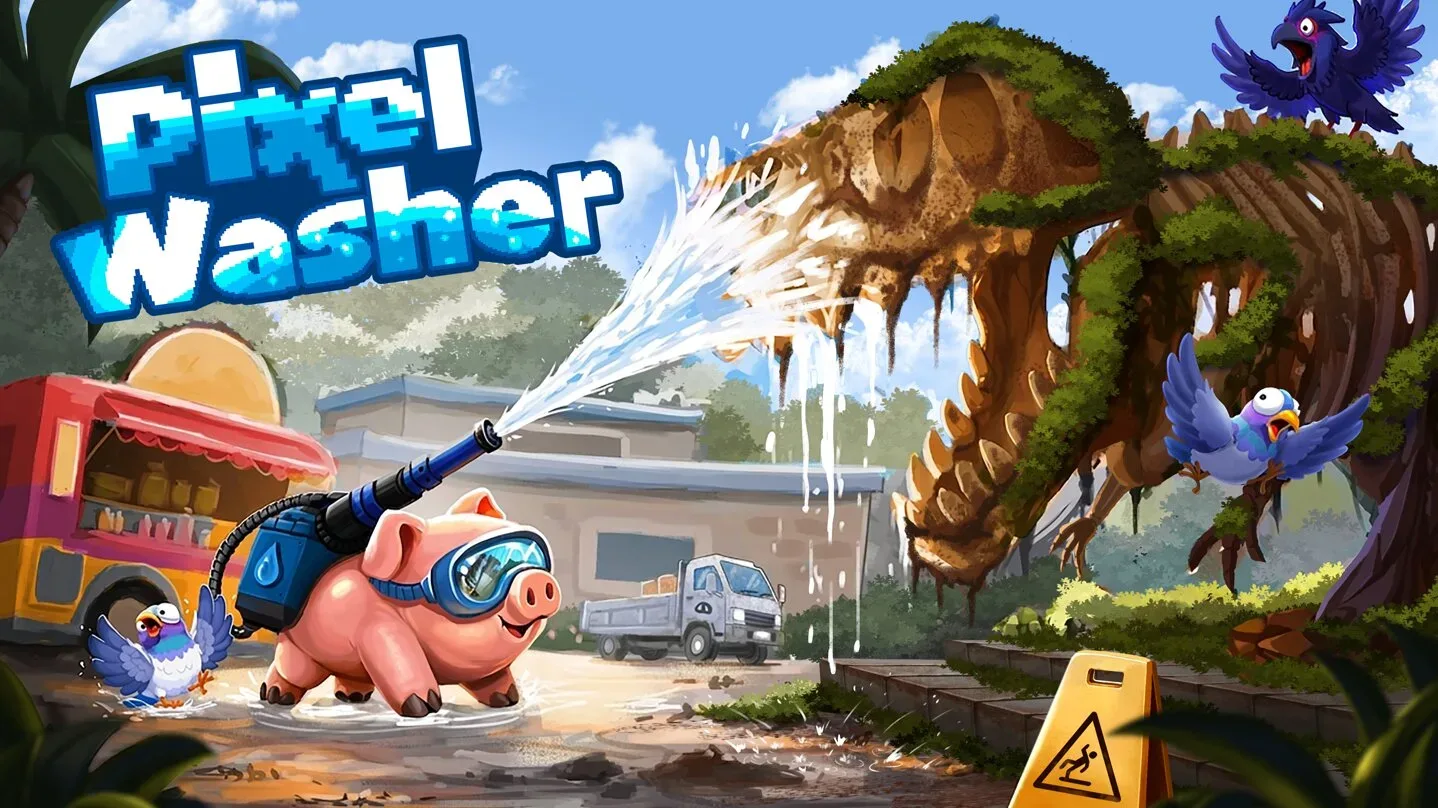
There is plenty happening across the broader PC gaming calendar while long-horizon projects take shape; for a very different current release, see Pixel Washer’s Steam Early Access arrival. Diablo 5, meanwhile, remains a project to watch patiently rather than a game ready to be measured by imminent-release expectations.