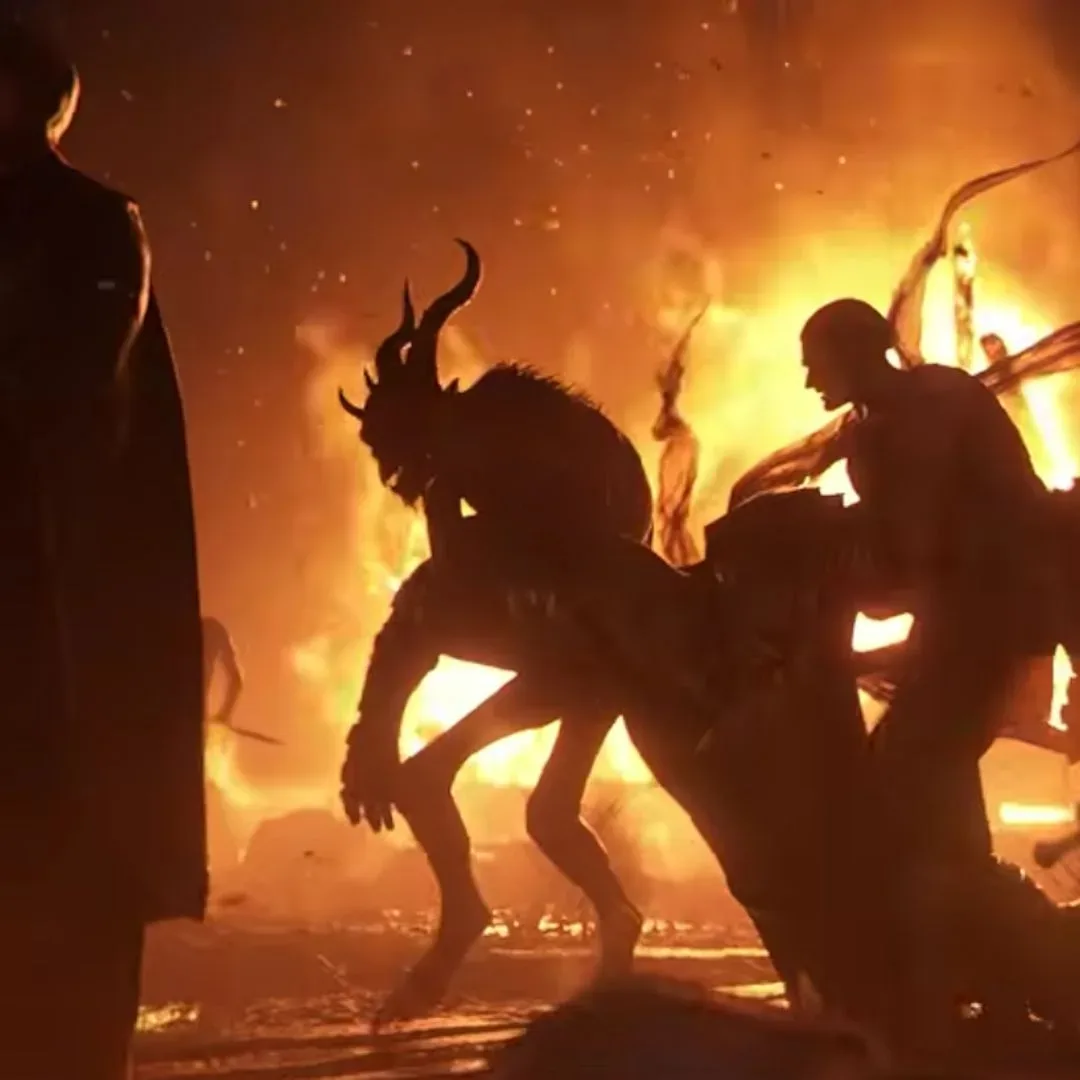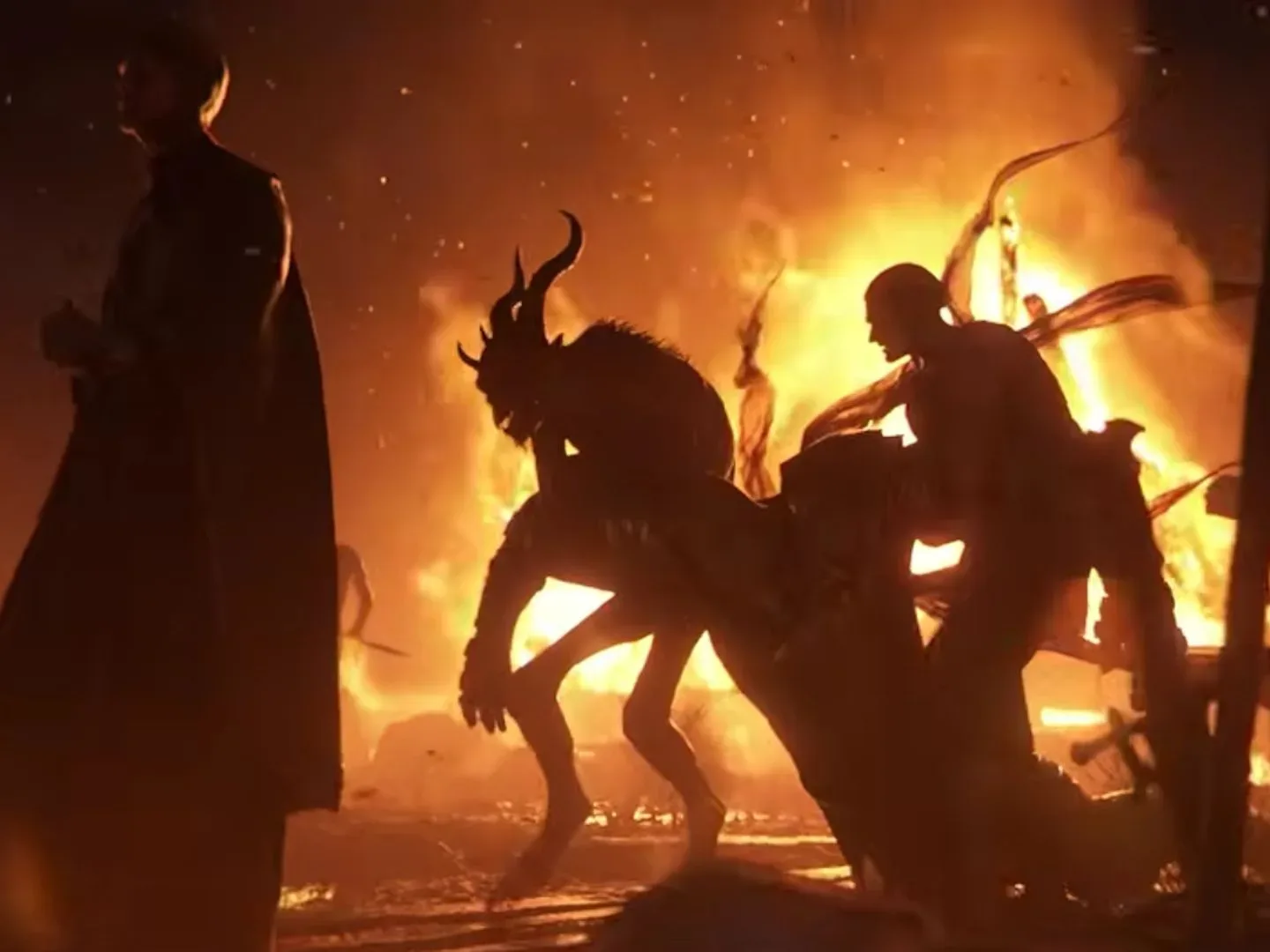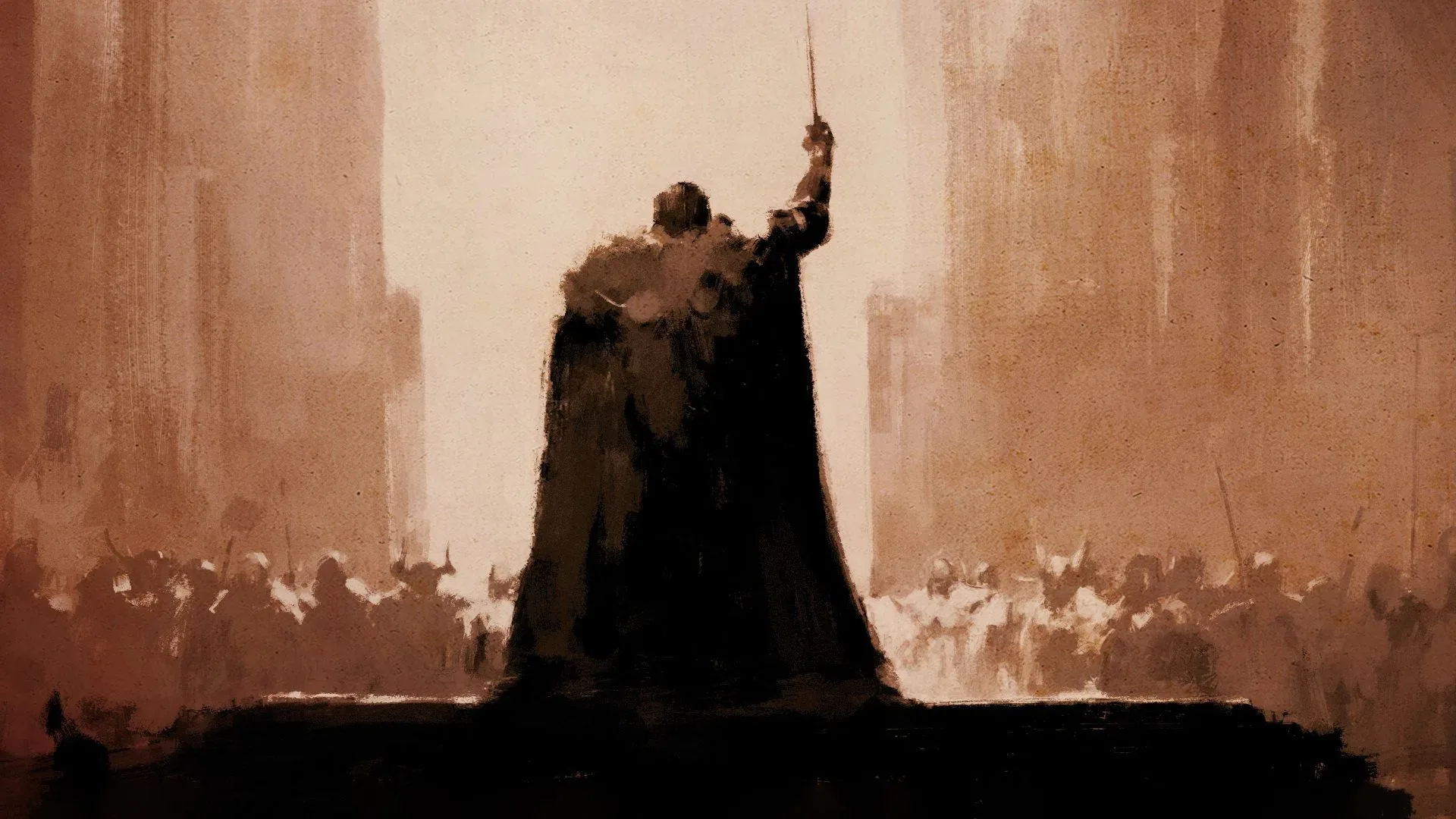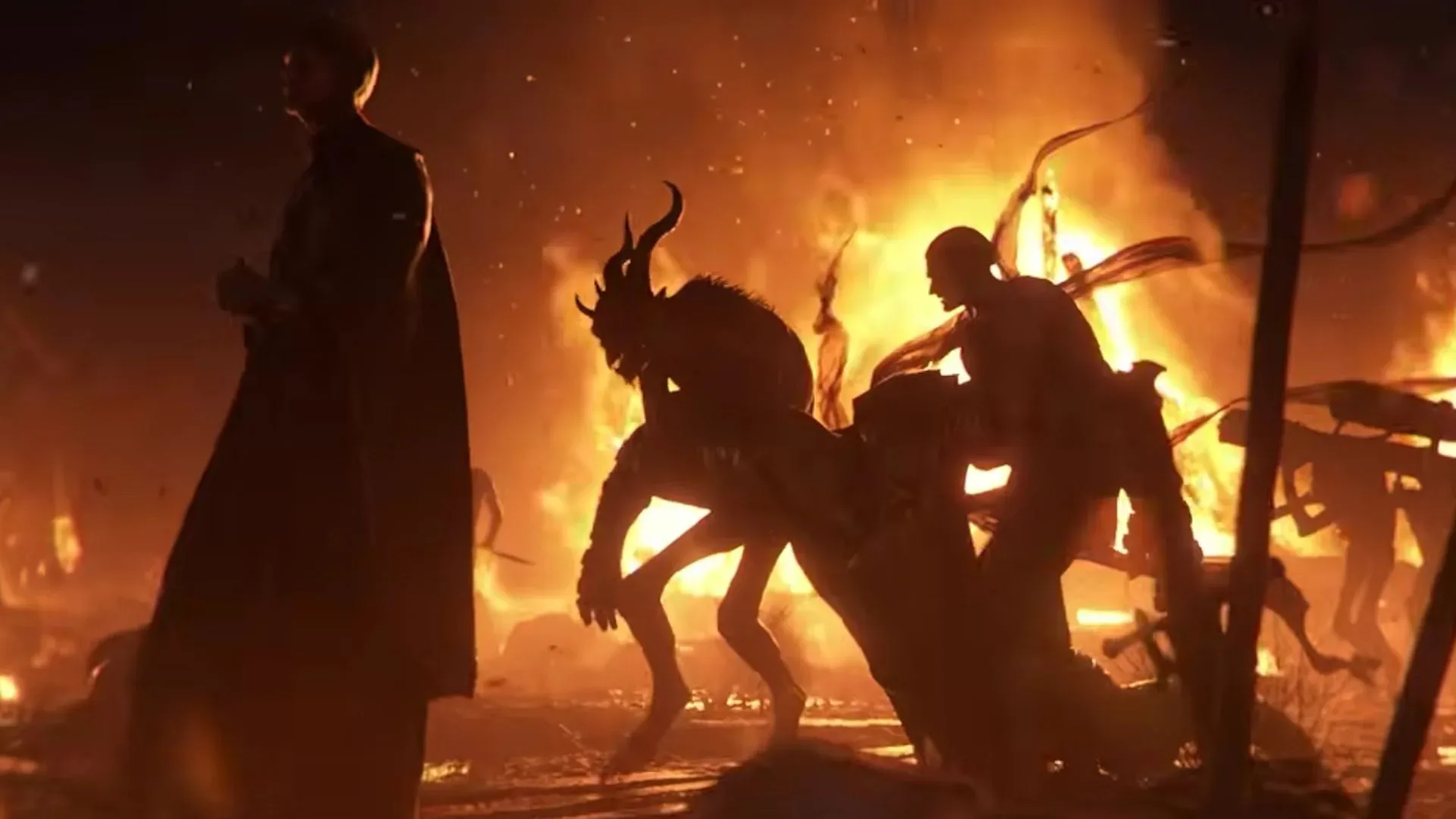
Diablo 5 is set to begin from an unusually bleak premise: Diablo has already won. Sanctuary, the series’ familiar mortal world, has fallen under the Lord of Terror’s control and been reshaped in Hell’s image. That setup does more than raise the stakes for a new campaign. It gives the game’s developers a framework for telling a story through the world itself, across the past, present and future.
Game director Joe Shely has described Diablo 5 as telling “three stories” within its setting. The past concerns Diablo’s conquest of Sanctuary. The present is the apparent core of the game’s action: life and conflict in a world controlled by Hell’s forces. The future is tied to the changing condition of that world, as powerful infernal leaders alter regions and potentially leave players returning to places that no longer look, feel, or function the same way.
It is a major narrative promise for an action RPG, a genre often built around revisiting areas for combat, loot and progression. Diablo 5’s approach suggests those returns could carry a stronger story purpose. A location may not simply be a zone revisited at a higher character level; it could become evidence of who won a struggle for control.
Three stories, one fallen Sanctuary
The three-part framing is worth separating carefully, because it does not necessarily mean Diablo 5 will be a straightforward time-travel story. The information so far describes three narrative perspectives or states of the world rather than a confirmed mechanic allowing players to freely move through time.
- The past: the account of how Diablo took Sanctuary.
- The present: the immediate conflict unfolding after Hell has taken control.
- The future: the consequences of continuing struggles over individual regions, including environments transformed by Diablo’s leaders or reclaimed by humanity.
That distinction matters. A campaign can reveal the past through story scenes, quests, memories, or other narrative devices without making it a playable era. Likewise, “future” can describe the evolving fate of a region rather than an endpoint set in stone. No specific structure for those story threads has been detailed, so it would be premature to treat this as confirmation of branching endings, time travel, or a fully player-directed world-state system.
Still, the concept establishes a clear dramatic contrast. Rather than asking players to stop Diablo before catastrophe occurs, Diablo 5 positions the catastrophe as its starting condition. The past explains the defeat, the present asks what remains amid occupation, and the future concerns whether places can be recovered—or corrupted in a different way.
For a series named after its central villain, putting Diablo’s victory before the opening conflict creates room to make his presence felt through the setting, not only through a climactic confrontation. Every altered settlement, landscape or enemy-infested route can reinforce the same premise: Sanctuary is no longer merely threatened by Hell. It has been claimed.
What “terror forming” means
The environmental transformation system has a deliberately punning name: terror forming. It refers to Dread Commanders, Diablo’s leading minions in this version of Sanctuary, changing a biome into a Hellish form tied to their own powers and status.
Related coverage includes Diablo 5's Sanctuary Will Tell Stories Across Past, Present and Future.
A biome is a broad environmental region defined by its conditions and life: in games, the term commonly covers a distinct area with its own visual identity, terrain, enemies and atmosphere. Diablo 5’s stated idea goes beyond placing a few different monsters in the same landscape. A Dread Commander’s control is meant to transform the environment itself.
The example provided is a region held by a Dread Commander of Undeath. Such an area would be filled with zombies and related undead imagery. Later, that same place could be reclaimed by humanity, or it could fall to another Dread Commander and become substantially different again.
This is the most useful way to understand terror forming at this stage: it is a proposed connection between narrative control and the presentation of a playable region. The identity of the occupying force affects what players see in that space. That can make territorial conflict legible without relying exclusively on dialogue to explain which side is in charge.
There are important unknowns. Nothing described so far establishes how often a biome can change, whether changes are fixed campaign moments or influenced by player action, how much of a region changes mechanically, or whether the system applies to every location. It is also unknown whether a reclaimed area will remain dangerous in the same way as a Hell-controlled one. Those details will determine whether terror forming is primarily an atmospheric storytelling tool, a meaningful gameplay system, or a blend of both.
Procedural worlds as a storytelling tool
Narrative director Jennifer Hepler connected these transformations to Diablo 5’s procedural world. In broad terms, procedural design means that a game uses systems and rules to produce or arrange content rather than relying entirely on a single manually fixed layout. In this case, the stated benefit is flexibility: the world systems give the team “levers” to alter a location as its ruler changes.
That does not automatically mean every part of Sanctuary will be random. “Procedural” can describe many degrees of variation, and no exact technical breakdown has been provided. What has been communicated is the design goal: one destination can support multiple versions that reflect narrative developments.
That capability could be particularly valuable in an action RPG. Return trips are common in the genre, but a changed region could give a return journey a different emotional texture. A zone previously defined by decay and undead control might later convey human recovery. Conversely, a place that seemed safe or newly reclaimed could be seized by a different Dread Commander and take on a new infernal character.
The most compelling implication is not simply visual variety. It is continuity. If the world changes in ways that correspond to its rulers, players can read the consequences of the campaign through the ground beneath their characters. The setting becomes a record of conflict rather than a static backdrop for it.
There is also a narrative advantage in using several Dread Commanders rather than a generic Hell faction. A commander associated with Undeath produces one recognizable kind of threat. Another commander, if designed around different powers, could reshape the same regional foundation toward a wholly different expression of Hell. This gives the development team a way to vary the mood and identity of occupied territories while keeping the broader premise coherent: every transformation is still part of Diablo’s conquest.
A campaign ambition with a long road ahead
Blizzard has set an explicit ambition for Diablo 5: to deliver the series’ best campaign. The studio’s reasoning for a full sequel is equally direct. Diablo’s return is considered too consequential to be handled as an expansion to Diablo 4.
The announced setting and terror-forming concept show why a sequel might be the chosen vehicle. A world where Diablo has already remade Sanctuary invites a comprehensive change in tone, story structure and environment. It is not just a new threat appearing inside an existing crisis; the game is being conceived around the aftermath of the series’ title villain taking command.
That said, ambition is not implementation. The eventual campaign will have to make its three stories understandable without reducing the past to exposition, the present to nonstop disaster, or the future to cosmetic swaps. The strongest version of the concept would make each state answer a distinct question: how Sanctuary was lost, what survival looks like under Hell’s rule, and what it takes for a place to change hands.
Technical clarity will matter too. Dynamic environments can be memorable when players understand why they changed. If a Dread Commander’s specific influence is visible in architecture, threats, ambience and the character of an area, a transformed biome can communicate a narrative development immediately. If the differences are only surface-level, the idea may carry less weight than its premise suggests.
Players will also eventually need answers about the practical effects of revisiting a location. Does a transformed biome introduce fresh objectives? Does reclamation alter the kind of resistance found there? Are transitions permanent campaign milestones? These are all reasonable questions, but none has been answered yet. For now, the confirmed point is the broader one: changing control can result in a totally different environment.
The distant release window leaves plenty of time for those details to emerge. Diablo 5 is not scheduled to launch until 2029, meaning its campaign and world systems remain early subjects for interpretation rather than firm expectations. The game’s announced platforms, specific classes, release date and the exact role of players in changing regional control have not been detailed in the information available here.
Why the premise fits Diablo
“The Lord of Terror has won” is a concise premise, but it does a great deal of work. It gives Diablo 5 a darker starting point while making the villain’s influence tangible across Sanctuary. The story is not only about an enemy somewhere ahead; it is about moving through a world already marked by that enemy’s success.
There is a practical storytelling benefit in that choice. A campaign about restoring Sanctuary can draw its momentum from contrast. Humanity’s reclamation of a region matters more if the player has seen what that exact region looked like while ruled by a Dread Commander. A new infernal takeover can matter more if the place previously appeared stable or liberated. Reuse, in this model, is not merely efficient world design. It becomes an opportunity to show change.
For now, Diablo 5’s clearest identity is its effort to merge setting, story and environmental transformation around the same central defeat. Sanctuary’s past explains Diablo’s victory. Its present lives under that victory. Its future may be written region by region, as humanity and Diablo’s commanders fight to define what the world becomes.
For PC players tracking the other technical questions that can shape how action games feel moment to moment, it is also useful to understand what keyboard latency means for PC gaming, though Diablo 5 platforms and input details have not been announced here.