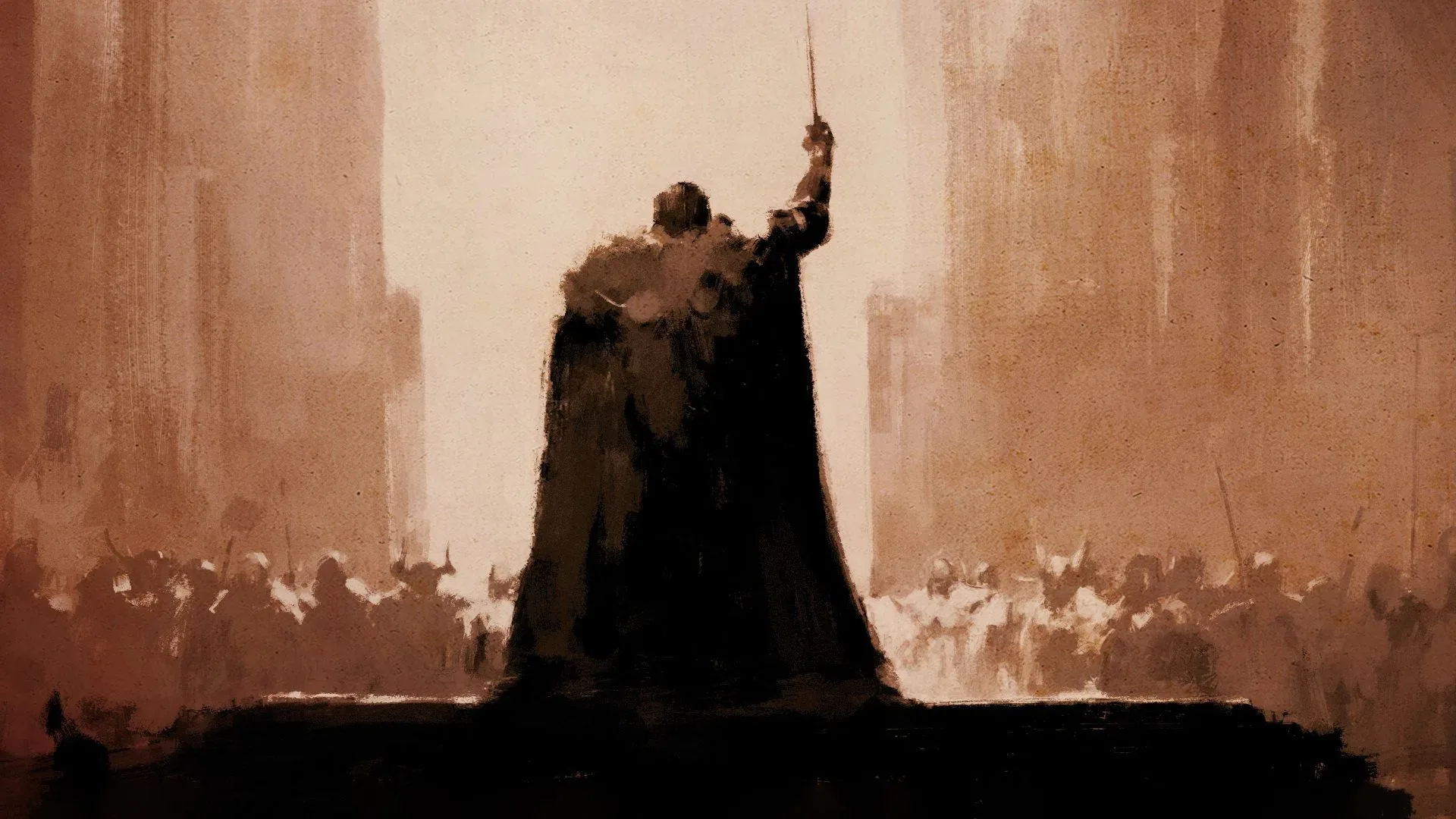
Diablo 5 may be a long way from its spring 2029 release window, but one early design statement has already landed at the center of a familiar action-RPG debate: should success come primarily from fast hands in the moment, or from the character build assembled before a fight begins?
Senior game director Joe Shely has offered a concise answer. Diablo 5 will retain some “DEX” mechanics—his shorthand for moment-to-moment execution—but is intended, on balance, to be an “INT/STR” game built around planning and investment. The guiding principle, Shely said, is that players should be able to overcome any challenge with the right build.
“While Diablo V will continue to feature some DEX (moment-to-moment execution) mechanics, on balance the game will be an INT/STR game (planning and investment). We are designing to the core tenet of ARPGs that any challenge can be overcome with the right build.”
It is an important philosophical signal rather than a detailed combat reveal. There are no confirmed specifics here about individual classes, skill systems, gear affixes, dodge mechanics, enemy patterns, progression loops or endgame activities. Still, the wording clarifies the intended balance: players should not be blocked solely because they cannot execute an especially demanding sequence of inputs. Character planning and the relationships among abilities and equipment are meant to matter decisively.
That distinction matters in Diablo because “build” is more than a preferred weapon or a few selected skills. In an action RPG, a build is the combined structure of a character: chosen abilities, the way those abilities interact, gear choices, and the investments that reinforce a particular strategy. A build might emphasize survivability, damage against specific targets, mobility, resource management, or effects that make several systems work together. Shely’s framing suggests Diablo 5 wants those decisions to remain the central means of solving difficult content.
What Shely means by DEX versus INT/STR
Shely’s labels are metaphors, not a confirmed list of Diablo 5 stats. “DEX” in his explanation means execution in real time: positioning correctly, aiming attacks, responding to threats and generally making sound decisions during a fight. “INT/STR” refers to preparation—thinking through a character’s direction, making investments, and adapting the setup when an encounter exposes a weakness.
For players, the practical takeaway is that Diablo 5 is not being positioned as a game with no action component. It should still ask players to engage with combat rather than simply watch numerical advantages resolve every encounter. But the stated goal is for skillful buildcraft to have enough weight that a hard challenge has an answer beyond repeated mechanical practice.
That approach is especially relevant to the broader concern that Diablo’s combat has become increasingly action-focused over time. Chris Wilson, the co-founder of Grinding Gear Games and original designer of Path of Exile, recently discussed his cautious optimism about Diablo 5 while questioning whether the series might continue toward a more arcade-like combat style. His preference is for a more fully build-centric model associated with Diablo and Diablo 2, and he expects the new game could move further toward action.
Related coverage includes Diablo 5 Director Reaffirms Build-First ARPG Philosophy as Combat Debate Grows.
Shely’s comments do not settle that disagreement, because “some” execution mechanics leaves a great deal unspecified. Even basic actions such as moving out of danger or directing attacks count as moment-to-moment demands. On the other hand, the same phrase could accommodate a more involved combat model. Until the game shows how abilities behave, how frequently players must react, and how much build strength can compensate for imperfect execution, the exact balance remains unknown.
A build-first promise has meaningful consequences
The phrase “any challenge can be overcome with the right build” creates a clear expectation. It does not necessarily mean every build will be equally strong, nor does it mean a player will never need to engage with an encounter’s immediate threats. Rather, it describes a design ideal: when a character hits a wall, revisiting the build should be a valid and powerful response.
In practice, that can make experimentation a key part of progression. A player who is struggling could reconsider the interaction between gear and abilities, make a different investment, or pursue a strategy better suited to the obstacle. The reward is not only a stronger character but the satisfaction of understanding why the revised setup works.
That is a different emphasis from a game where the dominant answer is primarily to sharpen timing, accuracy or evasive movement. Both styles can require skill. The difference is where the game places its most consequential decisions: in the seconds of combat, or in the preparation that happens around it.
Diablo has long been associated with the pleasure of turning a fragile hero into a specialized demon-slaying machine. Gear and abilities are valuable not merely as isolated upgrades but as pieces of a growing engine. A damage bonus can be useful, but an interaction that changes how an ability performs—or supports another part of the character plan—can reshape the entire approach. Shely’s remarks indicate that Diablo 5 still intends to center that iterative process of making a character more capable.
The statement also leaves room for the tension that makes this genre compelling. If planning and investment are meaningful, players need encounters that expose bad assumptions and demand revisions. But if real-time execution remains present, a successful build should still be played with awareness. The eventual challenge for Diablo 5 will be maintaining both sides without making either feel cosmetic.
Why the debate over action combat is not merely semantic
Calling a game “more action than RPG” can sound like a simple preference dispute, but it points to concrete design questions. How much power comes from equipment and character choices? How punishing are enemy attacks? Can a strong, coherent build change the terms of an encounter? Are players expected to perform precise reactions consistently, or can thoughtful preparation absorb some mistakes?
Those questions affect who feels welcomed by the game and what players do after a loss. In a strongly build-led ARPG, failure can invite diagnosis: perhaps defenses are insufficient, an ability combination is inefficient, or the character lacks the right answer to a particular danger. In a more execution-led structure, the same failure may point more directly to spacing, timing and repeated practice. Neither model is inherently better, but they produce very different rhythms of play.
For Diablo 5, Shely is explicitly placing planning and investment at the heavier end of that scale. The message should be reassuring to players who want the sequel’s identity to hinge on theorycrafting and synergy, rather than on reflexes alone. It is less useful for anyone seeking precise answers about the game’s action layer, because it does not establish the speed, complexity or strictness of those moment-to-moment mechanics.
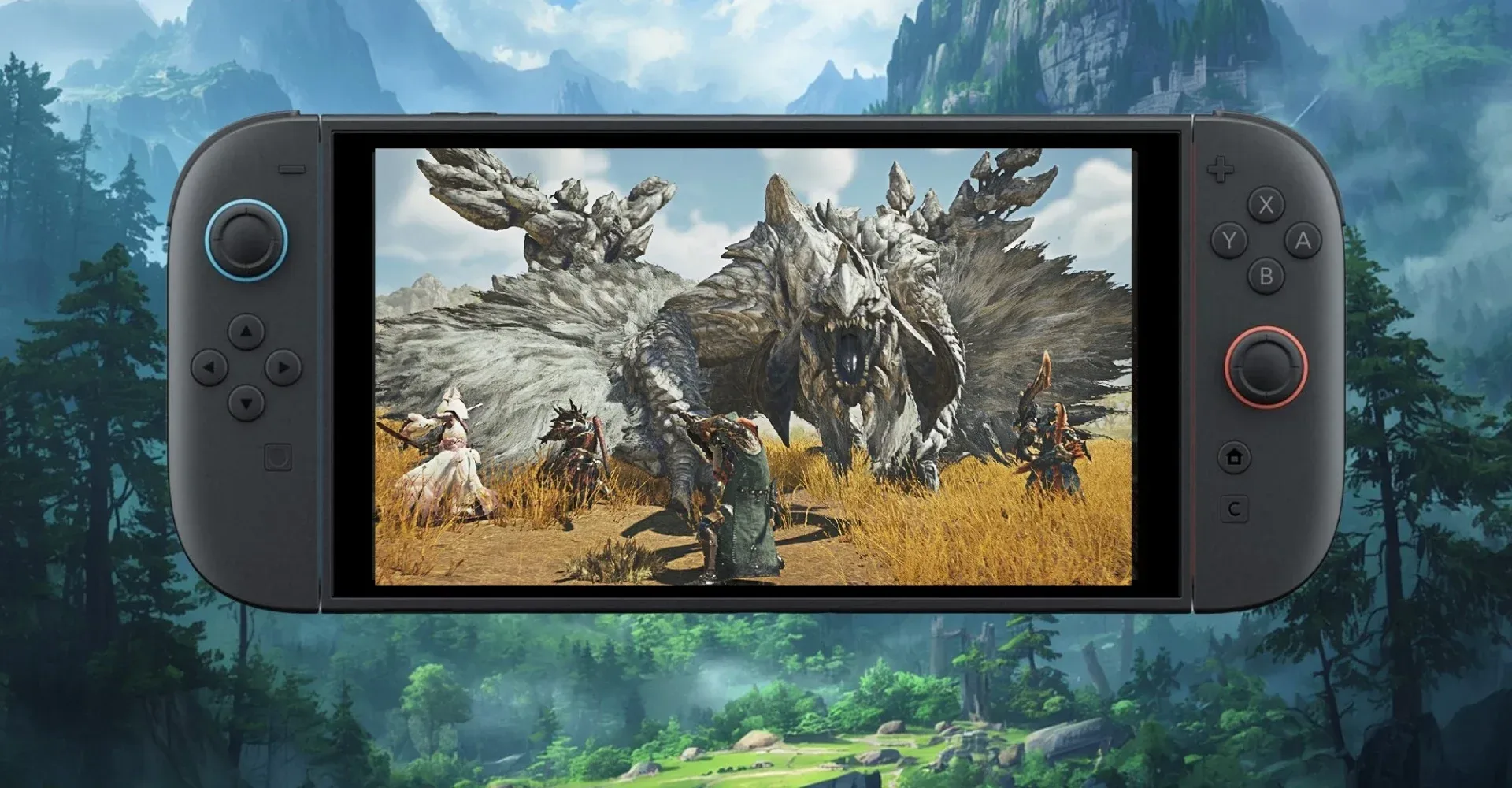
That uncertainty is unavoidable at this stage. Diablo 5 is still far from release, and only a limited set of broad details has been established. It takes place roughly 100 years after Diablo 4. Its structure is not expected to rely on conventional towns or safe zones, instead using a caravan of travelling companions as its central refuge. For more recent action-RPG platform discussion, see Joking Joystick’s look at Monster Hunter Wilds on Switch 2.
The unanswered questions are still the important ones
Shely’s statement offers a useful north star, but the implementation will determine whether it satisfies players on either side of the debate. The major unknowns include how readily builds can be changed, how broadly viable different strategies will be, and what kinds of challenges the game asks those strategies to solve. The relationship between player progression and enemy strength will be particularly important.
Monster scaling is one topic likely to remain under scrutiny. Wilson has argued that it should be removed or dramatically reduced so the world can feel more dangerous and less accommodating. The concern behind that view is straightforward: if opponents continually rise to match the player, becoming stronger can feel less tangible. A build-first game benefits from a sense that investment changes the player’s relationship with the world—turning a former threat into a manageable obstacle, for example—rather than only keeping the numbers in lockstep.
There is no confirmation that Diablo 5 will reduce, remove or retain any particular form of scaling. It remains an open design question, not a confirmed feature. The same caution applies to claims about the depth of the game’s action systems. Shely has confirmed an intent to include execution mechanics, but not their precise shape.
For now, the most defensible reading is also the simplest one: Diablo 5’s leadership wants the game to remain recognizably build-driven. Players should expect to make decisions outside combat that materially affect their ability to conquer difficult fights. They should also expect some real-time demands once those fights begin.
That combination is hardly radical for the genre, but it is exactly the reassurance many prospective players were looking for. Diablo 5 has years to explain how it will turn that philosophy into actual systems. Until then, the director’s message establishes a priority, not a full blueprint: the player’s plan should be powerful enough to matter when the demons arrive.