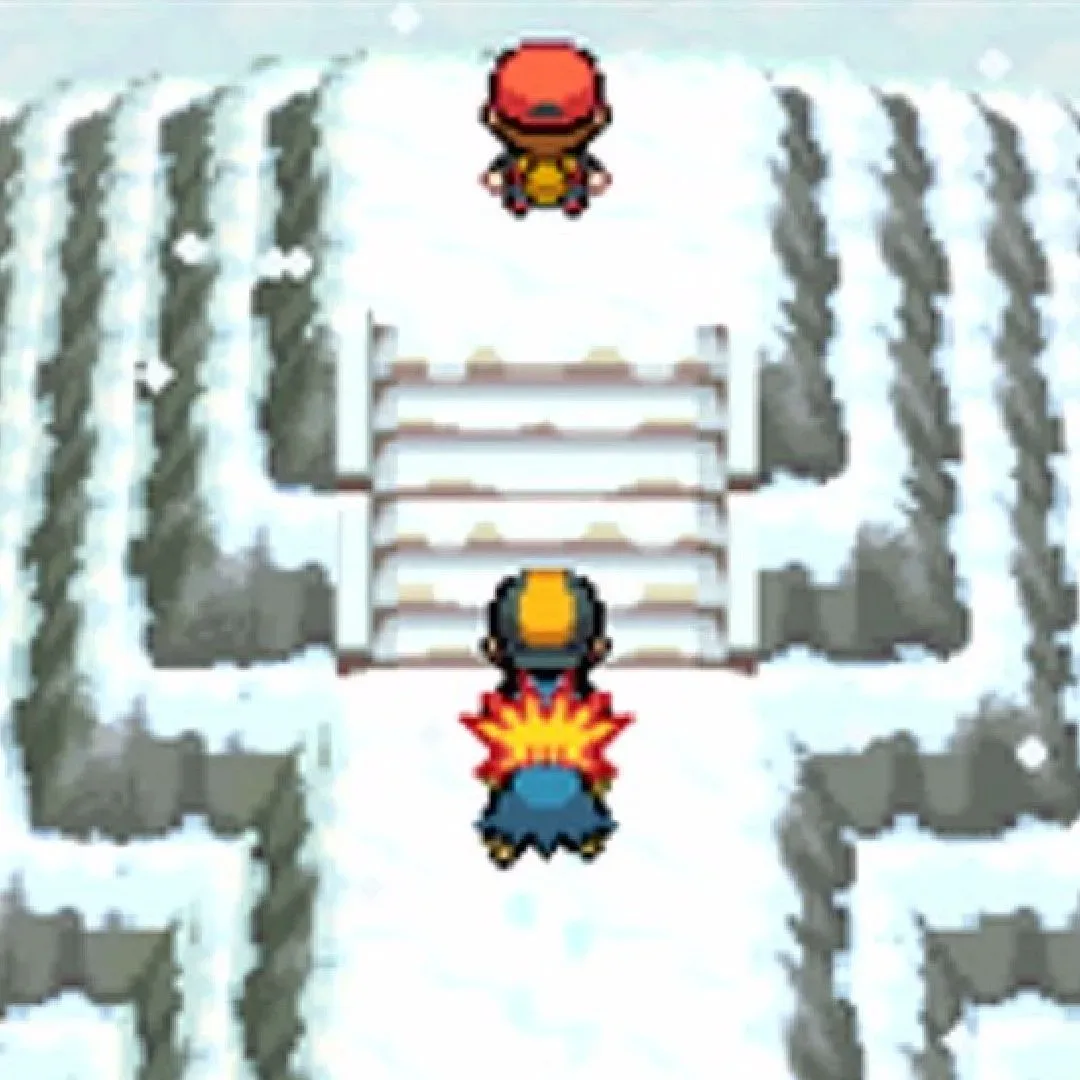
For players who know the climb to Red in Pokémon Gold and Silver as a familiar endgame ritual, Daily Red reframes the destination as a repeatable daily puzzle. The fan-made project from AmiBuilds begins immediately before the battle with Red, then replaces the comfortable certainty of a carefully raised party with a randomly selected group of Pokémon.
The central hook is simple but mean in exactly the right way: every player receives the same team for that day, every member of that team is level 100, and there is only one attempt during each 24-hour period. One day might hand over imposing names such as Charizard, Dragonite and Entei. Another may demand a plan built around Pokémon such as Goldeen and Caterpie. The opponent remains the same formidable finale, while the tools available to beat it change on the calendar.
That makes Daily Red less like a traditional full Pokémon adventure and more like a compact strategy challenge built from one of the series’ most recognizable battles. Its daily cadence evokes word-guessing games, but success is not about finding a hidden word. It is about looking at an awkward roster, understanding the matchup in front of it and extracting the best possible result before the clock closes the door.
A fixed daily puzzle, not a solo randomizer run
Randomizers often create a personalized version of a game: one player may receive an advantageous set of options while another gets a brutal draw. Daily Red uses randomness differently. The generated party is shared. Everyone confronting Red on a particular day is working from the same selection of first-, second- and third-generation Pokémon.
That distinction matters. A great team can still make for an easier day, and a weak or poorly aligned one can still make for a rougher day. Luck determines the starting material. But because the material is common to everyone, discussion can shift toward decisions: which team members deserve priority, which matchups look viable and whether a supposedly hopeless lineup has a route to victory.
In other words, Daily Red creates a common problem rather than merely a random experience. A loss cannot always be dismissed as bad luck when other players faced the same squad. Equally, a win with a particularly strange collection of Pokémon carries a different kind of bragging right than one earned by rolling an all-star party.
What RNG means here
RNG is shorthand for random number generation, a common term for the systems games use to produce uncertain outcomes or selections. In Daily Red’s case, the consequential random element is the team assigned for the day. The possible gap between an elite lineup and a collection of far less threatening monsters is the entire premise.
The game does not erase skill simply because chance is involved. Rather, it asks players to make decisions under constraints they did not choose. A party stacked with obvious power can reward clean execution; an oddball group asks for adaptation. The daily format gives that uncertainty an endpoint. There is no immediate do-over to wash away an unfavorable draw.
Related coverage includes Daily Red Turns Pokémon Gold and Silver's Final Battle Into a Shared Daily Challenge.
Level 100 removes one familiar Pokémon advantage
All of Daily Red’s randomly assigned Pokémon arrive at level 100. That is a deliberate equalizer against Red’s powerful team and, just as importantly, it prevents the challenge from becoming a leveling exercise. Players are not asked to spend time building experience before attempting the battle. The question is not whether a team can be trained enough to compete. It is whether that team, as presented, can be used effectively.
Level parity does not mean every Pokémon becomes equally capable. Species differences still matter, and a level-100 Caterpie is not transformed into the strategic equivalent of a level-100 Dragonite simply by sharing the number. But setting every available team member to the same maximum level means the daily variation is more visible. The strength of the roster, rather than a long preparation grind, becomes the story.
It also keeps the focus tightly fixed on the Red encounter. Daily Red does not ask players to replay the wider journey through Johto or Kanto before reaching the mountain. It drops them at the threshold of the climactic fight and lets the battle carry the whole experience.
Why Red is the right opponent for the format
Red functions as the final confrontation in Pokémon Gold and Silver, and that existing role gives Daily Red an instantly understandable target. The project does not need a lengthy new campaign, extensive narrative setup or a rotating set of bespoke bosses. The familiar premise is enough: reach the mountain, meet Red, win with whatever the day has dealt.
That clarity is useful for a daily game. A short-session challenge needs players to grasp the goal before the challenge itself becomes stale. Here, the recognizable opponent and single-battle structure make the variable team the center of attention. The daily roster is the question; defeating Red is the answer.
It is also a more focused use of nostalgia than simply replaying a classic fight unchanged. Daily Red preserves the high-stakes framing of the original showdown but changes the relationship players have with it. Instead of arriving after building a preferred party across an adventure, players have to accept a party first and discover what it can do.
One attempt, tracked over time
Daily Red uses the PC’s clock to enforce its once-per-24-hours structure. The start screen also records a win-loss ratio, turning isolated attempts into an ongoing record. That is a small feature with an outsized effect on how a daily challenge feels. A loss is no longer only a failed battle; it becomes part of a visible history that returns when the next day’s team appears.
The record introduces useful pressure without requiring a sprawling progression system. Players can return for a new puzzle, chase a better ratio, or simply see whether today’s team offers a more plausible path than yesterday’s. Conversely, a difficult draw can damage that ratio even when the player makes sensible choices. That tension is inseparable from the premise: luck sets the table, while strategy must make the meal from what is there.
For anyone who enjoys the ritual of a daily game, the limitation may be a feature rather than a frustration. It stops the format from becoming an endless sequence of rerolls and makes each win or loss feel discrete. For players looking to practice repeatedly in one sitting, though, the same system will naturally be restrictive.
There is a technical barrier before the battle
Daily Red is not presented as a click-and-play browser game from the outset. It is downloaded from AmiBuilds’ GitHub, then requires a short setup process before it can be played through a web browser. That makes it a more involved proposition than opening a typical daily puzzle in a tab.
The practical implication is straightforward: prospective players should expect to read and follow the supplied setup instructions rather than treat the project as an instant browser link. The project’s appeal is concentrated in a single battle, but accessing that battle requires some comfort with a basic installation process. That may be a fair trade for people especially interested in the concept, while others may decide the friction outweighs a once-a-day fight.
The project is also described as having been vibe-coded. The term generally refers to software created with substantial use of generative AI, where a creator works through prompts and iterative output rather than writing every portion of code conventionally by hand. It describes a development approach, not a guarantee of quality or a particular gameplay feature. In Daily Red’s case, the relevant takeaway is simply that the project’s code was created using gen-AI.
A small format with a strong social angle
Daily Red’s most interesting idea may be the combination of a shared roster and a hard daily limit. A conventional randomizer can create memorable private stories, but its results are difficult to compare directly. By assigning the same daily team to everyone, this project gives players a natural point of conversation: not just whether Red was beaten, but how a specific squad held up.
That setup also makes weak teams potentially more memorable than powerful ones. A dominant trio can make victory feel inevitable. A team containing a Caterpie and Goldeen makes the puzzle legible immediately: what can possibly be done with this? The appeal lies in confronting that question rather than in pretending every daily roll is balanced.
Daily Red therefore lands somewhere between a nostalgic battle remake, a roster randomizer and a scorekeeping ritual. It has no need to replace a full Pokémon playthrough. Its purpose is narrower: one recognizable confrontation, one assigned team, one daily chance to prove the draw was workable—or to accept that Red had the better day.
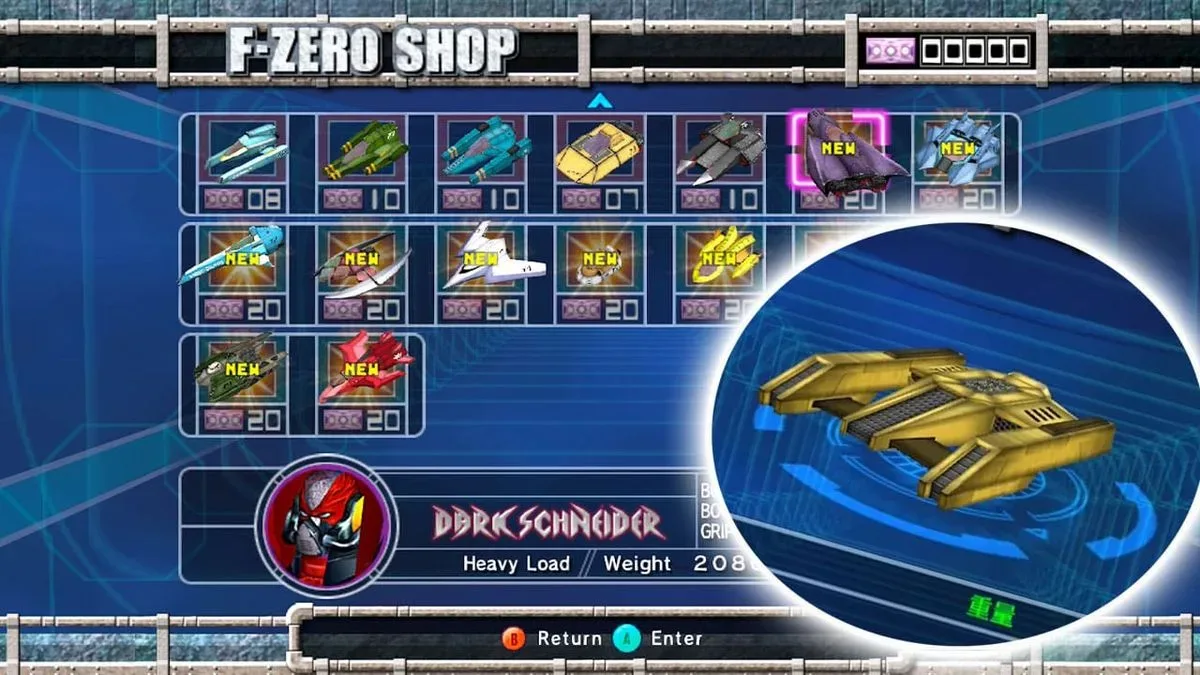
Players interested in other ways older games can receive surprising new challenges may also want to see how newly surfaced F-Zero GX cheat codes unlock AX content and Gold Parts. Daily Red takes a different route, but both examples show how a familiar game can gain a fresh layer of replayability when its established rules are nudged in a new direction.