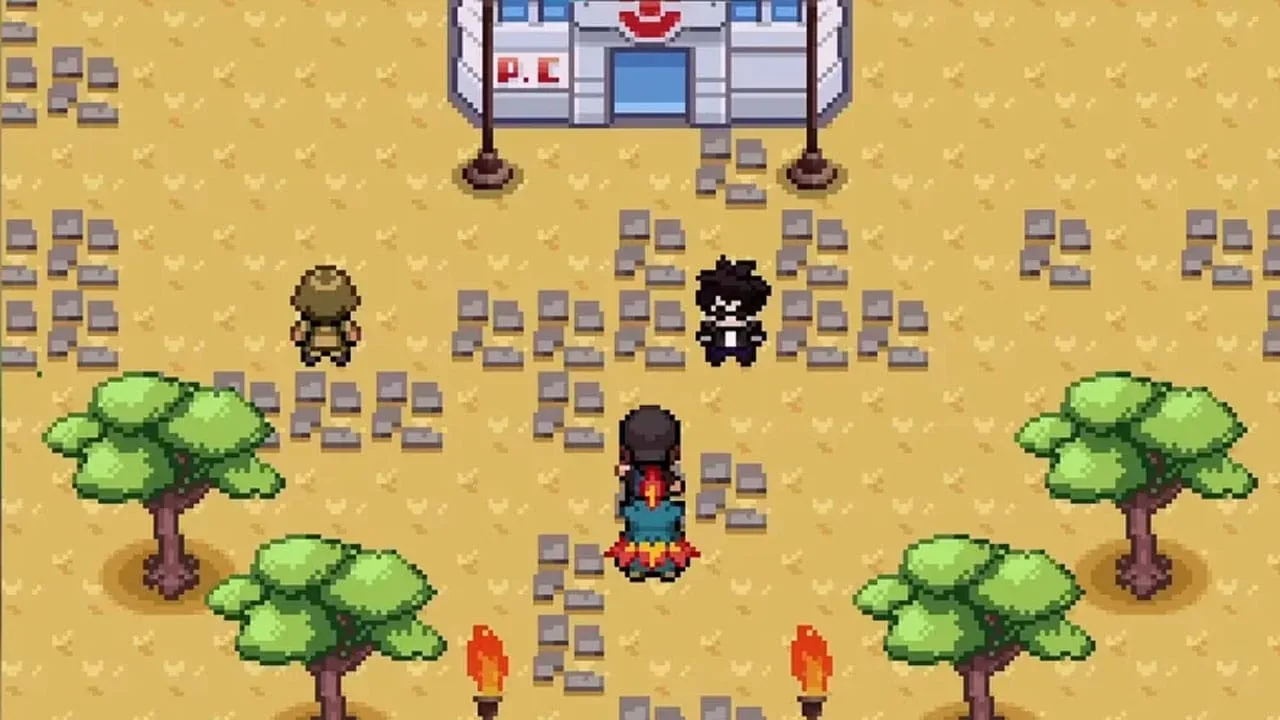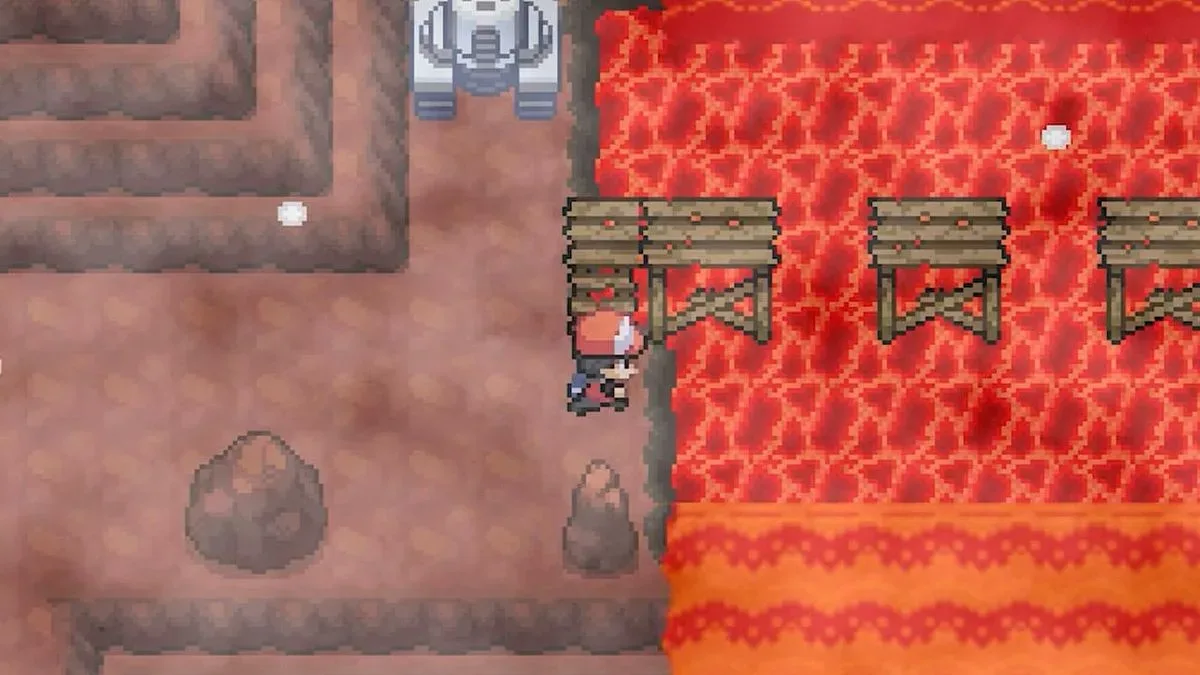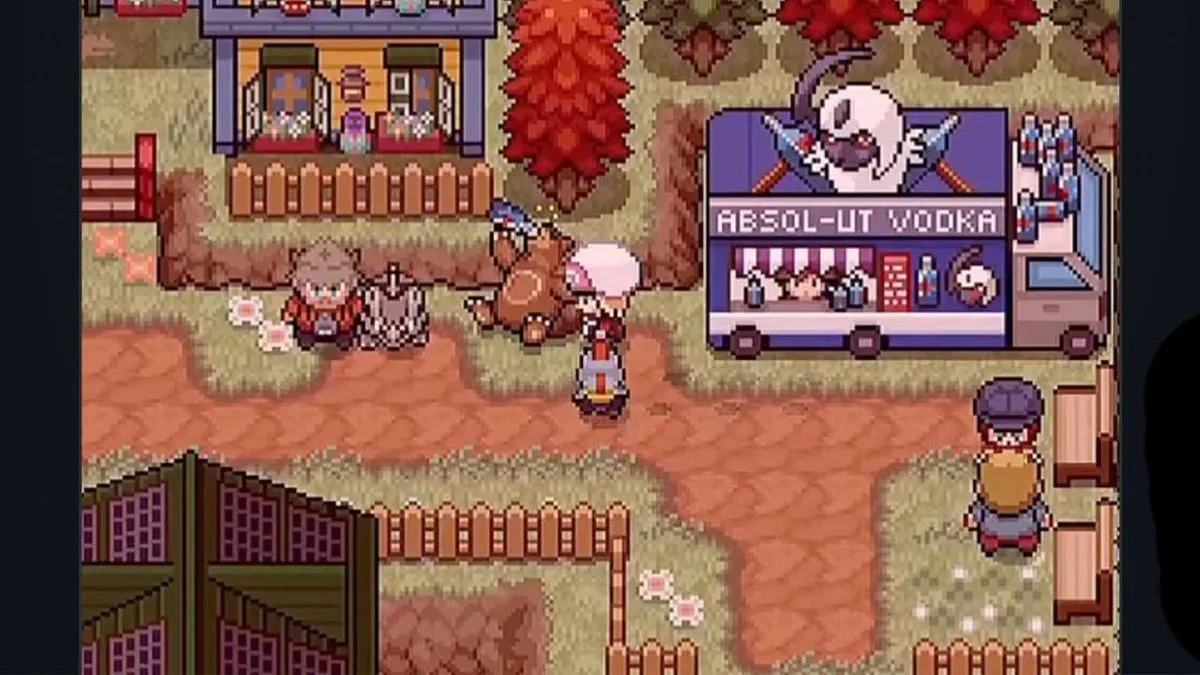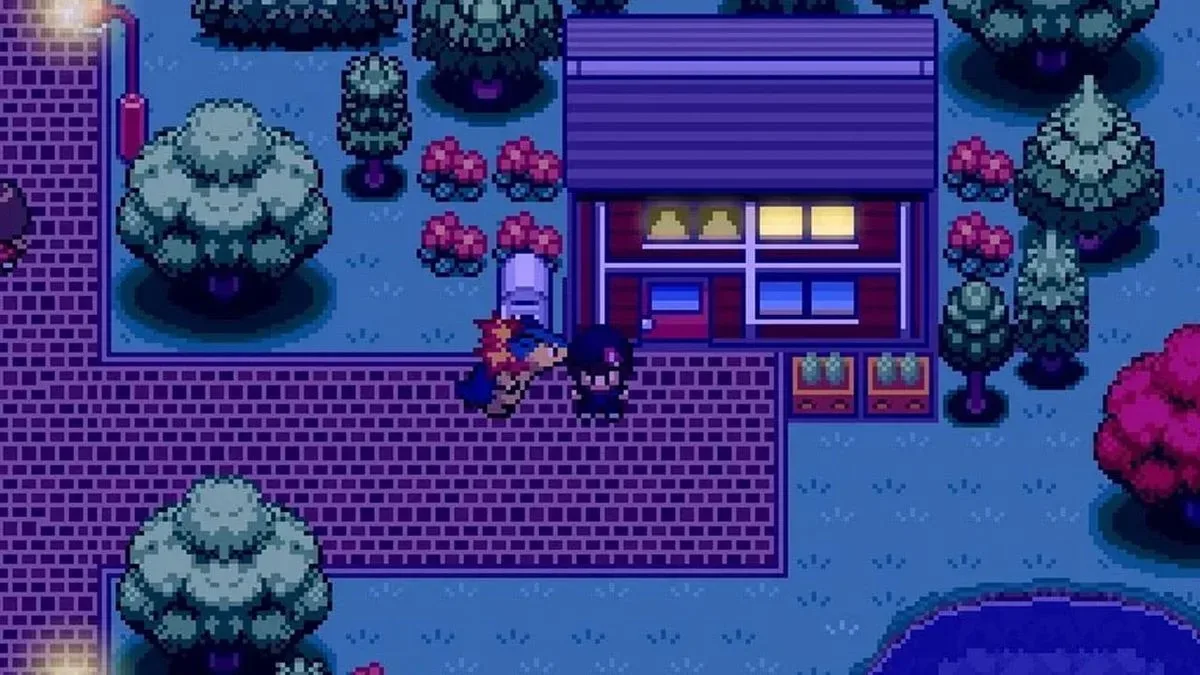
Pokémon Reforged Bronze has received a second demo, bringing a sizeable opening slice of its Roria adventure back into focus. Created by Aurum Blaze and previously known as Pokémon Rusted Bronze, the fan project revisits the story associated with Pokémon Brick Bronze in a new GBA-style presentation built with Pokémon Essentials 21.1 and RPG Maker XP.
The headline feature is difficult to miss: players can choose from 27 starter Pokémon. The selection covers the three traditional starters from each generation from Kanto through Paldea: Kanto, Johto, Hoenn, Sinnoh, Unova, Kalos, Alola, Galar and Paldea. It is an intentionally enormous decision for the beginning of a Pokémon-style RPG, and one that can meaningfully change the feel of an early playthrough even before the player reaches the first Gym.
The demo also reaches the fourth Gym, located in Anthian City, and includes three battles beyond the demo’s main endpoint. Alongside Roria’s returning premise and locations, the build introduces overworld Pokémon encounters, Data-type Pokémon, Virus Pokémon, Dataspace challenges, a Shiny Charm obtainable from the in-game Home PC, and one special event Pokémon.
A familiar Roria story in a different format
Reforged Bronze is a remake-minded project rather than a simple restoration. Pokémon Brick Bronze was made within Roblox, a platform where users can create games. Reforged Bronze instead uses RPG Maker XP alongside Pokémon Essentials 21.1, a toolkit commonly used for Pokémon-inspired fan games. That switch matters because it frames this version as a new production with a GBA-era visual direction, rather than the original Roblox game running again.
The project brings back Roria and the story players may remember, while presenting a different environment as the player travels toward its Pokémon Gyms. In practical terms, the second demo is not merely an opening showcase or a starter-selection screen: its fourth-Gym endpoint gives players room to establish a team, explore its revised routes and towns, and see how its new encounter system and original concepts fit into the broader progression.
That scope is particularly important for a remake of a game remembered for a continuing journey. A short demo can communicate art direction and nostalgia; reaching four Gyms is better positioned to demonstrate pacing. It lets the early choice of starter carry consequences across multiple major battles instead of becoming a novelty that ends before the first serious team-building decisions arrive.
All 27 starters: more choice, more early planning
Each represented generation contributes its familiar Grass-, Fire- and Water-type starter trio. With nine generations covered, that creates 27 possible first partners. The appeal is obvious for fans who have a favorite starter from a generation other than the one a conventional game happens to foreground.
It also makes the beginning less prescriptive. Rather than selecting from a three-Pokémon set designed around a specific opening area, players can begin with a partner that reflects a preferred evolution line, visual design or type. A player might pick an old favorite for sentimental reasons, choose a starter they have not used before, or deliberately build around a typing they expect to be useful later.
Analysis: Such a broad pool has a trade-off. More freedom means the opening may be less tightly balanced around one expected trio, particularly when players arrive with varying knowledge of the available starters and their eventual strengths. But that variation is also likely central to the demo’s replay value. Players can take different partners into the same Roria content and see how their preferred approach changes.
The selection spans:
- Kanto
- Johto
- Hoenn
- Sinnoh
- Unova
- Kalos
- Alola
- Galar
- Paldea
For players considering a repeat run, it is worth treating the first pick as more than a cosmetic preference. A starter is generally the team member used most consistently in an RPG’s early stages, so choosing one that complements the kinds of Pokémon a player expects to seek out can make a team feel less repetitive. The demo’s overworld encounter system may make this planning more immediate.
Overworld encounters replace random battles
The second demo removes random encounters and uses overworld encounters instead, following the broad approach seen in Pokémon Sword and Shield. In a random encounter system, a player typically walks through an encounter zone and a battle begins unpredictably. An overworld system places Pokémon visibly in the field, allowing the player to approach an encounter or avoid it.
This is one of the more consequential structural changes described for Reforged Bronze. It changes the rhythm of exploration: travelling through an area need not mean triggering unwanted battles at regular intervals, and hunting for a particular Pokémon becomes more visually directed when the potential encounter is already present in the world.
The benefit is player agency. Someone focused on story progression can move past Pokémon they do not wish to battle, while someone looking to assemble a team can choose which encounters to initiate. It also makes the act of exploring easier to read at a glance; visible Pokémon turn routes into places players scan and navigate, rather than simply spaces crossed until the next battle transition.
Explanation: “Overworld” refers to the navigable game world outside menus and battle screens. An overworld encounter is therefore one initiated by making contact with, or otherwise selecting, a Pokémon that appears in that world. It is distinct from a random encounter, where the game selects a battle from an area’s encounter table without showing the Pokémon beforehand.
Data types, Virus Pokémon and Dataspace challenges
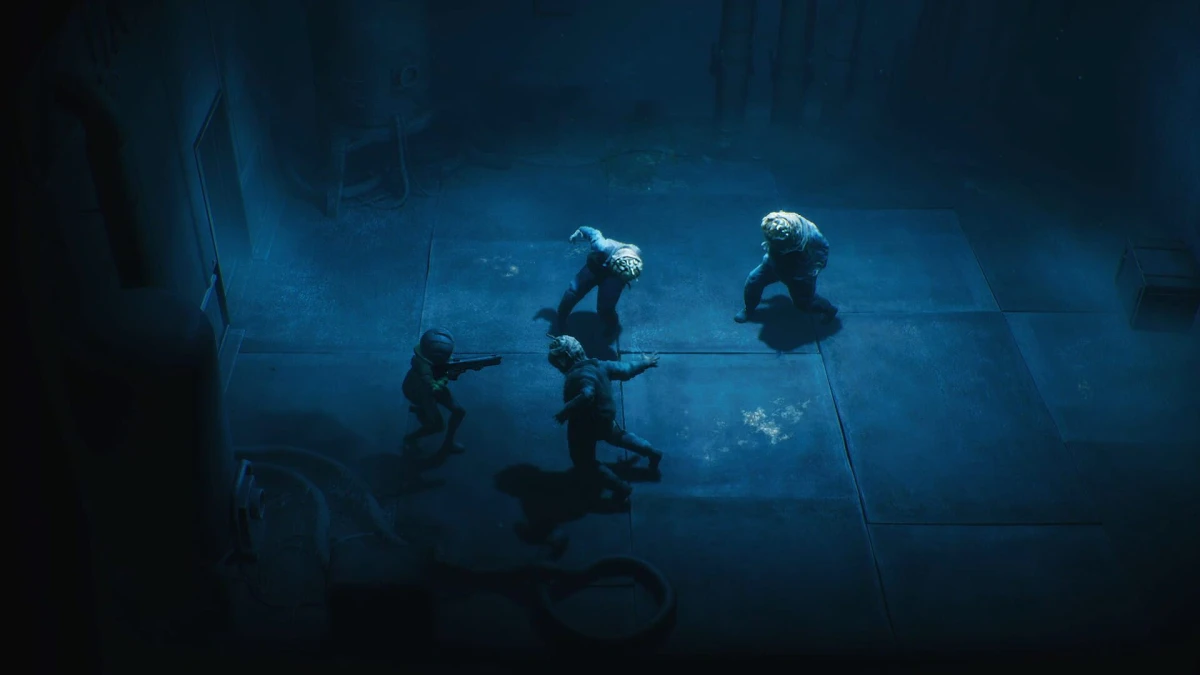
Reforged Bronze is not relying only on familiar Pokémon structure. It adds the concepts of Data-type Pokémon and Virus Pokémon, plus Dataspace challenges in Silvent City and Lagoona Lake.
The available details establish these as distinct ideas within the project, though they do not define their battle rules, matchups, rewards or place in the story. It is sensible, then, not to assume that “Data” functions exactly like a standard elemental type or that Virus Pokémon behave in a particular way. Those are mechanics that players will need to discover within the demo itself.
What is clear is that the Dataspace content is tied to two named places: Silvent City and Lagoona Lake. That gives the demo a pair of specifically identified activities beyond its ordinary Gym path. The new concepts could help Reforged Bronze distinguish its identity from a straight nostalgia remake, especially for players already familiar with the Roria setting.
Analysis: Original systems work best in a legacy-focused project when they offer a reason to engage with the remake on its own terms. The Data, Virus and Dataspace labels suggest that Reforged Bronze wants to add a separate layer of discovery to a recognizable Pokémon journey. Whether those elements are mostly narrative, combat-oriented or challenge-focused is not yet specified, but their presence signals new material rather than an attempt to copy every part of the older experience unchanged.
How far the demo goes
The main demo runs through the fourth Gym in Anthian City. That is the clearest boundary for players deciding whether to start now: the build contains a meaningful opening section, but it is still a demo rather than a full account of the adventure.
There are three post-demo battles after that point. These serve as a preview of content beyond the formal endpoint, giving players an additional reason to keep engaging after they have reached Anthian City’s Gym milestone. The demo also includes a special event Pokémon to obtain, although no further details about that Pokémon are provided.
Players can claim a free Shiny Charm from their Home PC in-game. In Pokémon terminology, “shiny” usually describes an unusually colored version of a Pokémon. The supplied information confirms the item’s location and that it is free; it does not spell out how the project implements shiny encounters, so players should avoid assuming its exact effect until they see it in the game.
The Home PC detail is useful because it tells new players precisely where to look instead of leaving the bonus hidden behind vague instructions. Combined with the event Pokémon and post-demo fights, it suggests there is optional material to seek out alongside the four-Gym story route.
What prospective players should know
Pokémon Reforged Bronze is an unofficial fan project, so its appeal rests on a mixture of returning Roria material and its own changes: the GBA-inspired remake format, a 27-way starter choice, visible encounters, and its Data- and Virus-related ideas. Players coming chiefly for Pokémon Brick Bronze’s story have a clear path back into Roria. Players coming for something unfamiliar have several mechanical hooks to explore before the demo reaches Anthian City.
The demo is described as available through Eevee Expo. Before setting out, prospective players may also want to look through the wider games releasing today on October 1, 2026 roundup for other new-game activity on the same day.
For Reforged Bronze specifically, the most practical first decision remains the simplest: choose one of the 27 starters, then use the overworld encounters to shape a party around it. With four Gyms, two named Dataspace challenge locations, three extra battles and optional bonuses, the second demo offers substantially more than a brief opening glimpse of Roria.