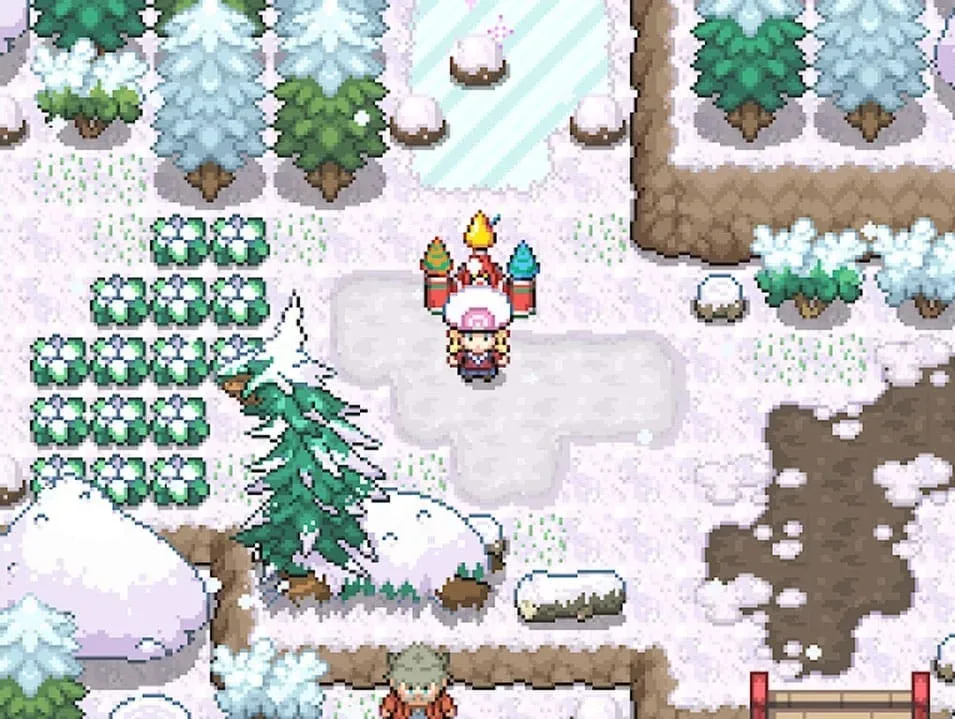
Pokémon Axón is inviting players into Karelia, a new region framed around Slavic-inspired culture and an “Ancient Russia” aesthetic, while making clear that its setting is not intended as a distant historical period. The project’s version of Karelia is described as comparatively close to the present day, with its identity shaped by peoples and cultural influences associated with the wider Slavic world.
Its scale is one of the clearest points established so far: the adventure includes 25 towns and 36 cities, alongside additional secret locations. That is a sizeable promise for a fan-made Pokémon-style journey, particularly because the setting is being positioned as more than a visual backdrop. Karelia appears intended to be the organizing idea behind the project’s places, creatures and flavor.
Players can begin with regional versions of Snivy, Totodile and Litten. Pokémon Axón also introduces Gimmishot and Vhodkengo, a newly presented pair described as a convergent species reminiscent of the Gholdengo evolutionary line. The game is available to download through the project’s own website.
A region built around a specific cultural mood
“Ancient Russia” can suggest a very broad period and place, so the clarification around Karelia matters. Pokémon Axón is not being presented as a strict recreation of a particular historical era. Instead, its developer has characterized the setting as near-modern while drawing inspiration from Slavic cultures. That distinction sets practical expectations: the game is using a cultural and regional theme for an original Pokémon adventure rather than claiming to document history.
The available details point to an intentionally expansive map. A total of 61 named settlements before counting secrets gives the region a large stated footprint. However, players should avoid reading more into that number than has been confirmed. There is no supplied breakdown of route structure, the role each settlement plays, progression order, quest systems, story length or how those secret areas are discovered. The town-and-city count is useful as a sign of ambition, but not as a guarantee that every location has the same scope or function.
That caution is especially useful with fan projects. A large regional concept can be compelling long before every part of its design is fully understood from public material. For now, the firm takeaway is the setting, the number of settlements cited, the presence of secrets, and the roster additions—not a detailed map guide or a measure of campaign length.
What the starter choices suggest
Snivy, Totodile and Litten form Pokémon Axón’s starter trio in regional-variant form. A regional variant is a reinterpretation of an existing Pokémon associated with a particular region. Rather than introducing three wholly unfamiliar starter species, this approach uses recognizable foundations and gives the region its own take on them.
That decision can make a setting feel distinct quickly. Players already know the broad identity of Snivy, Totodile and Litten from the wider series, so altered regional versions establish that Karelia has its own ecological or stylistic perspective without requiring newcomers to learn every creature from scratch. It also puts familiar Pokémon at the center of the player’s first choice, which is usually one of the most visible ways a new region signals its personality.
Related coverage includes Pokémon Axón Brings a Slavic-Inspired Karelia Region to a New Fan Adventure.
Exactly how these variants differ has not been established in the provided information. Their typings, abilities, move pools, evolution details and battle roles should therefore remain open questions. The important confirmed point is that they are regional versions chosen as the game’s starters—not merely ordinary appearances of the three Pokémon.
Gimmishot and Vhodkengo: the convergent-species addition
The other major creature reveal is Gimmishot and Vhodkengo. They are described as a new convergent species that recalls the Gholdengo line. In Pokémon terms, convergent species are separate Pokémon designed around an apparent resemblance to another species or line. The key word is separate: resemblance does not necessarily mean that one evolves into the other or that it is simply a regional form.
That makes the distinction from the starters important. Snivy, Totodile and Litten are described as regional variants, meaning changed takes on known Pokémon. Gimmishot and Vhodkengo are instead being introduced as their own species that evoke the Gholdengo line. The game’s social post says they like accumulating substantial quantities of a mysterious liquor, tying their concept to one of Karelia’s recurring thematic motifs.
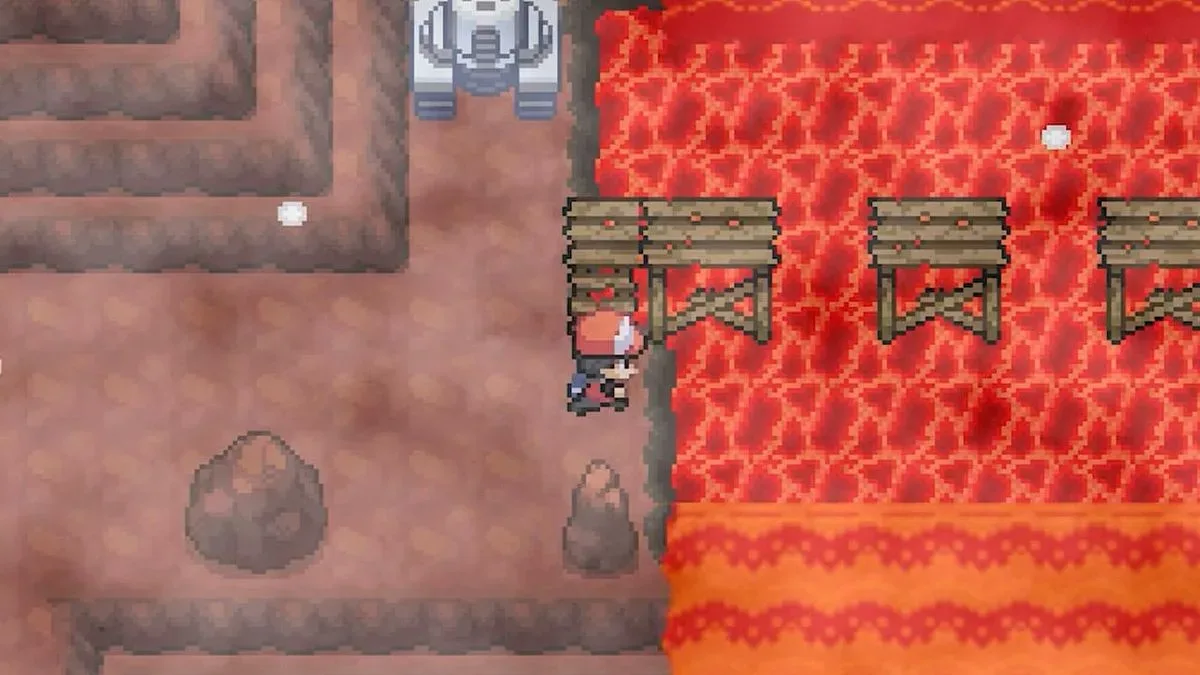
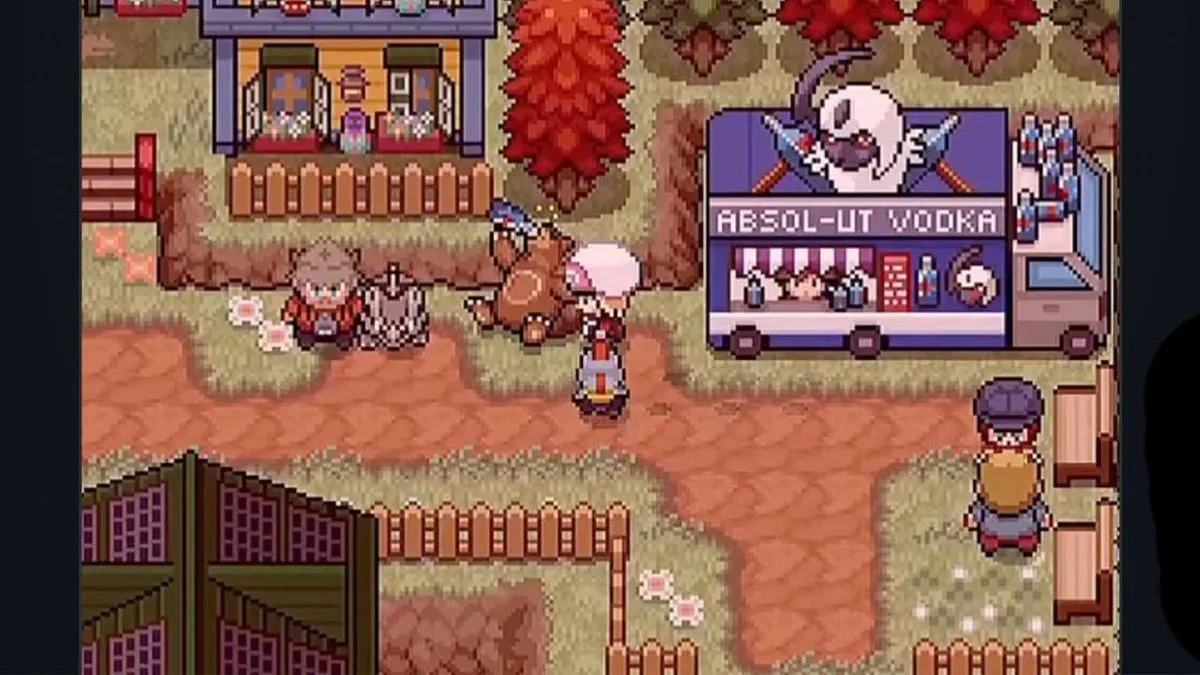
Vodka imagery is visible elsewhere in the project’s presentation as well, including a street stall and an Ursaring depicted drinking it. These elements underline the game’s chosen aesthetic, but they also explain why the Gimmishot and Vhodkengo concept is framed around a mysterious liquor. It is a design motif running through the setting rather than an isolated visual gag attached to one pair of monsters.
Why the terminology matters for players
Fan-game discussions can blur terminology when a project reveals a new creature that resembles an existing one. In this case, it is worth preserving the labels supplied for Pokémon Axón:
- Regional variants: the game’s versions of Snivy, Totodile and Litten, used as starter options.
- Convergent species: Gimmishot and Vhodkengo, a distinct pair intended to recall the Gholdengo line.
- Original region: Karelia, the game’s Slavic-inspired setting, described through an “Ancient Russia” framing but said to be close to the modern era.
Those categories help set more accurate expectations. A regional form invites questions about how a familiar Pokémon has changed in this particular world. A convergent species invites questions about its independent identity and why it visually or conceptually echoes another Pokémon. Pokémon Axón appears to be using both tools to make Karelia recognizable on its own terms.
An ambitious fan-adventure pitch, with sensible limits on what is known
Pokémon Axón’s appeal is easy to identify from the details available: a specific regional inspiration, a substantial number of settlements, hidden locations, alternate starter forms and a creature concept built around the setting’s recurring flavor. Together, those elements give the project a more defined premise than a generic new-map release.
At the same time, the announced material leaves important practical questions unanswered. There is no confirmed information here about the game’s platform, technical requirements, language support, battle mechanics, save compatibility, story premise, release history or development plans. Prospective players should check the project’s own download page for the current version and any instructions before trying it.
The distinction between official Pokémon releases and fan-made projects is also useful context. Pokémon Axón is presented as a fan adventure from a Spanish developer, so its creative choices, availability and support should be considered separately from officially released Pokémon games. The new creatures and variants described here belong to this project’s setting.
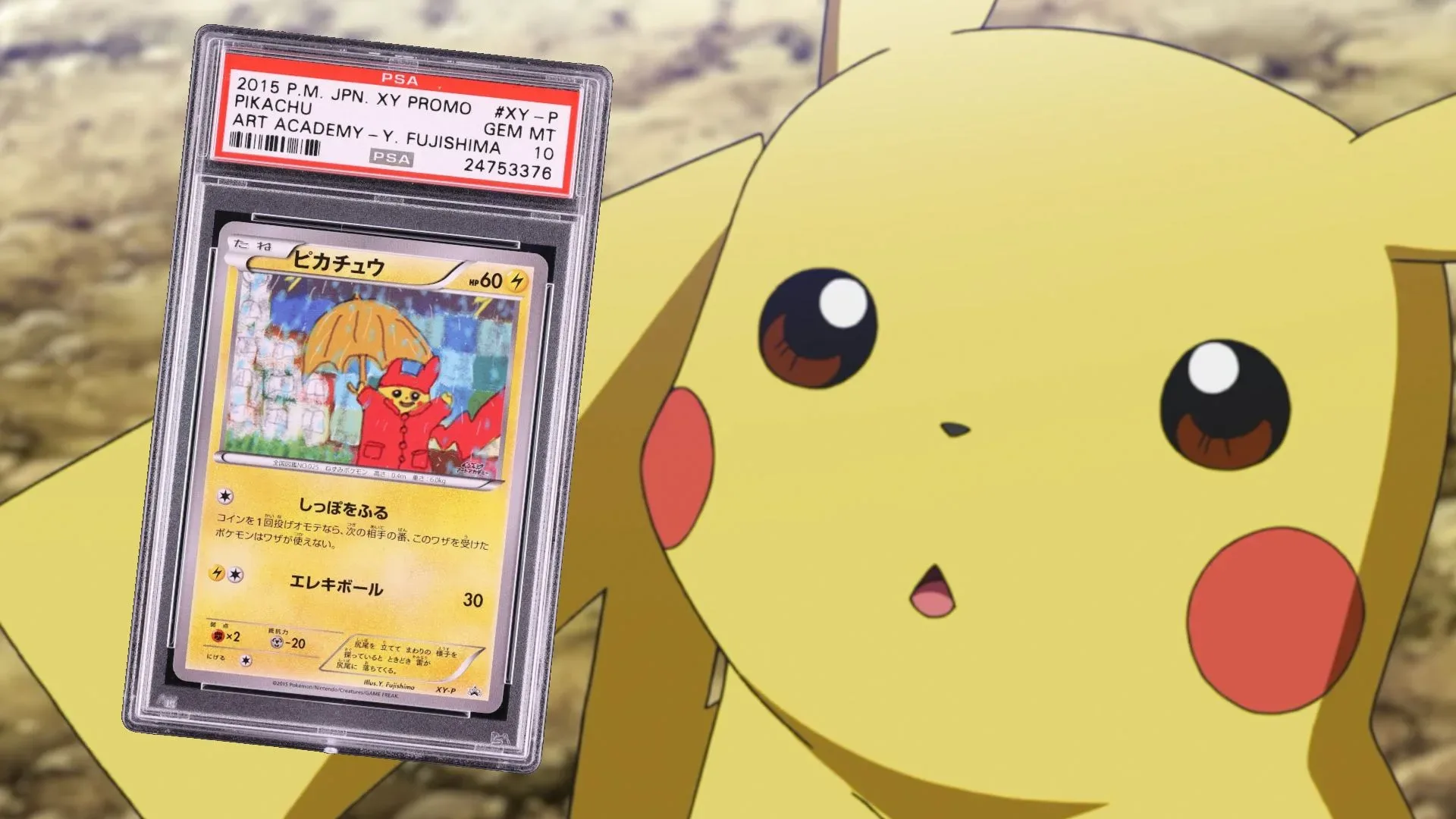
For readers whose Pokémon interests lean toward physical collectibles rather than new game regions, the scale of the hobby is illustrated in a different corner of the franchise by the Raincoat Pikachu card’s landmark auction result. Pokémon Axón, by contrast, is focused on a playable regional concept: its draw is exploration, starter selection and discovering how its Karelia-inspired ideas appear across the adventure.
For now, the most concrete reasons to look at Pokémon Axón are its stated 25 towns, 36 cities and secrets; its regional Snivy, Totodile and Litten starters; and Gimmishot and Vhodkengo’s convergent take on the Gholdengo-line concept. The finer details of Karelia will need to come from the project itself as players explore it.