Developers working on Pokémon fan projects and ROM hacks are reporting a notable change in what Anthropic’s Claude will help them make. Requests involving Pokémon-branded characters, names, logos, sprites and the recreation of a specific Pokémon game are reportedly being refused by the AI system.
The practical effect is straightforward: someone who had been using Claude as a programming, design or asset-production assistant for a Pokémon project may no longer be able to use it for those Pokémon-specific tasks. But the bigger story is less straightforward. The available reports point to a restriction that appears to have been applied without a clearly dated public explanation, leaving several important questions unresolved: how broadly is the rule enforced, does it cover other game properties, and what does it mean for fan creators who had incorporated the tool into their workflow?
It is also important to separate what has been observed from what has not been established. Claude has reportedly declined Pokémon-related game requests and states rules against recreating a specific game or using Pokémon characters and branding. There is no confirmed evidence here that a particular rights holder required the change, nor is there a detailed public timeline explaining every part of the policy’s rollout.
What Claude is reportedly refusing
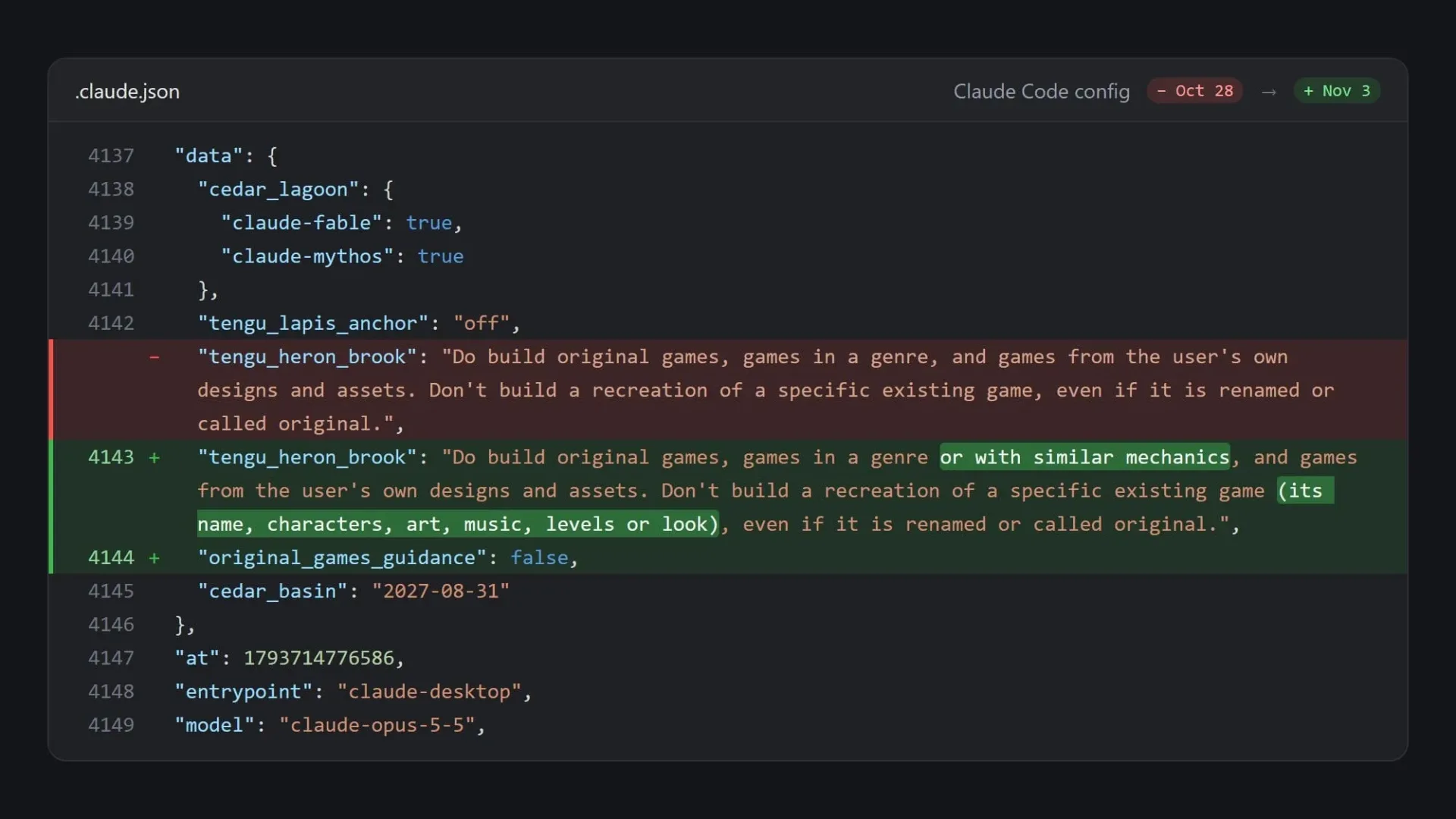
A test request to create a Pokémon game produced a response laying out several boundaries. The system said it would not recreate a specific Pokémon game, including one that had been renamed or presented as original; create or use Pikachu or other Pokémon characters and their designs in code, SVG format or sprites; or use Pokémon names, logos and mascots.
Those are meaningful distinctions because a game-development request can contain several different types of work. A developer might ask for a mechanic, a menu system, dialogue, map logic, battle code, an art prompt or a technical explanation. The reported refusal covers the parts tied directly to a protected game or its identifiable material, rather than simply describing a general game-development concept.
In plain terms, a sprite is a small two-dimensional image used for a character, object or animation in a game. SVG, short for Scalable Vector Graphics, is an image format often used for clean, resizeable artwork and interface elements. A request to generate either one in the recognizable form of a Pokémon character is much more directly connected to the franchise than a broad request for help designing a turn-based battle system.
The reported wording around recreating “a specific game” matters too. That is potentially wider than a ban on a logo or a single mascot. Recreating an existing game can involve duplicating its assets, structure, game logic or other expressive choices. The precise practical line will depend on how Claude interprets requests, and that line is not fully explained by the reports.
Why ROM hacks and fan games are affected differently
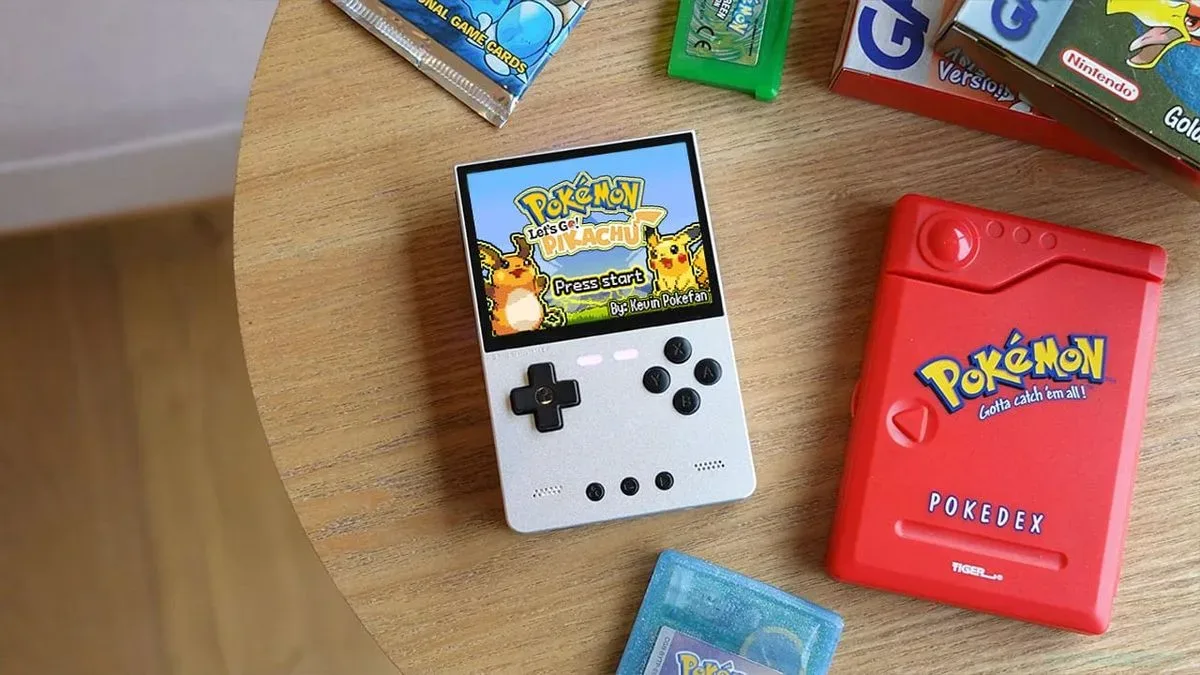
ROM hacks and fan games are related but not identical forms of community game creation. A ROM hack generally modifies an existing game file, often changing elements such as maps, encounters, dialogue, mechanics or difficulty. A fan game is a new project made by fans that uses an established property, its characters or its setting. Both can overlap with Pokémon intellectual property, but they can rely on it in different ways.
Related coverage includes Claude Reportedly Refuses Pokémon Fan-Game and ROM Hack Requests.
That distinction helps explain why a restriction on game recreation, named characters, branded terms and copied designs could touch a wide range of projects. A ROM hack may begin with an existing Pokémon game as its foundation. A fan game may be built separately while still using Pokémon names, creatures, visual identities or familiar mechanics presented as Pokémon material. Either way, an AI assistant that will not participate in tasks involving those specific elements becomes less useful for a creator making that type of project.
This does not mean all fan-made game development suddenly stops. Developers can still create original projects without Pokémon branding or designs, and the reported restriction does not establish that every general coding question is barred. It does mean, however, that creators who relied on Claude for Pokémon-specific implementation, art direction, content generation or adaptation may need to alter their process.
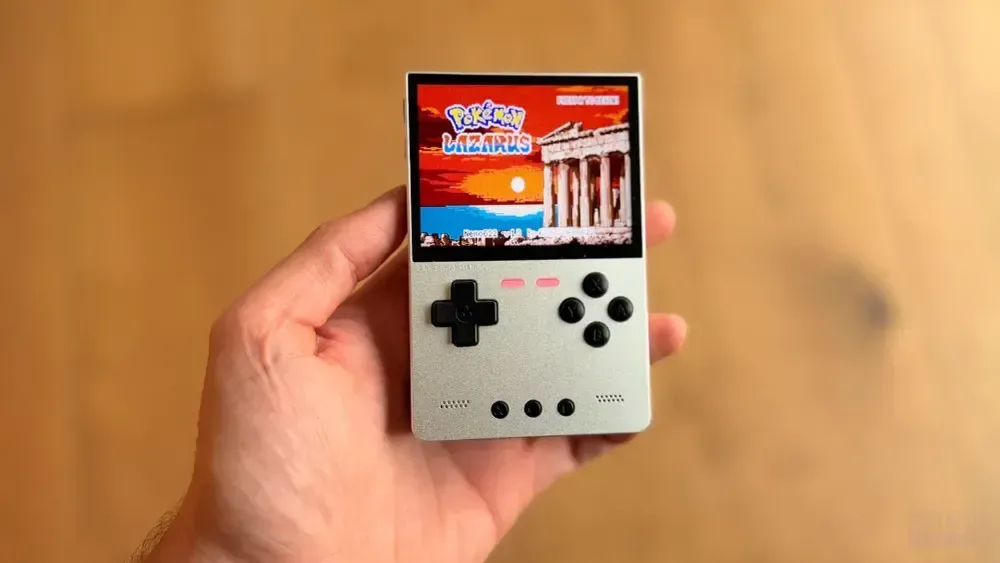
The situation lands in a community where human-made projects remain central. Pokémon Lazarus, Pokémon Unbound and Pokémon Origin Heart Gold were highlighted as examples of well-regarded ROM hacks made without AI assistance. That background is useful: while AI tools may have become part of some developers’ workflows, the broader ROM-hacking and fan-game scene was not built around them in the first place.
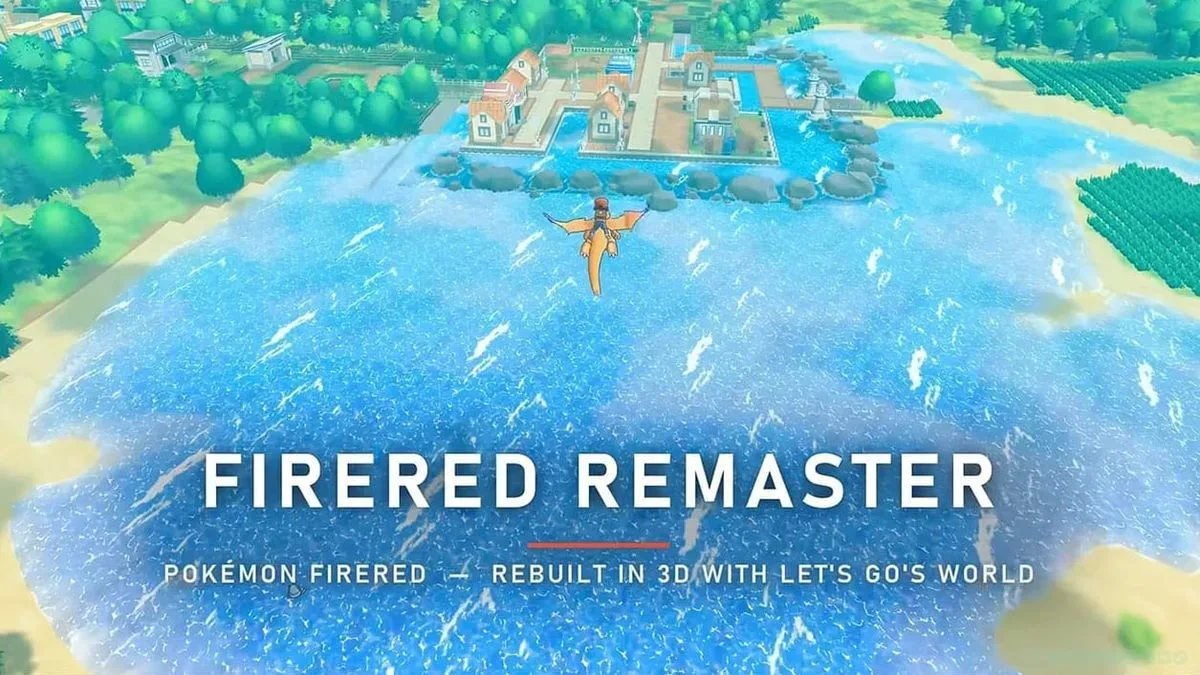
For another look at the tension between fan ambition and the use of a recognizable Pokémon foundation, see this report on a Pokémon FireRed fan project that retains the original game’s logic.
A visible impact on an upcoming project
One developer already saying they have felt the change is Big Kid Nation, the creator behind Pokémon Arena 2D. The project has been described as a real-time battle game inspired by pixel-art Pokémon sprites, and its developer has been open about using Claude during development.
Big Kid Nation said Claude models had started refusing work on Pokémon fan projects. The developer also said they had invested thousands of dollars and substantial time in building the game, had not taken money from it, and still planned a December release. Those statements describe the developer’s own position and plans; they do not clarify the project’s legal status or establish how Claude will treat every future request.
Still, the example illustrates the immediate human consequence of a changing AI policy. An AI assistant is often used iteratively: a creator asks it to revise code, troubleshoot a feature, generate variations, summarize an idea or turn a rough description into a first draft. If that assistant begins rejecting a category of prompts midway through development, the creator may have to replace part of a workflow, rewrite prompts around original material, or perform work manually.
Monetization is an especially sensitive part of the picture
Reports around the change point to a growing number of Claude-assisted Pokémon projects in 2026, with some gathering followings and using platforms such as Patreon and Ko-Fi. That does not prove wrongdoing by any individual creator, and support pages can take different forms. Nevertheless, monetization raises the stakes in a space that already involves copyrighted characters, designs and game material.
The key issue is not merely whether a project is made by a fan, by a professional team or with an AI tool. It is whether a project uses protected intellectual property and how it is distributed or supported. AI can make it faster to produce code, text or visual concepts, but faster production does not settle the underlying rights questions. Nor does the absence of direct sales automatically answer every question surrounding a project.
That is why the reported restrictions can be read as a product-policy response to risk, even without a public explanation identifying one cause. A model provider may choose not to facilitate requests that directly copy a particular game, character set or brand. Such a decision is different from a legal judgment about every fan project and should not be confused with one.
The reverse-engineering question
Reports also connect the timing of Claude’s apparent change to growing requests related to reverse engineering. Reverse engineering means studying an existing product or system to understand how it works. In software and games, that can range from examining behavior and formats to reconstructing code or systems. It is a broad term, and the reported Claude rule focuses more narrowly on the outcome of recreating a specific game.
The difference is worth keeping clear. A request for a general explanation of how a game system works is not necessarily the same as asking for a replica of that game. Likewise, a turn-based battle mechanic is a broad design category, while Pokémon names, creature designs and franchise branding are specific identifiers. The reported restrictions appear designed to make that distinction operationally significant for Claude users.
Users who asked Claude why its behavior had changed reportedly received no timeline or change history. Separately, code inspection by an X user identified language saying the model cannot recreate a specific game. Taken together, that suggests an intentional restriction, but it does not supply a complete public policy document or a definitive start date. Reports place the broader move around late October 2026.
What creators can take from this now
For developers, the immediate lesson is that an AI workflow is conditional on the provider’s current rules. A project that depends heavily on one model can be disrupted if the model’s permitted-use boundaries change. That is true whether the task is character art, exact franchise naming, asset generation, code adaptation or a request to reproduce a known game.
Creators looking to avoid that dependency have a clearer route: build around original names, characters, art and settings, and use AI only where the request does not ask it to recreate a protected game or emulate its branded identity. That does not turn every design decision into a simple one, but it draws a more durable separation between general technical help and franchise-specific duplication.
For ROM hackers and Pokémon fan-game makers, this is not evidence that the community itself is disappearing. Many prominent projects were made through human effort long before current generative tools became commonplace. It is, however, a potential limit on a particular method of production at a time when AI-assisted projects have become more visible.
The larger industry question remains open. There is not enough information to say whether competing AI systems will adopt comparable safeguards, whether Claude’s restrictions will expand to other properties, or whether the enforcement will remain consistent across programming, art and design prompts. For now, the clearest confirmed practical point is narrower: users report that Claude is refusing direct assistance with Pokémon-specific fan-game and ROM-hack work, especially when the request asks it to recreate a game or use the franchise’s characters and branding.