There is a particular kind of modern gaming argument that can turn a perfectly ordinary library screen into a philosophy seminar: when a platform says a player has “purchased” a game, has the player bought a game, or merely rented an extremely durable-looking permission slip?
That question is now sitting at the center of an ongoing California class-action lawsuit involving Sony and digital PlayStation purchases. In a recent legal response, Sony’s lawyers argued that reasonable consumers understand a digital PlayStation game is not owned in the same way as a physical object. Rather, the transaction grants a limited, revocable license to access the digital product under PlayStation’s terms of service.
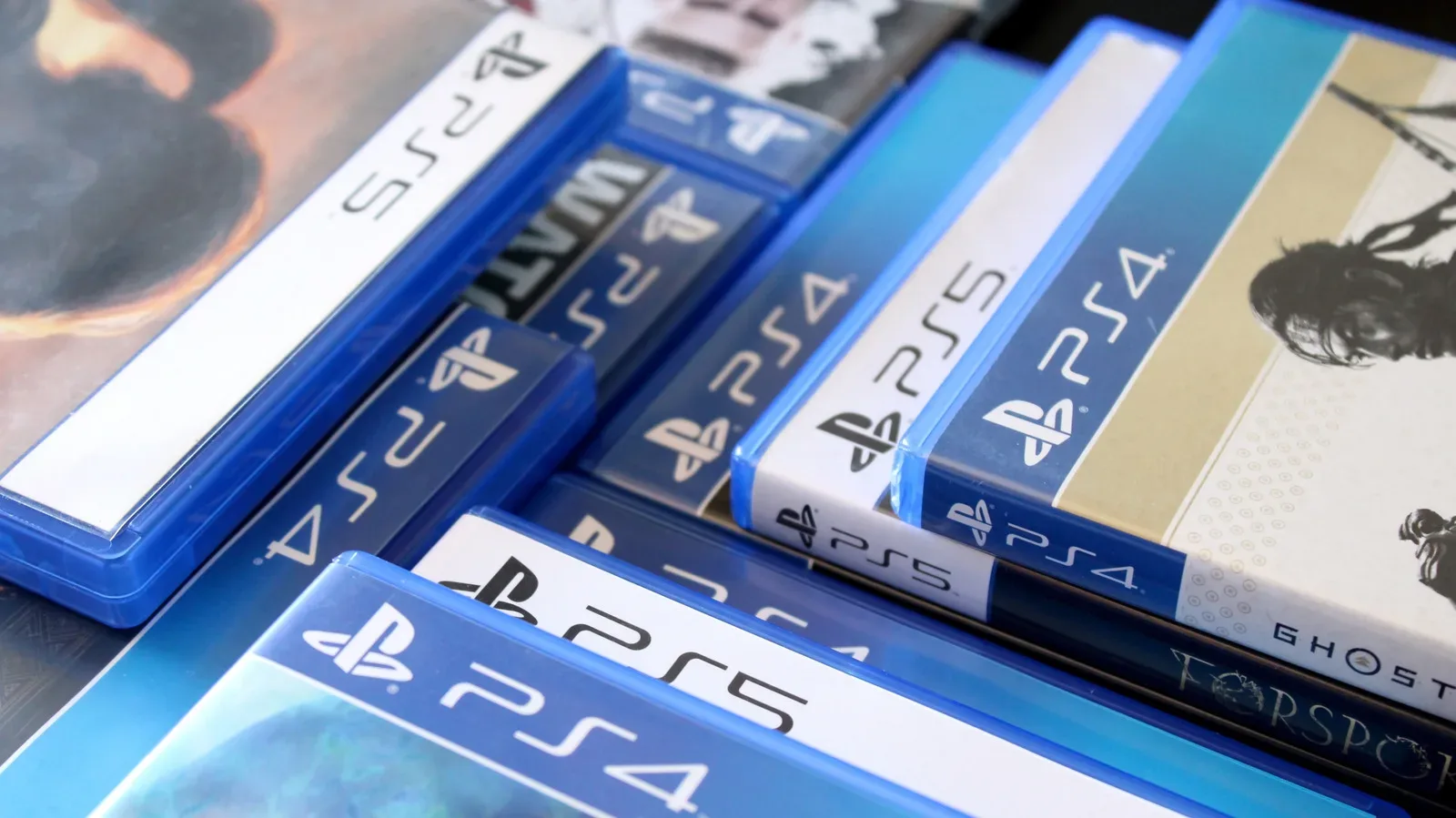
The claimants disagree, arguing that the PlayStation Store does not sufficiently make that distinction clear. Their position focuses in part on familiar storefront language such as “Purchase” and “Owned,” words that players see in the normal course of browsing, buying, downloading, reviewing, and upgrading games on PS5.
In response to the legal argument, players have begun collecting examples of PlayStation using ownership language across store pages, support material, promotional copy, system messaging, and emails. The growing list does not by itself resolve the lawsuit or establish how a court will rule. It does, however, put an especially bright neon arrow over a basic communication problem: the service’s legal definition of the transaction may not match the plain-English impression created by the interface.
The dispute is about what “buy” communicates
Most players do not approach a console storefront as though they are negotiating software rights with a licensing department. They see a price, select a game, press a button labeled with some variation of “Buy” or “Purchase,” and later find that title filed under a section identifying the games they own. That experience resembles ordinary retail language because it is intentionally built to be quick and understandable.
Digital distribution has always complicated that simple picture. A downloaded game can rely on account authentication, platform servers, publisher arrangements, regional rights, patches, and other services that a cartridge or disc does not necessarily require. Terms of service frequently reserve broad rights for platform holders and spell out that access can be limited, modified, or withdrawn under certain circumstances. Sony’s filing leans on that framework, saying consumers should recognize they are receiving a license rather than traditional ownership.
Yet the other side of that framework is just as visible: platforms routinely talk about digital libraries in the language of possession. On PlayStation, the reported examples include prompts that describe a player’s games as “owned,” explanations that downloadable content requires owning a particular game, and upgrade wording directed at people who already own a PS4 edition. One example of PlayStation promotional language tells users they can view information about the games they own when using PS5 features. Another refers to reviews by a verified owner of a game or item.
None of those phrases sounds unusual because they are the phrases people use every day. That apparent normality is why the dispute has attracted attention. A company can define a digital purchase as a license in a lengthy agreement, but players may reasonably wonder whether the prominent customer-facing vocabulary should make the limits of that license equally obvious.
Related coverage includes Sony's Digital Ownership Defense Faces Scrutiny Over PlayStation Store Language.
A catalogue of wording is not the same as a verdict
The fan-assembled examples are useful evidence of a broader public-facing pattern, but it is worth keeping the categories straight. Players posting screenshots and quotations are highlighting language they see as inconsistent with Sony’s legal position. They are not issuing a judicial finding, and a court will have to consider the actual pleadings, applicable California law, contracts, disclosures, and arguments from both sides.
Similarly, using “owned” in a menu does not automatically mean Sony has legally transferred ownership of every underlying right attached to a game. Copyright, software licenses, online features, multiplayer services, and publishing rights are all separate matters with their own restrictions. The issue is less about whether a digital storefront can use licenses at all—licenses are commonplace—and more about whether the overall sales presentation adequately tells a normal customer what is being acquired.
That is an important distinction because legal text and product design do different jobs. Terms of service are designed to define rights and obligations with precision. Storefront labels are designed to steer people through an immediate decision. The former may say “limited license”; the latter may say “Purchase” followed by “Owned.” When the two sit far apart in the customer journey, a court may need to decide whether the disclosure is sufficiently clear or whether the more prominent wording creates confusion.
The friction comes from a gap between an account-based license in the fine print and an everyday shopping experience built around the words “buy,” “purchase,” and “owned.”
Why the “reasonable consumer” question matters
Sony’s reported defense rests heavily on the idea of the reasonable consumer in a digital marketplace. That standard is not necessarily asking whether every user has read every contract. Instead, it invites a dispute over ordinary expectations: what should an average buyer understand from the transaction as it is presented?
The answer may differ depending on the person. A long-time PC player who has navigated store licenses, delisted games, discontinued servers, and shifting account rules might be very familiar with the distinction. A parent purchasing a birthday game, a casual player returning after years away, or a teenager responding to a prominent purchase button may have a much more straightforward interpretation. If the storefront subsequently tags the item as owned, that interpretation could become stronger.
That is why the collected PlayStation examples matter beyond any single line of copy. They suggest ownership language is not limited to one stray sentence or a one-off marketing blunder. The reported examples span multiple contexts: console features, DLC requirements, game upgrades, and review verification. A judge may ultimately decide these usages are legally harmless, or may see them differently. Either way, the contrast makes the debate easy to understand without a law degree or a magnifying glass.
Digital access has a preservation problem hiding inside it
The lawsuit also lands during a wider shift toward account-tied media and all-digital hardware. For players, the practical fear behind the word “ownership” is often not abstract contract theory. It is whether a paid-for game will remain downloadable, playable, and transferable years later if a store changes policy, a service ends, a publisher loses a license, or an account faces a problem.
Those worries intersect with game preservation. A physical copy is not a magical guarantee—disc rot, patches, online dependencies, and inaccessible servers can still cause trouble—but it can offer a degree of independence from a specific account storefront. A purely digital library is more closely tied to the continued operation and rules of the service that hosts it.
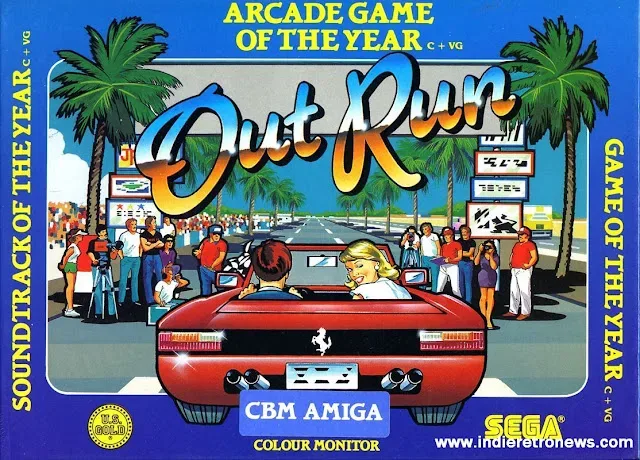
The preservation conversation reaches far beyond PlayStation. Retro projects repeatedly show how much continued access can depend on communities maintaining or adapting software after its original commercial moment has passed. For one recent example, an OutRun: Amiga Edition performance update illustrates the care enthusiasts devote to keeping older games active and playable. Commercial digital libraries operate under a different legal and technical structure, but the underlying concern is recognizable: games matter to people after the initial sale is long over.
Ownership language also affects how people plan their purchases. Someone who believes they are acquiring an enduring library may accept a higher price, prioritize one ecosystem, or skip physical editions. Someone who understands they are paying for potentially revocable access may make different choices. Clear communication does not eliminate the license model; it gives players a more honest basis on which to decide whether that model works for them.
What clearer disclosure could look like
The case does not require anyone to pretend that digital distribution works like buying a used game at a neighborhood shop. A transparent storefront could preserve the convenience of digital purchasing while putting the licensing reality near the purchase decision rather than burying it in a sprawling agreement.
- Use a direct notice before checkout stating that the transaction provides a license to access the game through the account.
- Explain, in readable language, whether access depends on an active platform service, online functions, or third-party rights.
- Define what “Owned” means when it appears in a library, upgrade offer, or DLC requirement.
- Link customers to practical policies for redownloads, delisted titles, account recovery, refunds, and service changes.
- Avoid presenting a legal limitation as a footnote when the main button and library label imply a more traditional purchase.
Whether such measures are legally required is for the litigation to sort out. But they would address the central source of player frustration: customers should not have to decode a platform’s vocabulary after paying for a game.
For now, the dispute remains unresolved. Sony maintains that a reasonable consumer understands the license-based nature of a digital PlayStation transaction, while the California lawsuit challenges the adequacy of that message. The player-led collection of “owned” references gives the argument an unusually concrete form. Every new screenshot returns to the same stubbornly simple question: if a store tells someone they own a game, what is that person supposed to think they bought?