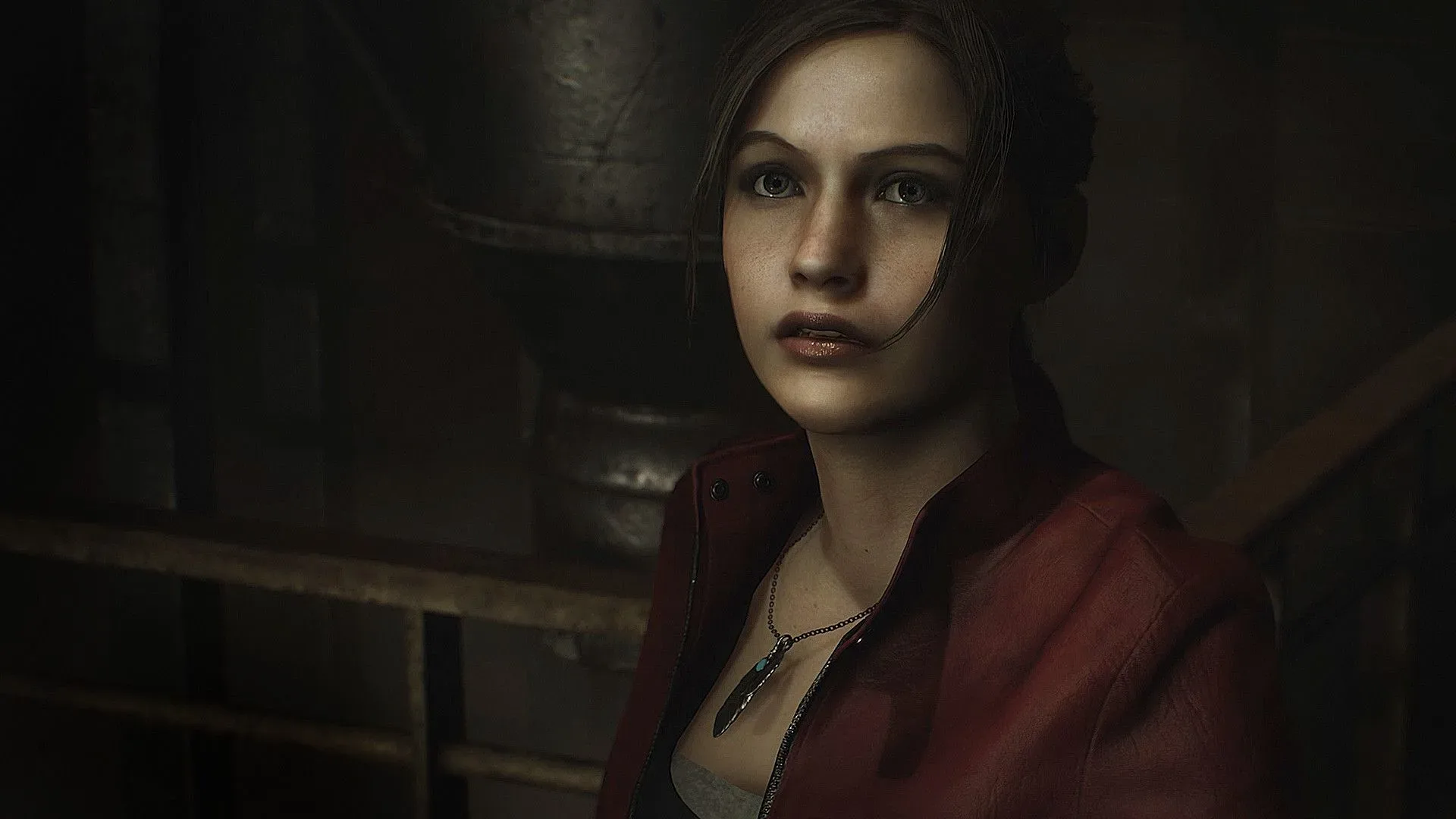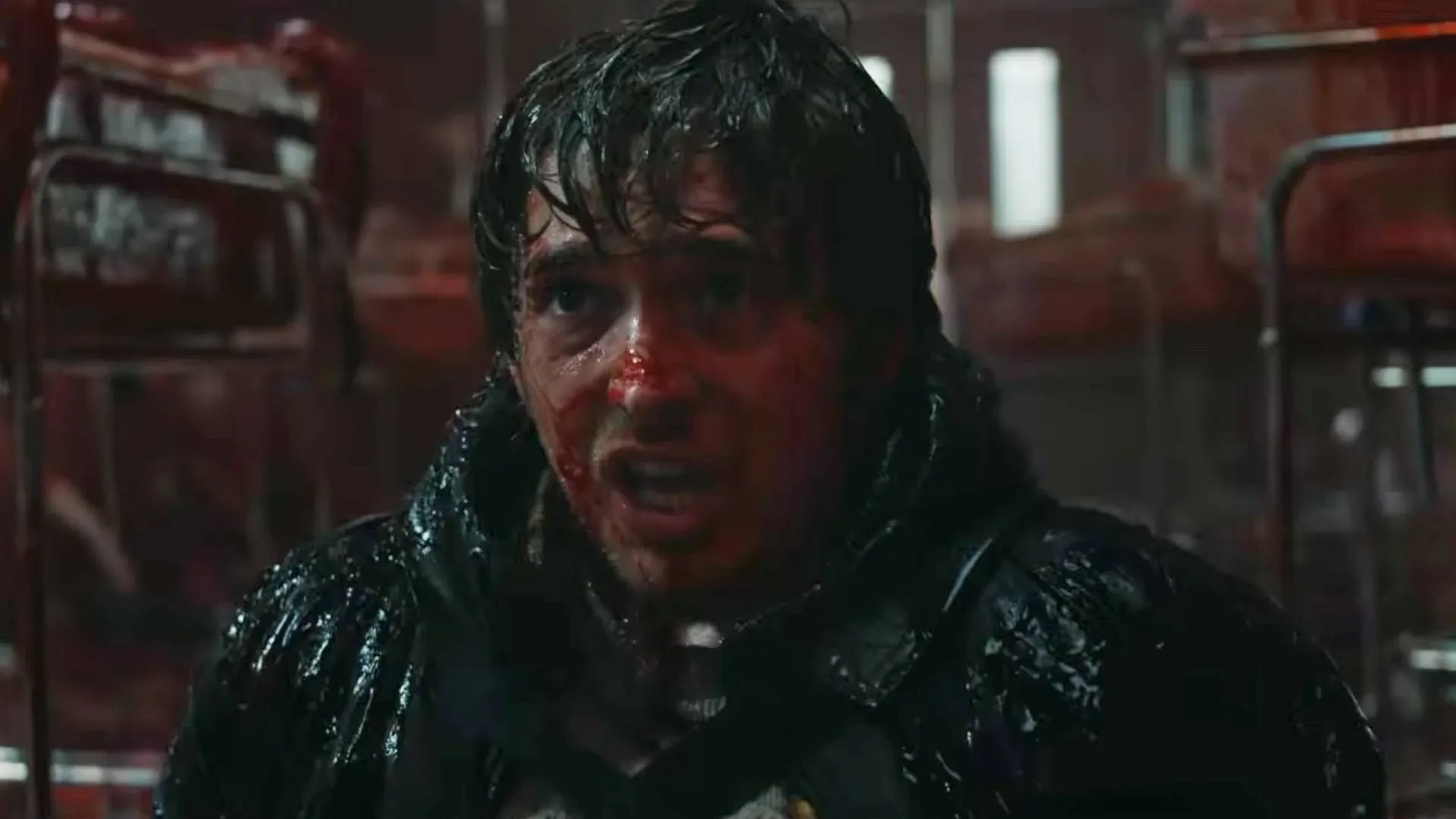
A Resident Evil film is being translated back into game form by an independent fan project, completing a particularly tangled horror loop. Resident Evil: The Movie The Game, being made by developer Julian Zamora, is inspired by Zach Cregger’s recent reboot of the film series—which is itself based on the long-running survival-horror games.
The project is still in an early state, but a short piece of gameplay shared by Zamora, who also posts as chicanogoth on Instagram, establishes a clear target: the tension and visual language associated with early PlayStation-era Resident Evil. Rather than treating the movie adaptation as material for a modern action game, the fan game uses fixed camera angles, a choice that places it much closer to classic survival horror in mood and presentation.
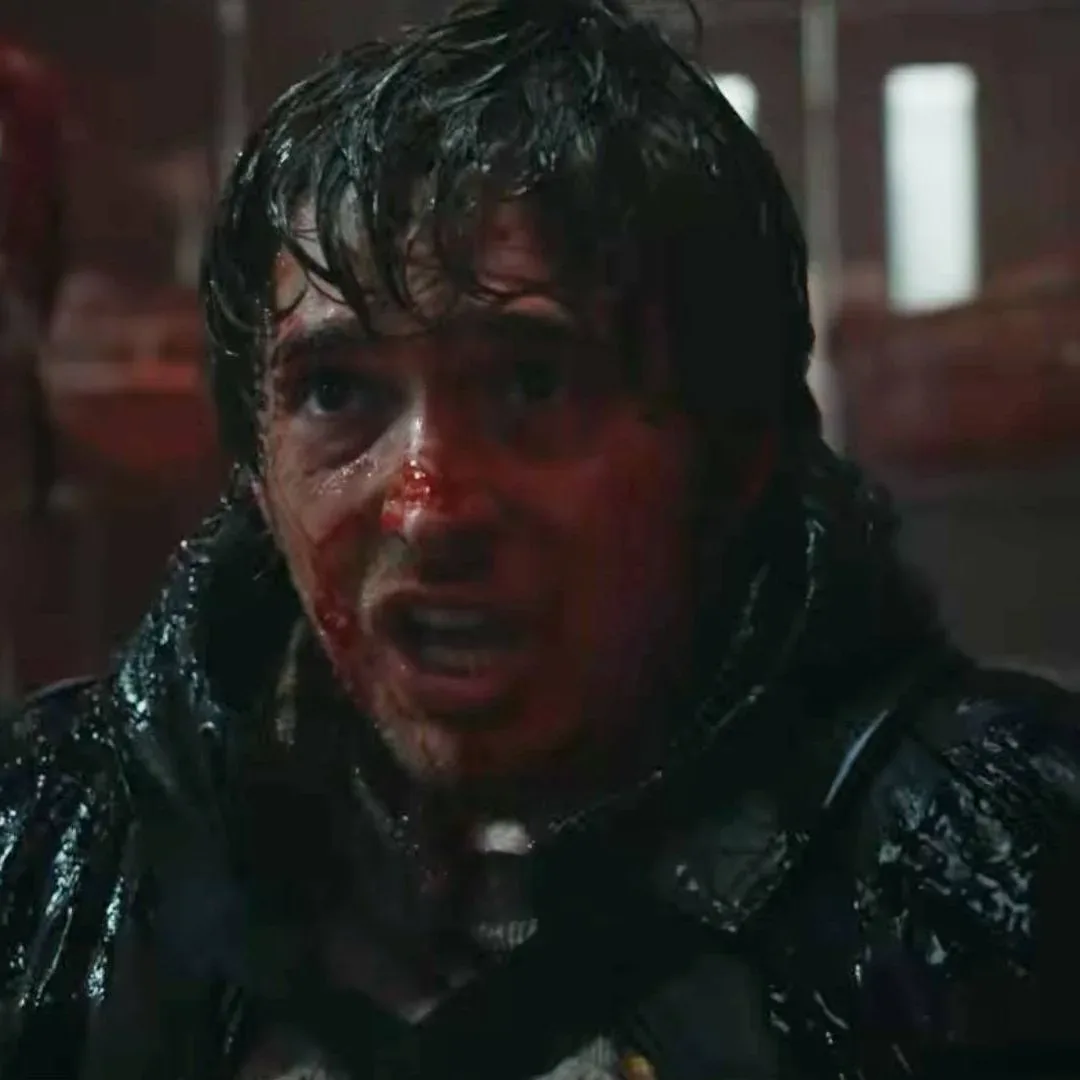
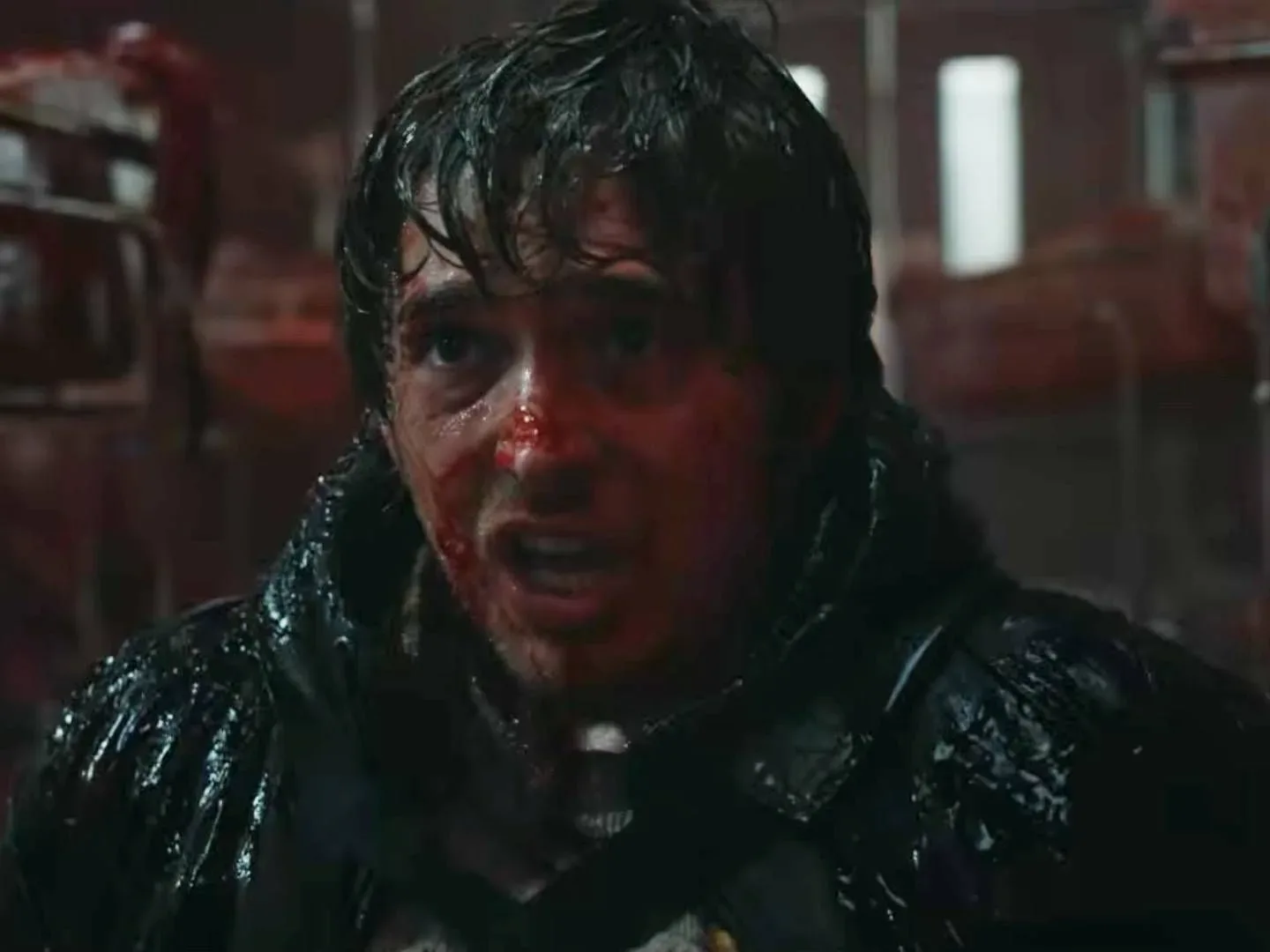
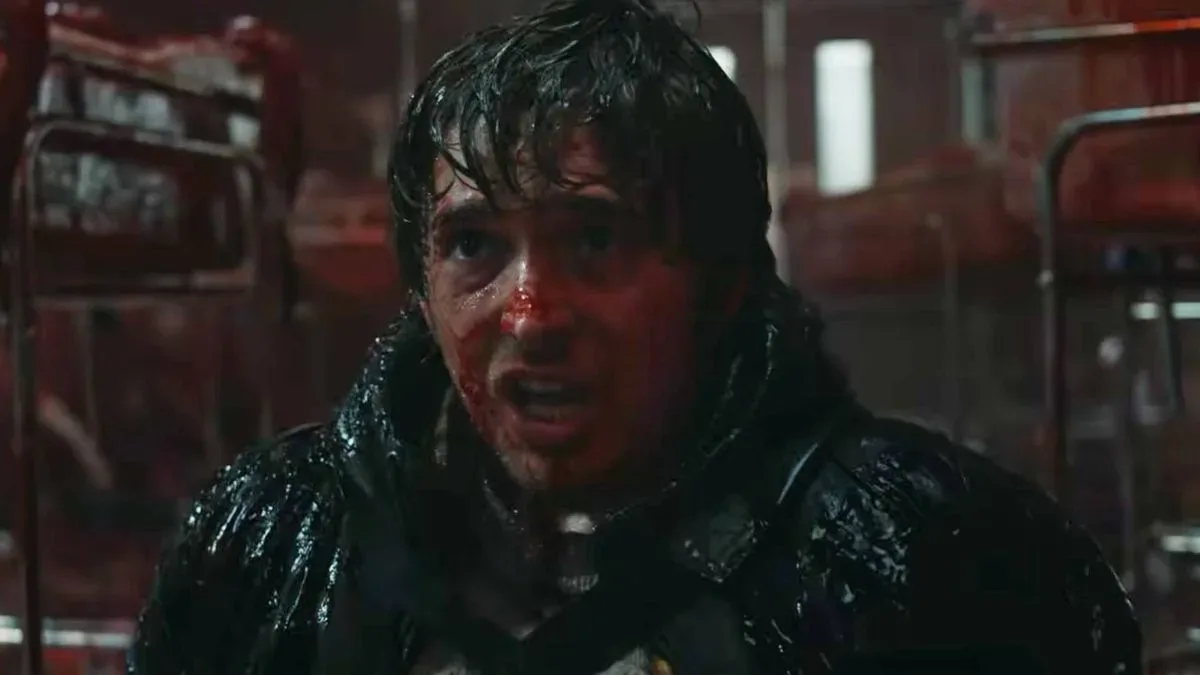
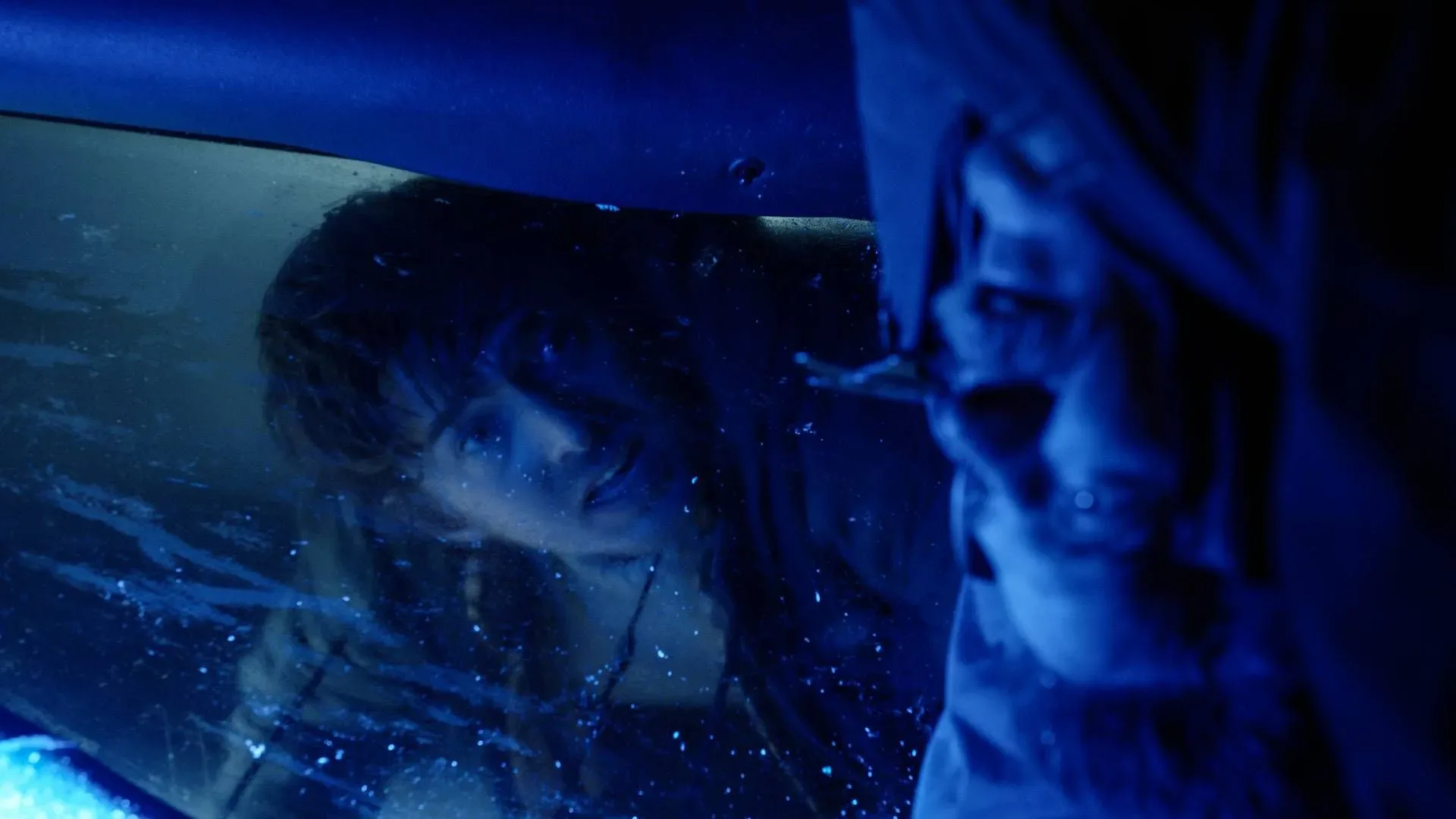
Its first showcased sequence recreates an early scene involving Bryan, played in the film by Austin Abrams. Bryan reaches a remote barn while contending with a snowstorm and an infected dog. In the game footage, the barn sits in the background as the dog pursues the player character. It is a modest slice of the larger premise, but it communicates the central idea efficiently: familiar film imagery is being rebuilt around the spatial uncertainty of old-school Resident Evil.
A game adaptation of a film adaptation
Calling this an adaptation of an adaptation is not merely a cute description. The film took a game franchise into another medium; Zamora’s project then takes that film-specific version of Resident Evil and returns it to an interactive format. That distinction matters because the fan game is not presented simply as a remake of one of the original Resident Evil titles. Its scene selection is rooted in the movie, including its particular barn-and-snowstorm setup and Bryan’s encounter with the infected dog.
For more context, explore iOS 27 Gives CarPlay a Better Co-Pilot, but Siri AI Leaves Some iPhones in the Parking Lot.
That makes the project an exercise in translation rather than straightforward nostalgia. Film horror controls what an audience sees through editing, framing, sound and timing. A game must preserve some of that pressure while giving a player movement and agency. The showcased chase addresses that challenge through camera placement: the player is not granted an unrestricted view of every approach or escape route.
For readers tracking the project, the clearest current details are its creator, its Godot development engine, its fixed-angle approach and the early barn sequence. A report on the fan project likewise identifies it as an in-progress work. There is no confirmed release date, platform list, scope, or indication that the project will encompass the entire film.
Why fixed cameras remain effective horror tools
Fixed camera angles are viewpoints placed at predetermined positions in a game environment. Instead of a camera following closely behind the character or rotating freely under player control, the image switches as the player crosses into a new area or reaches a specific trigger point. In classic survival horror, that limitation was not just a technical relic. It was part of the genre’s design language.
A fixed shot can withhold the exact location of a threat. It can frame a doorway as a point of dread, leave part of a corridor outside the image, or turn a routine change of screen into a moment of uncertainty. A pursuing dog is a suitable test case for that style because speed changes the stakes. If the player cannot smoothly swing the camera around to inspect every angle, then hearing or briefly seeing the creature becomes more important than possessing total visual control.
The approach also gives a creator control over composition. In the barn sequence, the building can remain visible as a destination, a backdrop, or a potentially unsafe refuge while the chase unfolds around it. That is different from simply applying grainy visuals or low-polygon character models. A convincing retro-horror approach depends on how information is delivered to the player, and framing is a substantial part of that delivery.
There is a practical tradeoff. Fixed cameras can make movement feel less immediately intuitive, particularly when the viewpoint changes direction between screens. But that friction can be intentional in survival horror: it asks players to make decisions with incomplete information and increases the perceived vulnerability of the character. Whether Zamora’s final controls, enemy behavior, resource systems or exploration structure follow that philosophy remains unknown. The currently visible evidence is about perspective and atmosphere, not a complete design specification.
Godot, and the look Zamora is actually pursuing
Zamora is building the project with Godot, a game engine used to create games and interactive projects. The engine is the underlying development framework rather than a style by itself; it does not automatically make a game resemble a particular console generation. The PS1-era feeling in this project comes from creative decisions such as fixed viewpoints and the intended horror pacing, not merely the choice of engine.
The developer has also been candid about one visual difference between this project and some of the earliest Resident Evil games. Zamora said they are not yet sure how to produce the pre-rendered flat environments associated with those PlayStation titles, adding that the current result feels more like Resident Evil Code: Veronica—an outcome they said they like.
Pre-rendered backgrounds are prepared images of environments that are displayed behind characters and objects. In games that used the technique, backgrounds could appear detailed because the game did not need to calculate every part of the environment as a fully interactive 3D scene in real time. Characters and other active elements were then placed over that imagery. The method also works naturally with fixed angles, since each room view is designed from a specific camera position.
A more fully 3D environment can still support fixed cameras, but it produces a different texture. That difference is why Zamora’s comparison to Code: Veronica is useful. The project is not claiming to be a perfect replica of a specific 1990s technical pipeline. It is openly aiming for a related survival-horror feel while using a 3D presentation that better fits its current development path.
The barn sequence is a strong proof of concept, not a promise of a finished game
Fan projects are often easiest to understand when their confirmed material is separated from their implied possibilities. What has been shown here is a recognizable movie scene, adapted into a game space, with a barn, harsh winter conditions and an infected dog pursuing the player. That is enough to demonstrate the intended blend of cinematic source material and retro game grammar.
It does not establish how extensive the project will be. There is no information yet on inventory management, puzzles, combat systems, save mechanics, voice work, additional characters or how closely other scenes may follow the film. Those are all features often associated with survival horror, but they have not been outlined for this game and should not be assumed.
There is also an important distinction between a fan-made work and an official Resident Evil release. The available information describes Zamora’s effort as a fan game inspired by the new movie. No official relationship, approval, distribution plan or release arrangement has been indicated. As with many projects built around existing entertainment properties, viewers should treat further progress updates as development news rather than confirmation of a commercial launch.
Why the idea has found an audience
Cregger’s Resident Evil reboot has drawn substantial attention, reportedly earning more at the box office than Weapons, the director’s prior horror success. Its reception has also helped make its particular version of Resident Evil memorable enough to invite reinterpretation. The key appeal of Zamora’s response is not scale; it is specificity. A snowy escape to a barn, a dog attack and a deliberately restricted camera turn a film moment into a concise statement of horror-game intent.
There is a pleasing symmetry in the result. Resident Evil’s games helped define how players understand survival-horror spaces: cramped routes, concealed dangers and viewpoints that make every doorway suspicious. The film supplies its own version of the franchise’s world, and this fan effort returns that material to the interactive vocabulary from which the broader phenomenon emerged.
Zamora has said more progress will be shared soon. Until then, the footage is best read as a promising experiment in adapting one memorable film scene to a deliberately old-fashioned form of interactive suspense—not as a finished product, and not yet as a full account of what Resident Evil: The Movie The Game may become.