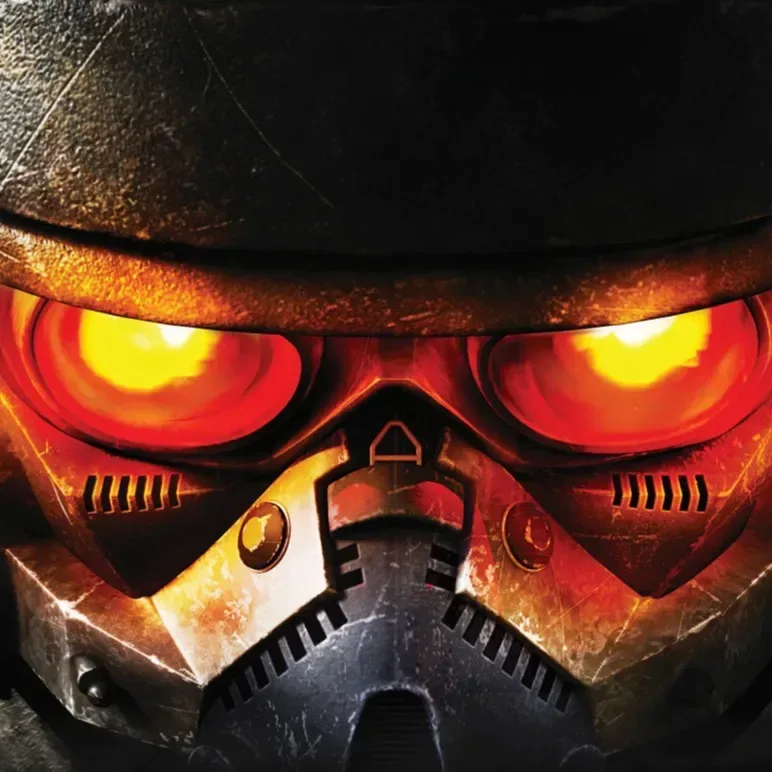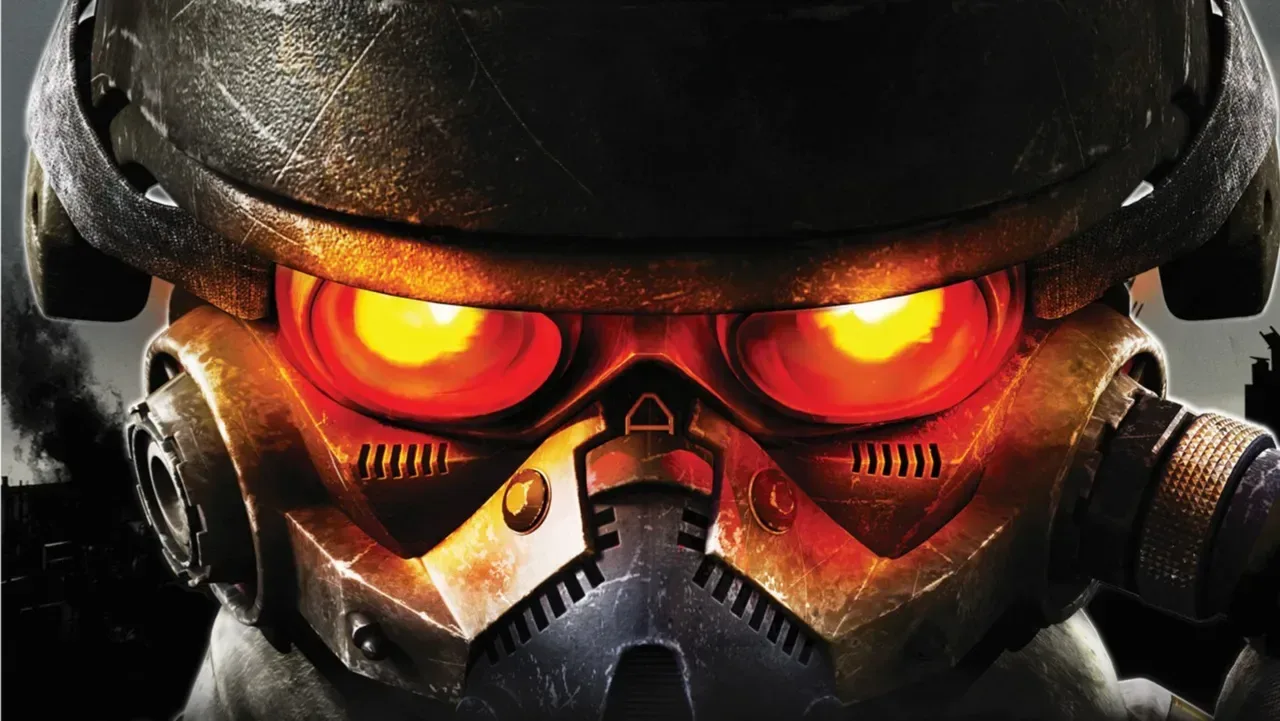
Killzone may be preparing to emerge from the red-eyed Helghast fog, although the available details are still firmly in the “put the binoculars down and wait” phase. A new report says PlayStation is in the early stages of reviving the dormant first-person shooter franchise, potentially with People Can Fly joining Guerrilla Games in a co-development capacity.
The central mystery is also the one that matters most: is this a remaster, a remake, or an early pitch wearing both hats while somebody decides how many polygons a Helghast helmet deserves? The project has been described only as one or the other. There is no confirmed title, release window, platform list, trailer, or official statement from PlayStation, Guerrilla, or People Can Fly. As ever with reports concerning unannounced games, fans should treat every detail as provisional.
Still, the prospect has obvious weight for PlayStation faithful. Killzone was once a major pillar of the company’s shooter lineup, a series built around war-torn sci-fi battlefields, the authoritarian Helghast, and enough industrial gray to make a steel mill ask whether everyone is doing okay. Its return would mark a substantial shift after more than a decade without a completely new mainline entry.
A possible return for a series that has been quiet since 2013
The original Killzone launched for PlayStation 2 in 2004. It established the conflict between the Interplanetary Strategic Alliance and the Helghast, then became the foundation for several subsequent games across PlayStation platforms. The franchise later reached PlayStation 3 with Killzone 2 and Killzone 3, while handheld players received Killzone: Mercenary on PlayStation Vita.
The last major instalment, Killzone Shadow Fall, arrived as a PlayStation 4 launch title in 2013. It offered a more open-ended approach to certain missions and showed off the new hardware’s visual muscle, but it did not lead to the regular sequels that once seemed likely for the series. Since then, Killzone has largely survived through memories, cameos, and crossover material rather than a new front-line campaign.
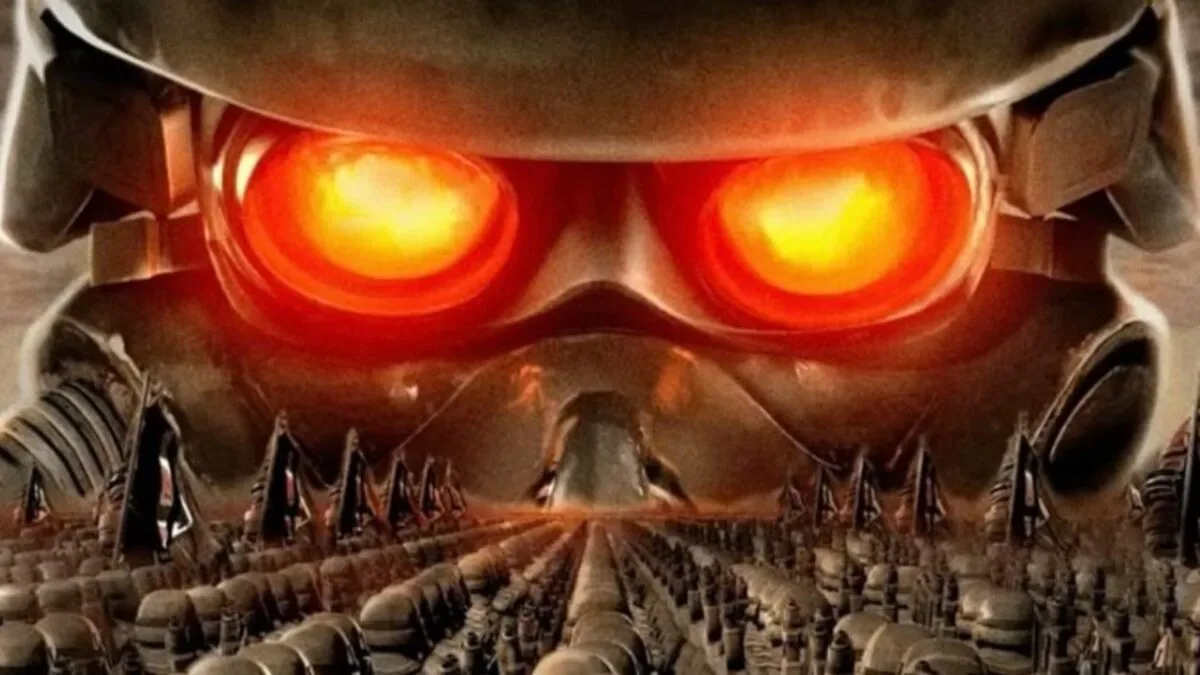
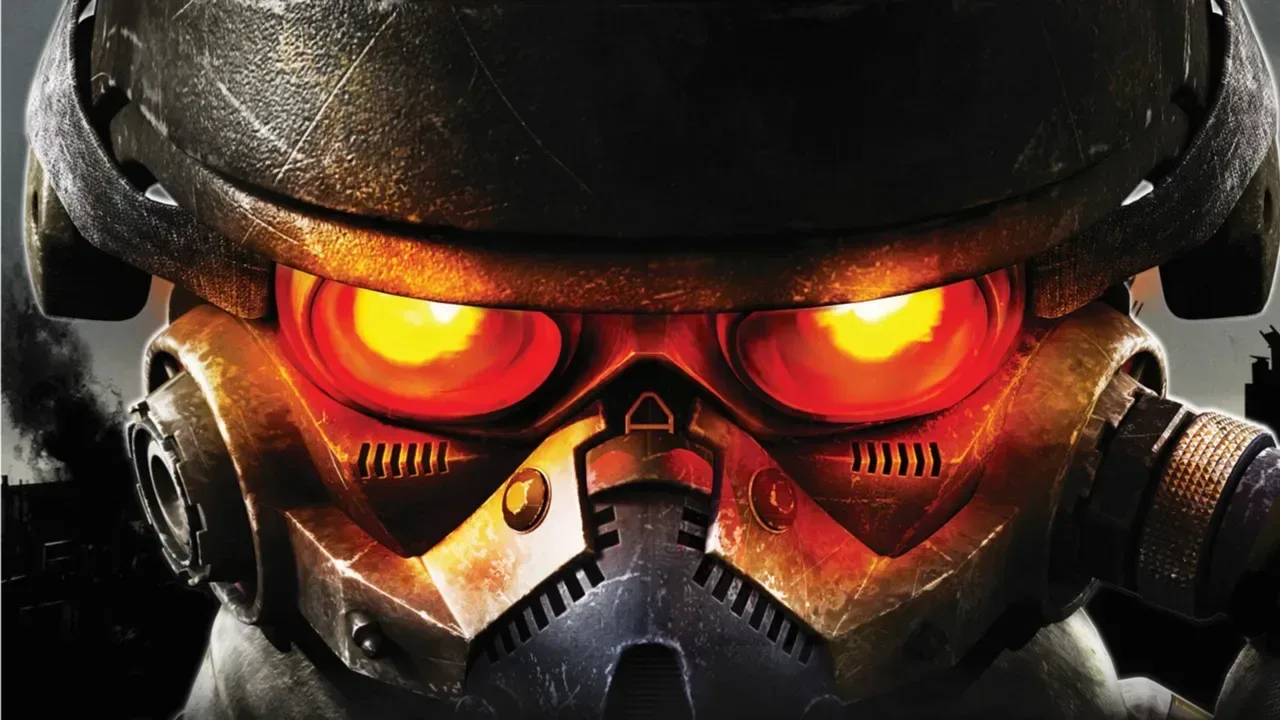
That silence has not completely erased the series from PlayStation’s wider ecosystem. A Killzone-themed shirt appeared in The Last of Us Part 2: Remastered, and the Helghast also crossed into Helldivers 2. Those moments were nods rather than a declaration that a full revival was underway, but they kept the iconography visible: the masks, the glowing crimson eyes, and the unmistakable sensation that democracy has wandered into a very grim industrial corridor.
If the current report is accurate, the project could be PlayStation’s clearest sign yet that it sees further value in the property.
Why the first game is an understandable candidate
No particular entry has been confirmed for treatment. However, the 2004 PlayStation 2 original is a plausible candidate if the rumored project turns out to be a remake or a substantial remaster. It is the natural starting point for newcomers, it contains the core setup of the ISA-versus-Helghast conflict, and it would give a modern team room to revisit a game designed around much older hardware.
Related coverage includes Killzone Could Return as Sony Reportedly Explores a Remake or Remaster.
A remaster and a remake would mean very different things, though. A remaster usually preserves the original game’s fundamental structure while improving presentation and technical performance. That can include higher-resolution assets, sharper textures, better frame rates, updated controls, accessibility options, and modern display support. It is the restoration route: the same building, but the plumbing no longer fights the occupants.
A remake generally suggests a more extensive rebuild. Developers might recreate environments, character models, lighting, combat systems, artificial intelligence, mission flow, and controls from the ground up. The original narrative and setting can remain recognizable while the play experience becomes dramatically different. For a 2004 shooter, that distinction is especially meaningful. Expectations for movement, aiming, checkpointing, encounter design, and enemy behavior have changed enormously since the PlayStation 2 era.
Neither approach is inherently the better option. A careful remaster could preserve an important early PlayStation 2 shooter for players who want the historical version with fewer technical barriers. A remake could make its world more approachable for an audience accustomed to contemporary shooters. Until more concrete information appears, however, it is impossible to say which route the reported project would take—or whether it would focus on the first game at all.
People Can Fly would be a notable co-development partner
The report names People Can Fly as a potential co-developer. The studio is known for shooters including Bulletstorm and Outriders, work that makes it a conspicuous possible fit for a property like Killzone. A franchise revival would need more than a familiar logo and some glowing goggles; its shooting mechanics would have to feel compelling beside today’s highly polished first-person games.
People Can Fly’s involvement, if it happens, does not automatically explain how responsibilities would be divided. Co-development can take many forms. One studio may lead while another supports individual systems, content production, technology, multiplayer work, or specific portions of the game. The report does not establish which company would direct the project, how large the team would be, or what stage production has reached.
That uncertainty is important because “early stages” can encompass a wide range of realities. A project could be in concept work, planning, pre-production, prototype development, or a more established phase that has not yet been publicly revealed. It also means that features, partners, and even the project itself can change before an official announcement.
Guerrilla’s busy Horizon schedule complicates the picture
Any Killzone revival would arrive while Guerrilla is managing a substantial amount of Horizon-related work. PlayStation reportedly restarted the studio’s multiplayer Horizon spin-off, referred to as Hunters Gathering, after negative feedback. The studio is said to have a key milestone due by December, while some staff have reportedly moved to another Guerrilla project with a milestone expected before the end of the year.
Separately, a small team is reportedly working on the next single-player Horizon game. It is commonly described as Horizon 3 for convenience, though that is not a confirmed title and any eventual game would presumably use its own subtitle. The project is reportedly still years away.
That broader workload helps explain why an outside partner could be useful for Killzone. Guerrilla has deep history with the series, but it has spent years concentrating on Horizon following the breakout success of Horizon Zero Dawn in 2017. Co-development could let PlayStation investigate a return to Killzone without asking one studio to suddenly split itself into several extremely busy sci-fi organisms.
For players, it also raises a tantalizing possibility: a remaster or remake could serve as a test of modern interest before PlayStation considers a wholly new Killzone. That is speculation, not a reported plan, but it is an understandable business path. A revived older game could reintroduce the setting, gauge appetite for its particular brand of bleak military science fiction, and establish whether there is room for a larger future installment.
Guerrilla previously explained its move away from Killzone
Guerrilla art director Roy Postma spoke in 2024 about the studio’s decision to move from Killzone’s darker tone toward Horizon’s brighter and more colorful world. Postma said the team felt finished with Killzone and wanted a change in creative palette. He also pointed to Horizon’s themes—including friendship, belonging, and found family—as broadly relatable.
That perspective makes the reported revival more interesting, rather than less. A return would not necessarily mean Guerrilla is abandoning Horizon or reversing its creative evolution. It could instead mean that PlayStation believes Killzone’s identity still has a place alongside Horizon, perhaps with a different arrangement of studios and responsibilities.
There is certainly space for a more severe PlayStation sci-fi setting. Horizon’s machine-filled wildernesses are expansive and vivid; Killzone’s war zones are harsh, militarized, and oppressive by design. The two series inhabit vastly different emotional temperatures. One asks players to hunt mechanical beasts under beautiful skies. The other tends to hand them a rifle, point toward a smoky concrete nightmare, and suggest that diplomacy has already missed the bus.
What fans should and should not take from the report
The encouraging part is simple: Killzone may no longer be entirely dormant. The caution is equally simple: a possible return remains unannounced, and the report leaves the key questions unanswered. Fans do not yet know whether the game would be a remake or remaster, which existing entry it would revisit, whether multiplayer would be included, or when it could arrive.
- Reported: PlayStation may be exploring a Killzone project with People Can Fly as a co-development partner.
- Reported: The game may be a remaster or remake.
- Not confirmed: The specific Killzone game involved.
- Not confirmed: Platforms, launch timing, gameplay features, price, or a formal title.
- Not confirmed: The precise division of work between Guerrilla and People Can Fly.
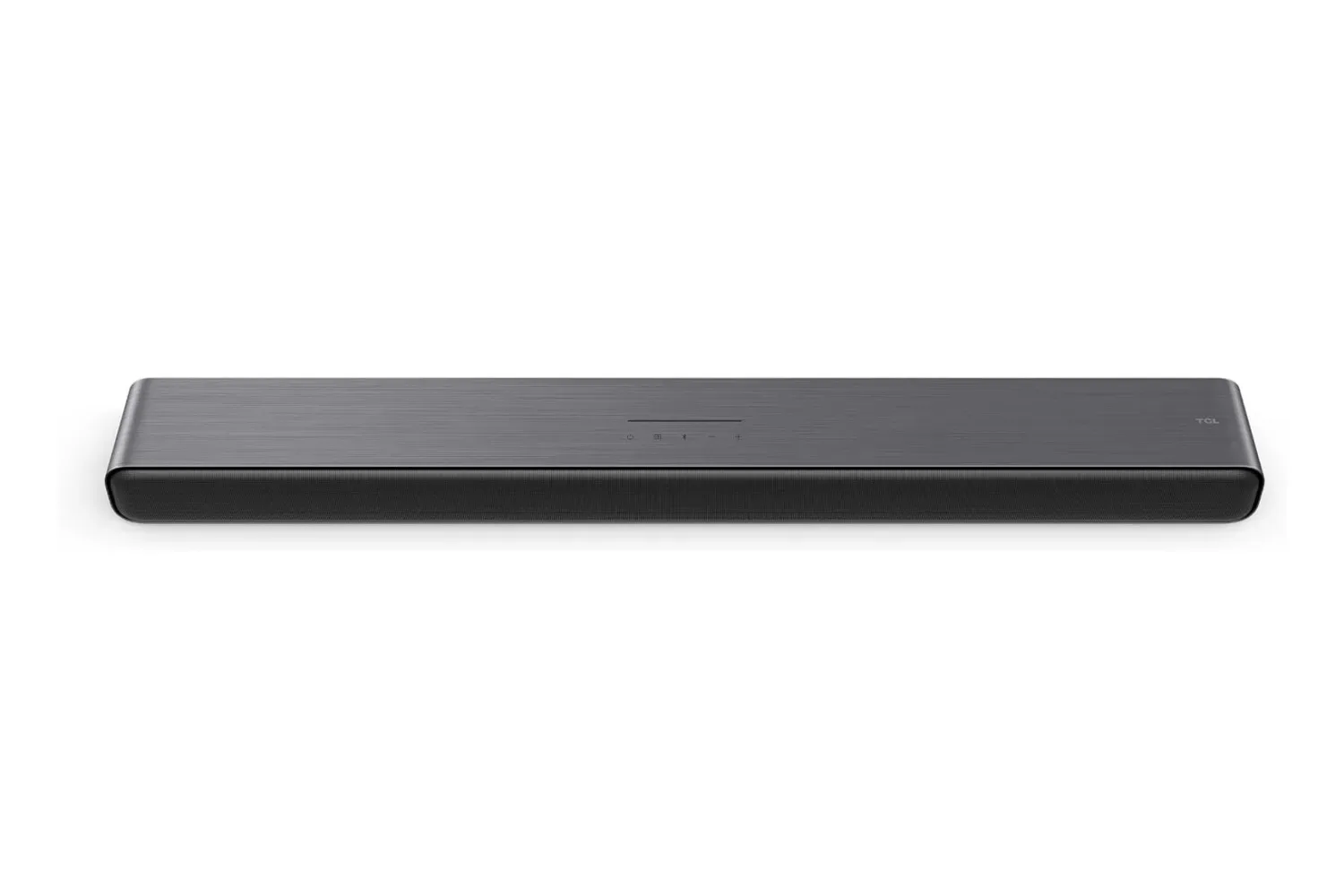
For now, the most sensible response is cautious excitement. A modern Killzone could restore a long-absent PlayStation shooter identity, but the final shape of the project matters enormously. And should a return eventually place players back among Helghast gunfire and battlefield alarms, a capable audio setup would not be wasted; the TCL S45H soundbar’s Dolby Atmos-focused features are the kind of living-room upgrade that could make a sci-fi firefight feel considerably less polite.
Until PlayStation or the studios involved make a formal announcement, Killzone’s alleged comeback remains an intriguing report rather than a confirmed deployment. The Helghast may be preparing for another march—or they may still be stuck in the requisition office, waiting for somebody to stamp the paperwork.