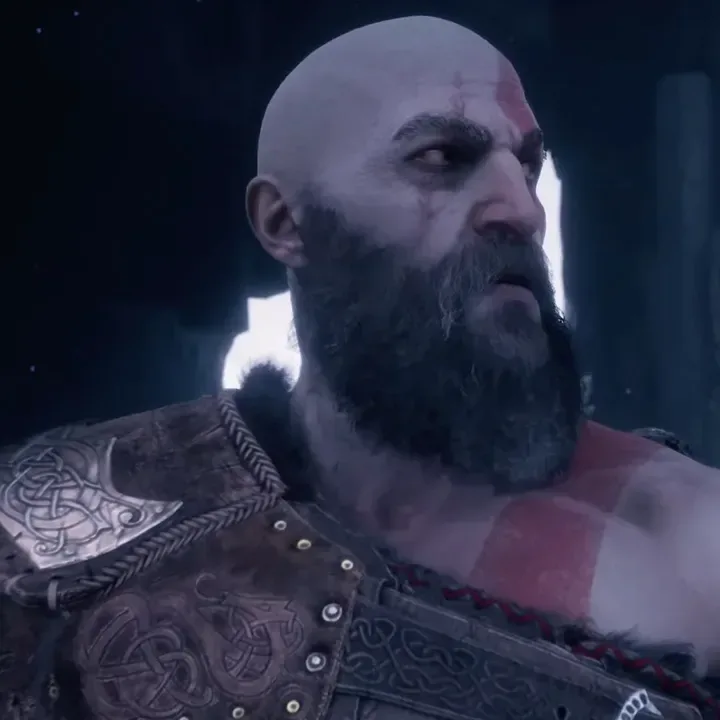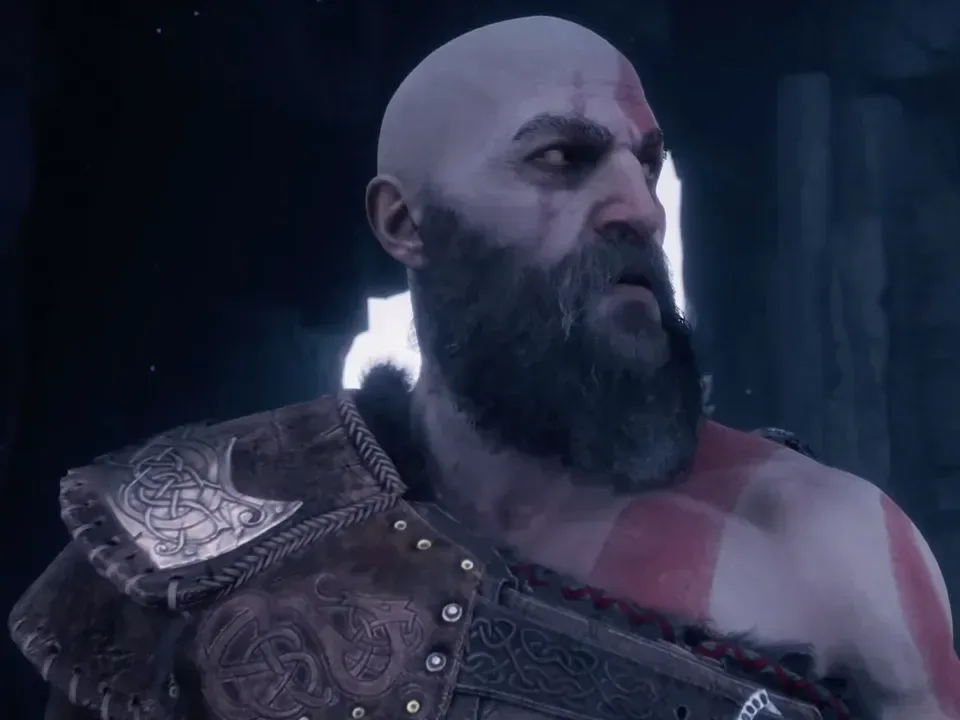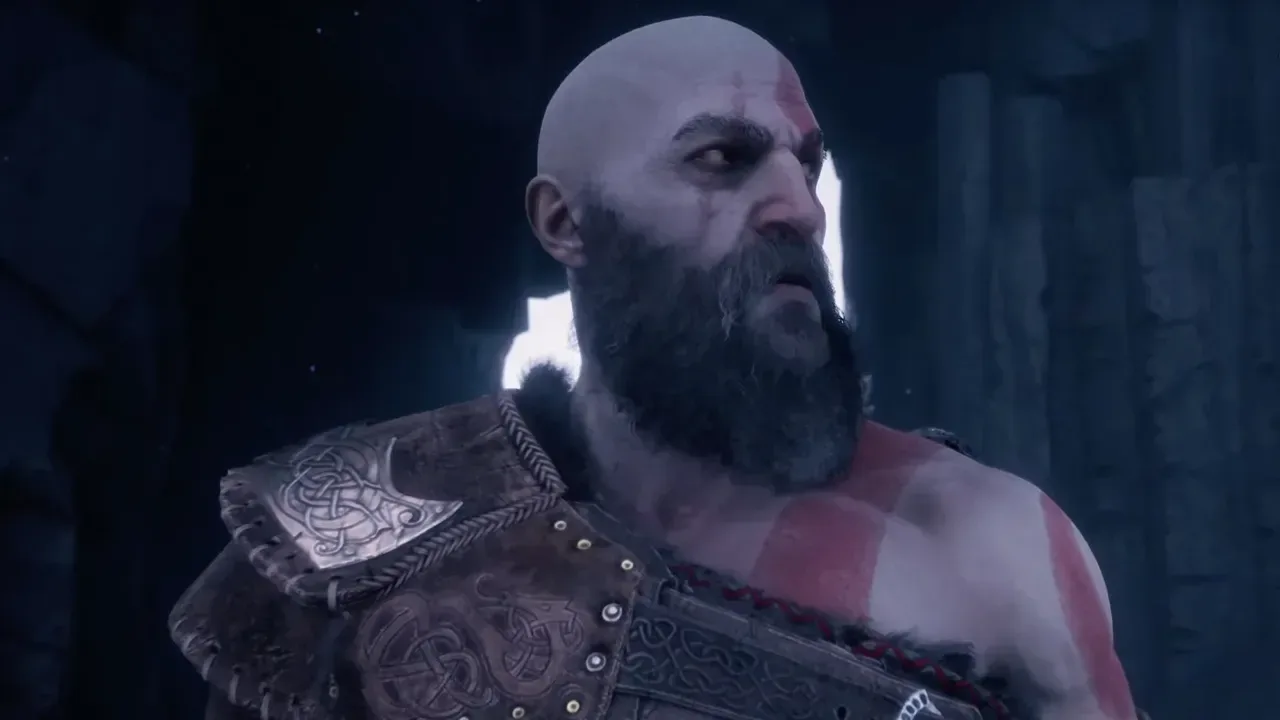
One of PlayStation’s most recognizable heroes apparently survived an early identity crisis thanks to a room full of developers who could not stop thinking about pizza.
David Jaffe, director of the original God of War trilogy, has shared more detail on how Kratos received his name. Before the ash-covered Spartan became Kratos, the working choice was Dominus—a name Jaffe liked for its forceful, commanding sound. But the team repeatedly connected it to a pizza chain, turning ordinary naming discussions into a running gag until the candidate could no longer be taken seriously.
Jaffe recalled that whenever “Dominus” was spoken, somebody would respond with pizza-delivery jokes, including variations on “30 minutes or free” and “Get the door, it’s Dominus.” He said the routine had happened roughly 50 times before the team accepted the obvious: the name was not going to survive the office atmosphere.
It is a funny footnote, but it also explains something meaningful about character creation. A protagonist’s name has to work beyond the design document. It needs to be usable in meetings, trailers, marketing copy and conversations without constantly summoning an unintended association. In this case, the association was strong enough to overwhelm the intended meaning.
From Dominus to Kratos
The replacement process was hardly an instant stroke of inspiration. Jaffe said the studio had a large printed list of Ancient Greek baby names, which he reviewed with a yellow highlighter. Among the names he marked were Julius, Parthenius and Maksym—possibilities he now considers less than ideal.
That detail offers a small but revealing contrast with the character eventually known worldwide as Kratos. “Dominus” was selected because it sounded dominant and powerful, an example of a name starting from an English-language impression. The Greek-name list, by comparison, gave the team a thematic pool better suited to a series rooted in Greek mythology. But simply choosing from an appropriate list did not solve the creative problem. Jaffe’s recollection makes clear that none of the early highlighted names felt right.
The decisive suggestion came from Susan Panico, the studio’s marketing lead. Panico proposed Kratos, and the team embraced it. Jaffe later found the old highlighted sheet among design documents from the project and noticed an amusing twist: Kratos was already on the list, but it had not been highlighted.
The future name of the character had been sitting in the studio’s material all along, unnoticed as a preferred option.
Related coverage includes God of War's Kratos Was Nearly Named Dominus Until Pizza Jokes Killed the Idea.
That discovery led Jaffe to reflect on the role of luck, timing and marketing in a game’s eventual success. It is easy, after two decades of franchise recognition, to assume the name was inevitable. The surviving paperwork points the other way. The final answer was available, but it took a suggestion from the marketing side of the team—and the collapse of the Dominus idea—to bring it into focus.
Why the joke mattered more than it may seem
“Naming” can sound like a small stage in production compared with combat design, art direction or story. Yet a name is one of the few pieces of a game that travels almost everywhere. It appears in logos, packaging, advertisements, subtitles, search results and word-of-mouth recommendations. It is repeatedly spoken by developers while a project is being built. If that word produces the same unintended punchline every time, it can become a practical problem rather than merely an annoyance.
In this story, the issue was not that Dominus lacked a suitably imposing tone. Jaffe liked precisely that quality. The problem was association: the mental connection a word immediately creates for an audience. Once the team had attached Dominus to pizza-delivery jokes, the proposed name no longer carried only the character’s intended authority. It carried an ongoing distraction as well.
That is also why Panico’s contribution matters. Marketing is sometimes reduced to the final act of selling a finished game, but this anecdote shows it participating much earlier in the identity of a character. The creative team needed a name that matched the project’s mythological direction and its lead’s presence; marketing helped provide the concise, memorable answer.
Kratos is now inseparable from the franchise in a way that Dominus almost certainly would not be. That is analysis rather than a claim that the alternate name alone would have changed the series’ fortunes. There is no way to test that counterfactual. Still, the episode makes a sound practical point: names can shape first impressions, and the best choice is often the one that leaves room for the character rather than competing with an unrelated cultural reference.
A 2005 origin with a franchise still moving forward
The first God of War launched on PlayStation 2 in 2005 and became the foundation for a franchise that has remained successful across the following 20 years. That longevity gives this behind-the-scenes detail its weight. An abandoned early name is not just a discarded line in a design file; it is an alternate label for a protagonist who became central to one of Sony’s major game series.
The story is especially timely because more God of War is on the way. God of War: Laufey is due for PlayStation 5 in February 2027. Separately, Santa Monica Studio creative lead Cory Barlog has confirmed that an untitled new God of War game is in development with Kratos returning as protagonist.
The supplied details do not establish how those projects relate to each other, what their gameplay will be, or what role Kratos will play beyond his return in the untitled game. Those are distinctions worth keeping clear: a title, a platform and a release window are concrete information; story specifics and broader assumptions are not.
For players following long-running game series, this is a useful reminder that a franchise’s familiar surface is assembled through many small decisions. Some are deliberate exercises in mythology and branding. Some arrive through revision. And, occasionally, a choice becomes impossible because colleagues have turned every mention of it into a pizza joke.
The wider entertainment space continues to show how enduring game names and characters can become across formats; Resident Evil’s recent box-office milestone is another example of a game property extending its cultural reach. Kratos’s naming story is smaller in scale, but it captures the early, human side of that process: before a name becomes a global brand, it must first survive the people in the room.