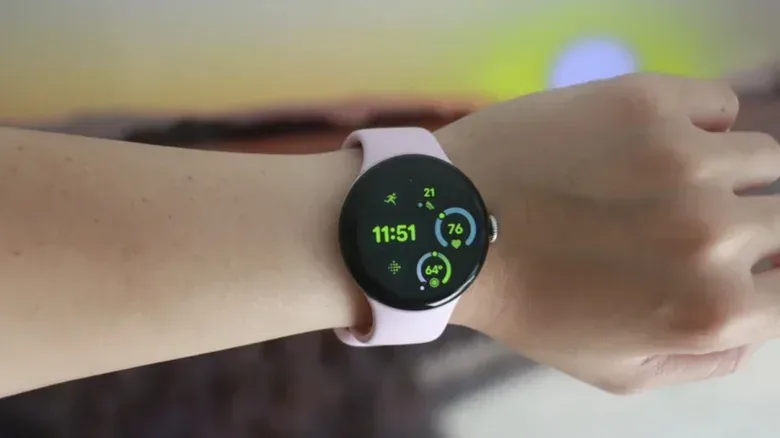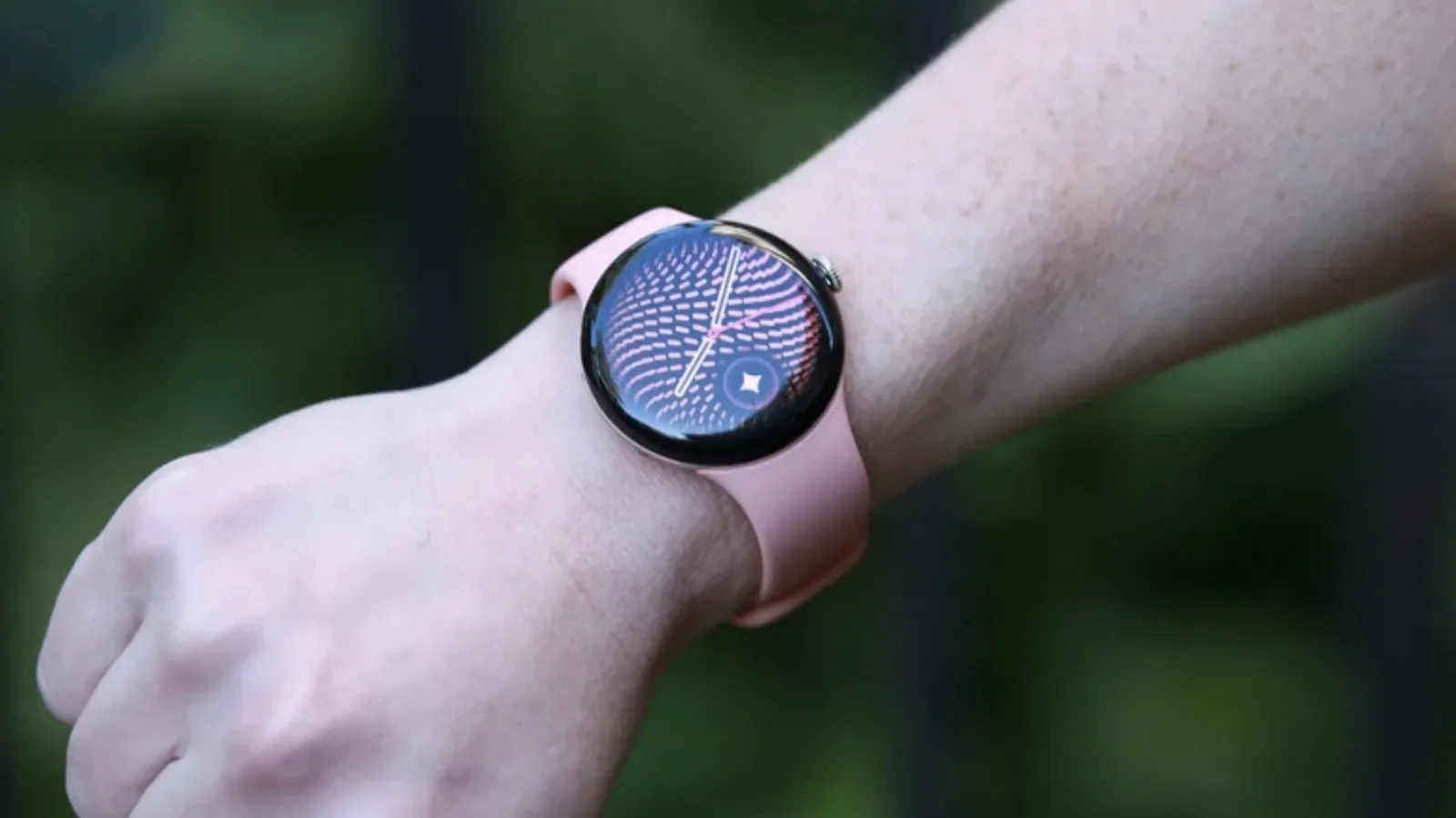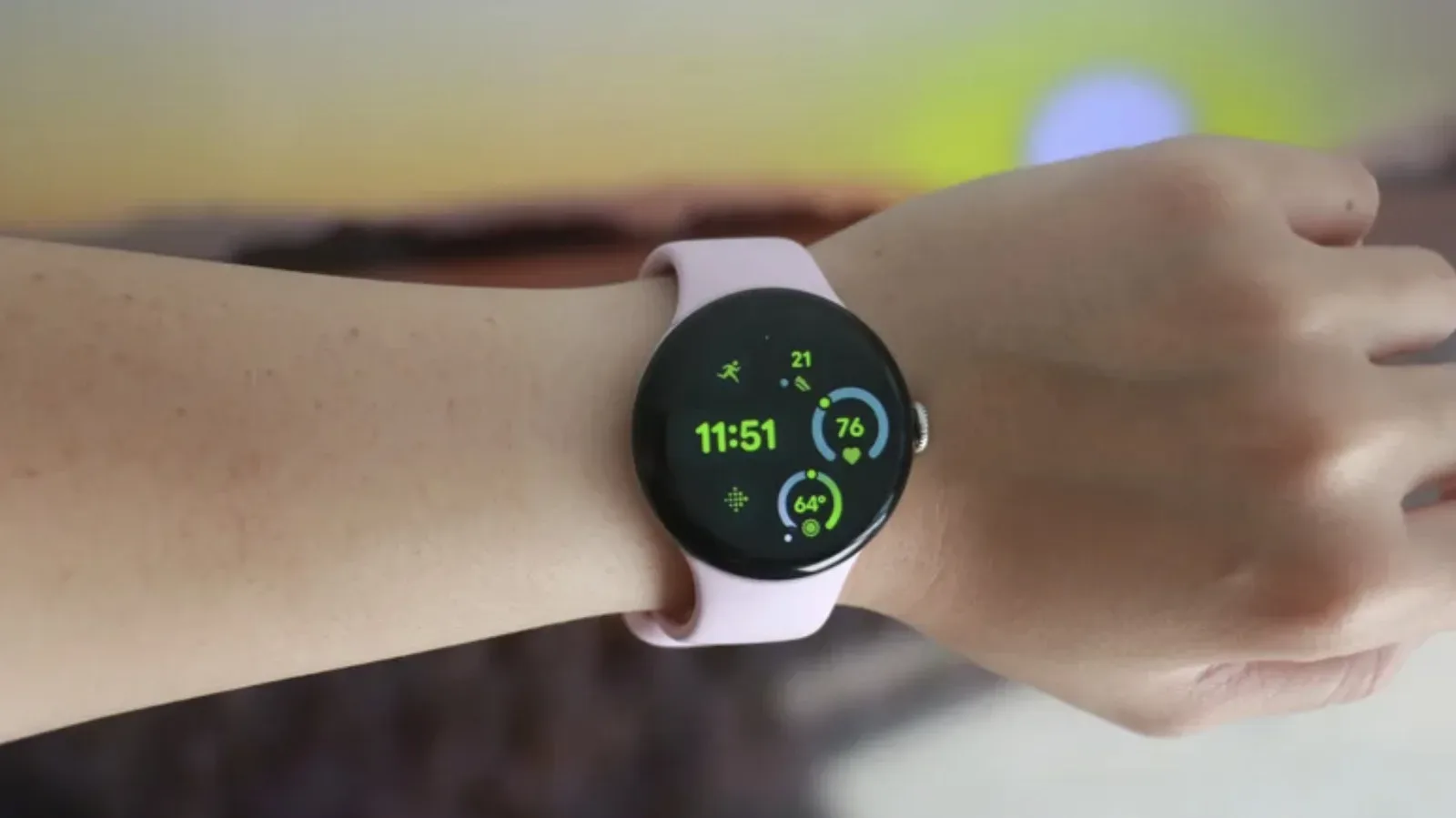
Owners of LTE-enabled Google Pixel Watch 2 and Pixel Watch 3 models have an important connectivity deadline to consider: Safety Signal access is scheduled to end on December 12, 2026.
Safety Signal was built to give a smartwatch a safety-focused connection over LTE even when its owner did not maintain a wireless plan for the watch. Its retirement does not mean the watches themselves stop functioning, nor does it mean every emergency tool disappears. It does mean that the particular no-plan cellular pathway provided by Safety Signal will no longer be available.
The practical question for affected owners is simple: when an emergency feature is needed after the cutoff, what connection will the watch have at that moment? Google says the relevant tools can still be used when the watch is on Wi-Fi, paired to a phone over Bluetooth, or connected to an active carrier cellular line.
Which Pixel Watches are affected?
The change applies specifically to the LTE-capable versions of Google Pixel Watch 2 and Google Pixel Watch 3. Safety Signal was only offered on those LTE models.
LTE is a cellular-network connection built into a device. In this case, it allowed Safety Signal to provide selected safety services without the owner having a separate active wireless plan for the watch. That distinction matters because an LTE watch can have the hardware needed for cellular connectivity while still lacking an active carrier line.
Safety Signal included resources such as:
- Emergency SOS
- Fall detection
- Calls between emergency contacts
Those tools were part of the appeal for people who wanted a degree of safety functionality when out without a phone, but who did not want or need a recurring cellular plan for the wearable. Once Safety Signal ends, the same Pixel Watch models can still use their safety tools under the connectivity conditions Google has outlined, but the Safety Signal service itself will no longer supply that standalone route.
The timeline: notice first, then a 30-day transition
Current users are set to receive both email and push notifications ahead of the change. Google says Safety Signal remains available for a 30-day transition period beginning on the date of the email notification.
Related coverage includes Google to End Pixel Watch Safety Signal Support by December 12, 2026.
That means owners should not assume the push alert is merely informational. It begins a limited window in which users can assess how their watch is connected in the situations where they may rely on it. All access ends by December 12, 2026.
The best immediate step is to read the notice when it arrives and identify the watch’s normal connection pattern. Someone who nearly always carries a paired phone may have a very different experience after the service ends than someone who commonly leaves home with only the watch.
What will still work after Safety Signal ends?
Google’s explanation identifies three ways the affected Pixel Watch models can continue using the tools that were included under Safety Signal:
- Wi-Fi: The watch can use a Wi-Fi network when one is available and connected.
- Bluetooth pairing: The watch can rely on a paired smartphone over Bluetooth.
- An active carrier cellular line: The LTE watch can use cellular connectivity when it has active service through a carrier.
These options are not interchangeable in every real-world location. Wi-Fi depends on being within range of a usable network. Bluetooth requires the paired phone to be nearby. A carrier line is the option intended to give an LTE watch its own active cellular connection away from the phone, but it requires the watch to be connected to a carrier’s active plan.
For that reason, the end of Safety Signal is mainly a planning issue for people who have depended on the watch’s safety functions during phone-free outings without a watch plan. A person who uses the watch mostly at home, at work, or alongside a phone may see little day-to-day change. A person who depends on it while running, walking, or traveling alone without a handset should take a closer look at which connection will be available after the transition.
Emergency SOS and fall detection: why connectivity is the key detail
Emergency SOS generally refers to a feature designed to initiate an emergency request or contact emergency services. Fall detection is designed to recognize a potentially serious fall and provide a route to seek help. Calls between emergency contacts, meanwhile, concern communication among the people selected as emergency contacts.
These functions can sound like permanent capabilities of the watch, but their usefulness can depend on the device’s ability to communicate beyond the wrist. Safety Signal addressed that gap on affected LTE watches by providing safety-related cellular connectivity without a wireless plan. With that service going away, owners need to separate the feature itself from the connection it needs.
Put another way: the end date is not framed as the removal of every emergency setting from Pixel Watch 2 or Pixel Watch 3. It is the end of the service that enabled covered safety features through LTE without an active watch plan. The remaining Wi-Fi, Bluetooth, and carrier-plan routes are important, but each has its own limits.
A practical checklist for affected owners
The announcement does not specify a replacement service or a particular carrier requirement beyond having an active cellular line. Owners therefore should avoid assuming that an existing phone plan automatically gives the watch independent cellular service. Instead, use the notice period to confirm the setup that applies to the watch.
- Check the model: Verify whether the device is an LTE-enabled Pixel Watch 2 or Pixel Watch 3.
- Watch for notifications: Look for the email and push notice, since the 30-day transition begins from the date of the email.
- Consider phone-free use: Think about moments when the watch is worn without the paired phone nearby.
- Identify Wi-Fi coverage: Wi-Fi can keep services available in known locations, but it may not help while away from those networks.
- Review Bluetooth reliance: If the watch normally depends on a phone, ensure the phone is actually carried during activities where safety access matters.
- Check cellular-plan status: Owners who need independent away-from-phone connectivity should determine whether the watch is connected to an active carrier line.
It is also sensible to review emergency contacts and make sure they remain current. That does not replace connectivity, but it helps ensure that the people configured for emergency communication are still the intended recipients.
Why this matters beyond one smartwatch setting
Safety Signal’s retirement is a reminder that connected-device functionality can be tied not only to hardware, but also to an ongoing service arrangement. The LTE radio in an eligible watch is not, on its own, the same thing as a standing cellular connection. In this case, Safety Signal filled a narrow role: it supported core safety capabilities over LTE without an active wireless plan. When the service ends, owners need one of the remaining connection methods instead.
That distinction can be easy to miss in product names and settings menus. “LTE-enabled” describes a device’s cellular capability; an “active carrier cellular line” describes an active service connection. Wi-Fi and Bluetooth are alternative ways the watch can reach the outside world, though they are dependent on network availability or a nearby smartphone.
The broader lesson is relevant whenever a device includes cloud, network, subscription, or service-backed features. Hardware can remain useful long after a specific service is withdrawn, yet the exact experience can change sharply depending on what that service handled. The same dependency is increasingly visible across digital entertainment and apps, including cases such as a mobile game scheduled to lose service after launch.
For Pixel Watch owners, however, the immediate issue is much more focused: Safety Signal ends on December 12, 2026, for LTE Pixel Watch 2 and Pixel Watch 3 models. Before then, users who value phone-free access to safety features should understand whether Wi-Fi, Bluetooth connection to a phone, or an active carrier line will cover the situations in which they expect to rely on the watch.