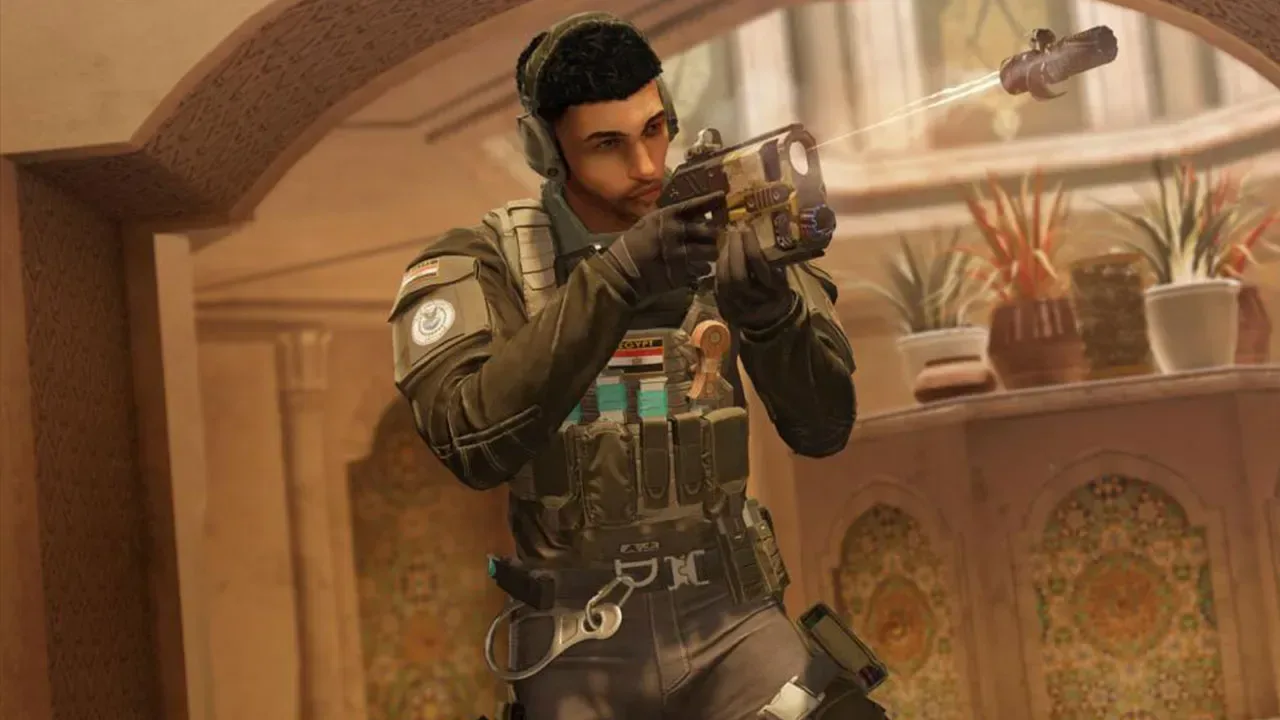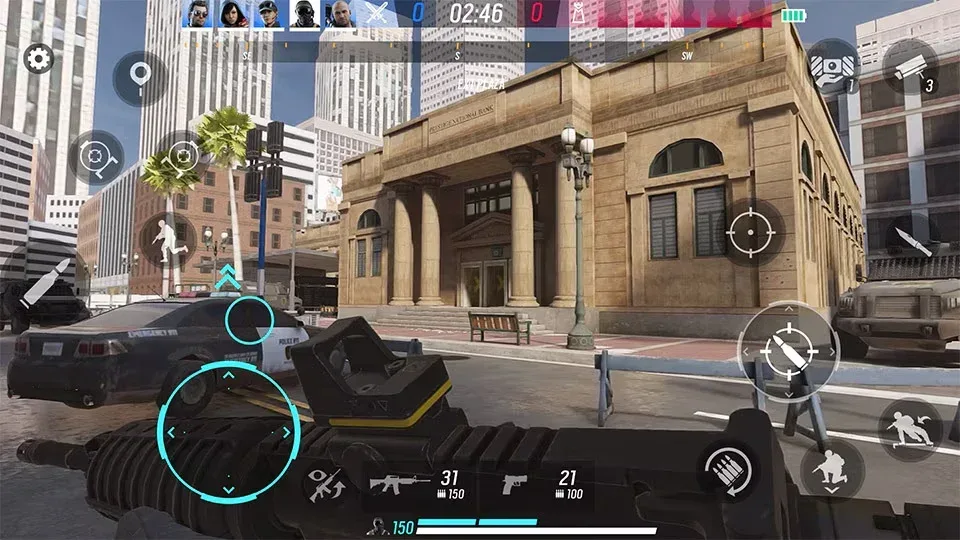
Rainbow Six Mobile is heading for an early shutdown. Ubisoft has said the free-to-play tactical multiplayer shooter will remain available until January 15, 2027, ending a long development-and-release journey less than a year after its worldwide launch on February 23, 2026.
The publisher described the decision as difficult in a post made through the game’s social account on October 8. There is still one piece of planned content on the schedule: the next season is expected to arrive the following week. Beyond that, the stated end date gives players a defined, if relatively short, remaining window to play.
“There’s no easy way to put it: we have made the difficult decision to sunset Rainbow Six Mobile.”
“Sunset” is industry language for ending a live game’s ongoing operation. For a multiplayer title, it generally means the game is no longer supported as an active service once its servers are switched off. The announcement establishes when Rainbow Six Mobile is expected to reach that point, but it does not provide further details here on matters such as player purchases, account entitlements, refunds, or what will happen to any in-game currency and unlocks. Players should therefore avoid assuming answers on those issues until Ubisoft provides direct guidance.
A years-long route to a short global lifespan
Rainbow Six Mobile was first revealed in 2022, then spent time in beta across 2023 and into 2024. Its release was ultimately pushed to 2025. That year brought a launch in Latin America, a region where Rainbow Six has a particularly strong audience, before the game expanded globally on February 23, 2026.
That timeline makes the shutdown notable for two separate reasons. The global run will be short, but it came after several years of preparation, testing, delays, and regional rollout. A live-service shooter needs more than a launch build: it needs a continuing player population, reliable matchmaking, regular updates, and a business model that players will accept over time. The path from announcement to closure shows how difficult it can be to convert a major franchise into a durable mobile service, even after a lengthy runway.
Rainbow Six Mobile was built around the tactical multiplayer identity associated with the broader Rainbow Six series. The supplied information describes it as a free-to-play tactical shooter available on Android and iOS. That model lowers the barrier to downloading and trying a game, but it also places special pressure on retention—whether players keep returning after the initial install—and on monetization, or how the game earns money from the audience that remains.
Millions of downloads did not secure a lasting audience
The game reached millions of downloads across Android and iOS, yet download totals alone did not translate into a spot in players’ regular phone-game rotations. That distinction matters. A download figure can reflect curiosity around a recognizable name, marketing reach, or a strong launch period. It does not, by itself, show that enough people are playing consistently to sustain a competitive online game.
Related coverage includes Rainbow Six Mobile Set to Close on January 15, 2027.
For a multiplayer shooter, ongoing participation is especially important. More active players can mean fuller match queues, a broader mix of skill levels, and a healthier reason for developers to keep producing seasons and balance updates. When the routine player base weakens, the experience can become harder to maintain, regardless of how many people installed the app at some point.
Player feedback referenced in the available material points to a gap between the mobile game and expectations formed by the console and PC Rainbow Six experience. One Google Play reviewer called the game solid overall, but wanted a closer resemblance to its counterparts, including more operator choices and player-selected team spawn locations rather than random spawns.
Operators are the playable characters in Rainbow Six-style matches, typically distinguished by their tools or abilities. Their variety can be central to the tactical choices a player makes before and during a round. Spawn selection, meanwhile, refers to choosing where a player or team begins a match. Even seemingly small limits in either area can affect the feeling of control and strategy for players who know the franchise elsewhere.
Those comments are individual feedback rather than a full survey of the player base, and they cannot by themselves explain a shutdown decision. Still, they identify two useful expectations for a mobile adaptation of a tactical series: players may want the convenience of a phone version without feeling that core tactical choice has been reduced too far.
Free-to-play friction was part of the conversation
The free-to-play structure also drew criticism for making operators available through paywalls and for progression that some players considered overly grindy. A paywall is a feature or item gated behind direct payment. “Grindy” is commonly used when advancing, earning rewards, or unlocking content is perceived to require excessive repetition or time.
Neither term automatically makes a game unworkable. Free-to-play games need a way to fund their ongoing development and server costs, and progression systems can give players goals between matches. The practical problem comes when the balance feels wrong to the audience: when the desired characters seem too restricted, or when time spent playing does not feel proportionate to the rewards earned.
That balance is particularly sensitive in a competitive tactical shooter. If players believe important tactical options are too difficult to access without spending, complaints are likely to focus not just on value but on competitive fairness and variety. Conversely, a publisher must find a model capable of supporting an always-online service. Rainbow Six Mobile’s closure does not come with a detailed public accounting of which factors proved decisive, so it would be inappropriate to pin the result on any one complaint. The available evidence does, however, show that operator access and progression were visible points of dissatisfaction.
What the final season means for players
Ubisoft has said the next season will arrive as planned. That is meaningful for players who are still active: the game is not being removed immediately, and the remaining period includes at least one intended seasonal update. It also leaves a limited time for friends, squads, and returning players to use the title while it is still online.
Players thinking about returning should keep their expectations grounded in what has actually been confirmed. The known facts are that Rainbow Six Mobile is scheduled to remain available through January 15, 2027, and that a next season is planned for the following week. The announcement supplied no promise of further seasons, long-term preservation, compensation, offline functionality, or a replacement game.
Anyone considering new spending has an especially practical decision to make. With a scheduled end date already public, the useful question is not whether the game will receive indefinite support; it will not. It is whether the value of anything bought now makes sense for the remaining time a player expects to spend in the game. That is a personal call, but it should be made with the shutdown date in view.
This is also a reminder that live-service access differs from owning a self-contained game. The content, progression, and multiplayer activity can be available only while the service continues. Once a game is sunset, players may lose the ability to use the experience in the way they knew it, regardless of the time or money previously invested. Rainbow Six Mobile’s announced timetable makes that reality unusually immediate.
Another difficult mobile result for Ubisoft
Rainbow Six Mobile is not the only Ubisoft mobile spin-off described as struggling. The Division Resurgence, another free-to-play adaptation based on one of the publisher’s major series, has also faced a difficult reception. It was later brought to PC, where it has been criticized as buggy, repetitive, and largely abandoned.
The two games are different in genre and design: Rainbow Six Mobile is a tactical multiplayer shooter, while The Division Resurgence is a looter shooter. A looter shooter combines shooting action with collecting gear and pursuing increasingly powerful equipment. Their shared issue is not enough evidence to claim a single cause, but the cases underline the challenge of extending established franchises into a crowded live-service environment.
Brand recognition can get a mobile spin-off noticed, but it does not eliminate the need to give players a version that feels worthwhile on its own terms. It must serve the series identity well enough for existing fans, make sense on the target platform, and keep a community engaged over time. The reported reactions to Rainbow Six Mobile suggest it faced pressure on several of those fronts, from feature expectations to how its free-to-play systems were perceived.
Mobile gaming itself remains an active place for new releases and adaptations—The Witch’s Bakery’s planned mobile edition is one recent example of how publishers continue to target the platform. But Rainbow Six Mobile’s outcome illustrates that release is only the beginning for an online game. Keeping a service alive requires players to make it part of their routine long after the novelty of a familiar name wears off.
For Rainbow Six Mobile players, the immediate picture is clearer than the reasons behind the broader decision: one additional season is on the way, and the game is due to close on January 15, 2027. The coming months are now the final chapter for a project that began with its 2022 announcement and reached the world only in 2026.