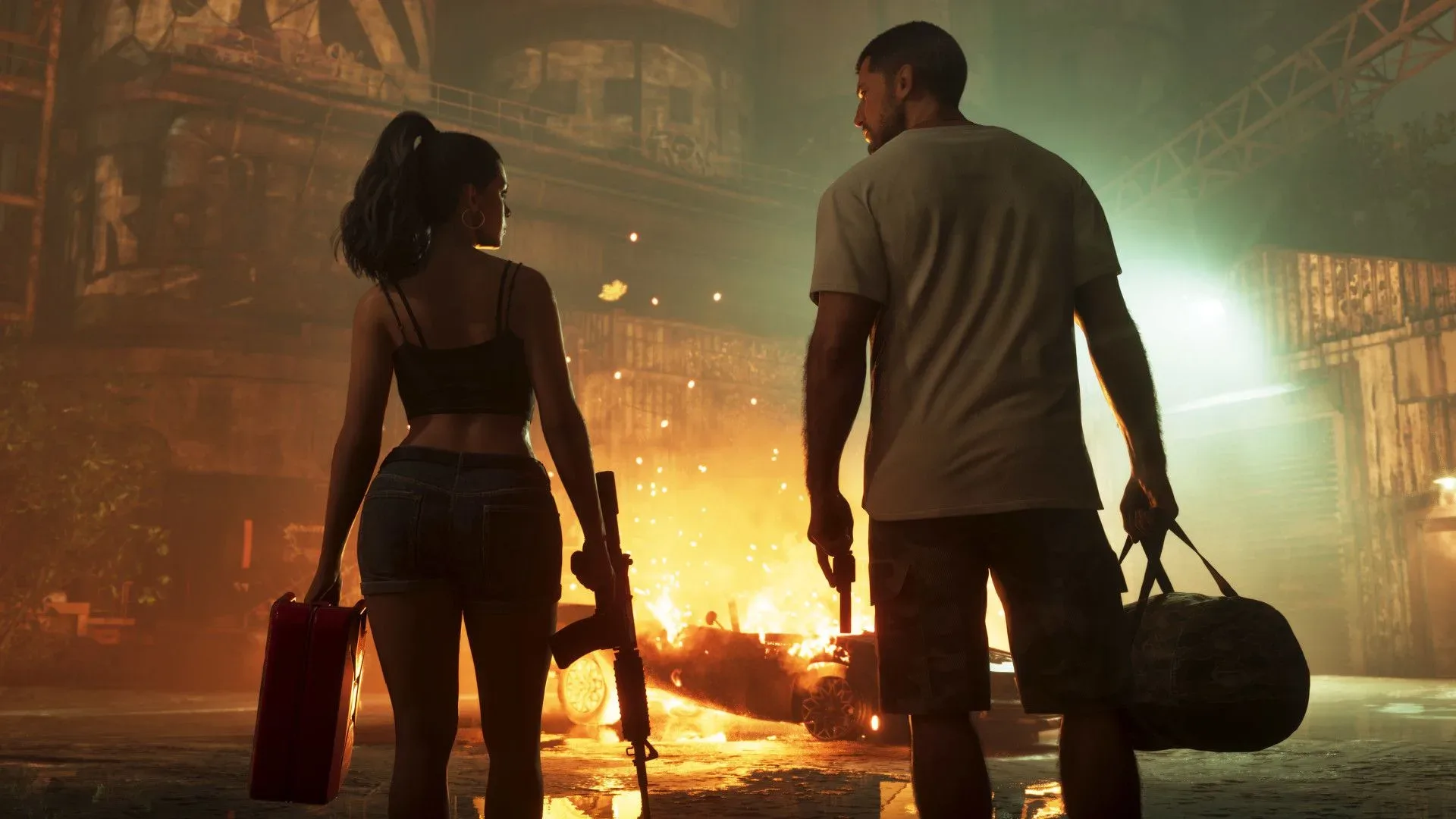
Grand Theft Auto 6’s November arrival is shaping up to be the kind of release that makes the rest of the games business check its calendar twice. Publishers are already concentrating major launches in September and early October rather than attempt a direct collision with Rockstar’s blockbuster. For games that cannot simply move out of the way, however, the challenge is different: keep the lights on, keep the community engaged, and accept that a giant new game will command a lot of attention.
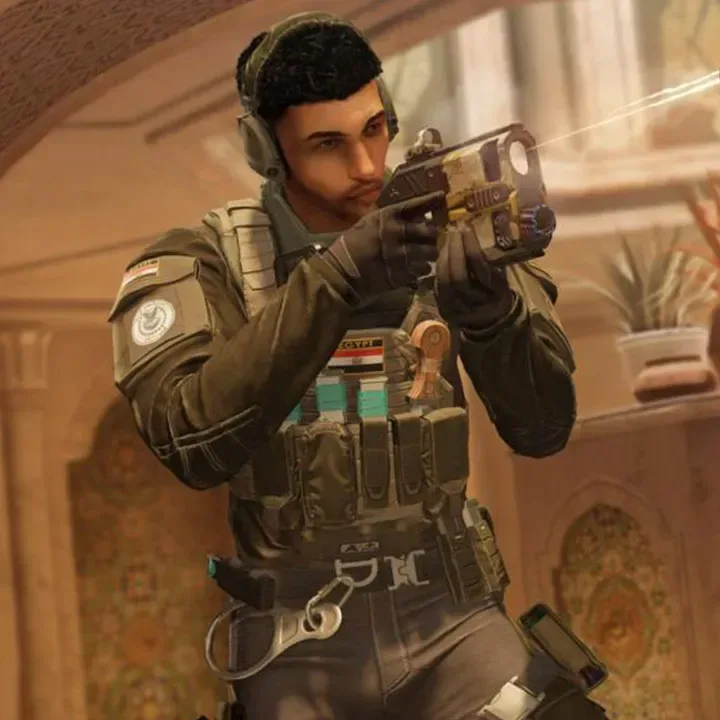
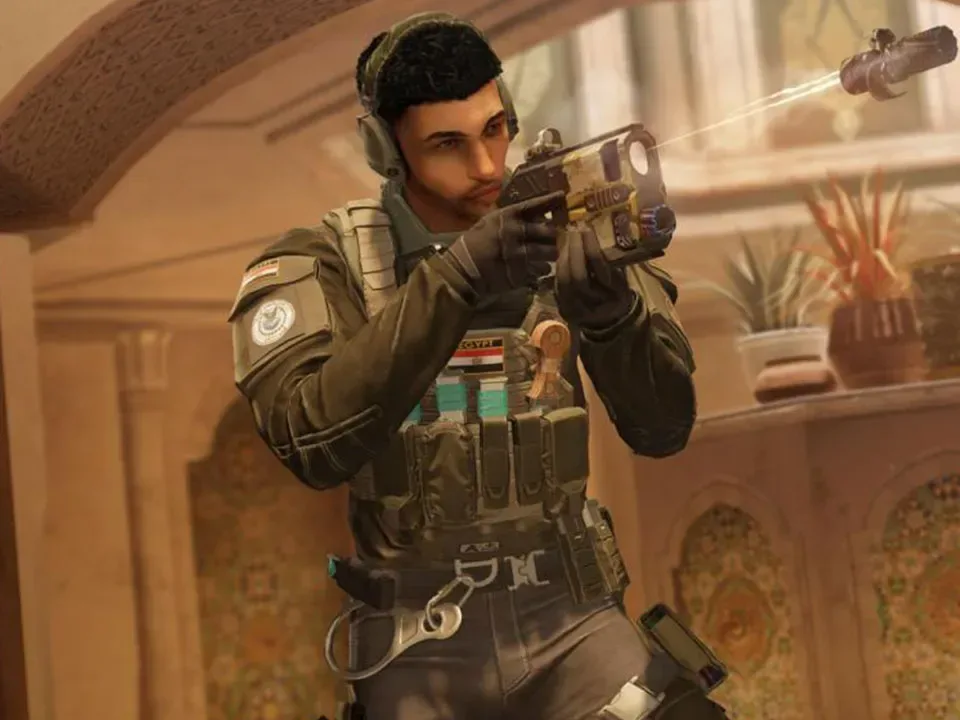
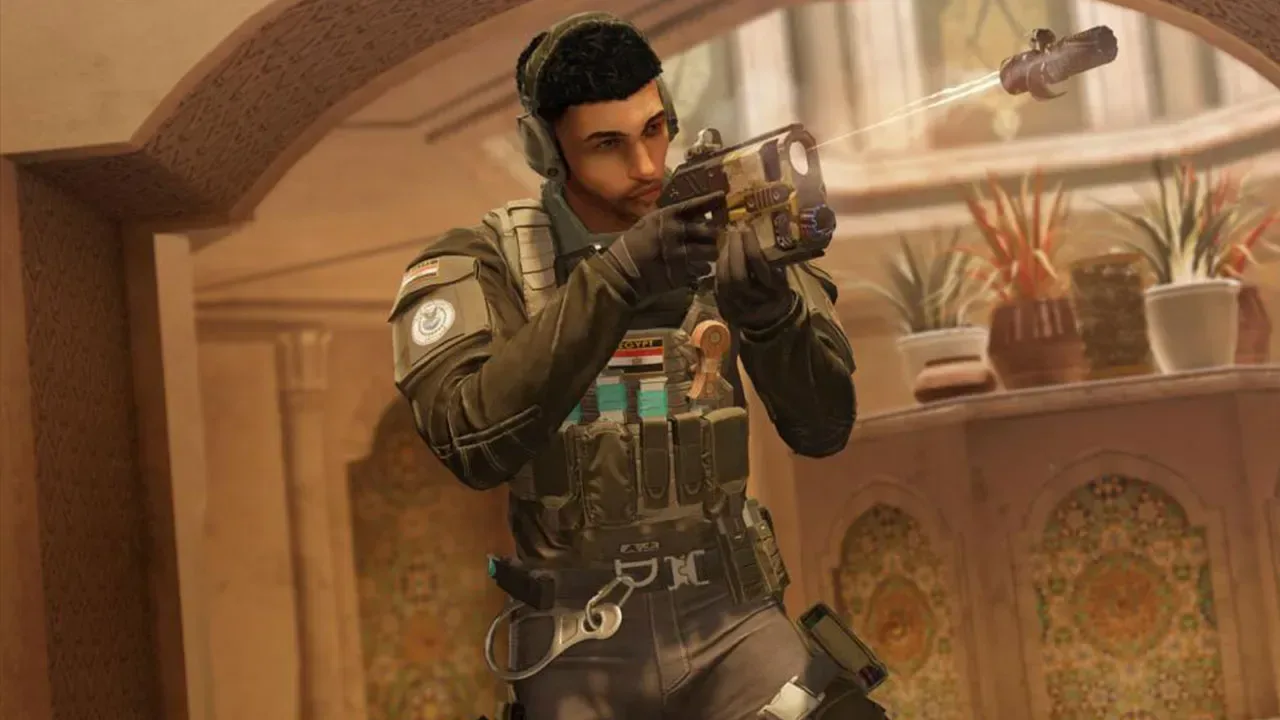
Rainbow Six Siege is one of those games. Ubisoft’s tactical shooter launched in 2015 and still has a dedicated audience, but its creative director, Joshua Mills, is setting expectations plainly. He anticipates that players will step away to try GTA 6. The crucial part of Ubisoft’s approach is the belief that the falloff will be temporary—and that Siege should actively reward the people who choose to keep playing during that period.
“It doesn’t matter what genre you’re in – you’re going to take a hit when that drops,” Mills said. “People are going to play it, and then they’ll come back.”
A realistic response to an unavoidable release
Mills’ comments are notable less because they predict disruption—few would dispute that GTA 6 will be a major attention magnet—and more because they frame a response for a mature live-service game. Rather than treating a lower player count as proof that something has gone wrong with Siege itself, Ubisoft is planning for a temporary shift in player behavior.
That distinction matters inside a continuing game. A live-service game is one that receives ongoing seasonal content and maintenance instead of arriving as a fixed, one-and-done release. Its teams have to respond to player activity continually: new content needs to be scheduled, communities need reasons to return, and internal plans need to account for predictable peaks and dips in engagement.
For a game in that position, a blockbuster release is not necessarily a permanent competitor in the same way that a rival shooter might be. GTA 6’s scale may draw interest from almost every segment of the gaming audience, regardless of genre. Mills made that point directly: the expected impact is not confined to games that look or play like Grand Theft Auto.
The practical risk is that raw player numbers can produce overreactions. If a team sees concurrent activity decline around an enormous release, it might interpret the dip as a verdict on its own game. Mills instead described the need to keep the development team and headquarters aligned around the expectation that players may leave briefly and later return. It is a simple point, but an important operational one: planning for an event can stop a forecastable downturn from becoming an internal panic.
Season Four is set to arrive around GTA 6’s launch
Rainbow Six Siege will not go quiet for November. Mills said Season Four will launch around the same time as GTA 6, bringing changes that will alter the game in unspecified ways. He also said there are unannounced surprises being held back to “make a splash.”
Related coverage includes Rainbow Six Siege Prepares to Weather GTA 6's November Launch.
The exact contents of those surprises, and the precise Season Four changes, have not been detailed. That uncertainty is worth keeping intact. At present, players should not read the comments as confirmation of particular maps, operators, modes, rewards, balances, or other features. What has been confirmed is the broader intent: Ubisoft intends to increase its effort rather than pause activity while another game dominates the conversation.
“Our golden rule is to serve the players who stay like kings and queens,” Mills said. “We don’t go on vacation just because a competitor is swelling the market. We double down and reward those spending their valuable time with us.”
That phrasing points to a retention strategy. Retention means keeping existing players active over time, rather than focusing solely on bringing in new ones. During a period when a major release is likely to attract attention away from nearly everything else, the audience that remains can become especially important. Serving that group well may mean a better experience for regular players in the moment, while also giving temporarily absent players a clearer reason to return later.
There is a tension here, of course. Launching a season at the same time as GTA 6 means competing for players’ time at its scarcest. But it also means Siege can avoid a content drought. A player who checks back after sampling GTA 6 may find an updated seasonal version of Siege rather than a game that spent the moment standing still.
Why simply moving aside is not an option for Siege
Traditional premium releases can often choose a launch window, even if that choice is difficult. The industry’s current September-and-early-October crowding reflects that logic: publishers can try to get in ahead of November rather than share a release month with GTA 6. The source material indicates that Nintendo’s The Legend of Zelda: Ocarina of Time remake is the exception among major big-budget releases currently prepared to launch in November.
Rainbow Six Siege does not operate on that same all-or-nothing calendar. Its audience expects a continuing cadence. Delaying everything because another game is huge could create its own problem: players who are not interested in GTA 6, or who prefer Siege’s tactical multiplayer format, would have less new reason to log in.
Ubisoft’s answer is therefore not to claim immunity from the impact. Mills openly expects Siege to lose some activity. It is to differentiate between a temporary attention shift and an abandonment of the game, then make sure the players who remain have meaningful reasons to stay engaged.
That is also why the promised “double down” is more significant than a defiant slogan. It describes an allocation decision. A live team could reduce its ambitions during a difficult competitive window, wait for interest to return, and preserve resources. Ubisoft says it will do the opposite: keep development and seasonal activity moving, with additional details held for later.
What Siege players can reasonably take from this
For the Siege community, the clearest message is that November is not being treated as dead time. Season Four is planned for roughly the GTA 6 launch window, and Ubisoft has more to reveal. Players should also expect the studio to measure the period with a wider view than a single player-count snapshot.
- Some temporary population decline is expected. Ubisoft is not presenting this as an unusual failure unique to Siege.
- Season Four remains part of the plan. It is expected to arrive around GTA 6’s launch and change the game in ways not yet specified.
- Additional surprises are planned but undefined. No particular features or rewards have been confirmed.
- The remaining active community is the immediate priority. Mills’ “kings and queens” line is a direct statement of that goal.
There is no promise that every player who takes a break will return, nor is there a claim that a new season can erase the gravitational pull of GTA 6. The more measured argument is that players often rotate among games. A player can spend time with a new blockbuster and still come back to a familiar competitive game when friends return, a new season begins, or the desire for a different kind of play returns.
The November test for live-service games
The broader test will extend well beyond Siege. Ongoing games cannot all evacuate a month from their seasonal calendars. Some will have updates due, established events to run, or communities that expect regular support. GTA 6 may temporarily dominate time and discussion, but developers still have to decide whether to minimize activity, maintain the usual schedule, or make a stronger play for the audience that remains.
Ubisoft has now placed Siege firmly in the third camp. It is acknowledging the likely hit while rejecting the idea that the game should disappear from view. That does not reveal the contents of Season Four, and it does not tell players exactly what the unannounced surprises will be. It does make the operating principle clear: a massive launch is something to plan around, not a reason to stop supporting an established game.
November will be busy across the industry, including the Golden Joystick Awards ceremony scheduled for November 11. For Rainbow Six Siege, though, the focus is narrower and more practical: keep the season moving, manage expectations about a temporary dip, and make the players who stay feel that their time was valued.