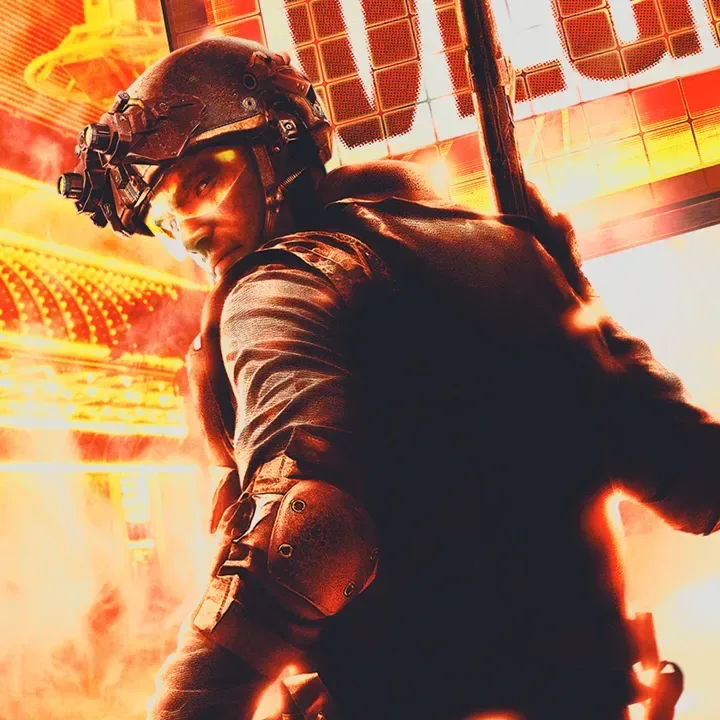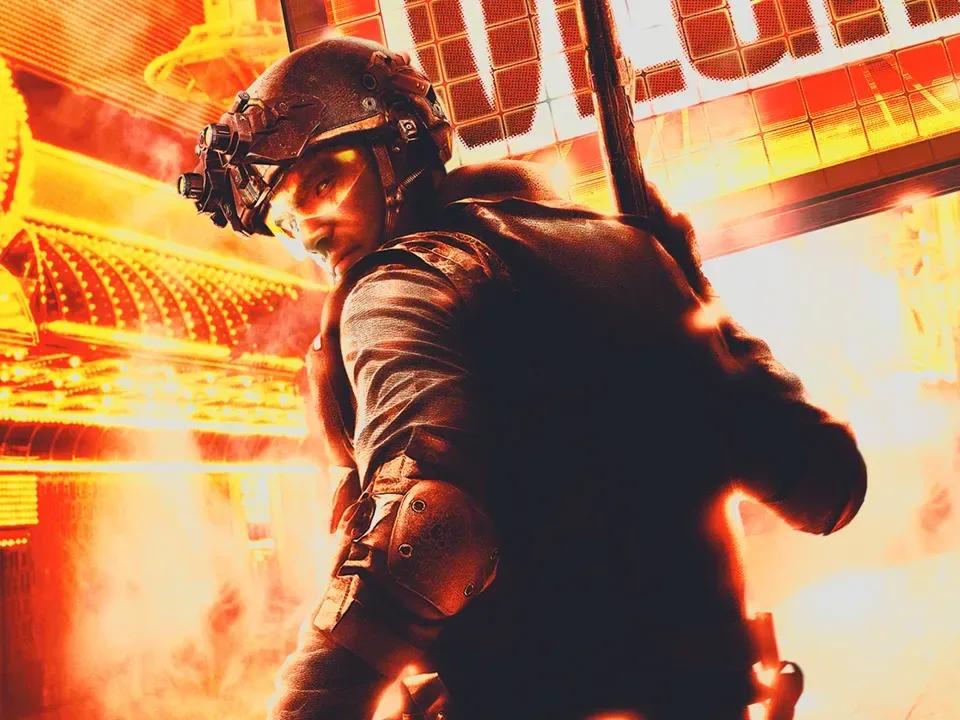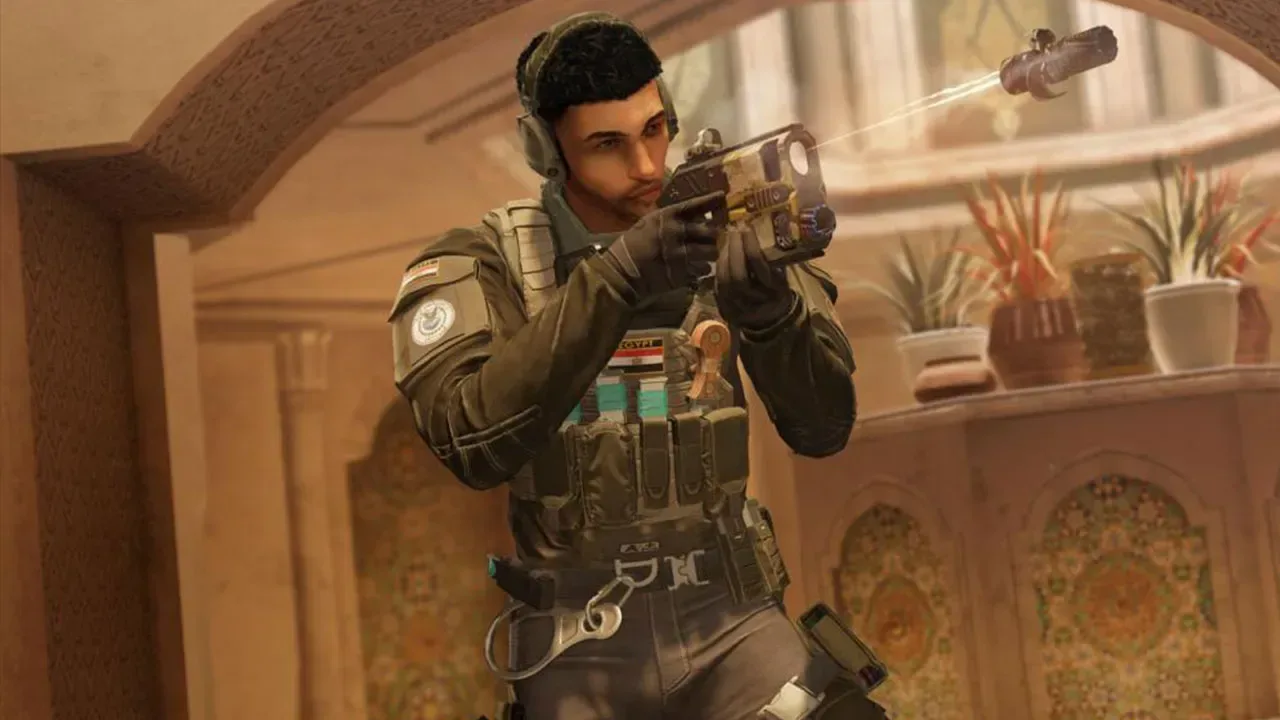
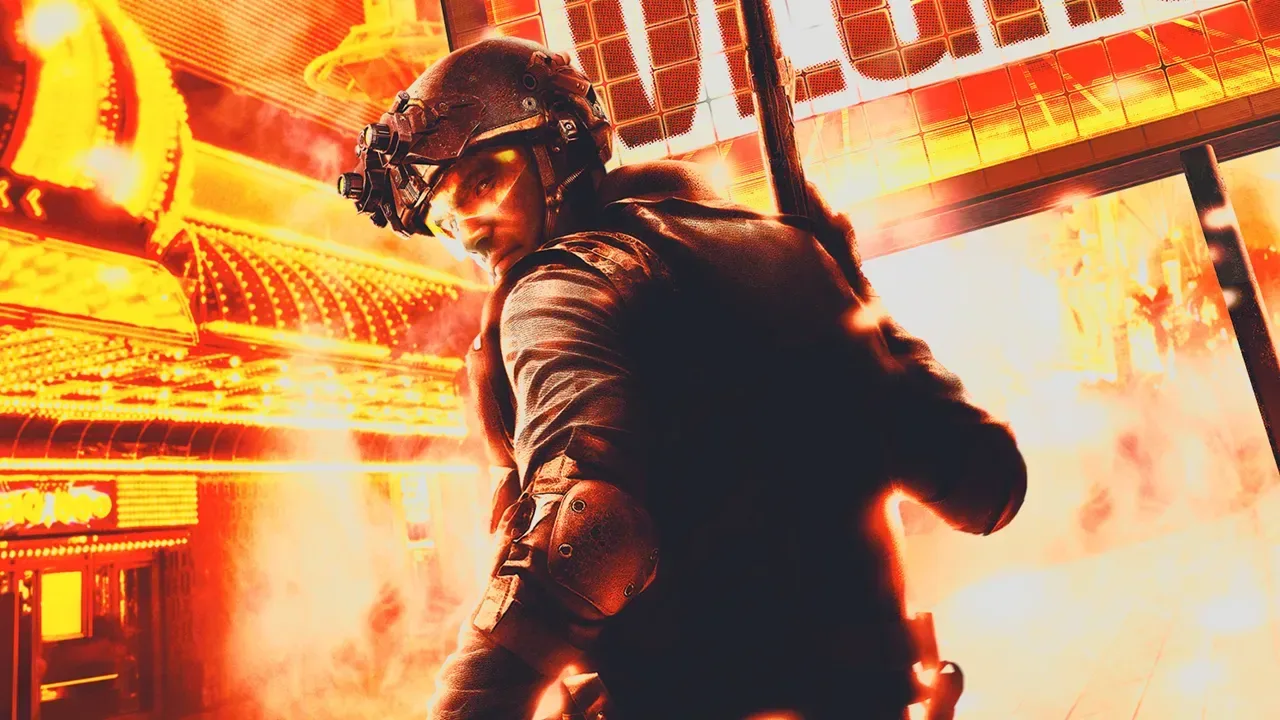
Rainbow Six: Vegas may be coming back. A report claims Ubisoft has approved Ubisoft Montreal to start work on a new entry connected to the long-dormant tactical shooter branch of the Rainbow Six series. The project is reportedly operating under the codename “Spades”.
That is an enticing prospect for players who remember the original Rainbow Six: Vegas and its sequel, but it is also firmly early, unconfirmed information. Ubisoft has not publicly announced a new Vegas game. There is no confirmed final title, release date, target platform, footage, cast, setting, or outline of its modes and mechanics. The most sensible reading for now is that a project may have been greenlit—not that a nearly finished Rainbow Six: Vegas 3 is around the corner.
What the report actually points to
The core claim is specific: Ubisoft Montreal has reportedly received approval to begin a new Vegas installment. “Spades” is said to be its internal codename. Codenames are working labels used during development and should not be treated as marketing names. They can be changed, discarded, or never publicly mentioned once a game is formally revealed.
The report also suggests the prospective game is closer in spirit to a new sequel than a remake. That distinction matters. A remake generally rebuilds or substantially reworks an existing release, while a sequel continues a series with a new campaign, new scenarios, and potentially revised systems. At this stage, however, even calling it Rainbow Six: Vegas 3 would be speculation. The eventual game could use a different subtitle or positioning entirely.
Ubisoft Montreal is reportedly working on two other projects as well. Details on those games were not confirmed, though one may also have a connection to the broader Rainbow Six universe. That gives the report a larger-franchise angle, but it does not establish what form another Rainbow Six project would take or whether it would be related to Vegas.
Important caveat: the reported approval and codename are not the same thing as an official reveal. Until Ubisoft comments publicly, every detail beyond the report’s basic claim should be held loosely.
Why the Vegas name still carries weight
Rainbow Six: Vegas arrived in 2006, followed by Rainbow Six: Vegas 2 in 2008. The series has been absent for close to two decades, yet it remains a distinct and fondly remembered part of a franchise that has changed shape repeatedly since the late 1990s.
Rainbow Six is not a single fixed gameplay template. Its releases have covered different tactical approaches and formats across the years. Today, Rainbow Six Siege is the best-known expression of the brand, supported since its 2015 launch. The latest released entry named in the report is 2022’s Rainbow Six Extraction. A possible Vegas continuation would therefore not simply be “another Rainbow Six game”; it would be a return to a particular sub-series with its own expectations.
Related coverage includes Rainbow Six: Vegas Reportedly Set for a Long-Awaited Return at Ubisoft Montreal.
That helps explain the interest. A legacy name can offer recognition, but it also creates an immediate question: which parts of the older identity are essential, and which parts should change after such a long gap? A continuation needs enough connection for the Vegas label to mean something, while avoiding the trap of treating an old title as a museum piece.
The source material also notes that the first Vegas game received a 7.6/10 review score on PlayStation 3 and Xbox 360, while the sequel’s limited edition received an 8.4/10. Those historic scores are not evidence of what a prospective new entry will be like, but they do illustrate that the two games were assessed separately—and that a new installment should not inherit either game’s reputation automatically.
Sequel, revival, or remake: why the terminology matters
Gaming announcements often use familiar words loosely, but the difference is practical for players. A remake returns to an existing game and may preserve its premise, characters, structure, or major events while modernizing presentation and design. A revival is a broader label for bringing back a dormant series. A sequel usually signals a new chapter rather than a reconstruction of a previous one.
The report’s suggestion that Spades is more likely to be a new Vegas entry than a remake is therefore meaningful, even if it remains unverified. It indicates that the team may be exploring the future of the Vegas line rather than revisiting one of its old campaigns scene by scene.
There is room for plenty of uncertainty within that description. A sequel can be conservative or radically different. It can continue a narrative, use a new cast, retain an old structure, or reposition itself around a newer audience. None of those choices have been reported here. Fans hoping for particular features should resist filling those gaps with assumptions.
The sequel-versus-remake question is especially timely whenever a publisher revisits an older property. As explored in this discussion of how remakes can reframe familiar games, returning to a known name is not merely a technical update; it is also a decision about what the original work represented. If Vegas does return as a sequel, it will face the related challenge of deciding what deserves continuity after years of franchise evolution.
What a green light does—and does not—mean
In game development, a green light generally means a project has received approval to move forward. It is a significant internal milestone, but it does not mean the public-facing plan is settled. Development can still be early enough that teams are defining direction, making prototypes, or deciding which ideas are feasible.
That context is why a launch is not expected for at least several years. The report characterizes the effort as being in early stages. Without an official reveal, any more exact release estimate would go beyond the available evidence. Likewise, there is no basis yet for assuming a particular console generation, PC release, multiplayer focus, or relationship to Siege.
For readers tracking the business side, the reported involvement of Ubisoft Montreal is notable because it places a possible revival alongside two other projects at the studio. Still, a studio developing multiple games does not tell us how large each team is, how far along each project has progressed, or what Ubisoft’s eventual release plans may be. Production information is useful context, not a substitute for a formal announcement.
How it could fit alongside Siege and Extraction
The present Rainbow Six landscape makes a Vegas return intriguing precisely because the brand is already associated with different experiences. Siege has become the flagship name through ongoing support for its tactical gameplay, while Extraction arrived in 2022 as the most recent series release. The original Vegas games occupy a separate historical lane within that wider family.
That variety offers both opportunity and risk. A new Vegas title would not necessarily need to imitate Siege to be recognizably Rainbow Six, and the report does not say that it will. Conversely, using the Rainbow Six name alone would not explain what makes a Vegas continuation different. Those are creative questions for Ubisoft to answer if and when the project is introduced.
It is worth avoiding a common leap in early reporting: the assumption that one franchise project replaces another. Nothing presented here says a new Vegas game would end support for Siege, follow directly from Extraction, or share features with either. The report supports the possibility of more than one Rainbow Six-related game in development, not a roadmap for how they will coexist.
What fans should watch for next
Because the reported project is unannounced, the next reliable step would be a direct statement from Ubisoft. A formal reveal could clarify several fundamentals at once:
- Whether the game is actually a new Vegas installment;
- Its final title and whether “Spades” remains only an internal codename;
- Whether it is a sequel, a reboot, a remake, or another form of revival;
- Its development studio or supporting teams;
- Its intended platforms and release timing; and
- How it sits beside the rest of the Rainbow Six lineup.
Until then, the report is best treated as a promising indication rather than a promise. The potential return is notable because Vegas 2 dates to 2008 and because the wider Rainbow Six brand has remained active in very different forms. But the appealing parts of the idea—what it plays like, who it is for, and whether it earns the Vegas name—are exactly the parts still unknown.
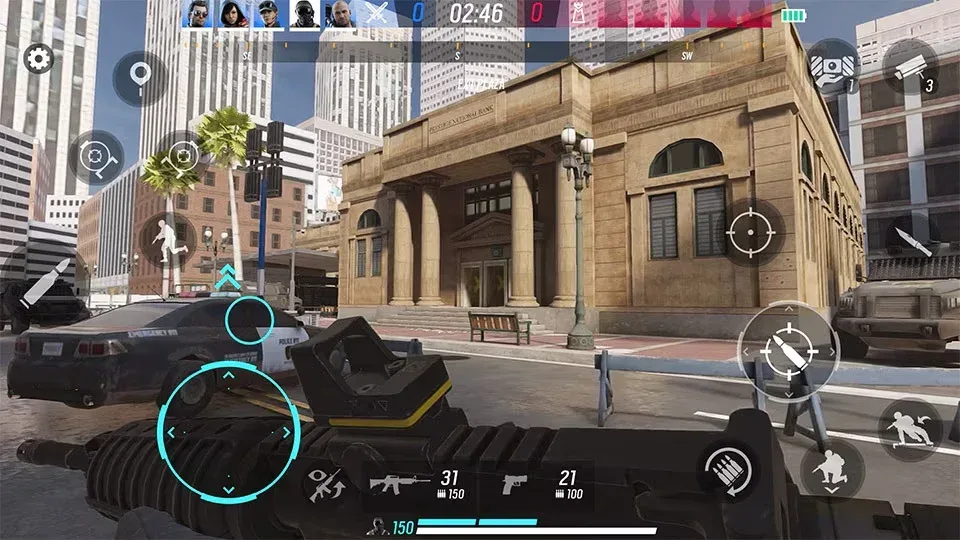
Ubisoft does have other publicly known projects in the pipeline, including Rainbow Six Tactics, which was announced in August and is planned for next year, as well as a Splinter Cell remake that remains in development. Those projects show that familiar tactical-action names are still part of the company’s plans. They do not, however, confirm Spades. For now, the cards remain face down.